
Some nutrients get a lot of hype, and L-arginine is one of them — but what often gets lost in the conversation is how easy it actually is to reap the benefits from. You don’t need a complicated routine or a cabinet full of powders to support your L-arginine intake. In many cases, it’s already sitting in your fridge, pantry, or favorite grocery aisle.
L-arginine plays an important role in things like blood flow, energy, workout performance, and overall cardiovascular health. That’s why it shows up everywhere from fitness conversations to heart-health discussions. And while supplements can be helpful, starting with food is often the simplest, most sustainable place to begin. It’s familiar, flexible, and easier to stick with long term.
This guide focuses on everyday foods that naturally contain L-arginine — the kind you can actually picture yourself eating.
Here’s what we’ll cover:
- Why L-arginine matters and why a food-first approach makes sense
- Seeds and nuts that deliver big benefits in small servings
- Protein-rich animal foods that naturally contain L-arginine
- Plant-based options that fit easily into meals and snacks
- How supplements can help when food alone isn’t quite enough
Why L-Arginine Matters (and Why Food First Is a Smart Move)
L-arginine is an amino acid that plays a surprisingly wide role in the body. Most notably, it’s a precursor to nitric oxide, a compound that helps relax blood vessels and improve circulation. Better blood flow supports cardiovascular health, physical performance, nutrient delivery, and even cognitive function, which is why L-arginine is often associated with heart health, workouts, and overall vitality.
Your body can produce some L-arginine on its own, but factors like stress, aging, intense exercise, illness, or certain health conditions can increase your needs. That’s where diet comes in.
Research consistently shows that L-arginine obtained from whole foods is well-absorbed and works synergistically with other nutrients like antioxidants, minerals, and healthy fats that naturally occur alongside it. In other words, food doesn’t just deliver L-arginine — it delivers context, which helps your body actually use it.what
Starting with food also makes long-term consistency much easier. Instead of relying on timing, dosing, or remembering to take something every day, you’re simply building meals that support nitric oxide production as part of your routine. Nuts, seeds, legumes, whole grains, and quality protein sources all contribute meaningful amounts of L-arginine while also supporting satiety, muscle maintenance, and metabolic health.
That doesn’t mean supplements don’t have a place — they can be helpful in targeted situations. But for most people, a food-first approach lays the foundation, supports overall nutrition, and helps you get the benefits of L-arginine without overcomplicating things.
🥜 Seeds & Nuts: Small Foods, Big L-Arginine Power
If you’re looking for foods high in L-arginine that are easy to add to your day without changing how you eat, seeds and nuts are the MVPs. They’re compact, versatile, and surprisingly rich in this nitric-oxide-supporting amino acid. Sprinkle them on yogurt, toss them into salads, blend them into smoothies, or just snack straight from the jar — no complicated prep required.
1. Pumpkin Seeds
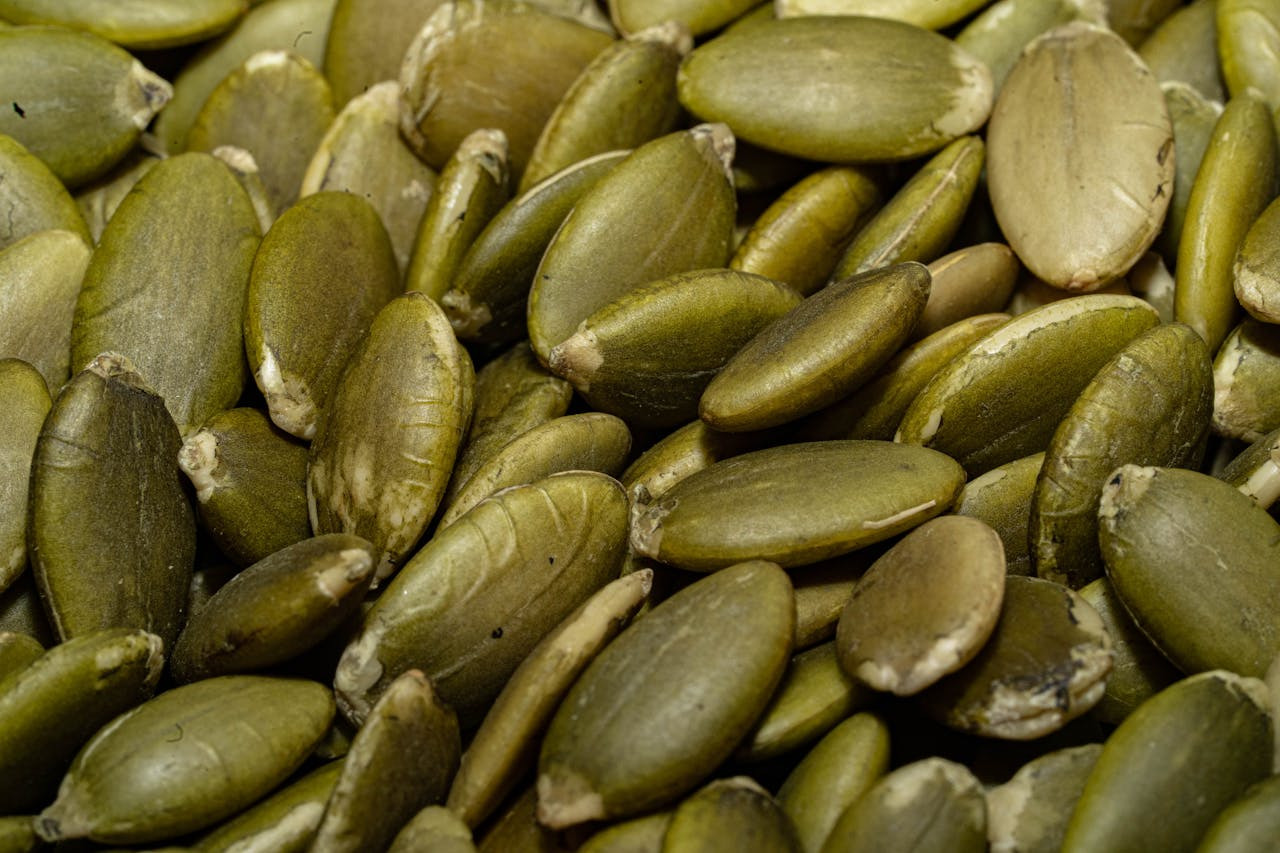
Pumpkin seeds are one of the best plant-based sources of L-arginine you can eat. Just a small handful packs a serious nutritional punch, delivering L-arginine alongside magnesium, zinc, and healthy fats that support heart health and muscle function. They’re especially great for people focused on circulation, recovery, or metabolic health. Try them roasted with sea salt, added to grain bowls, or blended into pesto for an easy upgrade.
2. Almonds

Almonds are a classic for a reason. Along with being high in L-arginine, they’re rich in vitamin E and fiber, which support cardiovascular health and blood sugar balance. Almonds make it easy to boost your L-arginine intake without even thinking about it — throw them into oatmeal, snack on them mid-afternoon, or use almond butter as a creamy base for smoothies and sauces.
3. Walnuts
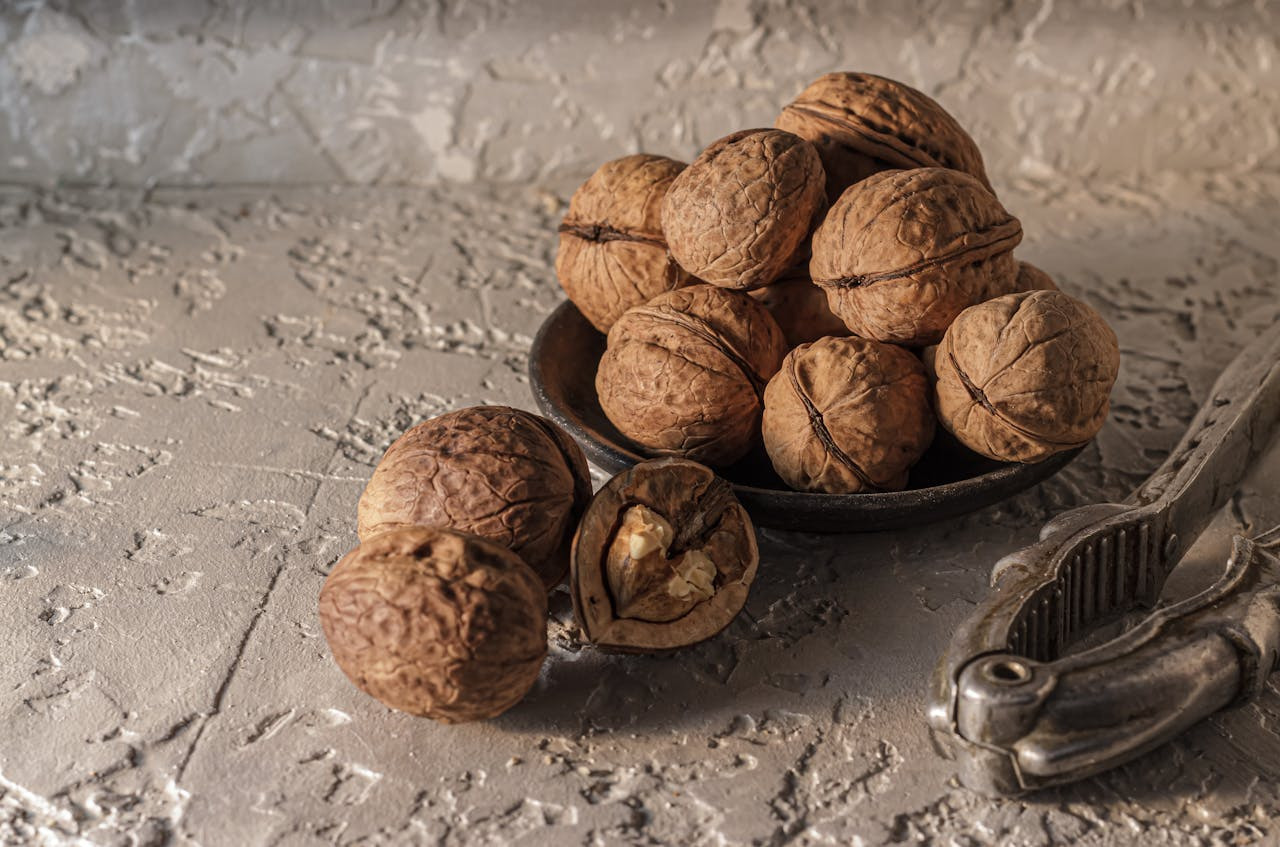
Walnuts bring a double benefit to the table: L-arginine plus omega-3 fatty acids. This combination makes them especially supportive of heart health and healthy circulation. Their slightly bitter, rich flavor works well in both sweet and savory dishes — think chopped into salads, stirred into yogurt, or blended into homemade dressings.
4. Sesame Seeds
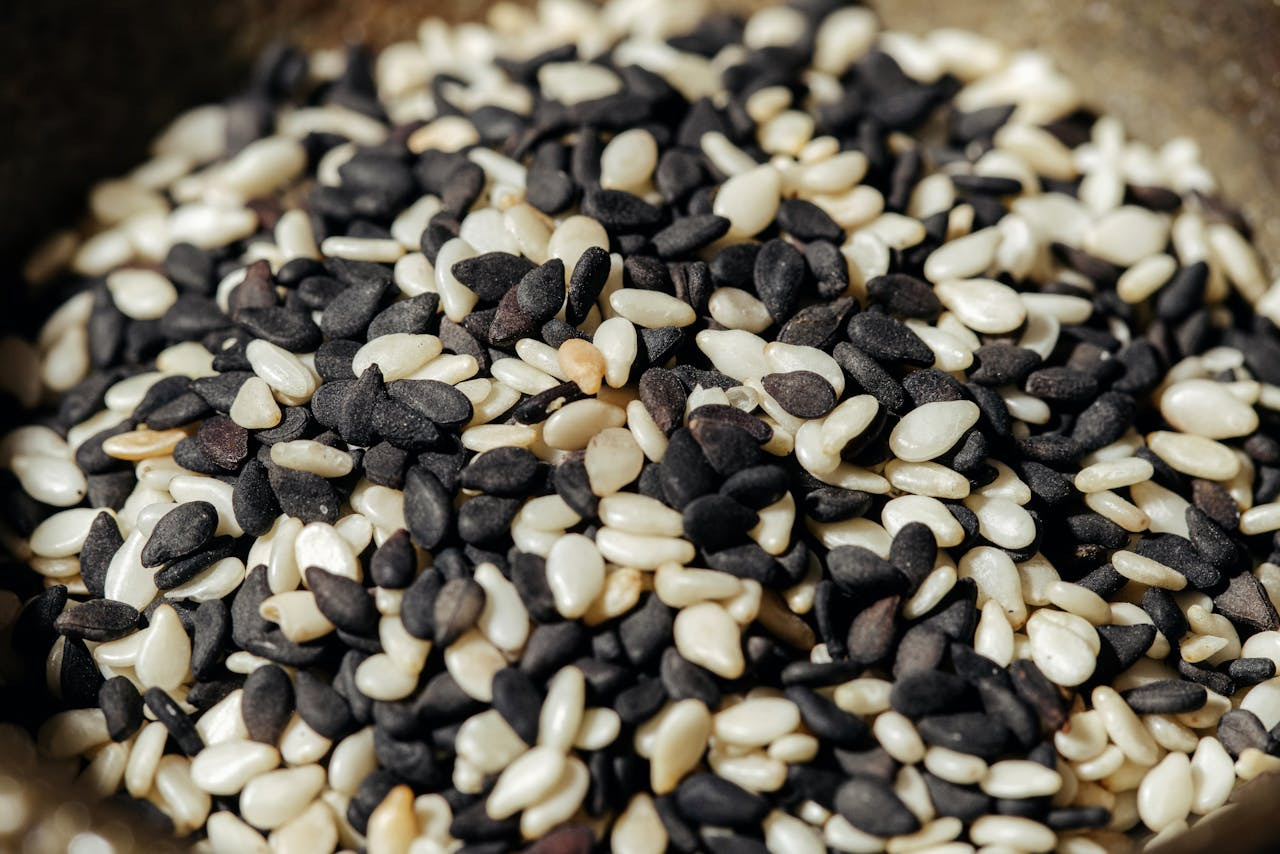
Tiny but mighty, sesame seeds are often overlooked when it comes to amino acids, but they’re a solid source of L-arginine. Tahini (ground sesame paste) is an especially easy way to get more of them into your diet. Drizzle it over roasted vegetables, whisk it into sauces, or spread it onto toast for a nutrient-dense snack that quietly supports nitric oxide production.
5. Peanuts (and Peanut Butter)
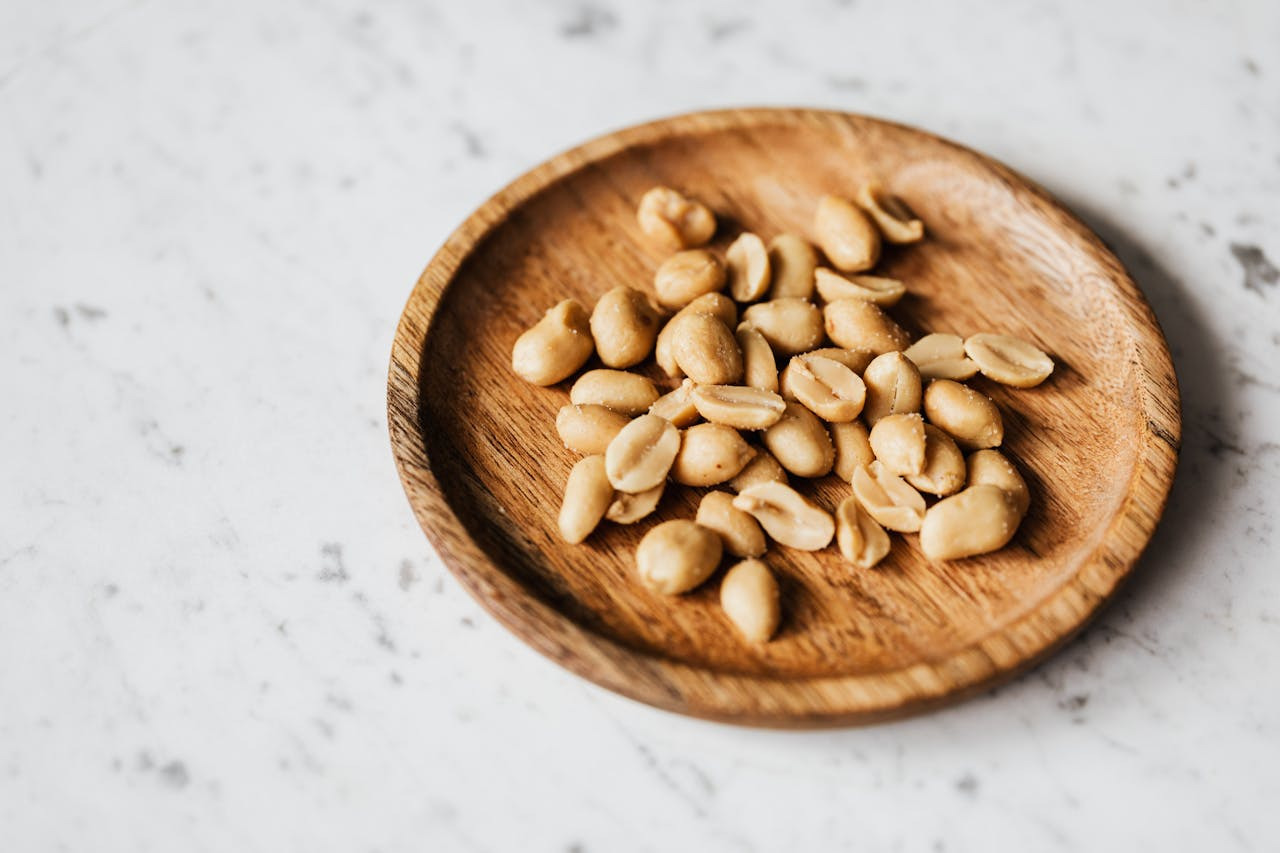
Technically a legume, peanuts still deserve a spot here. They’re affordable, widely available, and naturally high in L-arginine. Peanut butter, in particular, is an easy win — just make sure you’re choosing varieties with minimal added sugars and oils. A spoonful with apple slices or stirred into oatmeal adds flavor, satiety, and a meaningful L-arginine boost.
Together, seeds and nuts make one of the simplest ways to consistently increase L-arginine intake. They’re proof that supporting circulation and overall health doesn’t require a major diet overhaul — just a few smart additions you’ll actually enjoy eating.
🥩 Protein-Rich Animal-Based Foods High in L-Arginine
When it comes to foods high in L-arginine, animal-based proteins are some of the most concentrated and bioavailable sources you can put on your plate. Because L-arginine is an amino acid, it naturally shows up in protein-rich foods — and animal proteins tend to deliver it in forms your body can easily use. If your goals include muscle recovery, circulation support, metabolic health, or overall energy, these foods pull a lot of weight.
6. Turkey

Turkey is one of the top animal-based sources of L-arginine, especially when you’re talking about lean cuts like turkey breast. It’s high in protein, relatively low in saturated fat, and naturally rich in amino acids that support muscle repair and blood flow. Turkey works well for people who want a steady L-arginine boost without feeling overly heavy after meals. Think roasted turkey, ground turkey bowls, or even sliced turkey added to salads and wraps.
7. Chicken

Chicken — particularly chicken breast — is another reliable, easy-to-find food high in L-arginine. It’s versatile, budget-friendly, and fits seamlessly into most eating styles. Because it’s lean and protein-dense, it’s a favorite for people focused on fitness, recovery, or maintaining stable energy throughout the day. Grilled, baked, or shredded into soups and grain bowls, chicken makes it simple to increase L-arginine intake without overthinking your meals.
8. Beef
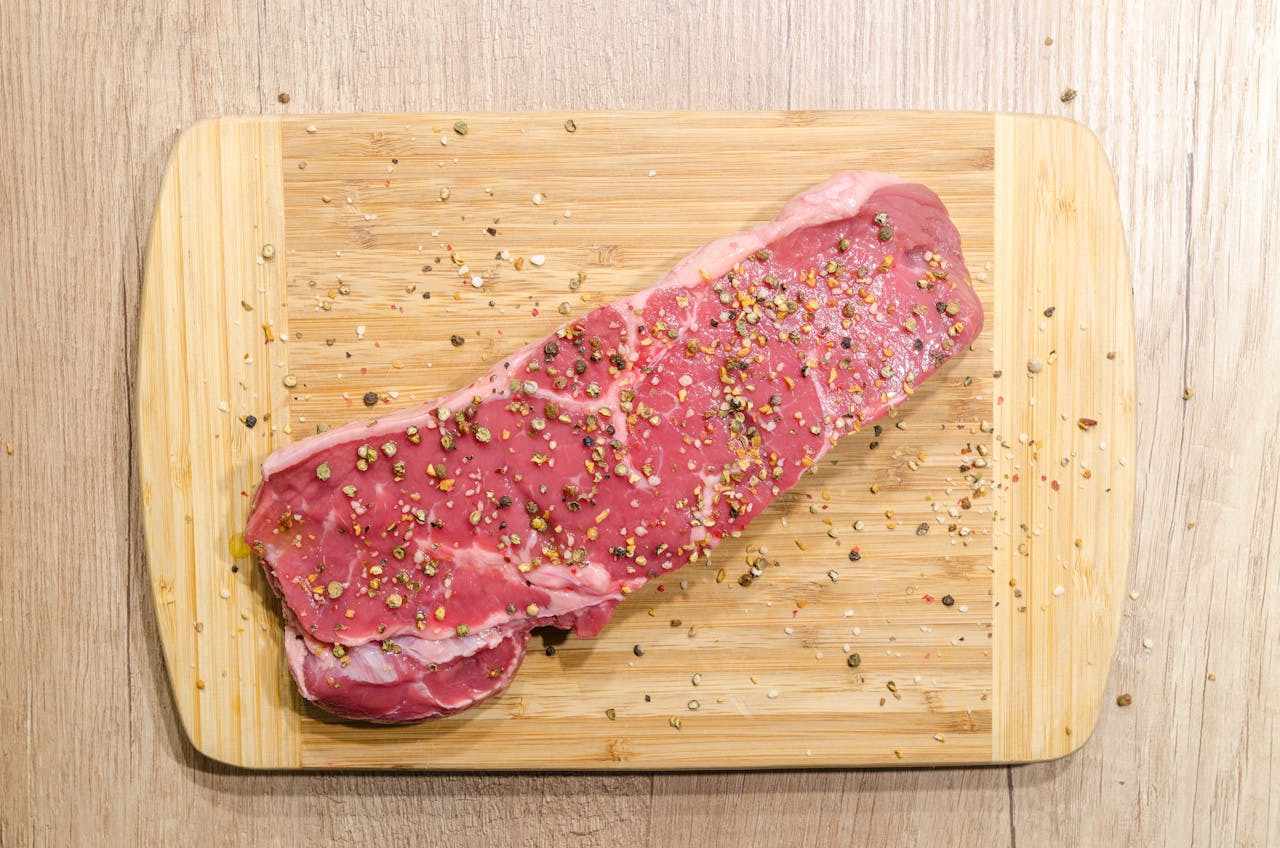
Beef is a powerhouse when it comes to L-arginine, especially grass-fed or lean cuts like sirloin or tenderloin. In addition to L-arginine, beef provides iron, zinc, and B vitamins that support oxygen transport, immune health, and energy production. While it’s not something everyone eats daily, incorporating beef a few times a week can significantly contribute to overall amino acid intake. Think steak salads, stir-fries, or slow-cooked beef dishes that prioritize quality over quantity.
9. Pork
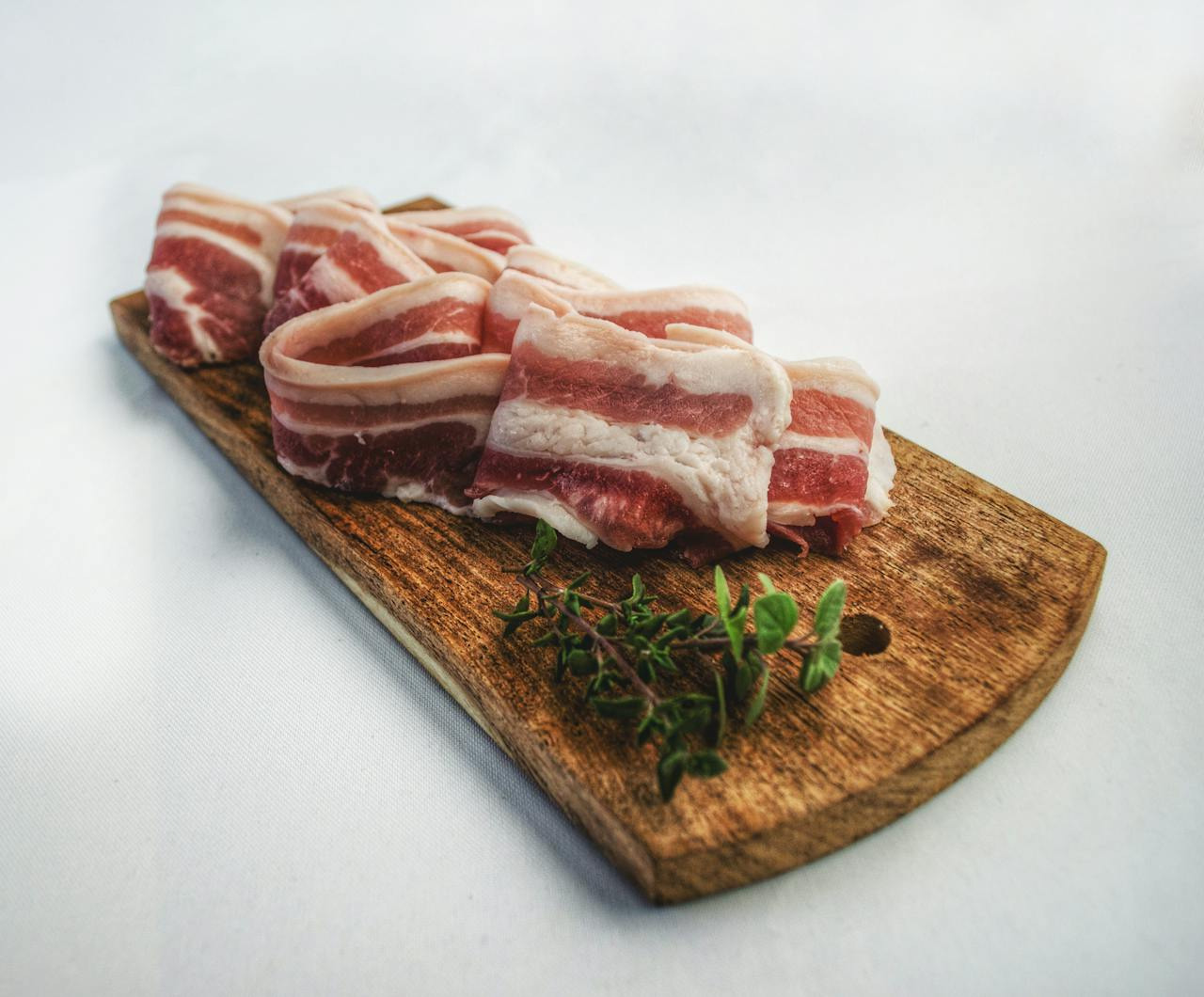
Pork often flies under the radar, but it’s another solid source of L-arginine. Lean cuts like pork loin or tenderloin provide high-quality protein with a favorable amino acid profile. Pork pairs well with simple preparations — roasted with herbs, grilled, or sliced into bowls — making it an easy way to add variety while still supporting nitric oxide production and muscle function.
10. Fish (Especially Salmon and Tuna)
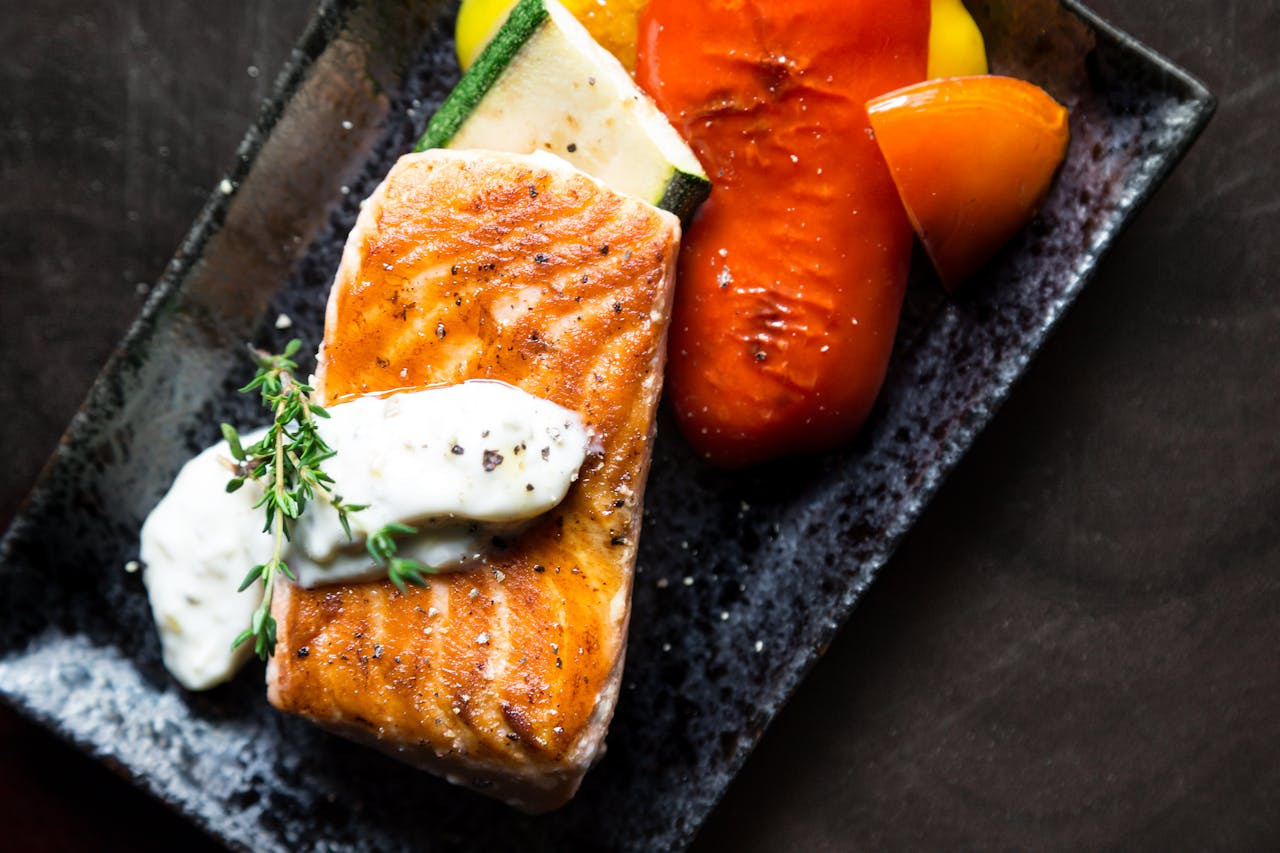
Fish deserves a special mention because it delivers L-arginine alongside omega-3 fatty acids, which are known for supporting cardiovascular health and inflammation balance. Salmon and tuna are particularly good options, offering a combination of protein, healthy fats, and key micronutrients. Whether baked, grilled, or added to salads, fish supports circulation and recovery in a way that feels lighter than heavier meats.
11. Eggs

Eggs may not be the highest source of L-arginine on this list, but they’re incredibly accessible and nutrient-dense. They contain a balanced amino acid profile, healthy fats, and fat-soluble vitamins that support overall metabolic health. Adding eggs to breakfast or meals throughout the day helps round out your L-arginine intake while keeping meals satisfying and simple.
Animal-based proteins offer a straightforward, effective way to boost L-arginine through food. When paired with plant-based sources like seeds, nuts, and legumes, they help create a well-rounded approach that supports circulation, energy, and long-term health — without needing to rely on complicated strategies.
🌱 Plant-Based L-Arginine Options
You don’t need to eat meat to get plenty of L-arginine. In fact, some of the most impressive foods high in L-arginine are plant-based — and they’re doing more than just pulling their weight. These options deliver L-arginine alongside fiber, antioxidants, and micronutrients that support heart health, digestion, and metabolic balance. Whether you’re fully plant-based or just looking to diversify your plate, these foods make it easy to boost your intake without trying.
12. Chickpeas
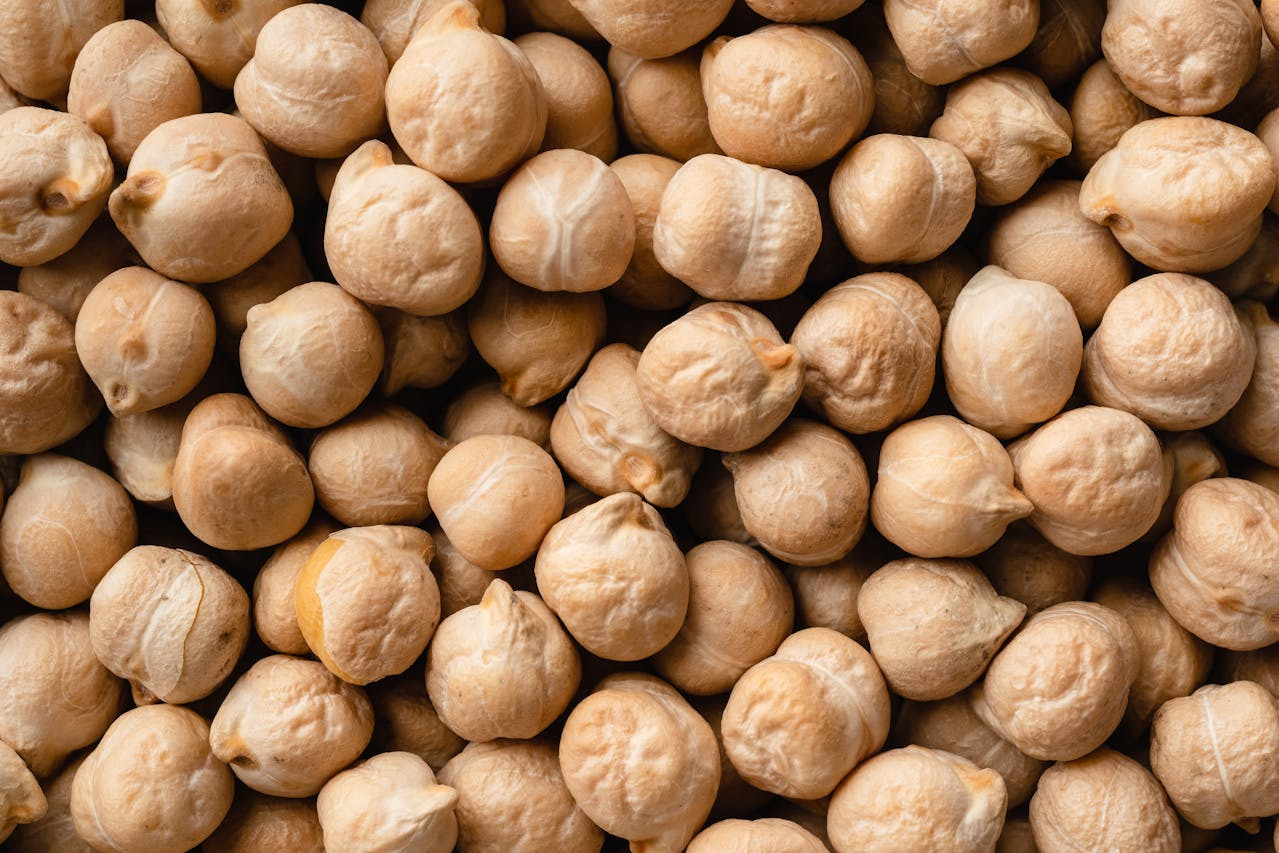
Chickpeas are one of the most practical plant-based sources of L-arginine. They’re versatile, affordable, and show up in everything from hummus to salads to grain bowls. Beyond their L-arginine content, chickpeas provide fiber and plant-based protein that help support blood sugar balance and digestive health. Toss them roasted onto salads, blend them into dips, or simmer them into stews for an easy win.
13. Lentils
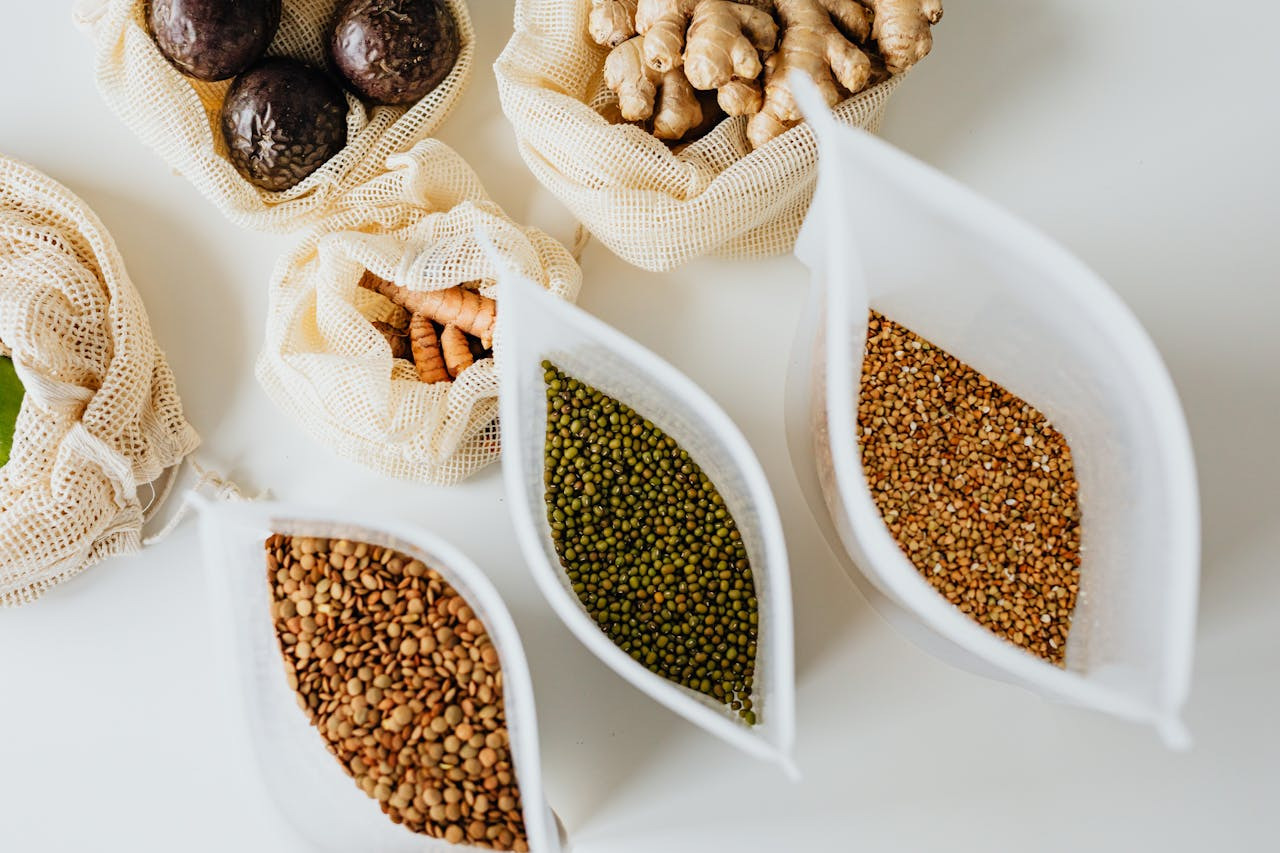
Lentils are a quiet powerhouse when it comes to L-arginine. Red, green, brown — they all deliver solid amounts of this amino acid while also being rich in iron, folate, and fiber. Lentils are especially helpful if you’re focused on circulation, energy, or metabolic health, since they support steady energy rather than spikes and crashes. Soups, curries, and lentil-based bowls make it simple to work them into your routine.
14. Soybeans/Edamame
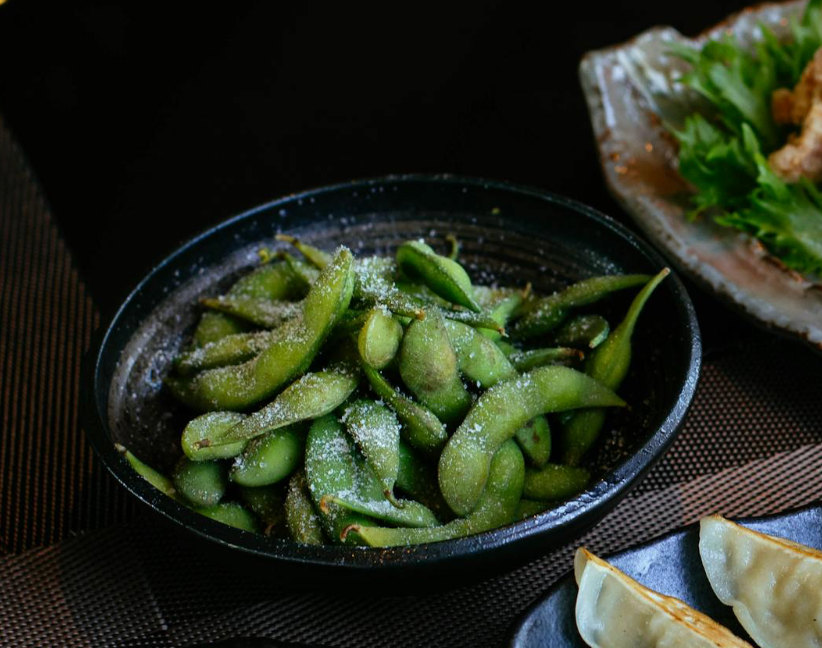
Soy-based foods are among the highest plant sources of L-arginine. Edamame, tofu, and tempeh all contain significant amounts, making them popular choices for athletes and active folks following a plant-forward diet. Edamame is particularly easy — sprinkle it with sea salt, toss it into salads, or add it to stir-fries for a quick L-arginine boost with minimal effort.
15. Quinoa
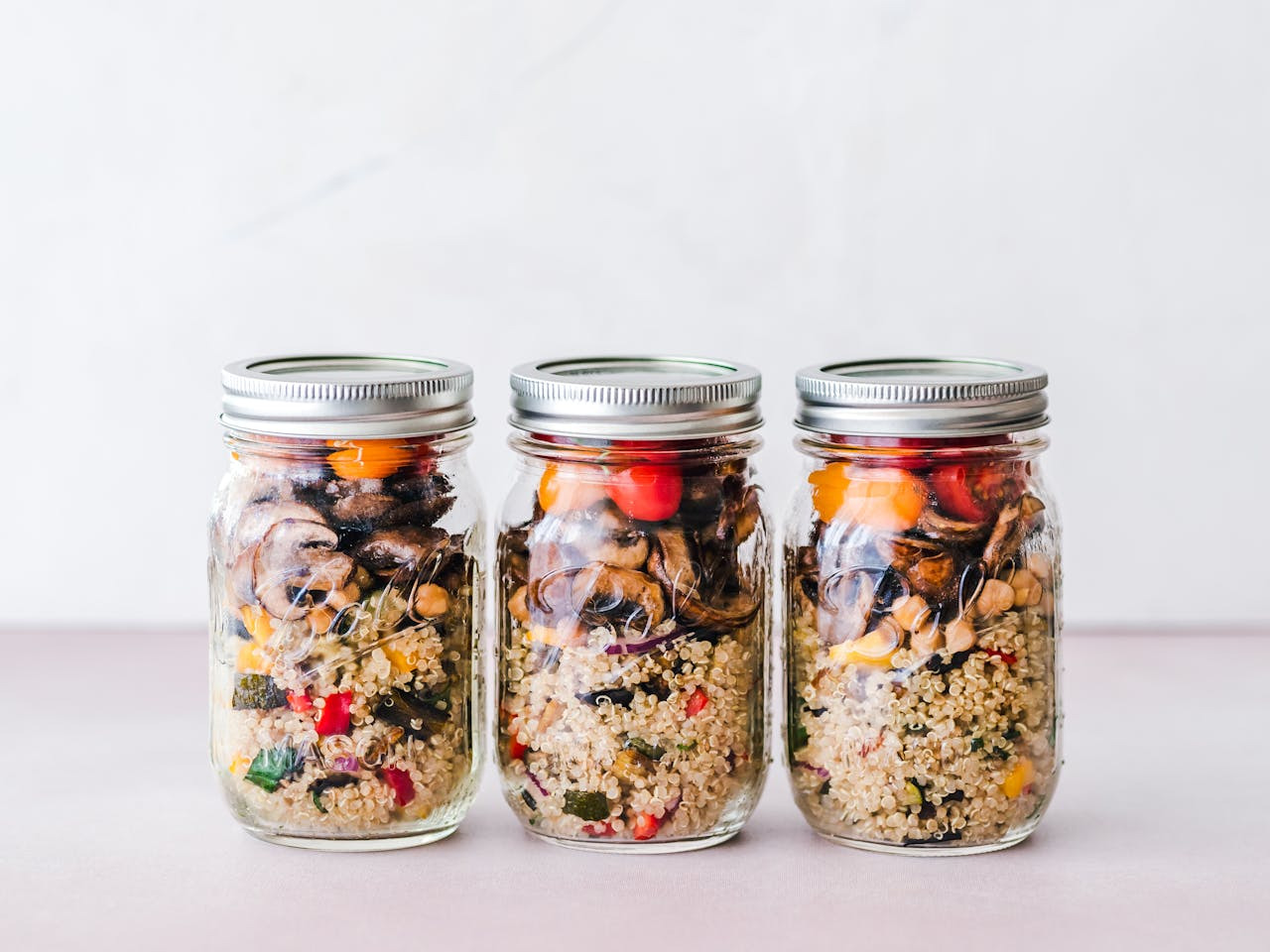
Quinoa is technically a seed, but it behaves like a grain — and it’s one of the few plant foods that’s considered a complete protein. That means it provides all essential amino acids, including L-arginine. It’s a great base for bowls, salads, or warm breakfasts, especially if you want something filling that supports circulation and muscle function without feeling heavy.
16. Oats
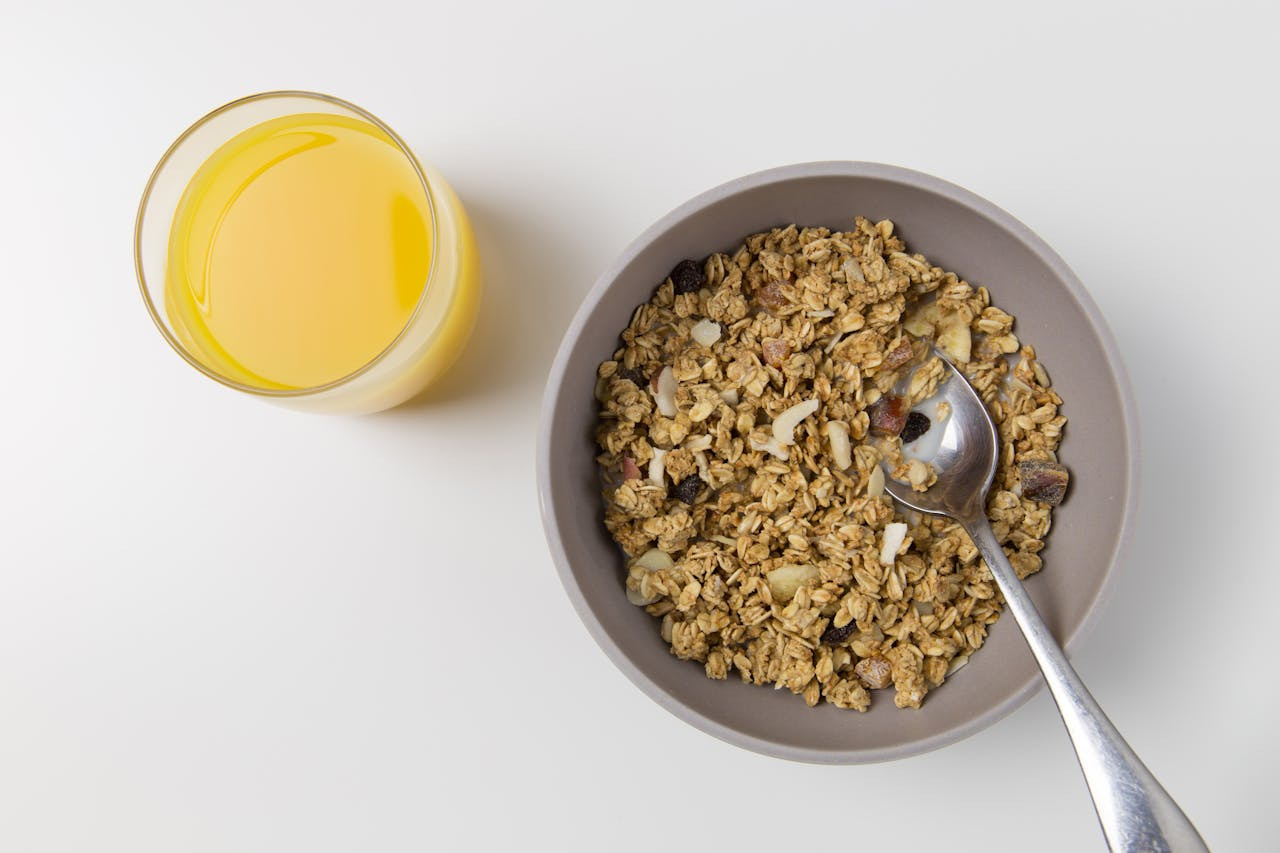
Oats aren’t usually the first food people think of when talking about amino acids, but they contribute meaningful amounts of L-arginine when eaten regularly. They also support heart health thanks to their beta-glucan fiber. Pair oats with nuts, seeds, or nut butter and you’ve got a breakfast that quietly supports nitric oxide production while keeping you full for hours.
17. Spinach
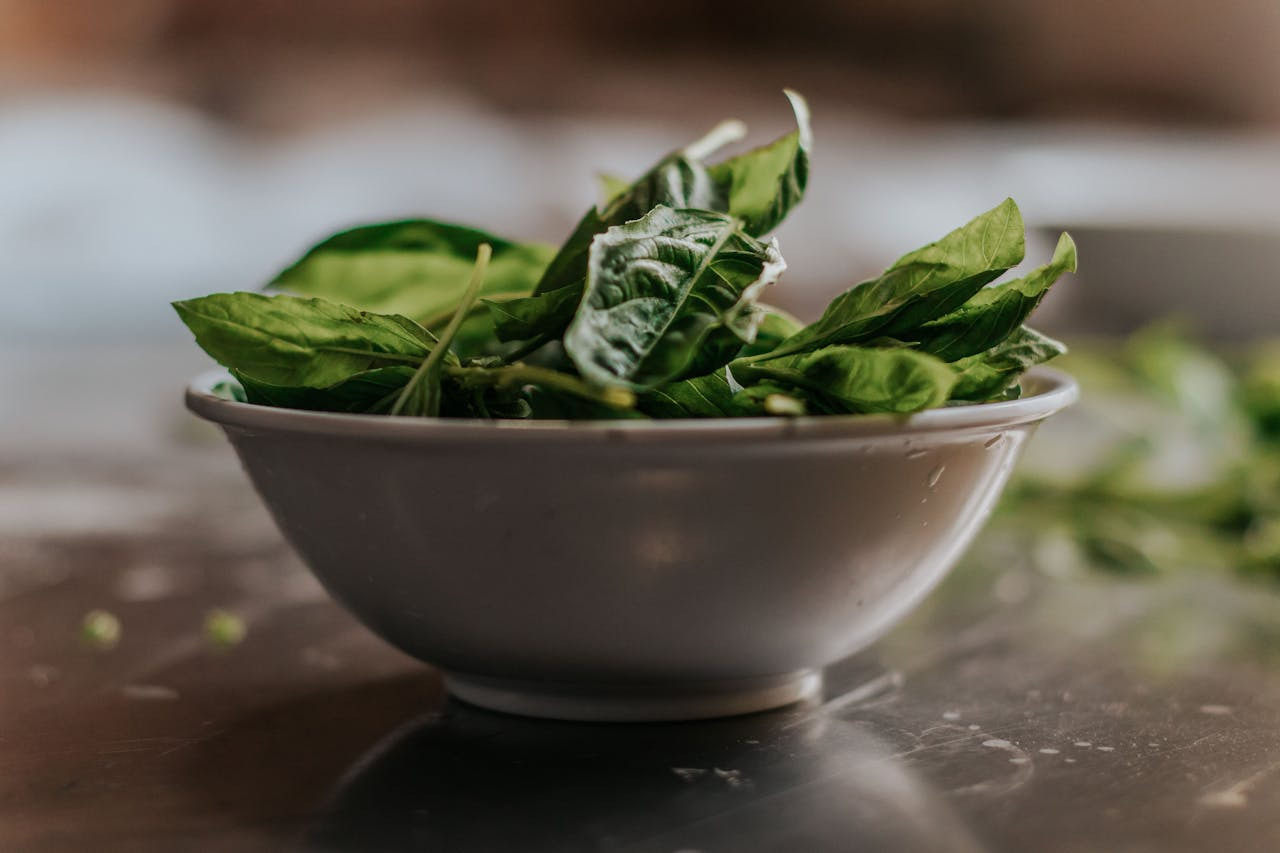
Leafy greens like spinach may not be protein-heavy, but they still contribute to overall L-arginine intake — and they bring bonus benefits. Spinach supports nitric oxide production through naturally occurring nitrates, which work hand-in-hand with L-arginine for blood flow support. Add it to smoothies, sautés, soups, or salads for an easy nutritional upgrade.
Plant-based L-arginine sources shine when they’re combined and eaten consistently. Mixing legumes, whole grains, and leafy greens creates a steady, food-first approach that supports circulation, energy, and long-term health — no complicated math required.
👍 Other Ways to Up Your L-Arginine Intake Without Overthinking It
If tracking macros and memorizing food lists isn’t your thing, good news: boosting your L-arginine intake can be way simpler than that. One of the easiest options is supplementation, especially if you’re focused on specific goals like circulation, workout performance, or overall cardiovascular support.
A high-quality L-arginine supplement takes the guesswork out of it—no meal planning required.
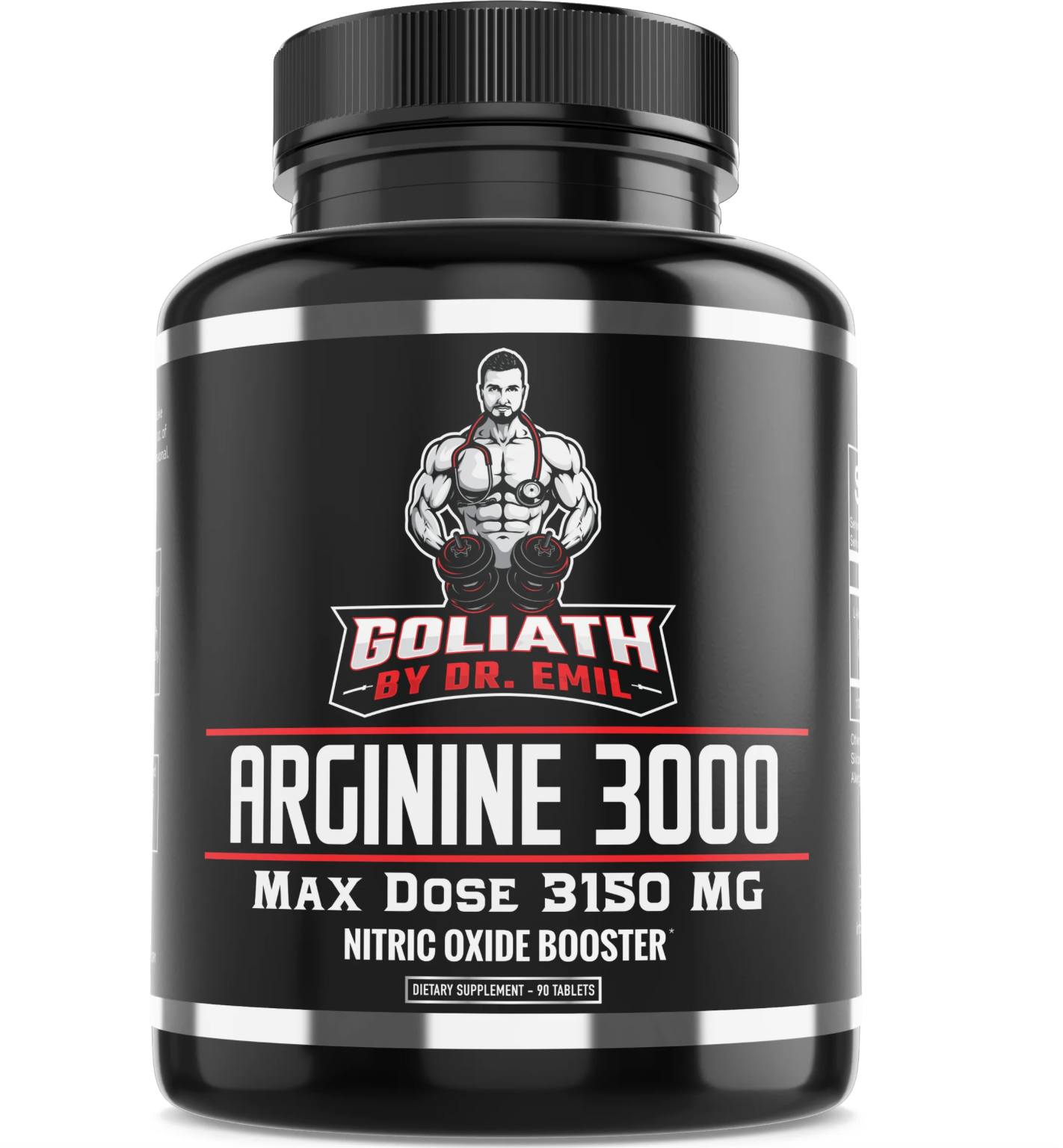
Shop Dr. Emil Nutrition L-Arginine
Dr. Emil Nutrition’s L-Arginine is a great example: it’s clean, thoughtfully formulated, and designed for easy daily use. You can add it to your routine in seconds, whether that’s with your morning supplements or pre-workout stack. Boom—done.
This route is especially helpful if you don’t regularly eat arginine-rich foods like nuts, seeds, or seafood, or if your needs are higher due to training or health goals. Think of it as a “set it and forget it” approach: consistent intake, no overthinking, and no stressing about whether you’ve eaten enough pumpkin seeds today.
L-Arginine is a powerhouse compound that’s easier to sneak into your diet than you might think.
L-arginine might sound like a complicated supplement, but it’s really just a naturally occurring amino acid that your body—and your diet—can benefit from. From nuts and seeds to lean meats and plant-based proteins, there are plenty of ways to sneak it into your meals without overthinking it.
Whether you’re fueling workouts, supporting circulation, or just aiming for overall wellness, L-arginine is a simple, effective addition. And if you need a little extra boost, a high-quality supplement like Dr. Emil Nutrition’s L-Arginine makes it easy to stay consistent, no matter how busy life gets.