


There have been lots of recent reports that drinking is less popular than ever in the US – younger generations increasingly view the habit as unhealthy and disruptive, so they’re less likely to indulge than the age cohorts that came before them.
But that doesn’t mean sipping your favorite cocktail on a night out with friends or unwinding with a glass of wine after work is a thing of the past. According to the CDC, nearly half of Americans indulge 1-3 times per week while hanging out with friends or relaxing at home. And for people who fall into this category of light or social drinking, the motivation for grabbing a beer with coworkers or whipping up that creative cocktail they saw on Instagram is relaxation. We wanna de-stress, have a nice evening, and catch a good night’s rest.
So it can be tempting after a chill evening with a drink or two to think, Maybe I’ll pop a melatonin, too – double the sleepy vibes.
But… not so fast.
Melatonin, aka “the sleep hormone,” and alcohol are both depressants – compounds that slow your central nervous system down. Sure, that’s exactly the effect that makes them popular for unwinding, but it also means it’s important to be careful when mixing them together because those effects will build on each other. Sometimes combining depressants can be dangerous.
So the real question is, when it comes to alcohol and melatonin, do they actually work together, cancel each other out, or worse?
That’s what we’re here to find out.
How Melatonin (aka “The Sleep Hormone”) Works
Melatonin is your body’s way of saying, “Hey, it’s bedtime.” It’s a hormone that your brain naturally produces when the sun goes down, signaling that it’s time to wind down and get some rest. Think of it like your body’s own internal dimmer switch… as daylight fades, melatonin levels rise, helping you feel calm, drowsy, and ready to drift off. Or at least, that’s the way it goes when everything’s running smoothly.
But here’s the catch: modern life doesn’t always play nicely with melatonin. Bright screens, late-night stress, caffeine, jet lag, and even our own less-than-perfect sleep habits (anyone else guilty of a little sleep procrastination? 😬🙋) can throw off your body’s internal clock. When your internal clock, aka circadian rhythm, is beating to its own drum, it’s way harder for melatonin to do its job and help your body stick to a schedule. So what’s there to do when you need some shuteye and your rhythm is all out of whack?
That’s where supplements can come in handy.
Melatonin supplements don’t knock you out like a sleeping pill — they simply nudge your system back into its natural rhythm. They’re especially helpful for people dealing with short-term sleep disruptions, shift work, or those who just can’t seem to fall asleep no matter how many sheep they count.
Timing and dosage matter, though. Too much melatonin, or taking it at the wrong time, can actually make sleep problems worse. A small dose 30–60 minutes before bed is usually enough to help your body get the message: it’s time to snooze.
So in short? Melatonin’s not magic, but it is your body’s built-in bedtime cue — and when used wisely, it can help you get back on track with those deep, restorative Z’s you’ve been missing.
Alcohol and Shut-Eye: How That Brewski’s Affecting Your Snooze-skis
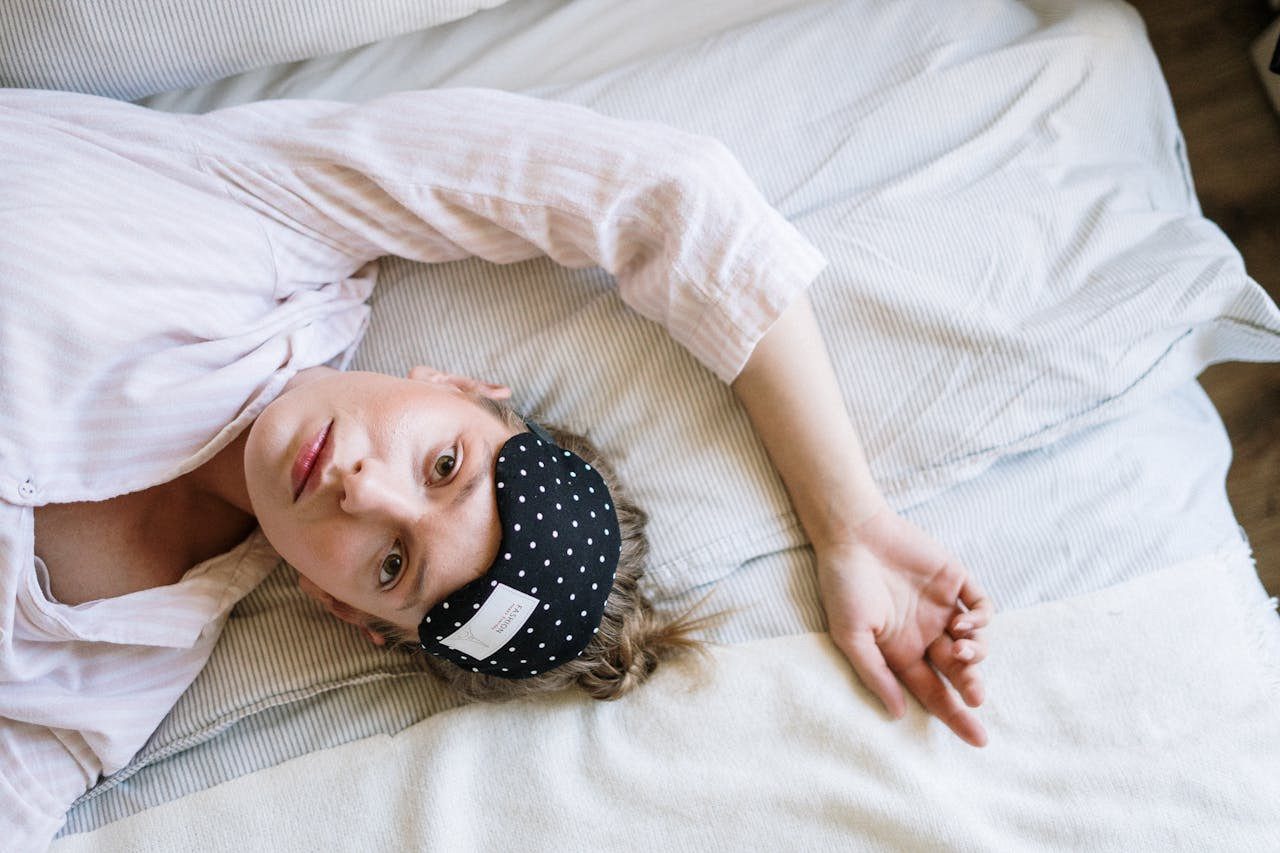
Nightcap or nightmare? Alcohol might make you feel drowsy, but it’s pretty bad for the quality of your sleep.
Alcohol might feel like the ultimate nightcap — that warm, relaxed buzz that hits after a glass (or two) of wine can make it seem like the perfect pre-bed ritual. But while alcohol can help you fall asleep faster, it actually wreaks havoc on your sleep quality once you’re out.
Here’s why: alcohol is a sedative, not a sleep aid. It slows your central nervous system down, which is why you feel drowsy after drinking. But once your body starts processing the alcohol, that relaxation turns into restlessness. It disrupts your REM cycles (aka the deep, restorative stages of sleep where your brain does all its best recovery work), meaning you’ll wake up feeling groggy, dehydrated, and not nearly as refreshed as you should.
You’re also more likely to wake up throughout the night — especially in the second half of your sleep — as your body tries to metabolize the alcohol. Add in dehydration, a racing heart, and an uptick in bathroom trips, and you’ve got the perfect recipe for a night of tossing and turning.
So while that drink might seem like a shortcut to dreamland, it’s more like a detour through the land of fragmented sleep and next-day fatigue. If your goal is restful sleep, not just knocking out, alcohol’s not your friend — and combining it with other sleep aids (like melatonin) can make things even trickier.
Short Answer: Do Melatonin and Alcohol Interact?
Yep — they definitely do. And not in a good way.
Both alcohol and melatonin affect your central nervous system, but they pull your body in opposite directions. Melatonin tells your brain, “Hey, it’s bedtime,” while alcohol confuses that signal. When you mix the two, alcohol can reduce how effectively melatonin does its job — delaying when it kicks in, shortening how long it works, and leaving you with lower-quality sleep overall.
Plus, the combo can make you feel extra groggy, dizzy, or disoriented. Think of it like trying to balance on a seesaw that’s constantly tilting — your body can’t find a steady rhythm.
There’s also the bigger safety issue: both substances can impair coordination, reaction time, and decision-making. Mixing them might not sound dangerous if you’re just heading to bed, but it increases your risk for falls, breathing problems, and even next-day drowsiness.
So basically, alcohol already makes sleep worse, and adding melatonin doesn’t cancel that out — it just complicates things further. You’re much better off skipping the nightcap and letting your body’s natural melatonin rise on its own.
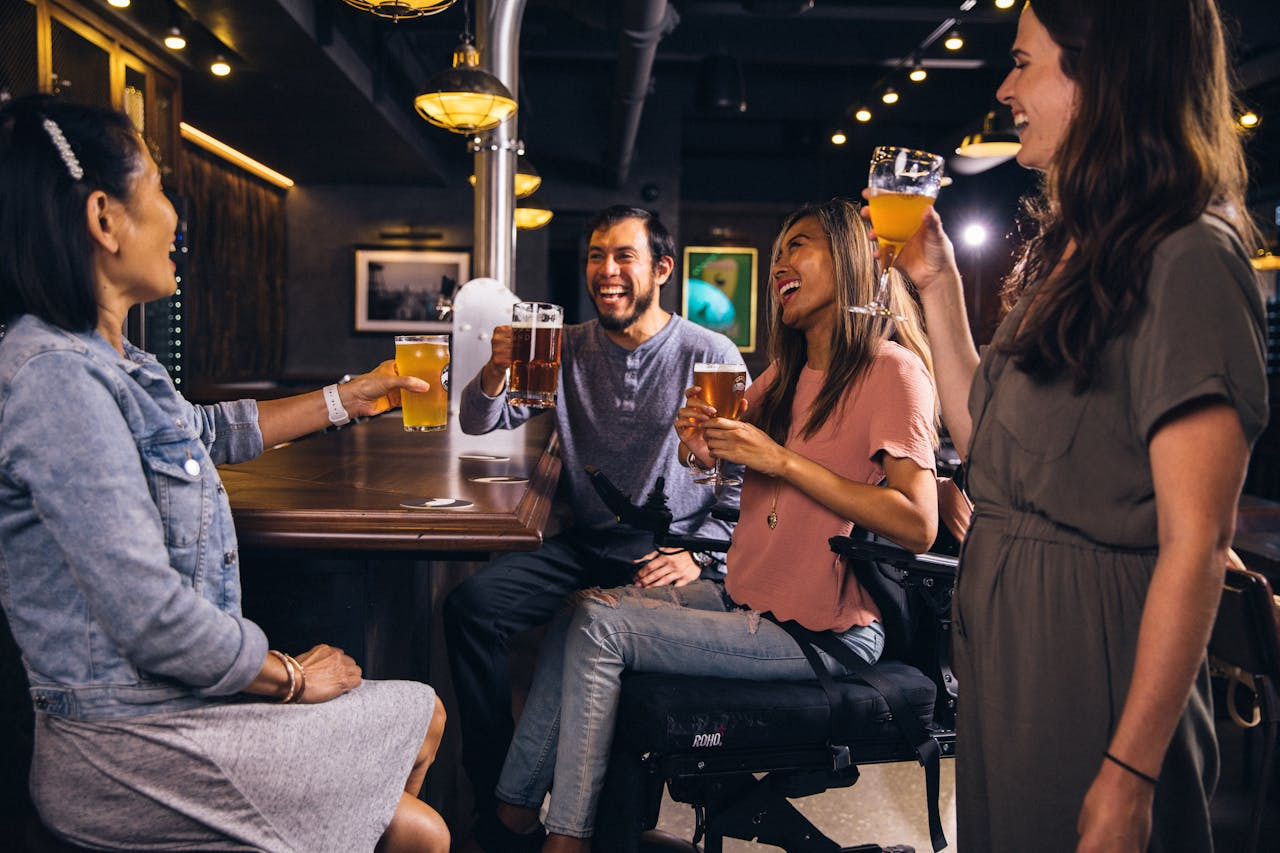
Having a couple drinks can be fun! Just keep in mind that melatonin and cocktails do not pair together like a hoppy pale ale and your favorite fried bar food.
Longer Answer: Why Mixing Melatonin and Alcohol *Isn’t* a Good Idea
Popping a melatonin after a couple of drinks might seem harmless — both make you feel drowsy, right? But when you dig into the science, it’s clear the combination can do more harm than good.
Melatonin is a hormone your pineal gland produces in response to darkness, signaling your body that it’s time to wind down. It plays a key role in regulating circadian rhythms, promoting the transition into deep, restorative sleep. Alcohol, on the other hand, is a central nervous system depressant that initially makes you feel sleepy, but it disrupts sleep architecture. Specifically, alcohol suppresses REM sleep — the stage that consolidates memory, repairs the brain, and regulates mood — while increasing lighter, fragmented sleep.
When alcohol is in your system, your body’s natural melatonin release is reduced. Research shows that drinking in the evening can delay the rise of melatonin, meaning your “sleep signal” is weaker. If you try to compensate by taking melatonin supplements, the timing can get thrown off, and your circadian rhythm may be further disrupted. Essentially, you’re asking your body to follow two conflicting signals: alcohol pushing one way, melatonin pushing another.
There’s also the metabolic side: alcohol is primarily metabolized in the liver, where melatonin is also partially processed. When your liver is busy trying to clear alcohol out of your system, it’s not as good at processing melatonin. That can cause some unpredictable side effects and sometimes exaggerated drowsiness, headaches, or grogginess the next day… making surviving that hangover even harder.
Bottom line: while it may feel like a shortcut to sleep, combining alcohol and melatonin can backfire — leaving you with poorer quality rest, a groggy morning, and a disrupted circadian rhythm. Your brain and body function best when each sleep signal is allowed to work naturally.
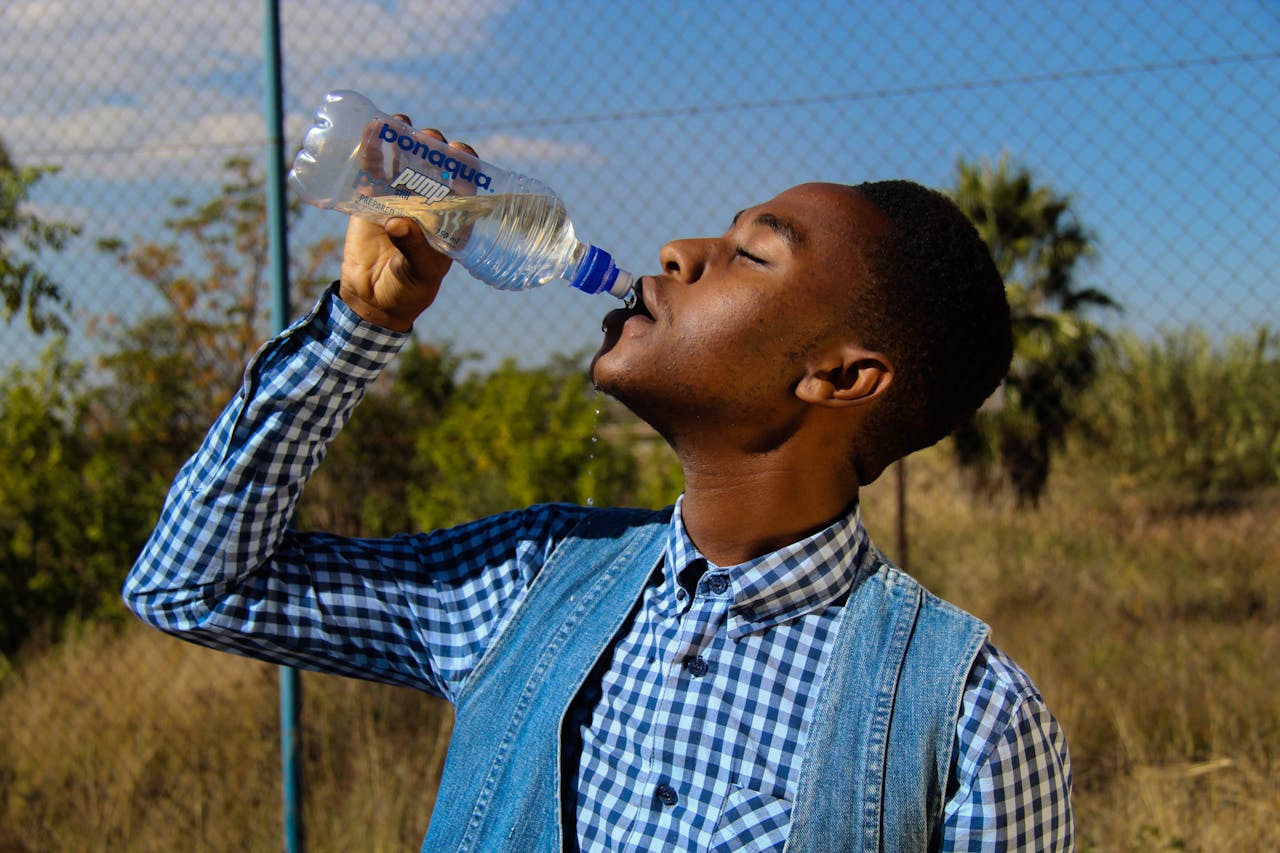
If you can drink water while drinking alcohol, your body will seriously thank you!
What to Do Instead of Mixing Alcohol and Melatonin
So, you’ve had a couple of drinks and your brain is thinking, “Melatonin, engage!” — but science says hold up. Instead of stacking alcohol and melatonin, there are smarter ways to set yourself up for a good night’s sleep without confusing your body.
1. Hydrate first. Alcohol is dehydrating, which can make you feel restless or wake up in the middle of the night. Drink water before bed to help your body recover and support more comfortable sleep.
2. Give it time. Aim to let at least a few hours pass between your last drink and bedtime. This gives your body a chance to metabolize alcohol and reduces the likelihood of its sleep-disrupting effects.
3. Stick to your usual sleep routine. Dim the lights, put away screens, and keep your bedtime consistent. This reinforces your body’s natural circadian rhythm, letting melatonin work naturally without supplementation.
4. Try non-alcoholic relaxation strategies. Gentle stretching, a warm shower, or a calming herbal tea (think chamomile or peppermint) can help you unwind and trigger sleepiness in a healthy, alcohol-free way.
5. Save melatonin for alcohol-free nights. When you’re not drinking, melatonin can be a helpful tool to reset your circadian rhythm, ease jet lag, or fall asleep on a consistent schedule.
The key takeaway? Alcohol and melatonin don’t play nicely together, but you can enjoy your evening drink without sabotaging your sleep. Give your body a little TLC after drinking, stick to natural wind-down habits, and save melatonin for when it can actually do its job. Your future well-rested self will thank you.

Getting a good night’s sleep after drinking isn’t just a dream! These simple tips will help you get plenty of rest, even if melatonin isn’t part of the routine.
Tips for Overall Healthy Sleep Habits
Getting a good night’s sleep isn’t just about popping a pill or skipping that nightcap — it’s about creating habits that tell your body it’s time to rest. Here are some tips to help you maximize your shut-eye, even on nights when life gets a little hectic.
1. Keep a consistent schedule. Going to bed and waking up at the same time every day—even on weekends—helps regulate your circadian rhythm, making it easier to fall asleep naturally.
2. Make your bedroom sleep-friendly. Dim the lights in the evening, keep your room cool, and minimize noise. Blackout curtains or a white-noise machine can make a world of difference.
3. Limit caffeine and alcohol close to bedtime. Both can disrupt sleep cycles—caffeine keeps you awake, and alcohol may knock you out initially but fragments your rest later in the night.
4. Use tech wisely. The blue light from phones, tablets, and computers can trick your brain into thinking it’s daytime. Try to switch off screens at least an hour before bed, or use night-mode settings.
5. Wind down with relaxing rituals. Gentle stretching, meditation, reading a book, or sipping herbal tea are simple ways to signal to your body that it’s time to sleep.
6. Watch what you eat and drink. Heavy meals right before bed can cause discomfort, while staying hydrated (without overdoing it) can keep sleep disruptions to a minimum.
7. Move your body during the day. Regular exercise improves sleep quality, but try to avoid vigorous workouts right before bedtime.
Healthy sleep habits are a lifestyle, not a quick fix. By prioritizing routines that support your body’s natural rhythm, you’ll find it easier to fall asleep, stay asleep, and wake up feeling genuinely refreshed… no help from melatonin or late-night brews required.
Like that couple who broke up because they’re just too much alike, alcohol and melatonin simply shouldn’t go together.
We hope you’ve found some better strategies for getting a good night’s sleep after sipping your favorite cocktail here. And for those nights when melatonin can come in handy, don’t forget to check out Dr. Emil Nutrition’s EZ Doze and Dr. Emil Nutrition’s Bedtime Burn for gentle sleep support!


