
Interest in peptide therapy has exploded over the past few years, with BPC-157 and Sermorelin becoming two of the most talked-about compounds for injury recovery, healthy aging, and performance optimization. But with that popularity comes an important question: Are peptides actually safe?
The short answer is that the answer depends on the specific peptide, the quality of the product, and whether treatment is guided by an experienced healthcare professional. While some online discussions portray peptides as miracle cures and others dismiss them entirely, the truth lies somewhere in the middle.
This article takes a balanced, physician-minded look at BPC-157 and Sermorelin: Are Peptides Safe? A Doctor's Take by separating promising scientific evidence from marketing claims and internet myths.
You'll learn how BPC-157 and Sermorelin work, what current research suggests about their safety profiles, and why product quality and medical supervision matter just as much as the peptide itself.
We'll also explain how NMN and NAD+ fit into a modern longevity strategy. Unlike peptides, NMN supports the body's production of NAD+, a critical molecule involved in cellular energy, mitochondrial function, and healthy aging. Rather than competing approaches, many longevity experts view peptides and NAD+-supporting supplements as complementary tools that target different aspects of wellness.
By the end of this article, you'll see that peptides are neither miracle drugs nor something to fear. When combined with healthy lifestyle habits, high-quality products, and appropriate medical guidance, therapies such as BPC-157, Sermorelin, and evidence-based longevity supplements may each play a valuable role in supporting long-term health and recovery.
In this article, we’ll break down:
- BPC-157 And Sermorelin FAQ
- What Are BPC-157 And Sermorelin?
- Are Peptides Safe? A Doctor's Perspective
- BPC-157 Vs. Sermorelin: Benefits And Differences
- NMN, NAD+, And Healthy Aging
- Who Should Consider Peptides And Who Shouldn't?
- Choosing Safe, High-Quality Peptide And Longevity Products

BPC-157 And Sermorelin FAQ
The Most Common Questions Patients Ask Before Trying These Popular Peptides
When discussing BPC-157 and Sermorelin: Are Peptides Safe? A Doctor's Take, these are the questions physicians hear most often.
Q: What is BPC-157?
A: BPC-157 is a synthetic peptide derived from a protein naturally found in gastric juice. It has gained attention for its potential role in supporting tissue repair, although human clinical research remains limited.
Q: What is Sermorelin?
A: Sermorelin is a growth hormone-releasing hormone (GHRH) analog that stimulates the pituitary gland to produce more natural growth hormone rather than supplying growth hormone directly.
Q: Are these peptides FDA-approved?
A: Sermorelin has been used clinically under physician supervision, while BPC-157 is not FDA-approved as a medication for general medical use.
Q: Are peptides safe?
A: Safety depends on the specific peptide, dosage, product quality, medical history, and physician oversight. Not all peptides have the same evidence supporting their use.
Q: Can BPC-157 and Sermorelin be taken together?
A: Some clinicians prescribe them together because they work through different biological pathways, but treatment should always be individualized.
Q: Who should avoid peptide therapy?
A: Individuals with certain cancers, uncontrolled medical conditions, pregnant or breastfeeding women, and anyone without appropriate medical supervision should avoid peptide therapy unless advised otherwise by their healthcare provider.
What Are BPC-157 And Sermorelin?
Understanding How These Two Peptides Work And Why They Are Often Used Together
To understand BPC-157 and Sermorelin: Are Peptides Safe? A Doctor's Take, it helps to first understand what each peptide actually does.
Peptides are short chains of amino acids that function as biological messengers throughout the body. Unlike dietary protein, these molecules send instructions that influence specific physiological processes.
BPC-157 has become popular among athletes and individuals recovering from injuries because laboratory studies suggest it may support healing processes involving tendons, ligaments, muscles, and the digestive tract. While these findings are promising, most of the strongest evidence comes from animal research rather than large human clinical trials.
Sermorelin serves a different purpose. Instead of acting directly on damaged tissue, it encourages the pituitary gland to release more of the body's own growth hormone. Growth hormone naturally supports muscle maintenance, recovery, sleep quality, metabolism, and healthy aging.
Because their mechanisms differ, some physicians may use both therapies together for carefully selected patients.
Potential areas of interest include:
- Supporting recovery after exercise or injury
- Promoting healthy body composition
- Encouraging normal tissue repair
- Supporting healthy aging under physician supervision
The key takeaway is that these peptides are not miracle cures. Their effectiveness varies from person to person, and responsible medical providers evaluate overall health, hormone status, and treatment goals before recommending them.

Are Peptides Safe? A Doctor's Perspective
Separating Scientific Evidence From Online Hype And Common Misconceptions
The question behind BPC-157 and Sermorelin: Are Peptides Safe? A Doctor's Take deserves a balanced answer rather than a simple yes or no.
In medicine, safety always depends on context.
A peptide with decades of clinical data should not be evaluated the same way as a newer research peptide with limited human evidence. Likewise, products obtained through licensed medical providers are very different from unregulated products sold online.
From a physician's perspective, the biggest safety concerns usually involve product quality rather than the peptide itself. Poor manufacturing practices, inaccurate labeling, contamination, and improper dosing all increase risk.
Responsible peptide therapy includes several important safeguards:
- Medical evaluation before treatment
- Laboratory monitoring when appropriate
- Individualized dosing
- Products obtained from reputable compounding pharmacies or licensed medical providers
- Ongoing follow-up to monitor benefits and side effects
Patients should also maintain realistic expectations. Peptides may support recovery or healthy aging, but they are not substitutes for quality sleep, exercise, nutrition, stress management, or treatment of underlying medical conditions.
When these foundational habits are neglected, even the most promising therapies produce disappointing results.
Ultimately, a physician's goal is not simply to prescribe peptides. It is to determine whether the potential benefits outweigh the potential risks for each individual. That personalized approach remains the safest path for anyone considering peptide therapy.Topic
BPC-157 Vs. Sermorelin: Benefits And Differences
Comparing Their Roles In Recovery, Performance, And Healthy Aging
Although they are frequently mentioned together, BPC-157 and Sermorelin perform very different functions.
BPC-157 is generally discussed in the context of localized healing and recovery. Researchers continue investigating its effects on connective tissue, blood vessel formation, and gastrointestinal health. Many people interested in sports medicine have become familiar with BPC-157 because of these potential applications.
Sermorelin, on the other hand, focuses on hormone optimization. By encouraging natural growth hormone production, it may help support recovery, lean muscle maintenance, exercise performance, and healthy body composition in appropriate patients.
These differences explain why many longevity clinics consider them complementary rather than interchangeable.
A simple comparison illustrates the distinction:
BPC-157
- Tissue-focused
- Recovery support
- Investigational human evidence
- Popular in injury recovery
Sermorelin
- Hormone-focused
- Growth hormone support
- Longer clinical history
- Popular in healthy aging programs
Neither peptide should be viewed as a shortcut to health.
Exercise, proper nutrition, sufficient protein intake, resistance training, and adequate sleep remain the foundation of recovery and longevity. Peptide therapy may provide additional support for carefully selected individuals, but it works best when combined with healthy lifestyle habits rather than replacing them.
A thoughtful treatment plan always considers the whole person—not just a single peptide.

NMN, NAD+, And Healthy Aging
Why Cellular Energy Matters And How NMN Helps Support NAD+ Levels Alongside A Longevity Strategy
While BPC-157 and Sermorelin: Are Peptides Safe? A Doctor's Take focuses on peptide therapy, many longevity experts also discuss NMN and NAD+ because they support entirely different aspects of healthy aging.
NAD+ is one of the body's most important molecules. Every cell depends on it for producing energy within the mitochondria, repairing DNA, supporting healthy metabolism, and maintaining normal cellular function. Unfortunately, NAD+ levels naturally decline with age.
NMN (nicotinamide mononucleotide) serves as a direct precursor that the body uses to produce NAD+. By supporting healthy NAD+ levels, NMN may help maintain cellular energy production and promote healthy aging.
Unlike peptides, NMN is a nutritional compound rather than a signaling molecule.
These approaches can complement one another:
- Peptides help direct biological signaling.
- NMN helps support cellular energy production.
- NAD+ supports mitochondrial function and normal cellular repair.
For individuals focused on longevity, many healthcare professionals view these as different pieces of the same wellness puzzle rather than competing strategies.
Although research continues to evolve, NMN has generated considerable scientific interest because supporting healthy NAD+ levels addresses one of the fundamental biological processes associated with aging. When combined with exercise, nutritious eating, quality sleep, and appropriate medical guidance, NMN may be a valuable addition to a comprehensive healthy-aging routine.
Who Should Consider Peptides And Who Shouldn't?
Understanding The Best Candidates, Important Precautions, And Medical Guidance
Peptide therapy is not appropriate for everyone.
The best candidates are typically adults who have undergone a thorough medical evaluation and have realistic expectations regarding potential outcomes.
Individuals who may benefit include those working with physicians on healthy aging, hormone optimization, recovery after injury, or improving body composition. However, treatment decisions should always be based on medical history, laboratory findings, and personal health goals rather than social media trends.
Certain individuals should exercise extra caution or avoid peptide therapy altogether unless specifically advised by a qualified physician.
Examples include people with active cancer, unexplained medical symptoms, uncontrolled endocrine disorders, or women who are pregnant or breastfeeding.
Patients should also recognize that peptides are only one component of a larger health strategy.
Long-term success is more likely when therapy is combined with consistent lifestyle habits, including regular exercise, adequate protein intake, stress reduction, and restorative sleep.
A knowledgeable healthcare provider can help determine whether peptide therapy is appropriate, identify potential contraindications, and monitor progress over time.
The safest approach is always individualized care rather than self-experimentation with products purchased from unknown sources.

Choosing Safe, High-Quality Peptide And Longevity Products
How To Evaluate Supplements And Peptide Sources For Safety, Purity, And Effectiveness
A discussion of BPC-157 and Sermorelin: Are Peptides Safe? A Doctor's Take would be incomplete without addressing product quality.
Not every peptide or supplement on the market meets the same manufacturing standards. Quality matters because purity, potency, and accurate dosing directly influence both safety and effectiveness.
For peptide therapy, physician supervision and reputable pharmacies are essential. Products obtained through licensed healthcare providers are generally subject to stricter quality controls than products purchased from unverified online vendors.
The same principle applies to longevity supplements.
Consumers interested in NMN and NAD+ support should look for companies that emphasize transparent labeling, third-party testing, and Good Manufacturing Practice (GMP) standards. High-quality ingredients and evidence-based formulations inspire greater confidence than products making unrealistic anti-aging claims.
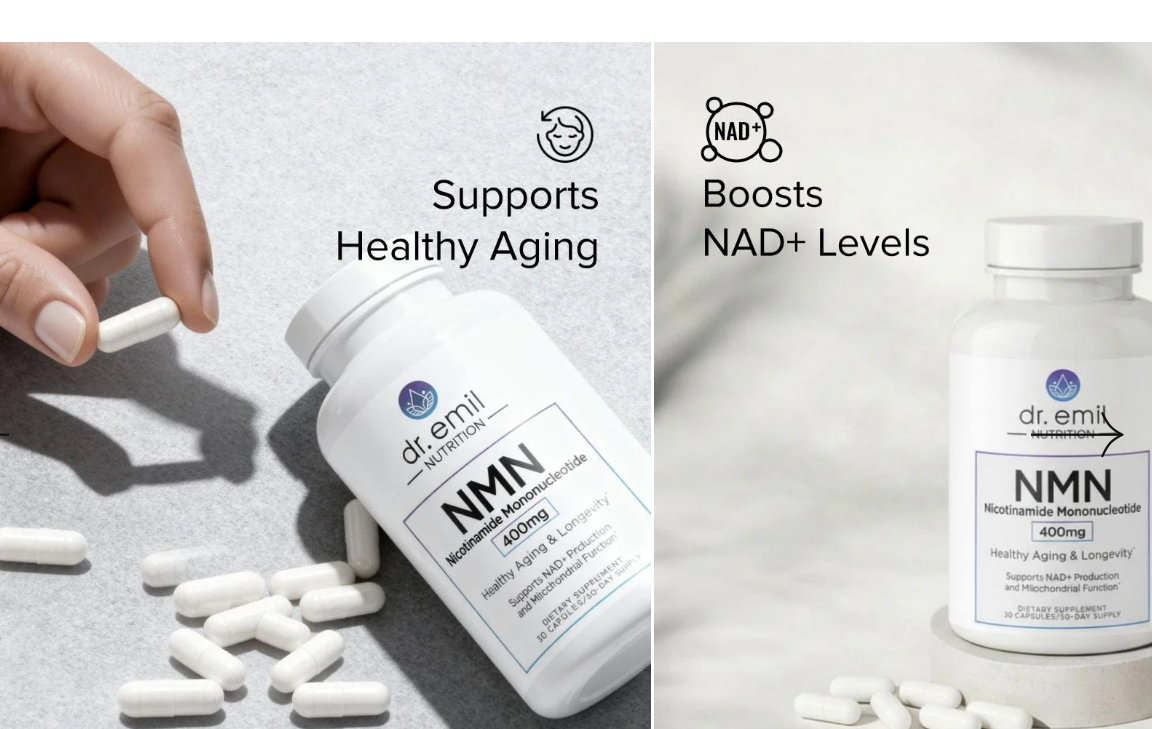
If you are looking for a great way to incorporate NMN and NAD+ into your self care routine then be sure to check out Dr. Emil’s NMN and Dr. Emil’s NAD+ Boost supplements!!!
Remember that no supplement or peptide can replace the fundamentals of good health.
The strongest longevity strategy combines regular exercise, healthy nutrition, sufficient sleep, stress management, appropriate preventive care, and scientifically supported supplementation where appropriate.
When viewed through this balanced medical lens, peptides such as BPC-157 and Sermorelin, alongside well-formulated NMN and NAD+ supplements, may become valuable tools within a comprehensive wellness plan. The goal is not to chase shortcuts, but to make informed, evidence-conscious decisions that support long-term health and healthy aging.

Making Smart, Science-Based Decisions About Peptide Therapy
Why A Comprehensive Wellness Strategy Delivers The Best Long-Term Results
After examining the available evidence, the answer to "BPC-157 and Sermorelin: Are Peptides Safe? A Doctor's Take" is more nuanced than many headlines suggest. Safety depends less on the idea of peptides themselves and more on choosing the right therapy, using quality products, and working with a qualified healthcare provider.
BPC-157 and Sermorelin have different biological roles, and for appropriate individuals they may complement one another as part of a personalized wellness or healthy-aging plan. At the same time, they should never be viewed as replacements for proper nutrition, exercise, restorative sleep, or ongoing medical care.
Supporting overall health also means looking beyond peptides alone. Maintaining healthy NAD+ levels through quality NMN supplementation may help promote cellular energy production and healthy aging through an entirely different pathway, making it a logical companion to a comprehensive longevity strategy.
Most successful long-term health plans are rarely built around a single product. Instead, they combine evidence-based therapies, healthy daily habits, and informed decision-making. By approaching peptides and longevity supplements with realistic expectations and a commitment to quality, you can make choices that support your health today while investing in healthier years ahead.