
As more people turn to Mounjaro for weight management and metabolic health, questions about potential side effects have become increasingly common. One concern that continues to gain attention is: Does Mounjaro Cause Hair Loss?
The most accurate answer is that Mounjaro does not appear to directly damage hair follicles or cause permanent hair loss. However, some individuals may experience temporary hair shedding while using the medication, particularly when significant or rapid weight loss occurs. This type of shedding is often associated with a condition called telogen effluvium, where physical stress, reduced calorie intake, or changes in nutrient availability temporarily shift more hair follicles into a resting phase.
The conclusion of this article is that hair shedding during Mounjaro use is usually related to the body’s adjustment to weight loss rather than the medication directly harming hair growth. With proper nutrition, adequate protein intake, healthy lifestyle habits, and targeted supplementation when appropriate, many individuals can support healthy hair while continuing their weight loss journey.
In the sections ahead, this article will explain the difference between medication-related effects and weight-loss-related shedding, explore the science behind telogen effluvium, discuss how nutrition influences hair growth, and examine supplements that may help provide additional support.
You will also learn what hair recovery typically looks like and when increased shedding may require medical evaluation. By understanding the connection between Mounjaro, weight loss, and hair biology, you can make informed decisions while supporting both your health goals and your long-term hair health
In this article, we’ll break down:
- Frequently Asked Questions About Mounjaro And Hair Loss
- Does Mounjaro Directly Cause Hair Loss? Understanding The Evidence
- Telogen Effluvium Explained: Why Rapid Weight Loss Can Trigger Hair Shedding
- How To Protect Your Hair While Taking Mounjaro
- Mounjaro Hair Loss Recovery: Will Your Hair Grow Back?
- Supplements For Hair Support During Mounjaro Weight Loss
- When To See A Doctor About Mounjaro-Related Hair Loss
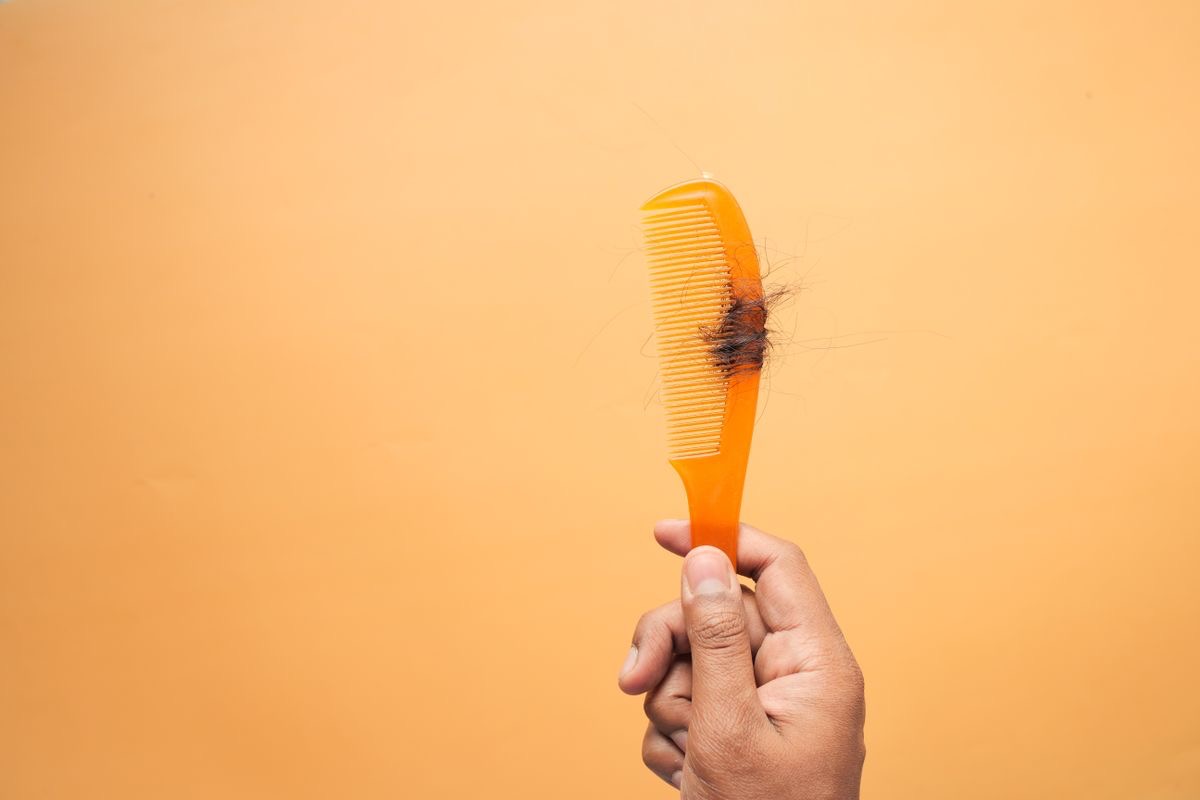
Frequently Asked Questions About Mounjaro And Hair Loss
Understanding The Connection Between Weight Loss Medication And Changes In Hair Growth
Q: Does Mounjaro cause hair loss?
A: Mounjaro (tirzepatide) is not believed to directly damage hair follicles. However, some people taking Mounjaro report increased hair shedding, which is often associated with rapid weight loss, reduced calorie intake, or changes in nutrient intake rather than the medication itself.
Q: How common is hair loss with Mounjaro?
A: Hair loss is not considered one of the most common effects of Mounjaro, but hair shedding has been reported in people using weight loss medications. This appears to be more related to the body's response to significant weight changes.
Q: Why can weight loss cause hair shedding?
A: Rapid weight loss can place physical stress on the body. This stress may cause more hair follicles to enter the resting phase of the hair cycle, leading to temporary shedding known as telogen effluvium.
Q: Is Mounjaro-related hair loss permanent?
A: In many cases, hair shedding related to weight loss is temporary. Once the body stabilizes and nutritional needs are met, normal hair growth cycles often resume.
Q: How long does hair shedding from weight loss usually last?
A: Telogen effluvium typically develops several months after a triggering event and may continue for several months before gradually improving.
Q: Can supplements help support hair health while taking Mounjaro?
A: Supplements such as collagen peptides, biotin, zinc, vitamin D, and other nutrients may support healthy hair when nutritional gaps exist. However, supplements work best as part of a balanced diet.
Q: Should I stop taking Mounjaro if I notice hair loss?
A: Hair shedding should be discussed with a healthcare provider before making medication changes. In many cases, the underlying cause can be addressed without stopping treatment.
The question “Does Mounjaro Cause Hair Loss?” is becoming increasingly common as more people use this medication for blood sugar management and weight loss. The most accurate answer is that Mounjaro does not appear to directly cause permanent hair loss, but the rapid weight loss associated with its effects may trigger temporary shedding in some individuals.
Understanding the difference between medication effects and the body's response to weight loss is essential. The following sections explore the science behind hair shedding, nutritional strategies for maintaining strong hair, and when professional evaluation may be necessary.
Does Mounjaro Directly Cause Hair Loss? Understanding The Evidence
Separating Medication Effects From The Body’s Response To Weight Loss
As more people use Mounjaro for weight management, concerns about side effects have naturally increased. One of the most frequently searched questions is, “Does Mounjaro Cause Hair Loss?” The answer requires looking closely at how the medication works and how the body responds to rapid changes in weight.
Mounjaro is a medication that activates GLP-1 and GIP receptors, helping regulate appetite, blood sugar, and feelings of fullness. These effects can lead to significant weight loss for many users. While hair loss is not considered a primary mechanism of the medication, some individuals experience increased shedding during periods of rapid weight reduction.
Hair growth depends on a delicate balance of hormones, nutrients, and cellular activity. When the body experiences a major physical change—such as losing a large amount of weight quickly—it may temporarily prioritize essential functions over processes like hair production.
This does not mean Mounjaro damages hair follicles. Instead, hair shedding may represent the body adapting to a period of physiological stress.
Factors that may contribute include:
- Reduced protein intake due to decreased appetite
- Lower overall calorie consumption
- Rapid changes in body weight
- Nutritional deficiencies during dieting
- Physical stress from major lifestyle changes
The encouraging news is that this type of shedding is often temporary. Many people who experience weight-loss-related hair changes see improvement once their weight stabilizes and nutritional intake becomes adequate.
For individuals using Mounjaro, maintaining sufficient protein, consuming nutrient-dense foods, and supporting overall wellness can help create the best environment for healthy hair growth while continuing their weight management journey.

Telogen Effluvium Explained: Why Rapid Weight Loss Can Trigger Hair Shedding
Understanding The Hair Growth Cycle Behind Temporary Hair Loss
One of the most important concepts when discussing “Does Mounjaro Cause Hair Loss?” is understanding telogen effluvium. This condition is one of the most common reasons people experience noticeable shedding after major physical changes, including rapid weight loss.
Hair naturally moves through several phases: growth, transition, resting, and shedding. Under normal conditions, most scalp hairs remain in the active growth phase. However, when the body experiences significant stress, more hairs can prematurely shift into the resting phase, known as telogen.
Several months later, those hairs may begin shedding at an increased rate. This delay is why someone may notice hair loss after they have already lost significant weight.
Rapid weight loss can trigger telogen effluvium because the body may experience:
- Lower calorie availability
- Reduced protein intake
- Changes in nutrient status
- Increased physical stress
Protein is especially important because hair is primarily made from keratin, a protein structure that requires adequate amino acids. When appetite decreases significantly, some individuals may unintentionally consume less protein than their hair requires for optimal growth.
The good news is that telogen effluvium is generally considered reversible. Once the triggering factor is addressed and the body returns to a more stable state, follicles typically resume normal growth patterns.
Supporting hair during weight loss may include prioritizing protein-rich meals, maintaining adequate micronutrient intake, and considering targeted supplements such as collagen peptides when appropriate. Collagen provides amino acids that support connective tissues and may complement a broader hair-support strategy.
Understanding this mechanism helps explain why Mounjaro-associated hair shedding is usually not a sign of permanent follicle damage, but rather a temporary response to rapid body changes.
How To Protect Your Hair While Taking Mounjaro
Nutrition And Lifestyle Strategies To Support Healthy Hair Growth
For people using Mounjaro, protecting hair health begins with supporting the body's nutritional needs. Because reduced appetite is one of the medication's intended effects, some individuals may unintentionally consume fewer calories and nutrients than before.
Hair growth requires consistent access to protein, vitamins, minerals, and energy. When weight loss occurs too quickly or nutritional intake becomes limited, the body may redirect resources toward essential functions, potentially contributing to temporary shedding.
A strong hair-support strategy while taking Mounjaro includes focusing on:
- Adequate daily protein intake
- Nutrient-dense whole foods
- Strength training to preserve muscle
- Proper hydration
- Consistent sleep
Protein deserves special attention because hair follicles require amino acids to produce keratin. Individuals experiencing appetite changes may benefit from planning protein-rich meals or using convenient sources of high-quality protein when needed.
Collagen supplementation is another option many people consider for supporting hair, skin, and connective tissues. Collagen peptides provide amino acids that contribute to the body's structural proteins. While collagen is not a guaranteed treatment for hair loss, it may complement a nutrient-focused approach.
Other commonly used hair-support nutrients include biotin, zinc, vitamin D, and iron when deficiencies exist. However, more is not always better. Excessive supplementation can sometimes create imbalances, making targeted nutritional support preferable.
The goal is not to fight the weight loss process but to help the body adapt in a healthy way. By maintaining adequate nutrition and supporting overall wellness, individuals taking Mounjaro can improve their chances of preserving healthy hair while achieving their health goals.
Mounjaro Hair Loss Recovery: Will Your Hair Grow Back?
What To Expect During The Return To Healthy Hair Growth
A major concern behind the question “Does Mounjaro Cause Hair Loss?” is whether shedding will eventually stop. For most people experiencing weight-loss-related hair changes, the outlook is positive. Temporary shedding caused by telogen effluvium often improves once the body adapts and nutritional needs are restored.
Hair growth is naturally slow, which means recovery requires patience. Because hair follicles operate on a delayed cycle, improvements may not appear immediately after correcting the underlying trigger.
Many people notice that shedding begins to decrease as weight stabilizes and the body receives consistent nutrition. New growth may then become visible over time.
Factors that may influence recovery include:
- The speed and amount of weight loss
- Overall nutritional status
- Protein intake
- Stress levels
- Individual genetics
It is also important to avoid unnecessary panic. Seeing more hair in a brush or shower can be alarming, but temporary shedding does not necessarily mean permanent thinning.
Supporting recovery involves maintaining healthy habits rather than searching for a single quick fix. Adequate protein, balanced nutrition, stress management, and supportive supplements such as collagen peptides may help provide the building blocks needed for healthy hair structure.
However, if shedding continues for an extended period, becomes severe, or occurs with other symptoms, professional evaluation is recommended. Another underlying condition may be contributing.
For many Mounjaro users, hair shedding is a temporary chapter during a significant health transformation—not an indication that healthy hair cannot return.
Supplements For Hair Support During Mounjaro Weight Loss
Understanding Which Nutrients May Help Maintain Stronger Hair
When exploring “Does Mounjaro Cause Hair Loss?,” it is important to consider the nutritional factors that influence hair growth. While supplements cannot guarantee prevention of shedding, they may provide valuable support when dietary intake does not fully meet the body's needs.
Collagen supplements have become increasingly popular because collagen provides amino acids involved in connective tissue structure. Since hair is primarily composed of keratin, adequate amino acids from overall protein intake remain essential.
Biotin is another well-known hair nutrient. It plays a role in normal energy metabolism and keratin production, although supplementation is most beneficial for individuals with inadequate levels.
Other nutrients commonly associated with hair health include:
- Zinc, which supports normal follicle function
- Vitamin D, which plays a role in many cellular processes
- Iron, especially when deficiency contributes to shedding
- Protein, which provides the building blocks of hair
The most important principle is addressing actual nutritional needs. Taking high doses of unnecessary supplements is unlikely to create better results and may sometimes cause problems.
For individuals using Mounjaro, the foundation should remain a balanced diet with sufficient calories and protein. Supplements can act as a helpful addition, especially during periods when appetite changes make meeting nutritional goals more challenging.
A thoughtful approach combines medical guidance, healthy eating, and targeted supplementation when appropriate. This strategy supports not only hair health but also overall wellness during the weight loss journey.
When To See A Doctor About Mounjaro-Related Hair Loss
Recognizing Warning Signs That Require Professional Evaluation
Although temporary hair shedding can occur during rapid weight loss, not all hair loss should automatically be attributed to Mounjaro. Knowing when to seek medical advice is an important part of protecting long-term hair health.
A healthcare provider can help determine whether shedding is related to weight loss, nutritional deficiencies, hormonal changes, medication effects, or another underlying condition.
Professional evaluation may be appropriate if you experience:
- Sudden or severe hair loss
- Patchy bald spots
- Scalp irritation, redness, or pain
- Hair loss continuing longer than expected
- Symptoms of nutrient deficiencies
- Other unexplained health changes
A doctor may evaluate factors such as iron status, thyroid function, vitamin levels, and overall nutritional intake. This is especially important because several medical conditions can mimic weight-loss-related shedding.
The answer to “Does Mounjaro Cause Hair Loss?” is usually more complex than simply blaming the medication. A healthcare professional can help identify the true cause and determine whether adjustments to nutrition, supplementation, or treatment are needed.
For many individuals, Mounjaro represents an important step toward improved metabolic health. Supporting hair health alongside that journey involves awareness, proper nutrition, and timely medical guidance when needed.
By understanding what is normal and what requires attention, individuals can continue pursuing their health goals while protecting one of the most visible signs of overall wellness—healthy hair.

Supporting Hair Health During Your Mounjaro Journey
Why Understanding The Cause Of Hair Shedding Leads To Better Solutions

Recommended by Dr. Emil
Multi Collagen Plus Biotin & Vitamin D
Biotin for keratin production, multi-collagen peptides for amino acid availability and scalp connective tissue, and Vitamin D — three of the key nutritional pillars for hair support during rapid weight loss. Doctor-formulated, third-party tested for label accuracy and potency.
Shop NowThe question “Does Mounjaro Cause Hair Loss?” is understandable for anyone noticing changes in their hair while using this medication. However, current evidence suggests that Mounjaro itself is unlikely to be directly responsible for permanent hair loss. Instead, temporary shedding is often connected to the body’s response to rapid weight loss, reduced calorie intake, and changes in nutritional status.
This type of shedding, known as telogen effluvium, is generally a temporary process. As the body adapts, weight stabilizes, and nutritional needs are met, normal hair growth cycles often resume. Patience is important because hair recovery happens gradually, and visible improvements may take several months.
Supporting healthy hair while taking Mounjaro begins with the fundamentals: consuming enough protein, maintaining a nutrient-rich diet, staying hydrated, managing stress, and prioritizing overall wellness. Supplements such as collagen peptides, biotin, zinc, vitamin D, or other targeted nutrients may provide additional support when nutritional needs are not fully met.
The most important step is understanding the difference between expected temporary shedding and signs that require professional evaluation. Persistent, severe, or unusual hair loss should always be discussed with a healthcare provider to identify potential underlying causes.
Ultimately, Mounjaro can be an important tool for improving health, and protecting hair health does not have to conflict with achieving weight loss goals. By supporting the body during periods of change, individuals can pursue better health while maintaining the conditions needed for strong, healthy hair growth.