Sleep can feel deceptively simple: just close your eyes, right? But anyone who struggles with insomnia, frequent wake-ups, or restless nights knows it’s far from that easy. Poor sleep doesn’t just leave you groggy—it affects focus, mood, metabolism, and even long-term brain health.
And while good sleep hygiene is essential, sometimes your brain needs a little extra support to calm down and settle into a restorative rhythm.
That’s where nootropics come in. While they’re often talked about for focus or memory, certain compounds can also support relaxation, stress regulation, and circadian rhythm—all critical pieces of the sleep puzzle. The goal isn’t sedation or “knockout” effects; it’s about giving your nervous system the tools to wind down naturally and recover efficiently.
Of course, nootropics aren’t a cure for chronic insomnia, and they’re not a replacement for professional guidance. But research suggests that specific amino acids, herbal compounds, and nutrients may gently support your body’s natural sleep processes, making it easier to fall asleep, stay asleep, and wake up feeling refreshed.
- What nootropics are and how they can support better sleep
- How sleep physiology and stress systems interact with anxiety and insomnia
- Key brain pathways involved in rest and relaxation, including GABA, melatonin, and circadian regulation
- Research-backed nootropics that may help you fall asleep faster, stay asleep longer, and feel more restorative sleep
- How to use nootropics safely and effectively as part of a holistic sleep routine
What Are Nootropics… and What Do They Have to Do with Sleep?
When most people hear the word “nootropics,” they think about focus, productivity, or mental performance. But at their core, nootropics are simply compounds that support brain function—and sleep is one of the most important brain-driven processes there is.
When it comes to sleep, nootropics aren’t about forcing your body to shut down or sedating the nervous system. Instead, they support the systems that help the brain transition from alertness to rest. Many sleep-focused nootropics are nutrients, amino acids, or plant compounds that play a role in calming neurotransmitters, stress regulation, and circadian rhythm.
Some help promote GABA activity, the brain’s primary calming signal. Others support melatonin production or help reduce nighttime cortisol levels so your nervous system can step out of “fight or flight” mode. A few work more indirectly by quieting mental chatter—the racing thoughts that tend to show up the second the lights go out.
That distinction matters. Unlike traditional sleep medications, which often override natural sleep architecture, nootropics aim to support sleep without forcing it. Their effects tend to be subtle and cumulative, building doover time rather than delivering an immediate knockout effect.
Think of nootropics as setting the stage for sleep—dimming the lights, lowering the noise, and letting your brain do what it already knows how to do.
Why Nootropics May Help With Sleep
Sleep problems usually aren’t caused by a lack of sleepiness—they’re caused by a nervous system that can’t fully shut off. Many people feel physically exhausted at night but mentally alert, stuck in a state of low-level vigilance that makes falling asleep difficult and staying asleep even harder.
One of the most common underlying issues is hyperarousal. When the brain remains overstimulated, neural activity stays high well into the evening. This can suppress calming neurotransmitters like GABA, which are essential for quieting the brain and initiating sleep. Nootropics that support GABA activity may help reduce this nighttime overactivation, making it easier for the brain to transition into rest.
Circadian rhythm disruption is another major factor. Sleep timing depends on consistent melatonin signaling, but stress, artificial light exposure, and irregular schedules can weaken that signal. When melatonin release is delayed or blunted, the brain misses its cue to wind down.
Certain nootropics support circadian regulation, helping reinforce the body’s natural sleep–wake cycle rather than overriding it.
Stress hormones also play a role. Elevated nighttime cortisol keeps the nervous system in “alert mode,” even when there’s no immediate threat. Adaptogenic nootropics may help regulate the stress response, allowing cortisol levels to fall appropriately in the evening and clearing the path for deeper sleep.
Finally, poor sleep quality is often tied to overall brain health. Inflammation, nutrient deficiencies, and inefficient neural signaling can all interfere with restorative sleep stages. By supporting these underlying processes, nootropics may help improve not just sleep duration, but sleep depth and recovery.
Research-Backed Nootropics for Sleep
Melatonin
Melatonin is the hormone that regulates your circadian rhythm, signaling to the brain that it’s time to wind down. Supplemental melatonin may be especially helpful for people with delayed sleep timing, frequent travel, or irregular schedules. Rather than acting as a sedative, melatonin helps align the body’s internal clock, making it easier to fall asleep at a more natural time.
L-Theanine
L-Theanine promotes relaxation without sedation by increasing alpha brain wave activity and supporting calming neurotransmitters. For sleep, it’s particularly useful for quieting mental chatter and reducing nighttime restlessness. People who feel tired but mentally “on” at bedtime may find L-theanine helps create a smoother transition from wakefulness to sleep.
Magnesium (Glycinate or L-Threonate)
Magnesium supports nervous system balance, muscle relaxation, and neurotransmitter regulation. Deficiency is common and has been linked to poor sleep quality and increased nighttime awakenings. Forms like magnesium glycinate or L-threonate may support deeper, more restorative sleep while also helping reduce physical tension that interferes with relaxation.
GABA (or GABA-Enhancing Compounds)
GABA is the brain’s primary inhibitory neurotransmitter and plays a central role in calming neural activity. Supporting GABA signaling may help reduce overthinking and nighttime anxiety, making it easier to fall and stay asleep. While individual responses vary, GABA-focused supplements are often used to promote relaxation without next-day grogginess.
Ashwagandha
Ashwagandha is an adaptogenic herb that supports stress regulation by helping modulate cortisol levels. Elevated cortisol at night can disrupt sleep onset and reduce sleep quality. Research suggests ashwagandha may help promote more restorative sleep by calming the stress response and supporting nervous system recovery over time.
Valerian Root
Valerian root has a long history of use as a sleep-supporting herb. It’s believed to interact with GABA receptors, helping promote relaxation and improve sleep continuity. Valerian may be especially helpful for people who have trouble staying asleep or who wake frequently during the night.
5-HTP
5-HTP is a precursor to serotonin, which plays a role in mood regulation and melatonin production. By supporting serotonin levels, 5-HTP may help improve sleep onset and overall sleep quality. It’s often considered for people whose sleep issues are closely tied to stress, mood, or nighttime rumination.
Natural Nootropic Supplements for Better Sleep
Intrigued? We are too. Lots of nootropics have been part of traditional medicine practices for centuries, but modern research seems to confirm that they might be a powerful tool in getting better sleep.
If you want to include nootropics in your sleep routine, there are several ways to do it. Several of the compounds above, like L-Theanine and Magnesium, can be found in foods you might already have in your pantry, like leafy green vegetables, certain types of healthy mushrooms, seeds, nuts, and grains.
But if you’re looking for a more concentrated boost, or trying to get some of the nootropics you’re less likely to find in the grocery store into your diet, supplements can be a great way to go. Luckily, you don’t have to search through all of the nootropics out there that promise they’ll give you your best night’s sleep alone.
We’ve checked dosages and ingredients, read the reviews and tried out the options, to bring you our list of the best nootropics for better sleep on the market. So without further ado, here are our findings.
Dr. Emil Nutrition Elite Lion's Mane Mushroom Plus
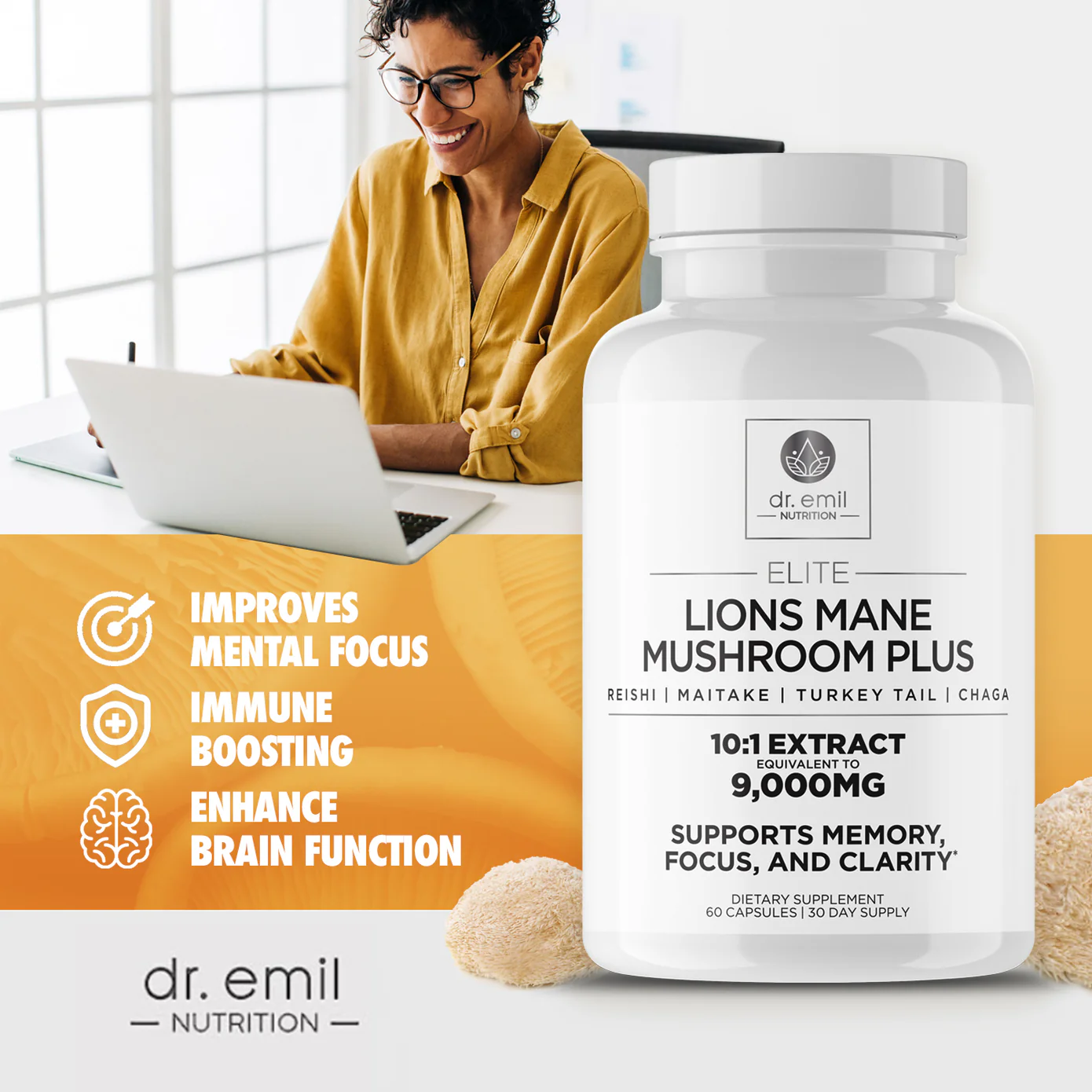
Lion’s Mane is a superstar in the nootropic world. It’s well-known for providing a powerful cognitive boost and providing serious anxiety relief, two traits which make it one of the best nootropic mushrooms for sleep.
This doctor-created formula relies on 900mg of highly concentrated Lion’s Mane extract (which is equivalent to 9,000mg of raw mushroom powder) to provide a big benefit in a couple of convenient little capsules. But the supporting cast is just as impressive as Lion’s Mane itself. The supplement also incorporates other therapeutic mushrooms – chaga, maitake, reishi, and turkey tail – to provide balanced, complementary support.
This combination addresses multiple aspects of anxiety and sleep difficulty, with Reishi providing direct calming effects, Lion's Mane supporting cognitive clarity to reduce rumination, and the remaining mushrooms targeting inflammation and immune balance that are often responsible for stress responses that can leave us lying awake at night. If you ever feel like you simply can’t “turn your brain off” at the end of the day no matter how tired you are, this formula offers multi-faceted support that could put those issues to bed.
Shop Dr. Emil's Elite Lion's Mane Mushroom Plus >>
Dr. Emil Nutrition Mushroom Complex
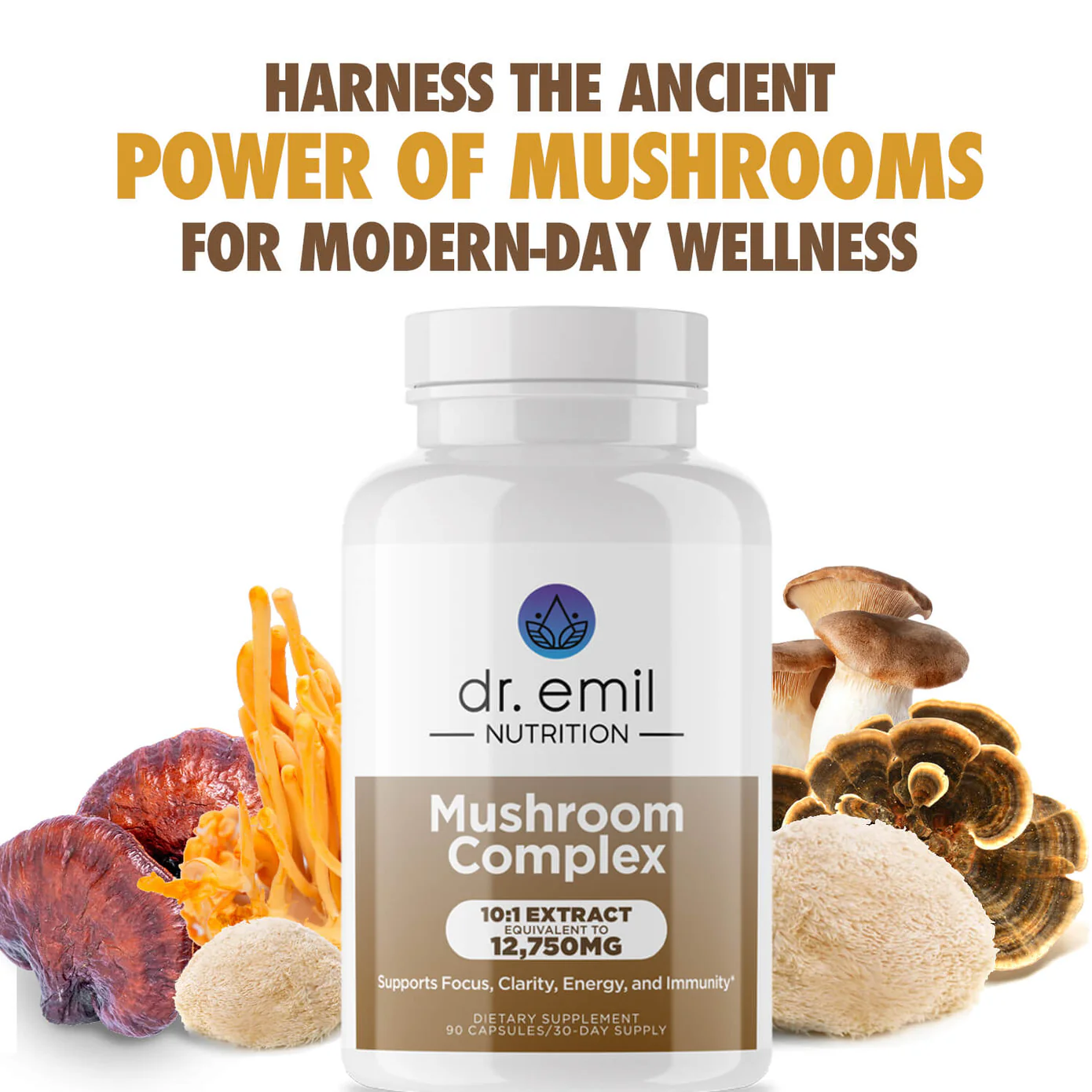
Another offering for Dr. Emil Nutrition that can help you harness the power of nootropics for your best night’s sleep is Mushroom Complex. It includes the same powerful mushrooms as Lion’s Mane Elite, but in slightly lower doses and with additional other therapeutic mushrooms in the mix to provide broader cognitive support instead of specifically targeting a single issue.
This formula combines eight powerful fungi: Lion's Mane, Agarikon, Chaga, Cordyceps, Maitake, Shiitake, Reishi, and Turkey Tail. Each mushroom brings unique anxiety-fighting properties, Reishi and Lion's Mane directly address stress responses and cognitive function, while Cordyceps provides balanced energy without the jitters that can trigger anxiety.
Agarikon is another powerful addition. This ancient and rare mushroom offers immune reinforcement that helps address the physical manifestations of chronic anxiety. What makes this complex particularly valuable for anxiety sufferers is its adaptogenic nature, helping the body respond more appropriately to stressors throughout the day. Users report not only reduced anxiety symptoms but also improved energy balance and cognitive resilience when facing challenging situations.
Shop Dr. Emil Nutrition’s Mushroom Complex >>
Montkush True Sleep Full Spectrum Hemp Gummies
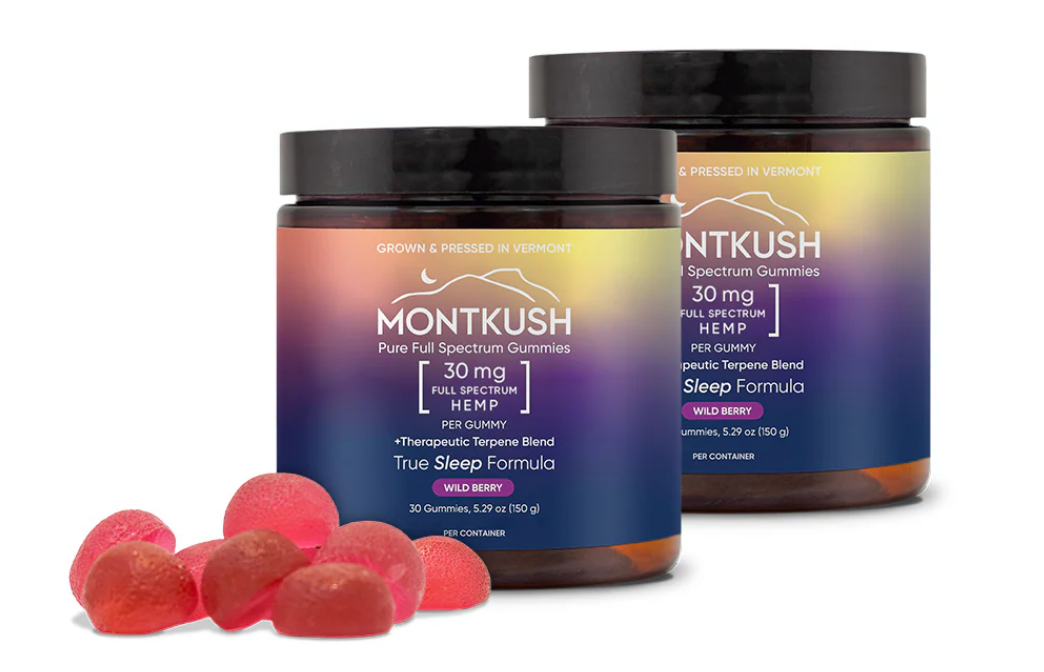
Hemp extracts are another popular option when it comes to sleep and relaxation support. Unlike other types of hemp products, the full-spectrum hemp extracts in the True Sleep gummies do not contain psychoactive compounds. They’re compliant at the federal level with regulations on hemp products, but when shopping for supplements containing cannabinoids it’s always best to double check your state or country regulations.
Explore True Sleep Hemp Gummies >>
AGZ Nightly Sleep Support
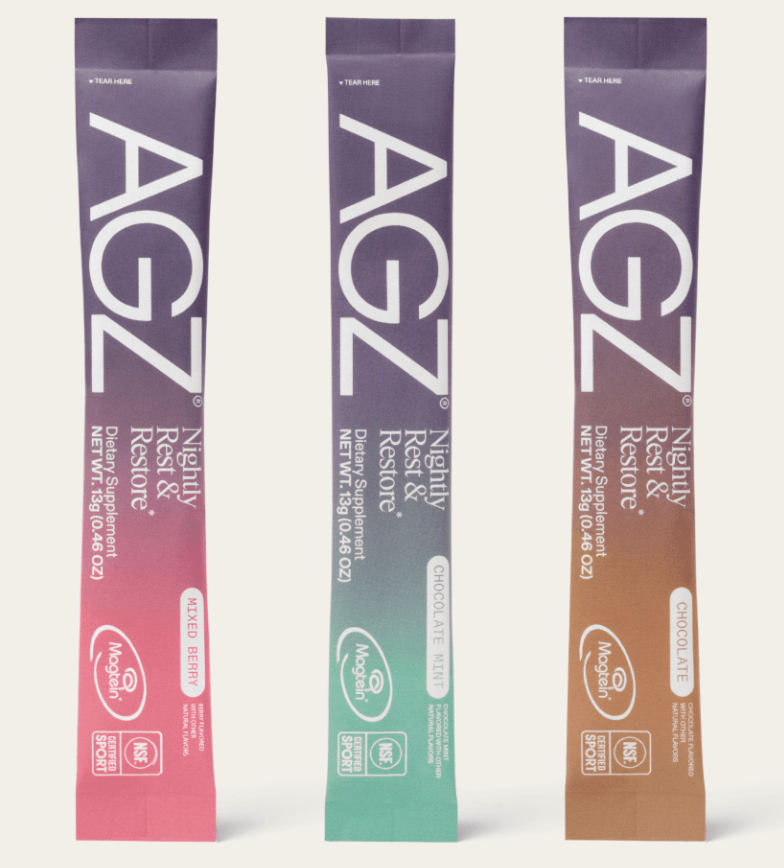
Want to sip your supplement instead? AGZ offers a number of daily health drink mixes, including the very popular AG1. Their sleep formula AGZ promises to create a smooth drink when added to water or milk that helps cue your body that it’s time to unwind and go to sleep.
Explore AGZ Nightly Sleep Supplements >>
vibrants Good Night Bio-Frequency Patches
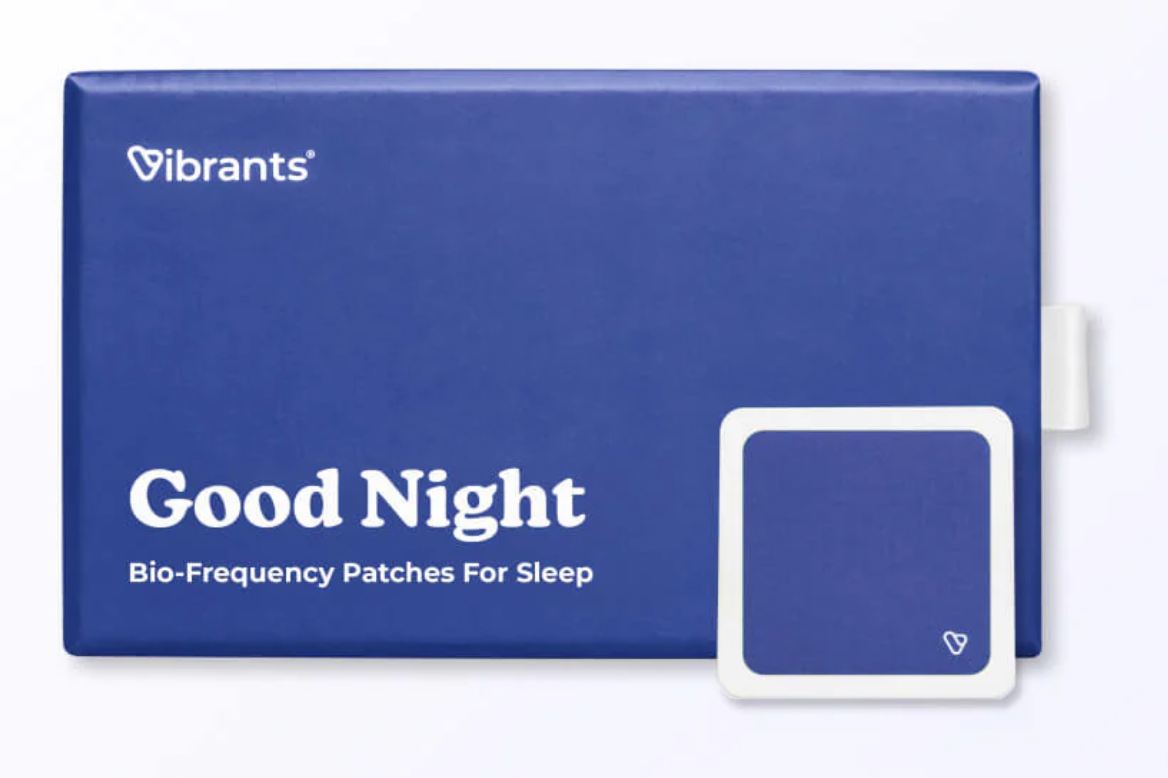
No ingredients, no side effects, non-addictive – that’s the promise behind vibrants. These patches are imprinted with natural energy (electrons) using resonant frequencies to support your body’s sleep balance.
Explore vibrants Good Night patches >>
Stasis Day & Night Set
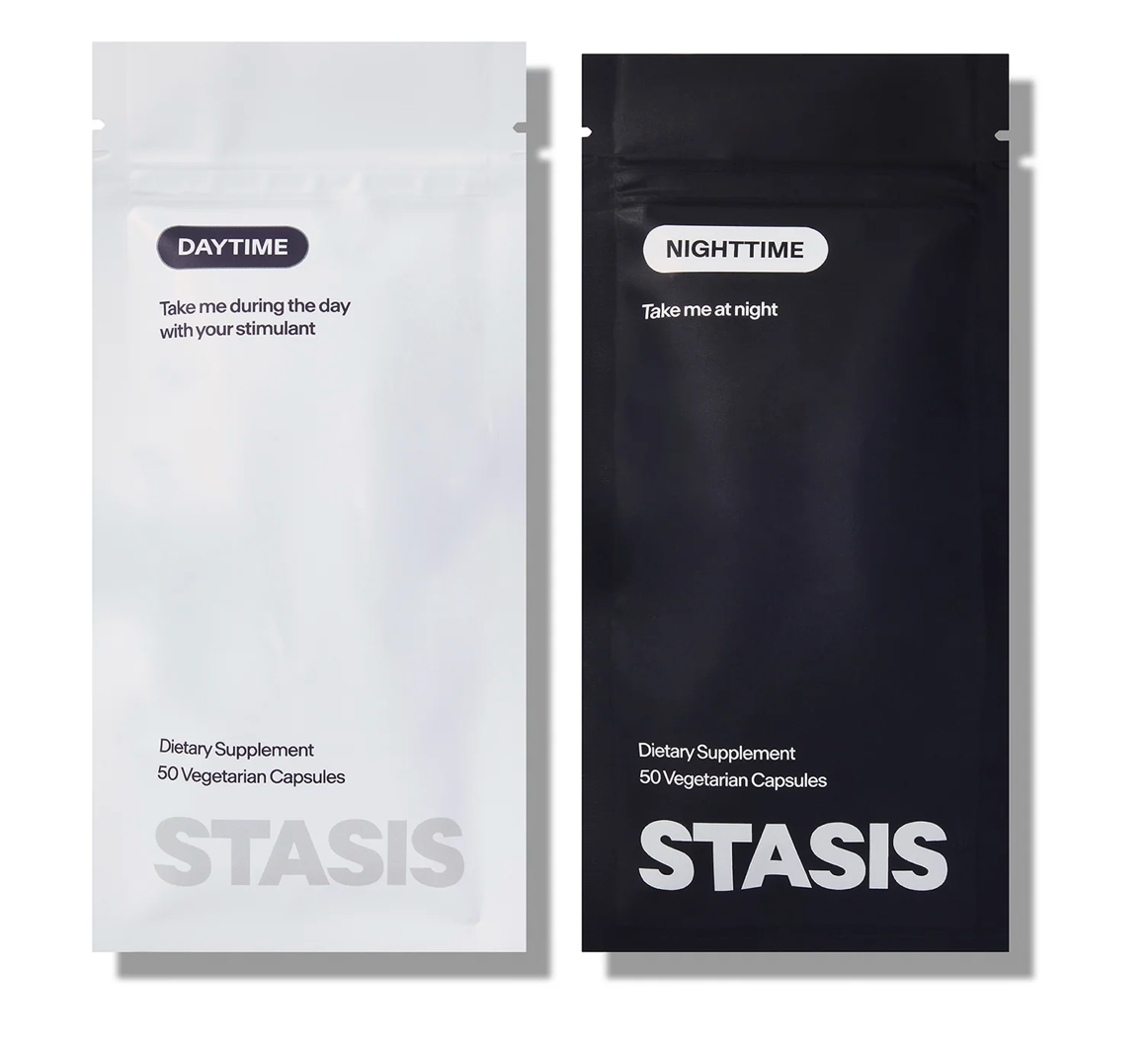
Looking for all day and all night support? Stasis’s supplements come in pairs, with one using nootropics to keep you up during the daytime and the other designed to help calm you back down in the evening.
Explore Stasis Day & Night set >>
Dr. Emil Nutrition EZ Doze
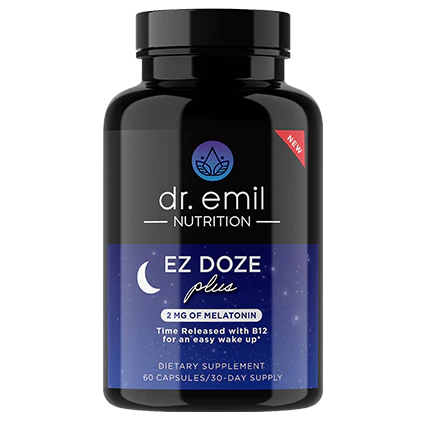
Looking for a melatonin supplement that won’t leave you groggy the next morning? Dr. Emil is back with a revolutionary formula. It includes melatonin to help you get the rest you need, but time-released B-12 also starts energizing you as morning approaches so that you wake up feeling refreshed, energized, and ready to take on the day.
Shop Dr. Emil Nutrition EZ Doze >>

That’s a wrap on the best nootropics for sleep.
We hope these options help you improve your sleep and feel better throughout the day. Check back to the blog soon for the latest wellness news, but until then… sweet dreams! 😴