Nootropics – sometimes called smart drugs or cognitive enhancers – can improve focus, memory, and mental clarity, but their safety depends on the type, dosage, and your individual health profile. While some nootropics have decades of research backing them, others are newer, less studied, or marketed with exaggerated claims.
People take nootropics for a variety of reasons: to power through work, improve learning, manage stress, or enhance overall brain health. But with the rise of online supplement shops and flashy marketing, it can be hard to know which products are safe and which carry hidden risks.
Today we’ll break down the safety of nootropics, explore potential side effects, explain what science says about their effectiveness, and provide practical tips for using them responsibly. By the end, you’ll have a clear understanding of whether nootropics are right for you—and how to choose them wisely.
Understanding Nootropics: What They Are and How They Work
Nootropics are substances—both natural and synthetic—designed to enhance cognitive function. That can mean improving focus, memory, creativity, or even mental stamina.
Now, the name nootropics might sound exotic, and some of them are certainly less common. But lots of the most common nootropics are things you’ve probably consumed or seen on your grocery store shelves, like caffeine, L-theanine, ginkgo biloba, omega-3 fatty acids, and prescription compounds like modafinil.
How they work depends on the type:
- Neurotransmitter support: Some nootropics increase the availability of key brain chemicals, like dopamine or acetylcholine, which are essential for focus and memory.
- Blood flow and oxygenation: Others improve cerebral circulation, delivering more oxygen and nutrients to the brain.
- Neuroprotection: Certain compounds help protect neurons from oxidative stress and inflammation, potentially supporting long-term brain health.
- Energy metabolism: Some nootropics enhance mitochondrial function or energy availability in brain cells, giving you that mental “boost” during demanding tasks.
It’s important to note that not all nootropics are created equal. The effectiveness of a supplement depends on factors like dosage, individual biology, and even lifestyle habits like sleep, diet, and stress management. While some are backed by solid research, many rely on preliminary studies, traditional usage, or anecdotal evidence.
Are Nootropics Safe? What You Need to Know
When it comes to nootropics, safety depends on the type, dosage, frequency, and your individual health. Some nootropics are naturally occurring and generally well-tolerated, while others – particularly prescription nootropics – carry more risks. Let’s break it down.
Common Natural Nootropics
Caffeine + L-Theanine

One of the most widely used cognitive stacks. Caffeine increases alertness and energy, while L-theanine, an amino acid found in tea, promotes calm focus and reduces jitteriness. Generally safe in moderate doses (200–400 mg caffeine per day for most adults), though excessive intake can cause anxiety, insomnia, or elevated heart rate.
Omega-3 Fatty Acids

Found in fish oil and algae supplements, omega-3s support brain cell structure and reduce inflammation. Side effects are usually mild – things like a fishy aftertaste or mild digestive upset – but high doses can increase bleeding risk in some people.
Since omega-3s are typically derived from fish, you can also run into the same risks in taking too much omega-3 as you can putting too much fish on your plate, including potential mercury exposure. That’s why it’s important to choose supplement providers who are reputable and quality tested. Reputable brands will typically control for mercury levels, leaving you with a safe product, but less well-known brands may not.
Ginkgo Biloba

Often taken to support memory and circulation. Most people tolerate it well, though mild headaches, digestive issues, or dizziness can occur. You should definitely avoid ginkgo balboa if you’re on blood-thinning medications.
Nootropic Mushrooms

Lion’s Mane, Reishi, and Cordyceps are gaining popularity for cognitive and mood support. These wellness-boosting mushrooms typically come in concentrated supplements – and thankfully, the significant mental boost comes with pretty mild potential side effects.
For the most part, the biggest risks associated with taking nootropic mushroom supplements are mild digestive symptoms like nausea.
🦁 Lion’s Mane may stimulate nerve growth factor (NGF), potentially supporting memory and neurogenesis. Mild digestive upset is the most common side effect.
🍄 Reishi is primarily used for immune support and stress reduction. Generally safe, though it can cause dry mouth or mild stomach upset.
👟 Cordyceps may support energy and endurance. Side effects are rare but can include mild gastrointestinal issues.
Safety of Synthetic and Prescription Nootropics

Modafinil / Armodafinil
Prescription drugs used for narcolepsy and wakefulness. They are effective for focus and alertness but can increase heart rate, blood pressure, or anxiety, and are not recommended for those with certain cardiovascular conditions.
Racetams (Piracetam, Aniracetam, etc.)
Popular in the nootropic community for memory support. Evidence is mixed, and side effects – headaches, anxiety, or gastrointestinal discomfort – are possible. Long-term safety data is limited.

How to Add Nootropics to Your Routine the Safe Way
Nootropics are often marketed as “brain boosters” or cognitive enhancers, promising sharper focus, better memory, and increased mental energy. But with so many options—from natural compounds and mushrooms to synthetic or prescription formulations—it’s natural to wonder: are they safe? The answer depends on the type of nootropic, dosage, frequency, and your individual health profile. While many natural options are generally well-tolerated, others carry risks if misused. Here’s what you need to know to use nootropics safely and effectively.
- Start Low, Go Slow: Begin with the smallest effective dose and monitor your body’s response. Even natural compounds can have side effects at higher doses. Gradually increasing allows you to find the sweet spot without overstimulation or digestive upset.
- Check Interactions: Nootropics can interact with prescription medications, particularly blood thinners, antidepressants, stimulants, and sleep aids. Always check with your healthcare provider before combining supplements with prescription drugs.
- Quality Matters: Supplements aren’t tightly regulated by the FDA, so purity and potency vary widely. Look for brands that are third-party tested, have clear ingredient lists, and provide transparency about sourcing and manufacturing practices.
- Lifestyle First: Sleep, hydration, balanced nutrition, and regular exercise have a larger impact on brain health than any single supplement. Nootropics should complement—not replace—healthy habits.
- Cycling & Timing: Some compounds, like caffeine or racetams, can lose effectiveness if taken continuously. Consider cycling (taking breaks periodically) and timing your doses to avoid tolerance, dependency, or sleep disruption.
- Watch for Side Effects: Keep a journal of any new symptoms, mood changes, or digestive issues. Common side effects include headaches, jitteriness, insomnia, or mild gastrointestinal upset. If these occur, reduce the dose or discontinue use.
- Individual Variation: Your age, metabolism, genetics, and overall health can influence how you respond. What works for one person might not work—or could even be harmful—for another.
Staying informed, starting conservatively, and monitoring your response are the best ways to safely explore the benefits of cognitive enhancers.

Nootropic Mushroom Supplements That Belong on Your Shelf
If you’re interested in getting the most nootropic bang for your buck, nootropic mushroom supplements should definitely be on your radar. Dr. Emil Nutrition’s entire catalog of wellness supplements is doctor formulated by Dr. Emil himself to be safe and effective, so you know you’re getting a physician approved addition to your wellness routine.
PS - Dr. Emil is proud to create formulations that are safe and effective for most people. It’s always important to double check with your doctor before adding a supplement to your regimen because your doctor will know your specific situation the best. Together, you can make choices that help you reach your goals and maximize safety at the same time. So please give them a call!
Dr. Emil Nutrition Mushroom Complex
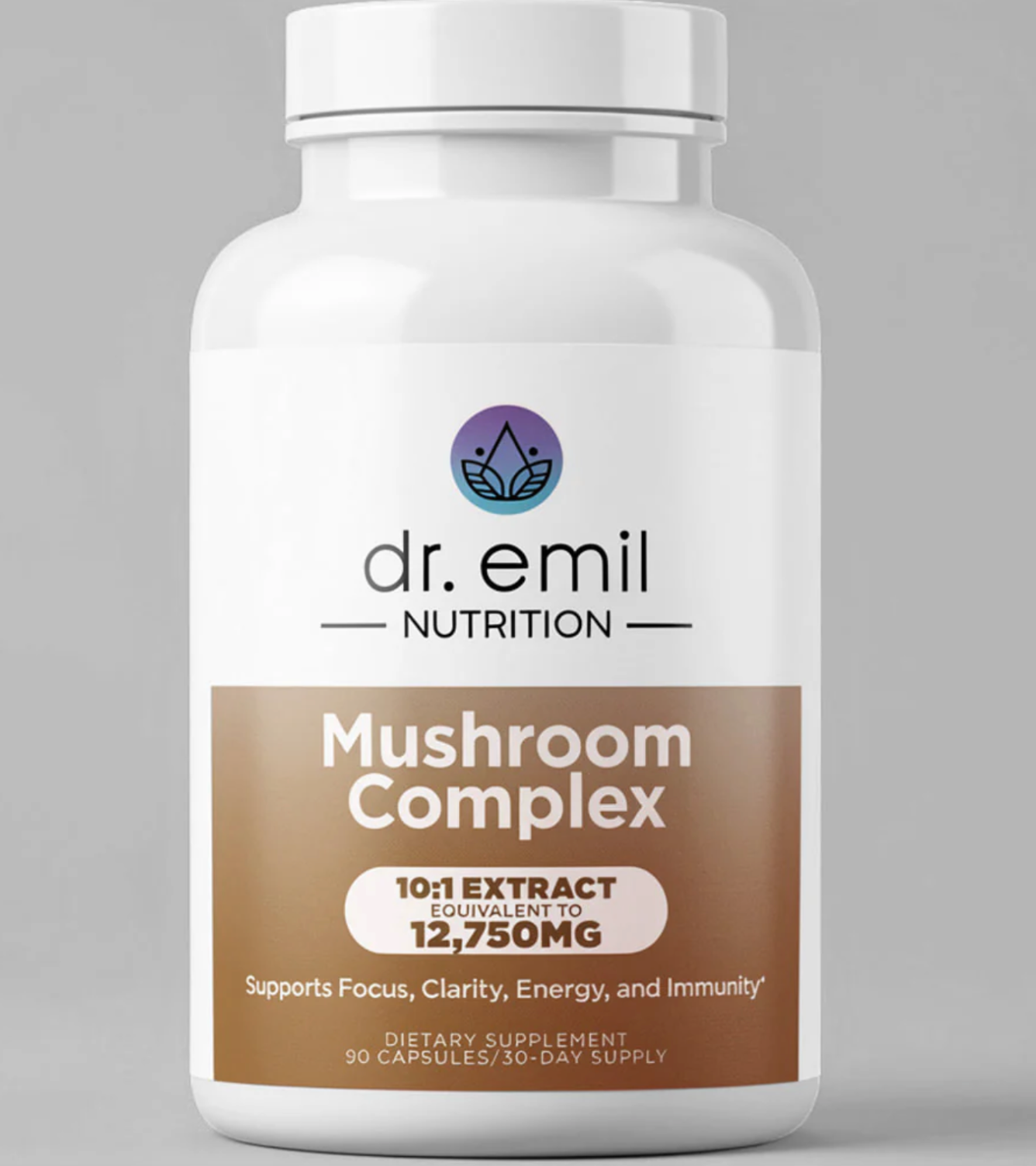
Remember all of those powerful nootropic mushrooms we just talked about? Well, Dr. Emil Nutrition’s Mushroom Complex is like a who’s who of the best nootropic mushrooms available. It contains ten mushrooms, each offering their own benefits:
- Chaga for immune health
- Reishi for its adaptogenic properties
- Lion’s mane for cognitive enhancement
- Cordyceps for energy support
- Turkey tail for gut health
- Shiitake for lots of antioxidants
- Maitake for digestive support
- King Trumpet for fiber
- Agarikon for immune health
- Antrodia for immune health
Together, this supplement contains a harmonious blend of some of the most powerful wellness-boosting mushrooms in nature… backed by modern science to support the needs of modern people. Free of soy, fillers, hormones, and GMOs, this nourishing blend is third-party tested and packed with the nootropics that can safely give your body a boost, without the extra junk you don’t need.
This supplement is perfect for anyone looking for a simple, single supplement that offers a broad range of support.
Dr. Emil Nutrition Elite Lions Mane Plus

Mushroom Complex is a great option for broad wellness support, but if you’re looking for something with a greater focus on providing mental clarity, you’ll want to check out Elite Lion’s Mane Plus.
Dr. Emil’s Elite Lions Mane Mushroom Plus contains the most powerful memory and focus boosting nootropic mushrooms, including:
- Lions Mane
- Reishi
- Maitake
- Turkey tail
- Chaga
This formulation is highly potent, so you can maximize the benefit from these powerhouse fungi. Each dose of two capsules is packed with 900mg of Lion’s Mane Mushroom Extract, standardized at a 10:1 ratio, giving you the equivalent of 9000mg of Lion’s Mane Mushroom Powder. But the blend of these mushrooms goes beyond cognition and immunity. Experience holistic benefits including better energy levels, mood balance, and overall vitality.
Most natural nootropics are safe for healthy adults in moderate doses.
Nootropics might be trending right now, but chances are, you’ve been taking some of them for years. Common nootropics include everyday compounds like caffeine and omega-3 fatty acids, which you can likely find in your kitchen right now!
However if you’re interested in safely maximizing the benefit of nootropics in your life, nootropic mushroom supplements are a great starting point to explore. With highly concentrated doses of powerful nootropics that provide mental, immune, and digestive support in just a few easy-to-take capsules, they’re an easy and effective way to include nootropics in your routine after you and your doctor have decided it’s the right option for you.
We hope this article has helped answer your questions on the safety of nootropics. The short answer is yes! For most people, it’s safe to add nootropics to a holistic wellness routine. But like any other supplement or routine change, it’s always safest to check with your medical provider to make sure it’s the right choice for you.
Stay safe and be well! 🌱