


More people than ever have been focusing and trying to better their mental health, especially with the current climate we live in. Things can be so overwhelming, never slowing down enough to catch our breaths, and with the landscape of social media on our tails it feels as though turning to distraction has been a more popular route for dealing with these feelings.
NAMI (the National Alliance on Mental Illness) recently reported via a SAMHSA study that “23.4% of U.S. adults experienced mental illness in 2024 (61.5 million people). This represents more than 1 in 5 adults.” That is a huge and intimidating number to hear. Trying to find ways to help with your anxiety and/or depression can be so difficult, especially when it takes over our minds so wildly.
Of course one of the most popular forms of mitigation is medication, specifically a SSRI like lexapro. While others have been hesitant to try or start that because of its potential many side effects. That leads us into looking at more natural methods like supplements, or more specifically 5-HTP, a “mood boosting” capsule that’s been said to possibly have the same intended benefits of a SSRI, just with less side-effects. Today we’re going to be taking a look at 5-HTP vs. Lexapro, one of the more popular SSRIs on the market.
- 5-HTP and Lexapro: What are they?
- How does 5-HTP and Lexapro work?
- 5-HTP vs. Lexapro: What is more effective?
- A 5-HTP Supplement to Consider
Dr. Emil knows that everyone’s body is different, what works for some, may not work for others. It’s all about finding the right balance for you. So keep that in mind as you read on about 5-HTP, lexapro, and its effects on the body.
5-HTP and Lexapro: What are they?
Before we compare 5-HTP and Lexapro together, we’re going to take a mini deep dive into what they are and how exactly they work in our bodies.
5-HTP:
5-HTP (5-hydroxytryptophan) serves as a precursor agent to the chemical many of us strive for and adore: serotonin. 5-HTP is made from tryptophan, an amino acid that is converted into both serotonin and melatonin. The process itself happens in your brain and central nervous system.
5-hydroxytryptophan is made naturally in the body but can also be found through external sources like supplements and plants. There’s a plant called the Griffonia simplicifolia which is native to the tropical parts of West Africa and Central Africa, and its seeds are harvested for 5-HTP.
Lexapro and SSRI(s):
Lexapro is one of the most common forms of SSRIs which stands for selective serotonin reuptake inhibitors. It is a subset of medication used to most commonly treat from moderate to severe depression, but it isn’t the only thing SSRIs treat. Other conditions like Generalized Anxiety Disorder (GAD), Obsessive Compulsive Disorder (OCD), Post-traumatic Stress Disorder (PTSD), and more all can be lessened, treated, etc.with SSRIs.
Lexapro (escitalopram), prozac (fluoxetine), and zoloft (sertraline) are definitely the “top three” in the SSRI world. They are considered the most “safe” antidepressants as the reported side-effects are less than other antidepressants.
Lexapro “is approved for the treatment of major depressive disorder (MDD) and generalized anxiety disorder (GAD),” amongst other mental health disorders and conditions.
How does 5-HTP and Lexapro work?
Now that we know what it does for the body, let’s next talk about how they work.
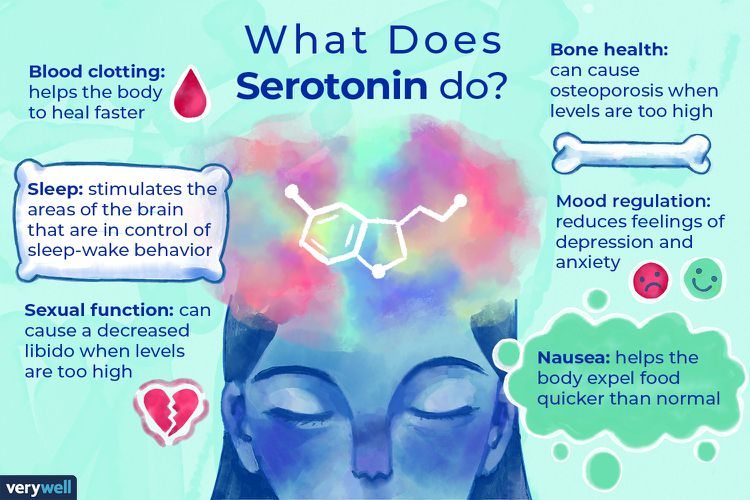
Serotonin is like the popular girl at school that everyone actually likes, not just pretends to like. It is a neurotransmitter, a neurotransmitter is your body's chemical messenger that carries signals from one nerve cell to the other.
It regulates so much of our body and mind’s functions like our mood, behavior, digestive system, bone health, blood clotting, and sexual health. Another name you might be familiar with is melatonin, which is also converted from serotonin, and that helps regulate our circadian rhythms (the system that helps us sleep and wake up.
We know now that 5-HTP is a part of the process in making serotonin, but how does lexapro, and SSRI’s in general fit in?
Well, going back to the actual process of how serotonin works, “after carrying a signal between brain cells, serotonin usually is taken back into those cells, a process called reuptake.” This means that your brain might not be utilizing your serotonin to its potential, but SSRIs block reuptake. By blocking this process, serotonin is more readily available to zip around in your brain and remain active for longer periods of time.
SSRIs and lexapro only use effective serotonin, hence the “selective” part in selective serotonin reuptake inhibitors, which means your other neurotransmitters will continue doing what they do without any interference.
5-HTP will effectively increase the rate of how much serotonin is generated in the body, and SSRI is the mechanism used to block reuptake and allow the chemical to stick around for longer.
5-HTP vs. Lexapro: What is more effective?
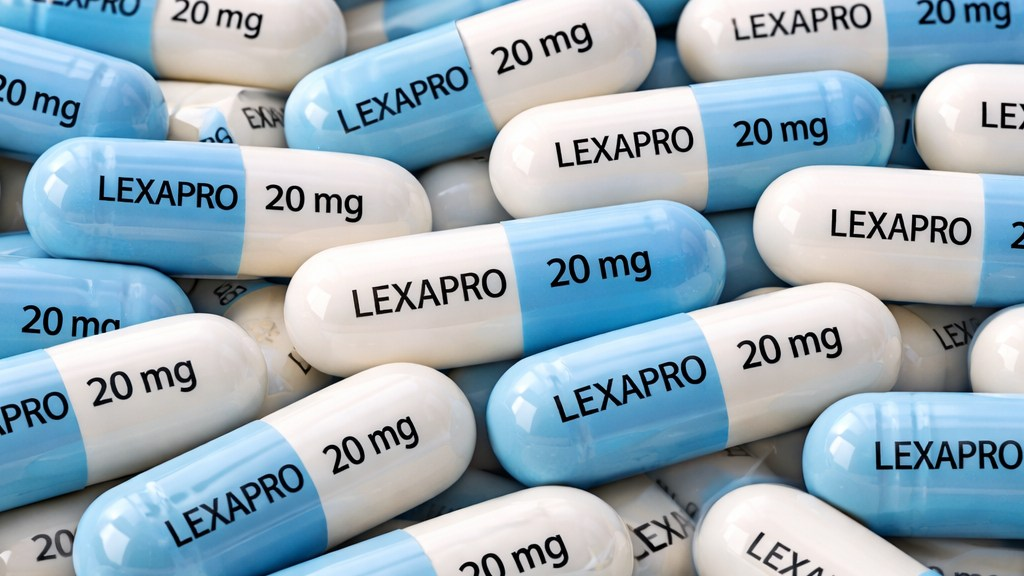
Comparing the effectiveness of 5-HTP and Lexapro can be debated for a long time, truly, and we can’t state this enough: everyone’s body and mind is different. Taking away from the discussion of 5-HTP vs. Lexapro for a second, choosing a SSRI that works for you is tricky itself. Some have their preferences, while others visibly see noticeable unsatisfying side effects from one type of SSRI against another. So navigating that world is complicated in its own right.
But when we’re bringing up lexapro specifically and its effectiveness against 5-HTP, research, clinical studies, and reports have shown that overall a SSRI is generally more effective than a 5-HTP supplement. Drugs.com did a report showing 5-HTP versus Lexapro, which showed some advantages over the other.
There is also a lot of hassle that can come with getting prescribed by a doctor. With health insurance not being a guarantee in this country, and potentially not being covered by it in the first place, it may not be affordable for your situation. Plus, unlike supplements, potential side-effects of SSRIs like lexapro cause nausea, diarrhea, headaches, sweating, decreased libido, weight loss/gain, anxiety, and shakiness.
As for 5-HTP, there isn’t a whole lot of conclusive evidence on whether taking 5-HTP supplements is a guaranteed effective solution to treating depression symptoms, but from what limited research is out there, there have been more than a couple studies that show "moderate improvement” in those areas.
So although more potent, lexapro can come with certain risks, and you might want to look into different alternatives like the 5-HTP supplement to treat your depression symptoms before committing to an SSRI.
It is important for anyone who’s considering taking any kind of supplement, drug, or vitamin, not just 5-HTP and/or lexapro, to talk to your doctor or a trusted healthcare professional. Even more so if you are already taking a medication that could directly influence said supplement or drug. By consulting a professional they can take in account current or future blood tests and give you the best advice on dosages tailored to your specific needs.
A 5-HTP Supplement to Consider
If you aren’t ready to bite the bullet on choosing Lexapro but want to try other more natural methods of treating your depression, anxiety, sleep, etc. then we can point you to one of three Dr. Emil Nutrition’s 5-HTP supplements.
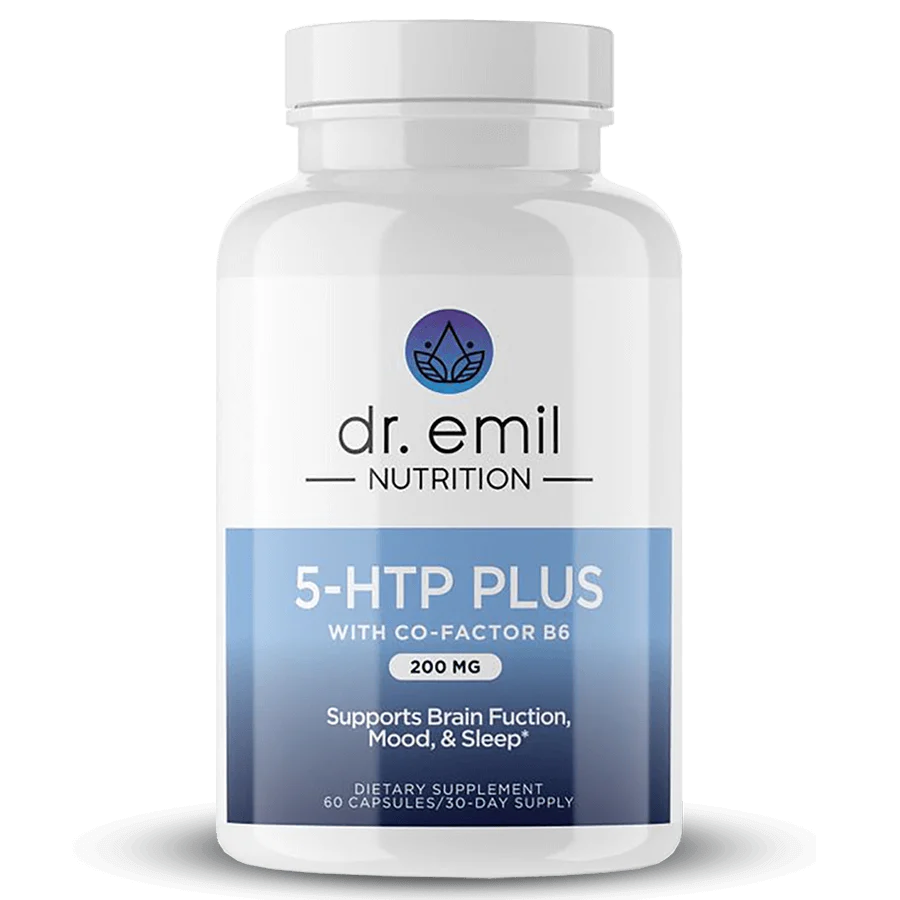
200MG 5-HTP PLUS which is pictured above, has 60 capsules for a 30-day supply, (recommended to take twice daily for thirty days, or you can choose their 200MG 5-HTP PLUS - 60 Day Supply that has 120 capsules). This is paired great if you have additional serotonin synthesizers like SAMe and L Tryptophan, which will assist in the conversion between 5-HTP and serotonin, increasing the effectiveness of the 5-HTP Plus formula. This is co-factored with a high dosage of B6 that will help improve the intended results of 5-HTP.
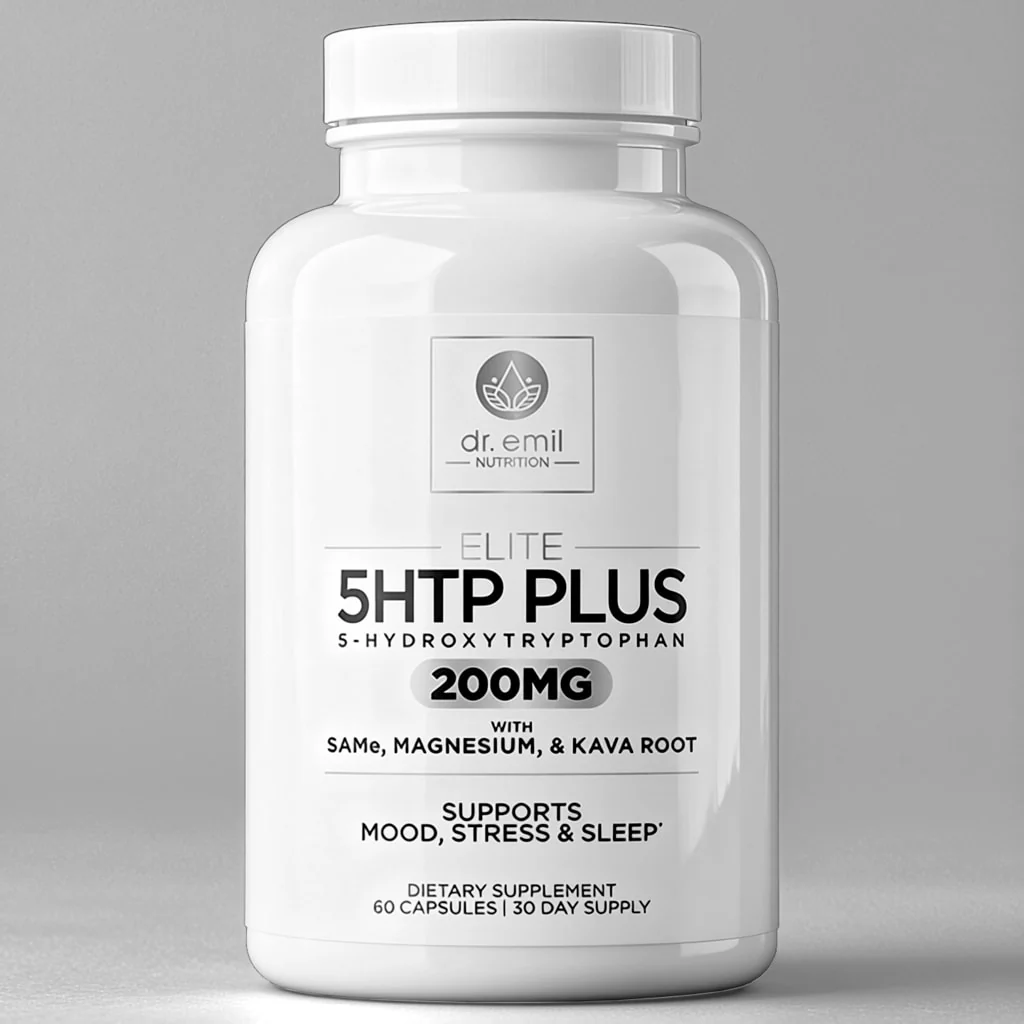
Elite 5-HTP Plus also has 60 capsules for a 30-day supply, but this time the formula is slightly different as it combines 5HTP, Magnesium, Kava Root, and SAMe all in one supplement. Paired with Magnesium which is a mineral known for its relaxation properties, Kava Root known for its calming effects, and SAMe (S-Adenosyl Methionine) (and Vitamin B6 (Pyridoxine) which supports mental clarity and focus, you might just get the most bang for your buck here.
Why Us: Dr. Emil Nutrition has been featured in acclaimed news and health publications organizations like CNN, The Guardian, and Men’s Health, and has had countless testimonials backing the quality of his products. Using his both medicine and Sports + Exercise Science degrees, his knowledge has led him to create a space that makes holistic health and happiness accessible for not just select persons, but everyone. With a range of supplements covering anything from a good night's sleep, to energy and cognitive boosts, and immune support, you’ll be able to rely on his online stores and major retailers like CVS to get you what you need.
Conclusion: 5-HTP vs. Lexapro
Now that we know what 5-HTP and Lexapro are, how they work in the body, and the measure of their effectiveness, let’s end with a few quick-fire questions so you can safely start your journey into the world of mood-boosters.
Can I take 5-HTP and Lexapro together?
No. It is advised by healthcare professionals that you should not take 5-HTP and lexapro together. You could go into risk of having serotonin syndrome, which is when you have too much serotonin in the body and it can cause a myriad of symptoms like confusion, increased heart rate, and stomach issues. You should always consult your doctor if you are considering taking a supplement and SSRI together.
Should I take 5-HTP or Lexapro?
Talk to your doctor and see what they think, but in general trying supplements first is something we would recommend as it comes with a lower cost and can potentially help you without the risk of repeated trial and error in case lexapro doesn’t work out for you.
What is more effective, 5-HTP or Lexapro?
Lexapro in general has proven to be more effective than 5-HTP supplements but body chemistry varies from person to person and what might work for the “majority” might not work for you.
Both 5-HTP and Lexapro have their advantages and disadvantages but each can potentially offer a solution to depression, anxiety, and other mental health conditions.


