



Everyone has moments of anxiety, stress, and even depression, but unfortunately for some, those feelings aren’t just fleeting or only come around when something in our lives causes them. It can be like super glue, super easy to stick on, and really really hard to get off. In those moments, all we want is to find something that will improve our day-to-day lives so we can feel level-headed, happy, or just simply content. Some will go towards medications like SSRI’s to potentially help them, but that is a huge commitment and can often be a big trial and error experiment considering the side-effects or ineffectiveness of one med over the other.
Others will turn to explore more natural means to address symptoms of depression and anxiety, like supplements! Two prevalent choices in this realm are St. John's Wort and 5-HTP, renowned for their potential mood-boosting properties. Whether you're seeking a natural remedy for your mental health or just curious about these herbal options, understanding their characteristics and effects is crucial. We’re going to be entering these two in the ring, St. John’s Wort vs. 5-HTP, so you can see which might be more beneficial for you.
- What are St. John’s Wort and 5-HTP?
- What does St. John’s Wort and 5-HTP do?
- How do St. John’s Wort and 5-HTP compare to one another?
- A Mood-Boosting Supplement to Consider
Dr. Emil knows that everyone’s body is different, what works for some, may not work for others. It’s all about finding the right balance for you. So keep that in mind as you read on about St. John’s Wort and 5-HTP.
What are St. John’s Wort and 5-HTP?
Let’s Start with St. John’s Wort:
St. John's Wort, or scientifically known as Hypericum perforatum, is a widely recognized and centuries-old herbal remedy hailing from Europe, although it can be found in many regions around the world. This remarkable flowering plant, with its vibrant yellow blossoms, has an extensive history in traditional medicine as a natural treatment for various ailments. It has been prominently used in different cultures, from ancient Greece to Native American tribes.
Fun Fact: We learned that “during medieval times, these mystical plants were burned at Midsummer’s Eve bonfires to ward off evil spirits.” Since the flower itself looked like miniature suns, it felt like the light was essentially taking over the darkness.

The active compounds found in St. John's Wort, hyperforin and hypericin, are believed to be the key drivers behind its therapeutic effects. These compounds are primarily concentrated in the flowers and leaves of the plant. The striking red or dark spots that can be seen when the plant's leaves are held up to the light are attributed to hypericin, adding to the plant's distinct and magical appearance.
St. John's Wort is available in various forms, making it accessible to a broad range of individuals seeking its benefits. The most common forms include capsules, tinctures, teas, and standardized extracts, which are carefully processed to ensure consistent concentrations of the active ingredients. These preparations make it convenient for people to incorporate St. John's Wort into their wellness routines.
One of the remarkable aspects of St. John's Wort is its versatility. Historically, it has been used to address an array of health issues, including wounds, burns, and nerve pain. However, it is most renowned for its potential to alleviate symptoms of mild to moderate depression and anxiety. This effect is thought to be due to its ability to influence neurotransmitters, including serotonin, dopamine, and norepinephrine, within the brain, ultimately contributing to mood stabilization.
Moving onto 5-HTP:
5-Hydroxytryptophan, commonly abbreviated as 5-HTP, is a naturally occurring amino acid that serves as a precursor to serotonin, a crucial neurotransmitter in the brain. Serotonin is well-known for its role in regulating your mood, sleep, appetite, energy levels, and more.
5-HTP is derived from the seeds of the African plant Griffonia simplicifolia, and it is also available in supplemental form. Unlike serotonin, which cannot easily cross the blood-brain barrier, 5-HTP is capable of doing so. Which means 5-HTP can directly affect serotonin levels in the brain, contributing to that much needed mood regulation and emotional well-being.
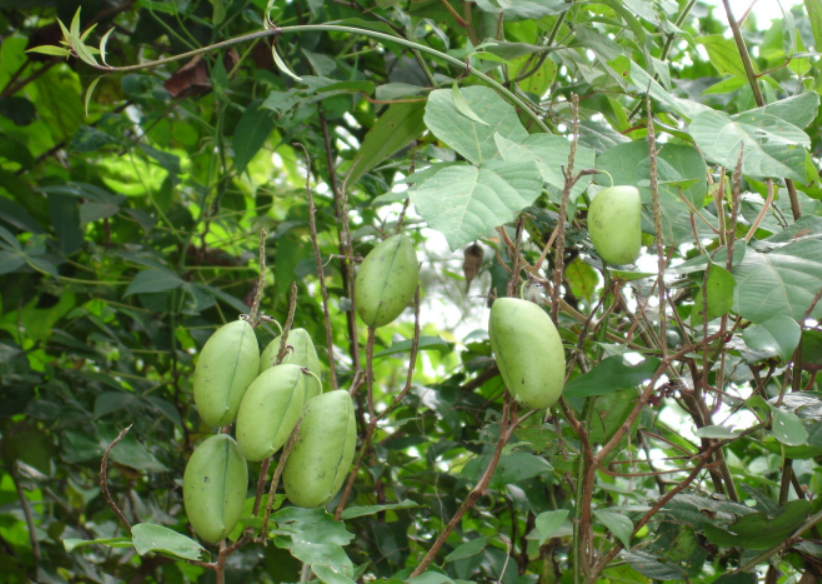
Once absorbed into the bloodstream, 5-HTP is then converted into serotonin in the brain. This conversion process is orchestrated by the enzyme aromatic L-amino acid decarboxylase (AADC), which catalyzes the transformation. As a result, 5-HTP supplementation is believed to boost serotonin levels in the central nervous system, potentially alleviating symptoms associated with depression and anxiety.
Due to its association with serotonin, 5-HTP is also considered for managing other conditions such as insomnia, fibromyalgia, and even weight management.
What does St. John’s Wort and 5-HTP do?
Now that we know a little bit of the science and where these two supplements come from, let’s talk about what they do in the body.
St. John’s Wort:
One of the primary ways in which St. John's Wort is believed to work, is by modulating the levels of certain neurotransmitters in the brain. We know that serotonin, dopamine, and norepinephrine play pivotal roles in regulating mood and emotional well-being. Serotonin, in particular, is often dubbed the "feel-good" chemical, and it is crucial to our everyday lives. An imbalance in serotonin levels is often associated with mental health disorders, including depression, and by influencing these neurotransmitters St. John's Wort has the potential to help.
Moreover, St. John's Wort exhibits anti-inflammatory and antioxidant properties, which can help protect brain cells from damage caused by oxidative stress and inflammation. This neuroprotective effect could further support its role in mood regulation and cognitive function.
5-HTP:
5-HTP, we know is the serotonin precursor in the brain, and as such, its main action is to increase the availability of serotonin in the central nervous system, which can have several beneficial effects.
By providing an exogenous source of 5-HTP, this amino acid derivative bypasses the usual metabolic processes that limit serotonin production. 5-HTP is more efficiently converted into serotonin, and it may help individuals experiencing mood disorders, such as depression and anxiety, by promoting a more positive and balanced emotional state.
5-HTP supplementation has also been explored for its potential in addressing other health concerns like sleep disturbances or insomnia. It’s been reported to play a potential role in improving sleep quality and reducing the time it takes to fall asleep.
In addition to its effects on your mental health, 5-HTP has been examined in the context of weight management. Serotonin's influence on appetite regulation makes 5-HTP a subject of interest for those looking to curb their appetite and potentially aid in weight loss efforts.

Recommended by Dr. Emil
Elite 5-HTP Plus
Doctor-formulated 5-HTP for serotonin support, mood stability, and restful sleep — third-party tested, with a cleaner interaction profile than St. John's Wort.
Shop NowHow do St. John’s Wort and 5-HTP compare to one another?
5-HTP and St. John's Wort are both natural supplements with the potential to support mood enhancement, but they have distinct differences in terms of mechanisms of action, applications, and potential interactions. Before implementing a new supplement to your routine, it’s important to understand which is best suited for you and your needs.

Mechanisms of Action
Since 5-HTP directly contributes to the production of serotonin in the brain, this direct pathway can lead to relatively rapid mood improvements. St. John's Wort works by influencing various neurotransmitters, including serotonin, dopamine, and norepinephrine. However, its precise mechanism of action is not fully understood. St. John's Wort's effects may take longer to manifest compared to 5-HTP due to its broader influence on neurotransmitters.
Applications
5-HTP is often considered a more targeted option for mood support. Meanwhile, St. John's Wort has a broader range of applications. In addition to addressing mild to moderate depression and anxiety, it has been historically used for wound healing, nerve pain, and other health concerns.
Interactions and Safety
5-HTP is generally considered safe when used as directed. However, it can interact with certain medications, such as antidepressants, and may cause serotonin syndrome when combined with serotonergic drugs.
While St. John's Wort is known to interact with a wide range of medications, including birth control pills, anticoagulants, and antidepressants. These interactions can reduce the effectiveness of these drugs or lead to adverse effects.
The choice between 5-HTP and St. John's Wort largely depends on individual needs and circumstances. 5-HTP offers a more direct approach to addressing serotonin deficiencies, making it ideal for those with specific mood concerns.
St. John's Wort has a broader range of applications but comes with a higher risk of medication interactions.
It is important for anyone who’s considering taking any kind of supplement or vitamin, not just St. John’s Wort and/or 5-HTP, to talk to your doctor or a trusted healthcare professional. Even more so if you are already taking a medication that could directly influence said supplement. By consulting a professional they can take in account current or future blood tests and give you the best advice on dosages tailored to your specific needs.
A Mood-Boosting Supplement to Consider
Dr. Emil's 5-HTP Plus Elite stands out as an innovative dietary supplement designed to offer a multifaceted approach to mood enhancement and overall well-being. This unique blend combines several well-researched ingredients, each with its potential benefits, working synergistically to address various aspects of your health.
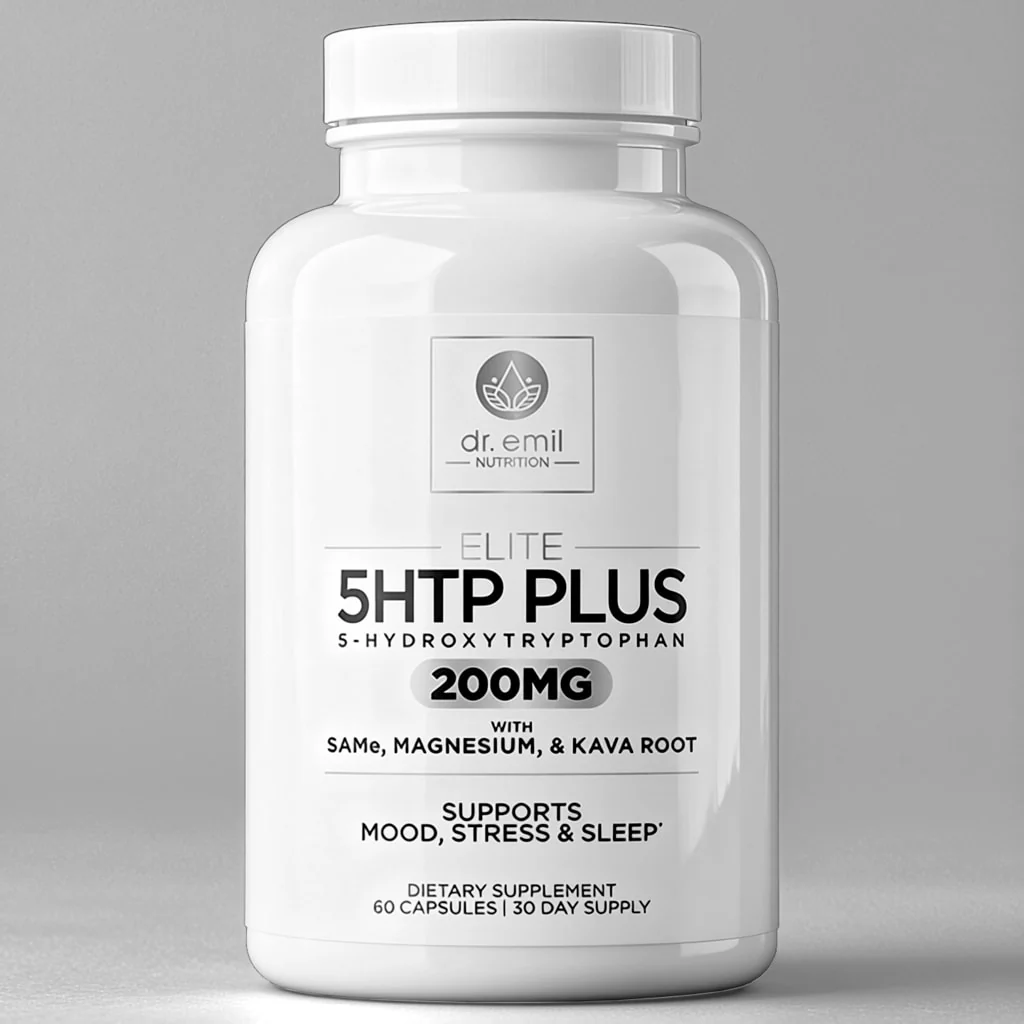
It has 60 capsules for a 30-day supply, it combines 5-HTP, Magnesium, Kava Root, and SAMe all in one supplement. We of course now know all about 5-HTP, but what do the other main ingredients have to offer us?
- Magnesium is a vital mineral for the nervous system, and its inclusion in Dr. Emil's 5-HTP Plus Elite adds a crucial neuroprotective element to the formula. Magnesium's role in the body includes supporting relaxation, stress reduction, and overall mental well-being. It complements 5-HTP by helping to create a calming effect.
- Kava Root is a traditional herb known for its potential to reduce anxiety and induce relaxation. Including kava root in the blend adds an extra layer of support for those seeking stress relief and emotional balance. It can be particularly beneficial for individuals dealing with anxiety disorders.
- SAMe (S-Adenosyl Methionine) is a naturally occurring compound in the body involved in a wide range of biochemical processes, including mood regulation. Studies suggest that SAMe supplementation may help alleviate symptoms of depression and support emotional well-being.
- Vitamin B6 is essential for neurological function, and it plays a significant role in the synthesis of neurotransmitters, including serotonin. Its inclusion in the formula helps support the efficient conversion of 5-HTP into serotonin, ensuring the entire process runs smoothly.
This expertly crafted blend offers a well-rounded solution for those seeking a natural and holistic approach to bettering their mental health.
Why Us: Dr. Emil Nutrition has been featured in acclaimed news and health publications organizations like CNN, The Guardian, and Men’s Health, and has had countless testimonials backing the quality of his products. Using his both medicine and Sports + Exercise Science degrees, his knowledge has led him to create a space that makes holistic health and happiness accessible for not just select persons, but everyone. With a range of supplements covering anything from a good night's sleep, to energy and cognitive boosts, and immune support, you’ll be able to rely on his online stores and major retailers like CVS to get you what you need.
St. John’s Wort vs. 5-HTP
St. John's Wort and 5-HTP both offer natural alternatives to traditional medications for dealing with the symptoms of depression, anxiety, and other mild to moderate mental health conditions. Ultimately, the choice between St. John's Wort and 5-HTP will depend on your individual circumstances and preferences, but we believe 5-HTP may have a more direct approach regarding its applications to the body as well as less intermittent risk when paired with other medications.


