
Sleep supplements have never been more popular, and apigenin has quickly become one of the newest ingredients attracting attention. Often promoted for its calming properties and association with chamomile, apigenin has earned a reputation as a natural way to support relaxation before bed. But does it live up to the hype, and is it the right choice for everyone?
The short answer is that apigenin can be a valuable supplement for some people, but it is not a one-size-fits-all solution. Like most evidence-based supplements, its effectiveness depends on your individual sleep challenges, overall health, and what you're hoping to achieve.
For some people, gentle relaxation support may be exactly what's needed. For others, supplements such as melatonin or valerian root may offer a more targeted approach because they work through different biological mechanisms and have stronger evidence for specific sleep concerns.
In this guide, we'll explain exactly what apigenin is, how it works inside the body, and who is most likely to benefit from taking it. We'll also examine its limitations, discuss the current scientific evidence, and compare it with two of the most widely used natural sleep supplements: melatonin and valerian root.
By the end of this article, you'll understand that choosing the best sleep supplement isn't about following the latest trend—it's about matching the right supplement to the right problem. With that knowledge, you'll be in a much better position to make an informed decision that supports healthier, more restful sleep.
In this article, we’ll break down:
- Apigenin Explained: Frequently Asked Questions
- What Is Apigenin And How Does It Work?
- Who Is Apigenin Best Suited For?
- Why Melatonin May Be A Better Choice For Sleep Support
- Why Valerian Root May Be A Better Natural Alternative
- When Apigenin May Not Be The Right Fit
- How To Choose The Best Sleep Supplement For Your Needs

Apigenin Explained: Frequently Asked Questions
Everything You Need To Know Before Trying This Popular Sleep Compound
If you've been searching for "Apigenin Explained: Who It's For (and What to Try Instead)", these frequently asked questions cover the essentials.
Q: What is apigenin?
A: Apigenin is a naturally occurring flavonoid found in foods such as chamomile, parsley, celery, and oregano. It has gained popularity as a dietary supplement because of its potential calming and sleep-supporting effects.
Q: Is apigenin a sleep medication?
A: No. Apigenin is a dietary supplement, not a prescription or over-the-counter sleep medication. It may promote relaxation, but it does not produce the same effects as sedative drugs.
Q: How does apigenin work?
A: Researchers believe apigenin interacts with GABA-related pathways in the brain, which are involved in promoting relaxation. However, much of the research is still emerging.
Q: Who may benefit from apigenin?
A: Adults experiencing occasional stress, difficulty winding down at night, or mild sleep disturbances may find it helpful as part of a healthy bedtime routine.
Q: Does apigenin work for everyone?
A: No. Individual responses vary considerably. Some users notice improved relaxation, while others experience little difference.
Q: Are there better alternatives?
A: Depending on your goals, yes. Melatonin may be more appropriate for circadian rhythm issues, while valerian root has stronger historical evidence as an herbal sleep aid.
Q: Is apigenin safe?
A: Most healthy adults tolerate typical supplemental doses well, but anyone who is pregnant, nursing, taking medications, or managing chronic health conditions should consult a healthcare professional before beginning supplementation.
What Is Apigenin And How Does It Work?
Understanding The Science Behind This Chamomile-Derived Flavonoid
Apigenin is a plant compound that belongs to a family of antioxidants known as flavonoids. Although it naturally occurs in several vegetables and herbs, it has become especially popular because chamomile tea contains appreciable amounts of apigenin. This connection has led researchers to investigate whether apigenin contributes to chamomile's long-standing reputation as a calming herb.
Current evidence suggests that apigenin may influence receptors involved in the brain's GABA signaling system. GABA is the body's primary inhibitory neurotransmitter and helps reduce excessive nerve activity, encouraging relaxation and preparing the body for sleep. Rather than forcing sedation, apigenin appears to support the body's natural ability to unwind.
Researchers are also interested in apigenin's antioxidant and anti-inflammatory properties. Laboratory studies suggest these effects may contribute to healthy aging, cellular protection, and overall wellness, although much more human research is needed before firm conclusions can be drawn.
Potential areas where apigenin is being studied include:
- Supporting relaxation before bedtime
- Promoting healthy sleep quality
- Providing antioxidant protection
- Supporting healthy inflammatory responses
While the science is promising, apigenin should not be viewed as a miracle supplement. Sleep quality depends on numerous factors including stress management, exercise, light exposure, caffeine intake, and overall health. Supplements often work best when they complement healthy lifestyle habits rather than replace them.

Who Is Apigenin Best Suited For?
Discover Which People May Benefit Most From This Natural Compound
One of the biggest questions surrounding "Apigenin Explained: Who It's For (and What to Try Instead)" is identifying who is actually most likely to benefit.
Apigenin may be a reasonable option for adults who experience occasional difficulty relaxing at the end of the day rather than individuals with chronic insomnia or significant sleep disorders. Because its effects are generally considered gentle, many people prefer starting with apigenin before considering stronger sleep-support products.
Individuals who may find apigenin appealing include those with busy lifestyles, professionals dealing with everyday stress, frequent travelers trying to establish consistent evening routines, and older adults looking to support healthy sleep as natural sleep quality changes with age.
However, expectations should remain realistic. Supplements rarely produce dramatic overnight results, and individual biology plays a significant role in effectiveness. Someone whose sleep difficulties stem primarily from shift work, jet lag, hormonal changes, or underlying medical conditions may require a different approach altogether.
Apigenin may be worth considering for people who:
- Experience occasional nighttime restlessness
- Want gentle relaxation support
- Prefer plant-derived supplements
- Already practice good sleep hygiene but want additional support
For people with persistent insomnia, severe anxiety, or suspected sleep apnea, professional medical evaluation is far more important than simply trying another supplement. Apigenin can be one piece of a comprehensive wellness strategy, but it should not replace appropriate medical care when sleep problems become chronic.
Why Melatonin May Be A Better Choice For Sleep Support
Comparing Effectiveness, Research, And Who Benefits The Most
Although apigenin receives considerable attention, melatonin often has a stronger scientific foundation for certain sleep concerns. Rather than simply promoting relaxation, melatonin functions as a hormone naturally produced by the brain that helps regulate the body's internal sleep-wake cycle.
For individuals whose sleep schedule has become disrupted, melatonin often addresses the underlying issue more directly than apigenin. People experiencing jet lag, rotating work schedules, delayed sleep phase, or occasional disruptions to their circadian rhythm frequently respond better to melatonin because it helps signal when it is time for the body to prepare for sleep.
Melatonin also benefits from decades of clinical research, providing healthcare professionals with a better understanding of appropriate timing, dosage, and expected outcomes than is currently available for apigenin.
This does not necessarily make melatonin universally superior. Some individuals primarily need help relaxing rather than resetting their biological clock. In those situations, apigenin may still have value. Others even use multiple evidence-based sleep-support strategies under the guidance of a healthcare provider.
Choosing between the two depends on your primary sleep challenge. If your issue involves inconsistent bedtimes, travel, or circadian rhythm disruptions, melatonin is often the more targeted option. If your difficulty involves winding down after a stressful day, apigenin may still deserve consideration. Matching the supplement to the underlying cause of poor sleep generally leads to better outcomes than simply choosing the newest popular ingredient.

Why Valerian Root May Be A Better Natural Alternative
Exploring A Traditional Herbal Remedy With Strong Sleep-Supporting Potential
For individuals seeking a completely herbal option, valerian root deserves serious consideration. Unlike apigenin, which has become popular relatively recently, valerian root has been used traditionally for centuries to promote calmness and restful sleep.
Modern research suggests valerian root may also influence GABA activity within the brain, potentially encouraging relaxation before bedtime. Although study results remain somewhat mixed, the overall body of evidence is larger than that currently available for apigenin alone.
Another advantage is that valerian root often appears in comprehensive nighttime formulas alongside magnesium, lemon balm, passionflower, or melatonin. These combinations may provide broader support than a single ingredient, particularly for people whose sleep difficulties have multiple contributing factors.
Valerian root may be preferable for individuals who:
- Prefer well-established herbal remedies
- Need stronger relaxation before bedtime
- Want a supplement commonly included in complete sleep formulas
As with any supplement, valerian root is not appropriate for everyone. Some individuals experience next-day grogginess, while others notice little benefit. Healthcare providers should always be consulted before combining herbal supplements with prescription medications or other sleep aids.
If you’re looking for one convenient high-quality supplement that combines both melatonin and valerian root for sleep support be sure to check out our Dr. Emil Bedtime Burn!
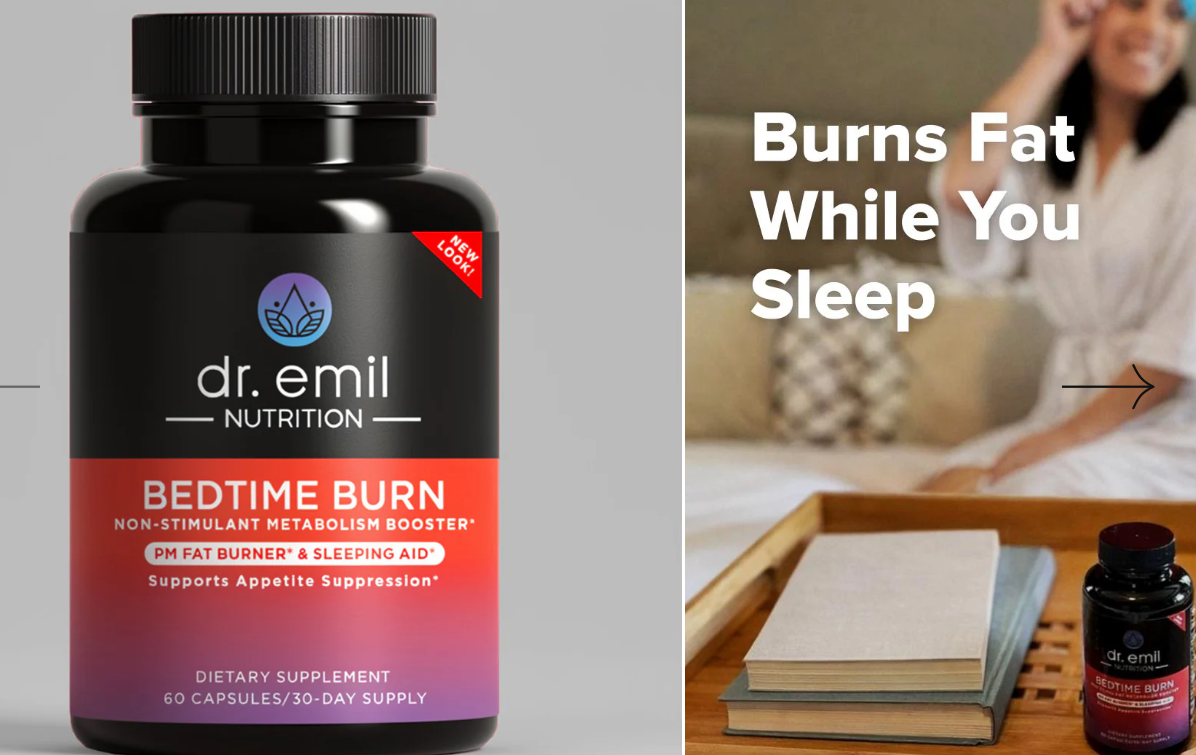
Ultimately, valerian root represents another evidence-informed option that may better fit certain individuals than apigenin. Personal response, overall health, and the underlying cause of poor sleep remain the most important factors when selecting an appropriate supplement.
When Apigenin May Not Be The Right Fit
Potential Limitations, Safety Considerations, And Realistic Expectations
While apigenin has many appealing qualities, it is important to recognize its limitations. The excitement surrounding newer supplements can sometimes create unrealistic expectations that exceed what current scientific evidence actually supports.
People experiencing chronic insomnia, severe anxiety disorders, depression-related sleep disturbances, or medical conditions affecting sleep should avoid relying solely on apigenin. These situations often require professional evaluation and a more comprehensive treatment strategy.
Certain individuals should also exercise additional caution before using apigenin, particularly if they take medications that influence blood clotting, sedation, or liver metabolism. Although significant adverse effects appear uncommon, interactions remain possible.
Sleep supplements are generally most effective when paired with healthy habits, including consistent bedtimes, regular physical activity, limited evening caffeine, reduced screen exposure, and stress management practices.
Another important consideration is product quality. Since dietary supplements vary between manufacturers, selecting products that undergo independent third-party testing can improve confidence regarding ingredient accuracy and purity.
Apigenin remains an interesting and promising ingredient, but consumers should approach it with balanced expectations. Scientific interest continues to grow, yet many questions regarding optimal dosage, long-term safety, and ideal patient populations remain under investigation. Maintaining a realistic perspective allows individuals to appreciate its potential benefits without overlooking its current limitations.

How To Choose The Best Sleep Supplement For Your Needs
Finding The Right Option Based On Your Sleep Challenges And Health Goals
The central message of "Apigenin Explained: Who It's For (and What to Try Instead)" is that there is no universally perfect sleep supplement. The best choice depends on why sleep has become difficult in the first place.
Someone struggling with occasional stress after demanding workdays may respond well to gentle calming ingredients such as apigenin. Individuals dealing with disrupted sleep schedules or frequent travel may benefit more from melatonin. Those seeking a traditional botanical remedy may find valerian root provides more noticeable support.
Rather than chasing trends, start by identifying the source of your sleep challenges. Is it difficulty falling asleep, staying asleep, relaxing before bed, or maintaining a consistent sleep schedule? Answering that question often narrows the most appropriate supplement choices.
Quality also matters. Look for reputable manufacturers that provide transparent labeling, standardized ingredients, and third-party testing whenever possible. This helps ensure consistency and reduces uncertainty regarding product purity.
Finally, remember that supplements are designed to support—not replace—healthy sleep habits. Maintaining a consistent bedtime, creating a dark and quiet sleeping environment, limiting caffeine late in the day, and managing stress remain foundational practices that no supplement can fully substitute.
For many healthy adults, apigenin can be a useful addition to a comprehensive wellness routine. However, melatonin and valerian root each offer unique strengths that may better address specific sleep concerns. Understanding these differences allows you to make informed, evidence-based decisions and choose the supplement most aligned with your individual health goals.

The Best Sleep Supplement Is The One That Fits Your Situation
Making An Informed Choice With Realistic Expectations
Apigenin is an intriguing natural compound with growing scientific interest, particularly for its potential to promote relaxation and support healthy sleep. While the research is promising, it is still developing, and current evidence suggests that apigenin works best as part of a broader approach to good sleep rather than as a standalone solution.
As we've explored throughout this article, the most effective supplement depends on the underlying cause of your sleep difficulties. If stress and an overactive mind are your biggest obstacles, apigenin may provide gentle support. If your body's internal clock is out of sync, melatonin is often the more appropriate choice. And if you're looking for a well-established herbal remedy with a long history of traditional use, valerian root may be the better alternative.
Equally important is remembering that supplements work best alongside healthy sleep habits, including a consistent bedtime, good sleep hygiene, regular exercise, and effective stress management.
Ultimately, the goal isn't to find the most popular ingredient—it's to find the one that aligns with your individual needs and is supported by the best available evidence. Taking that thoughtful, personalized approach can help you build a sleep routine that is both effective and sustainable for the long term.