
If you've been searching for a natural way to improve your sleep, you've probably come across both glycine and melatonin. While they're often grouped together as sleep supplements, they actually work in very different ways. That raises an important question: Glycine for Sleep: Does It Work Better Than Melatonin?
The answer depends less on which supplement is "better" and more on why you're having trouble sleeping. Melatonin is a hormone that primarily helps regulate your body's internal clock, making it especially useful for jet lag, shift work, and delayed sleep schedules. Glycine, on the other hand, is an amino acid that supports relaxation and healthy sleep physiology, with research suggesting it may improve sleep quality and help you wake feeling more refreshed.
The conclusion of this article is that neither supplement is universally superior. Instead, each has unique strengths that make it more appropriate for specific sleep challenges. In some situations, they may even complement one another because they act through different biological pathways.
In the sections that follow, we'll compare glycine and melatonin head-to-head. You'll learn how each supplement works, which one is more effective for falling asleep, how they compare for improving sleep quality and next-day alertness, their safety profiles, and whether combining them is supported by current evidence.
By the end of this guide, you'll have a clearer understanding of which supplement best fits your sleep goals, allowing you to make an informed decision based on science rather than marketing claims.
In this article, we’ll break down:
- Frequently Asked Questions About Glycine For Sleep And Melatonin
- Glycine Vs. Melatonin: How They Help You Sleep
- Which Supplement Helps You Fall Asleep Faster?
- Glycine Vs. Melatonin For Sleep Quality And Morning Alertness
- Safety, Side Effects, And Who Should Choose Each Supplement
- Can Glycine And Melatonin Be Taken Together?
- Glycine Vs. Melatonin: Which Sleep Supplement Wins?

Frequently Asked Questions About Glycine For Sleep And Melatonin
The Most Common Questions About Choosing The Right Sleep Supplement
Q: What is glycine?
A: Glycine is a naturally occurring amino acid that also functions as an inhibitory neurotransmitter. It helps promote relaxation and has been studied for its ability to improve sleep quality and next-day alertness.
Q: What is melatonin?
A: Melatonin is a hormone produced by the pineal gland that regulates your circadian rhythm, or internal body clock. Melatonin supplements are commonly used to help people fall asleep, particularly when their sleep schedule has been disrupted.
Q: Does glycine work better than melatonin?
A: It depends on your sleep challenge. Glycine may be better for improving sleep quality and promoting relaxation, while melatonin is often more effective for resetting the body's sleep-wake cycle and reducing the time it takes to fall asleep.
Q: Can glycine and melatonin be taken together?
A: In many healthy adults, they can be used together because they work through different biological pathways. However, anyone taking medications or managing a medical condition should consult a healthcare provider first.
Q: Which supplement causes less morning grogginess?
A: Glycine is generally associated with minimal next-day drowsiness. Some people experience morning grogginess with higher doses of melatonin.
Q: Is glycine safe for nightly use?
A: Research suggests glycine is well tolerated when used at commonly studied doses, though long-term use should still be discussed with a healthcare professional.
Q: Who benefits most from melatonin?
A: Individuals with jet lag, shift work, or delayed sleep schedules often benefit most because melatonin directly influences circadian rhythm.
When asking "Glycine for Sleep: Does It Work Better Than Melatonin?", there is no universal winner. Both supplements have strong scientific support, but each excels in different situations. Understanding how they work allows you to choose the option that best matches your individual sleep concerns rather than assuming one supplement is superior for everyone.
Glycine Vs. Melatonin: How They Help You Sleep
Comparing Two Very Different Sleep-Support Mechanisms
Although both supplements promote better sleep, glycine and melatonin work in remarkably different ways. Understanding these differences is key to answering the question, "Glycine for Sleep: Does It Work Better Than Melatonin?"
Melatonin functions primarily as a timing signal. As darkness falls, the brain naturally releases melatonin to signal that bedtime is approaching. Supplemental melatonin reinforces this message, making it particularly useful for people whose internal clocks have become misaligned due to travel, shift work, or irregular schedules.
Glycine takes a different approach. Rather than acting as a hormone, it functions as an amino acid involved in nervous system regulation. Research suggests glycine promotes relaxation by supporting inhibitory neurotransmission and helping lower core body temperature—a natural process that occurs as the body prepares for sleep.
Because of these different mechanisms, the supplements often address different sleep problems.
Melatonin may be preferable for:
- Jet lag
- Shift workers
- Delayed sleep phase
- Difficulty falling asleep due to circadian disruption
Glycine may be preferable for:
- Difficulty relaxing before bed
- Mild sleep maintenance concerns
- Improving subjective sleep quality
- Reducing next-day fatigue
Neither supplement replaces healthy sleep habits, but both can complement good sleep hygiene. Rather than competing directly, glycine and melatonin often fill different roles within a comprehensive sleep-support strategy.

Which Supplement Helps You Fall Asleep Faster?
Comparing Sleep Onset, Relaxation, And Bedtime Effectiveness
For many people, falling asleep is the biggest obstacle. This is where melatonin has historically received the most attention. Numerous clinical studies demonstrate that melatonin can shorten sleep latency, particularly among people whose circadian rhythms are delayed or disrupted. Someone adjusting to a new time zone or working overnight shifts may notice meaningful improvements after taking melatonin before bedtime.
Glycine approaches sleep onset from another angle. Rather than changing the body's internal clock, glycine appears to create physiological conditions that favor relaxation. Its calming effects on the nervous system and influence on body temperature may help the transition into sleep feel more natural.
The comparison becomes less clear for individuals without circadian rhythm disorders. If your biological clock is functioning normally but your mind races at bedtime, glycine may provide comparable or even better support than melatonin because it addresses relaxation rather than sleep timing.
On the other hand, if your bedtime consistently shifts later than desired, melatonin generally has stronger evidence for correcting the problem.
Ultimately, the better supplement depends on why you're struggling to fall asleep. Melatonin excels when timing is the issue, while glycine shines when relaxation is lacking. Identifying the underlying cause of your sleep difficulty is often more important than simply choosing the most popular supplement.
Glycine Vs. Melatonin For Sleep Quality And Morning Alertness
Which One Helps You Wake Up Feeling More Refreshed?
Falling asleep is only part of the equation. Equally important is how rested you feel the next morning. This is where glycine has attracted increasing scientific interest.
Several studies suggest that taking glycine before bed may improve subjective sleep quality and reduce feelings of fatigue after waking. Researchers believe this may result from glycine's influence on sleep architecture and thermoregulation rather than sedation alone. Many users report waking feeling mentally clearer despite sleeping a similar number of hours.
Melatonin's primary strength remains regulating sleep timing. While many people sleep well after taking melatonin, others experience vivid dreams or mild morning grogginess, particularly if doses exceed what the body naturally produces.
When comparing glycine and melatonin, sleep quality often becomes the deciding factor. Glycine appears especially promising for individuals who sleep through the night but still wake feeling unrefreshed. Melatonin remains valuable when poor sleep quality stems from an irregular sleep schedule.
Neither supplement guarantees perfect sleep, and responses vary between individuals. However, current evidence suggests glycine may have a slight advantage for promoting restorative sleep without the lingering drowsiness that some melatonin users occasionally experience. For people seeking better mornings rather than simply earlier bedtimes, glycine deserves serious consideration.

Safety, Side Effects, And Who Should Choose Each Supplement
Comparing Risks, Tolerability, And Long-Term Use
Both glycine and melatonin are generally considered safe when used appropriately, but they differ in their potential side effects and ideal users.
Glycine is naturally present in many protein-rich foods and has demonstrated an excellent safety profile in clinical research. Side effects are uncommon and generally limited to mild digestive discomfort in sensitive individuals.
Melatonin also has a favorable safety record, although responses vary more widely. Some users experience morning sleepiness, headaches, dizziness, or unusually vivid dreams. Because melatonin is a hormone, experts often recommend using the lowest effective dose rather than assuming more is better.
Check out Dr Emil’s Bedtime Burn if you want a great sleep aid that also boosts your metabolism!

Recommended by Dr. Emil
Bedtime Burn
Doctor-formulated with magnesium glycinate (providing glycine's sleep-quality benefits), 5-HTP (natural melatonin pathway support), ashwagandha (cortisol reduction), GABA, and L-theanine — addressing both the relaxation and quality dimensions of sleep simultaneously. Stimulant-free, third-party tested.
Shop Now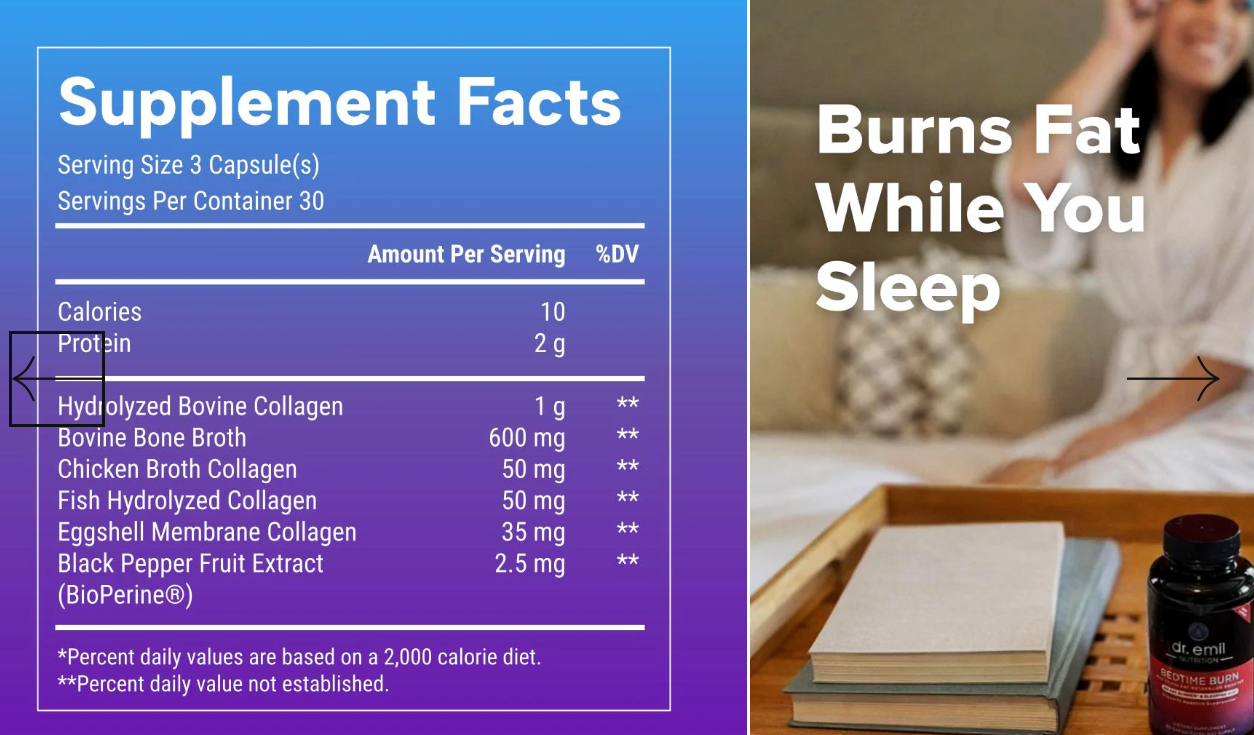
Individuals may prefer glycine if they:
- Want support for sleep quality
- Experience stress-related difficulty relaxing
- Wish to minimize next-day grogginess
- Prefer supplementing with a naturally occurring amino acid
Melatonin may be the better option for people managing jet lag, shift work, or delayed sleep phase syndrome.
Regardless of which supplement you choose, good sleep hygiene remains essential. Supplements should enhance healthy bedtime habits—not replace them. Anyone who is pregnant, breastfeeding, taking prescription medications, or living with chronic medical conditions should consult a qualified healthcare professional before beginning either supplement.
Can Glycine And Melatonin Be Taken Together?
When Combining Both Supplements May Make Sense

Recommended by Dr. Emil
Multi Collagen Plus
Hydrolyzed collagen peptides are approximately 35% glycine by weight — providing a food-form glycine source alongside the structural collagen benefits for skin, joints, and connective tissue. Doctor-formulated, third-party tested. Take before bed to align with glycine's sleep-supporting role.
Shop NowBecause glycine and melatonin work through separate biological mechanisms, many people wonder whether combining them offers greater benefits than taking either supplement alone. For some individuals, the answer may be yes.
Melatonin helps signal that it is time for sleep by reinforcing the body's natural circadian rhythm. Glycine supports relaxation and may improve sleep quality by promoting healthy nervous system activity and facilitating the normal drop in core body temperature that occurs before sleep. These complementary actions create a logical basis for combination use.
Someone experiencing both circadian disruption and difficulty relaxing at bedtime could potentially benefit from using both supplements together. For example, a traveler recovering from jet lag may use melatonin to adjust sleep timing while glycine promotes a smoother transition into restful sleep.
Even so, more is not always better. Beginning with one supplement allows individuals to understand how their body responds before considering a combination approach. Conservative dosing is also advisable because individual responses vary.
Combining supplements should always complement healthy sleep habits, including limiting evening screen time, maintaining a consistent bedtime, creating a cool sleeping environment, and reducing caffeine intake later in the day. Together, these lifestyle measures often provide the greatest improvements in sleep quality while maximizing the potential benefits of supplementation.

Glycine Vs. Melatonin: Which Sleep Supplement Wins?
Choosing The Best Option Based On Your Sleep Challenges
After comparing both supplements across multiple areas, the answer to "Glycine for Sleep: Does It Work Better Than Melatonin?" depends largely on your individual sleep goals.
Melatonin remains one of the most effective supplements for correcting circadian rhythm disturbances. Its ability to shift sleep timing makes it especially valuable for jet lag, shift work, and delayed sleep schedules. If falling asleep at the desired time is your primary concern, melatonin often has the stronger evidence base.
Glycine offers a different set of advantages. By supporting relaxation, healthy thermoregulation, and restorative sleep, it may improve overall sleep quality while helping many users wake feeling more refreshed. For individuals whose internal body clock is already functioning normally, glycine may be the more appealing long-term option.
Rather than viewing these supplements as competitors, it is more accurate to see them as complementary tools that address different aspects of healthy sleep. Some individuals will benefit most from one, while others may find that a carefully planned combination works best.
Ultimately, the best sleep supplement is the one that matches the underlying cause of your sleep difficulties. When paired with consistent sleep hygiene, stress management, regular exercise, and a healthy diet, both glycine and melatonin can be valuable additions to a science-based approach for achieving better, more restorative sleep.

The Best Sleep Supplement Is The One That Matches Your Needs
Why Glycine And Melatonin Are Better Viewed As Complementary Than Competing
When evaluating Glycine for Sleep: Does It Work Better Than Melatonin?, the evidence points to a balanced conclusion. Both supplements have demonstrated benefits, but they excel in different areas of sleep support rather than serving identical purposes.
Melatonin remains one of the most effective options for correcting circadian rhythm disruptions, making it particularly valuable for people dealing with jet lag, shift work, or difficulty falling asleep because their internal clock is out of sync. Glycine, meanwhile, offers a different advantage by promoting relaxation, supporting healthy sleep quality, and helping many people wake feeling more refreshed without significant morning grogginess.
For individuals whose primary concern is restorative sleep rather than simply falling asleep earlier, glycine may be the more appealing choice. Others may find that using both supplements together—when appropriate and under the guidance of a healthcare professional—provides complementary benefits because they influence different aspects of the sleep process.
No supplement, however, can replace the fundamentals of healthy sleep. Consistent bedtimes, a relaxing evening routine, limited caffeine intake, regular exercise, and a comfortable sleep environment remain the foundation of long-term sleep health.
Ultimately, the goal isn't to crown a single winner. It's to choose the supplement—or combination of supplements—that best addresses your specific sleep challenges while fitting into a healthy, sustainable lifestyle.