
Green coffee bean extract has become a popular ingredient in weight-management supplements, but does it actually help with weight loss? The most accurate answer is possibly—but probably modestly, and not on its own.
Green coffee bean extract comes from unroasted coffee beans and contains naturally occurring compounds called chlorogenic acids. Depending on the preparation, it may also provide caffeine. Both have attracted scientific interest because of their potential effects on glucose metabolism, energy expenditure, and other processes related to metabolic health.
The evidence is promising enough to make green coffee bean extract an interesting supplement ingredient, but it does not support the idea that it is a standalone fat-burning solution. Human research has produced mixed results, and some studies have been limited by small sample sizes or short durations. This article explores that distinction.
We’ll begin with frequently asked questions about green coffee bean extract, then examine what it is, how chlorogenic acids may work, and what research has found regarding weight management. We’ll also compare green coffee bean extract with regular coffee and discuss appropriate supplementation, safety, and potential side effects.
Ultimately, the goal is to provide a balanced perspective: green coffee bean extract may offer useful support for weight management, but its greatest value comes when it complements—not replaces—a nutritious diet, physical activity, adequate sleep, and other healthy habits.
In this article, we’ll break down:
- Green Coffee Bean Extract FAQ: What You Should Know
- What Is Green Coffee Bean Extract And How Does It Work?
- Green Coffee Bean Extract And Weight Loss: What Does The Research Say?
- Chlorogenic Acids: The Compounds Behind Green Coffee Bean Extract
- Green Coffee Bean Extract Vs. Regular Coffee: What’s The Difference?
- Green Coffee Bean Extract Dosage, Safety, And Potential Side Effects
- Who Might Benefit From Green Coffee Bean Extract For Weight Management?

Green Coffee Bean Extract FAQ: What You Should Know
Quick Answers To The Most Common Questions About Green Coffee Bean Extract And Weight Loss
Q: What Is Green Coffee Bean Extract?
A: Green coffee bean extract is made from unroasted coffee beans. Unlike roasted coffee beans, green coffee beans retain higher levels of naturally occurring compounds called chlorogenic acids. These compounds are being studied for their potential effects on glucose metabolism, fat metabolism, and other aspects of metabolic health. Green coffee bean extract may also contain caffeine, depending on how it is processed.
Q: Does Green Coffee Bean Extract Help With Weight Loss?
A: Research suggests green coffee bean extract may have modest weight-management benefits, but the evidence is not strong enough to consider it a standalone weight-loss solution. Some studies have reported reductions in body weight or body fat, while others have found limited or inconsistent effects. It is best viewed as a potential complement to healthy nutrition and regular physical activity.
Q: How Might Green Coffee Bean Extract Support Weight Management?
A: Chlorogenic acids may influence glucose absorption and metabolism, while caffeine can temporarily increase alertness and energy expenditure. These effects could theoretically support weight management, although individual responses vary considerably.
Q: Is Green Coffee Bean Extract The Same As Coffee?
A: Not exactly. Regular coffee is made from roasted beans, while green coffee bean extract comes from unroasted beans. Roasting changes the chemical composition of coffee, including reducing some chlorogenic acids.
Q: Does Green Coffee Bean Extract Contain Caffeine?
A: It can. The amount depends on the specific extract and manufacturing process. People who are sensitive to caffeine should check the supplement label carefully.
Q: Is Green Coffee Bean Extract Safe?
A: For many healthy adults, moderate amounts appear generally well tolerated. However, caffeine-containing products can cause jitteriness, headaches, digestive discomfort, or sleep disruption in sensitive individuals.
Q: Can Green Coffee Bean Extract Replace Diet And Exercise?
A: No. Supplements should complement—not replace—a nutritious diet, appropriate calorie intake, physical activity, adequate sleep, and other foundational habits.
What Is Green Coffee Bean Extract And How Does It Work?
Understanding The Unroasted Coffee Beans And Their Key Active Compounds
When most people hear “coffee,” they picture dark, roasted beans. Green coffee bean extract is different. It is produced from coffee beans that have not undergone the roasting process, allowing more of certain naturally occurring compounds to remain intact.
One of the most important compounds in green coffee beans is chlorogenic acid, a family of polyphenols that has attracted attention for its potential metabolic effects. Green coffee beans can also contain caffeine, another compound frequently associated with energy expenditure and alertness.
The proposed benefits of green coffee bean extract are therefore not based on a single mechanism. Instead, researchers are interested in how its various compounds may influence processes involved in metabolic health. Chlorogenic acids have been investigated for their possible effects on carbohydrate digestion, glucose handling, and lipid metabolism. Meanwhile, caffeine can temporarily stimulate the central nervous system and increase energy expenditure.
That does not mean green coffee bean extract “burns fat” automatically. Weight management remains a complex process involving energy intake, physical activity, sleep, hormones, appetite, and metabolic health.
For that reason, green coffee bean extract is best understood as a supportive ingredient rather than a magic weight-loss solution.
The most reasonable approach is to consider it alongside other lifestyle strategies. A supplement containing a standardized green coffee bean extract may be useful for people looking for additional nutritional support, particularly when paired with a consistent eating pattern and active lifestyle.

Green Coffee Bean Extract And Weight Loss: What Does The Research Say?
Exploring The Evidence Behind Its Potential Effects On Metabolism And Body Weight
The question “Does green coffee bean extract help with weight loss?” is more complicated than many supplement advertisements suggest. There is research suggesting potential benefits, but the overall evidence remains mixed.
Some clinical studies have reported that green coffee bean extract supplementation may be associated with modest reductions in body weight or body fat. Researchers have proposed that chlorogenic acids could influence glucose metabolism and fat utilization, potentially creating a favorable environment for weight management.
However, studies of green coffee bean extract have frequently involved relatively small groups of participants, varying extract preparations, different doses, and relatively short intervention periods. Those differences make it difficult to determine exactly how effective green coffee bean extract is for the average person.
This is an important distinction. Promising evidence is not the same thing as definitive evidence.
For someone trying to manage their weight, green coffee bean extract should therefore be considered an adjunct rather than a primary intervention. It cannot compensate for consistently excessive calorie intake or replace exercise. However, its potential metabolic effects make it an interesting ingredient within a broader weight-management strategy.
Potential areas researchers have investigated include:
- Glucose metabolism and carbohydrate handling
- Energy expenditure and caffeine-related effects
- Fat metabolism and body-composition measures
- Overall metabolic health
The practical takeaway is encouraging but appropriately measured: green coffee bean extract may provide modest support for weight management, particularly as part of a comprehensive lifestyle approach. More large-scale, long-term research would help clarify the size and consistency of the effect.
Chlorogenic Acids: The Compounds Behind Green Coffee Bean Extract
Why These Naturally Occurring Compounds May Matter For Metabolic Health
If there is one group of compounds that makes green coffee bean extract particularly interesting, it is chlorogenic acids. These naturally occurring polyphenols are found in coffee beans and are present in greater amounts in unroasted beans than in traditionally roasted coffee.
Chlorogenic acids have attracted scientific interest because of their potential relationship with metabolic processes. Research has explored whether they can influence how the body handles glucose after eating, how carbohydrates are absorbed, and how fats are metabolized.
One proposed mechanism involves glucose regulation. Chlorogenic acids may influence enzymes involved in carbohydrate metabolism and may affect the movement of glucose into the bloodstream. While these mechanisms are biologically plausible, laboratory findings do not automatically translate into significant weight loss in humans.
That distinction is particularly important when evaluating supplements. A compound can have an interesting mechanism without producing dramatic real-world results.
Green coffee bean extract is appealing precisely because it combines these naturally occurring polyphenols with, depending on the formulation, varying amounts of caffeine. Caffeine has its own well-established physiological effects, including increased alertness and a temporary increase in energy expenditure.
The combination creates a potentially useful nutritional tool, but expectations should remain realistic.
Rather than thinking of chlorogenic acids as a “fat-burning” shortcut, it is more accurate to view them as bioactive plant compounds that may support metabolic processes associated with healthy weight management. That framing reflects what is currently known while leaving room for continued research into their longer-term effects.

Green Coffee Bean Extract Vs. Regular Coffee: What’s The Difference?
Comparing Caffeine, Chlorogenic Acids, Processing, And Potential Benefits
Green coffee bean extract and your morning cup of coffee originate from the same plant, but they are not interchangeable.
The biggest difference is processing. Green coffee beans are unroasted, while traditional coffee beans undergo roasting at high temperatures. Roasting changes the chemical composition of the beans, including reducing some chlorogenic acids.
Green coffee bean extract is also concentrated. Instead of consuming coffee as a beverage, supplementation provides a measured quantity of compounds derived from the unroasted beans. Depending on the formulation, the extract may be standardized for chlorogenic acids and may contain a specific amount of caffeine.
Regular coffee, on the other hand, can provide caffeine in a familiar beverage while also containing numerous other compounds created or altered during roasting.
Neither option is automatically “better.” Their purposes are simply different.
For people interested specifically in chlorogenic acids, green coffee bean extract can provide a convenient way to consume these compounds without relying on several cups of coffee. For people primarily interested in caffeine for alertness, traditional coffee may already meet their needs.
It is also worth remembering that adding large amounts of sugar, cream, or calorie-dense flavorings to coffee can change its nutritional profile. A beverage that starts relatively low in calories can become substantially more calorie-dense depending on what is added.
Ultimately, green coffee bean extract for weight management should be viewed as a concentrated source of selected coffee-derived compounds—not simply “coffee in pill form.” Understanding that distinction makes it easier to evaluate both its potential benefits and its limitations.
Green Coffee Bean Extract Dosage, Safety, And Potential Side Effects
How To Approach Supplementation Responsibly And What To Watch For
A responsible discussion of green coffee bean extract should include both potential benefits and potential drawbacks. Natural ingredients are not automatically risk-free, and individual tolerance can vary.
The appropriate amount depends on the specific extract and how much chlorogenic acid and caffeine it provides. Because standardized extracts can differ substantially, following the manufacturer's serving instructions is generally more appropriate than assuming that every green coffee bean supplement has the same dosage.
Caffeine deserves particular attention. People who consume coffee, tea, energy drinks, or other caffeinated supplements should consider their total daily caffeine intake rather than looking at one product in isolation.
Potential caffeine-related side effects can include:
- Jitteriness or restlessness
- Headaches
- Difficulty sleeping
- Increased heart rate
- Digestive discomfort
Individuals who are particularly sensitive to caffeine may experience these effects at relatively modest doses. Taking a caffeinated green coffee bean extract later in the day could also interfere with sleep, which is counterproductive for anyone working toward healthier weight management.
People who are pregnant or breastfeeding, have certain cardiovascular conditions, take medications that may interact with caffeine, or have other medical concerns should discuss supplementation with a qualified healthcare professional.
Quality matters, too. Choosing products from manufacturers that provide clear ingredient amounts and appropriate quality testing can make it easier to understand exactly what you are consuming.
The goal should never be to take the largest possible amount. A sensible, well-tolerated dose combined with healthy lifestyle habits is a more evidence-informed approach.

Who Might Benefit From Green Coffee Bean Extract For Weight Management?
Understanding Where It May Fit Into A Balanced Approach To Healthy Weight Control
Green coffee bean extract may be worth considering for adults who want additional nutritional support as part of a broader approach to weight management. Its combination of chlorogenic acids and, in some formulations, caffeine makes it particularly interesting from a metabolic perspective.
However, the most important word is support.
People are unlikely to see meaningful or sustainable results from green coffee bean extract alone. Successful weight management generally involves several interconnected factors, including food choices, calorie balance, physical activity, sleep, stress management, and long-term consistency.
Within that framework, a well-formulated green coffee bean extract can potentially serve as one additional tool. Its chlorogenic acids may support healthy metabolic processes, while caffeine may provide temporary increases in alertness and energy expenditure.
This may make green coffee bean extract particularly appealing to people who are already committed to healthier habits but want to explore evidence-informed supplementation.
At the same time, expectations should remain realistic. The available research does not justify describing green coffee bean extract as a powerful or guaranteed fat burner. Individual results can differ, and more long-term research is needed to establish exactly how much it contributes to meaningful weight loss.
If you are looking for a great source of green coffee bean extract to incorporate into your self care routine then be sure to check out Dr. Emil’s Bedtime Burn supplement!

Ultimately, Green Coffee Bean Extract: What It Is and Does It Help with Weight Loss? has a nuanced answer. Green coffee bean extract contains biologically active compounds with plausible metabolic effects and some encouraging human research, but it is not a substitute for foundational lifestyle habits.
Used thoughtfully, it can be viewed as a complementary ingredient within a comprehensive approach to maintaining a healthy weight—supporting the process rather than promising to do all the work.
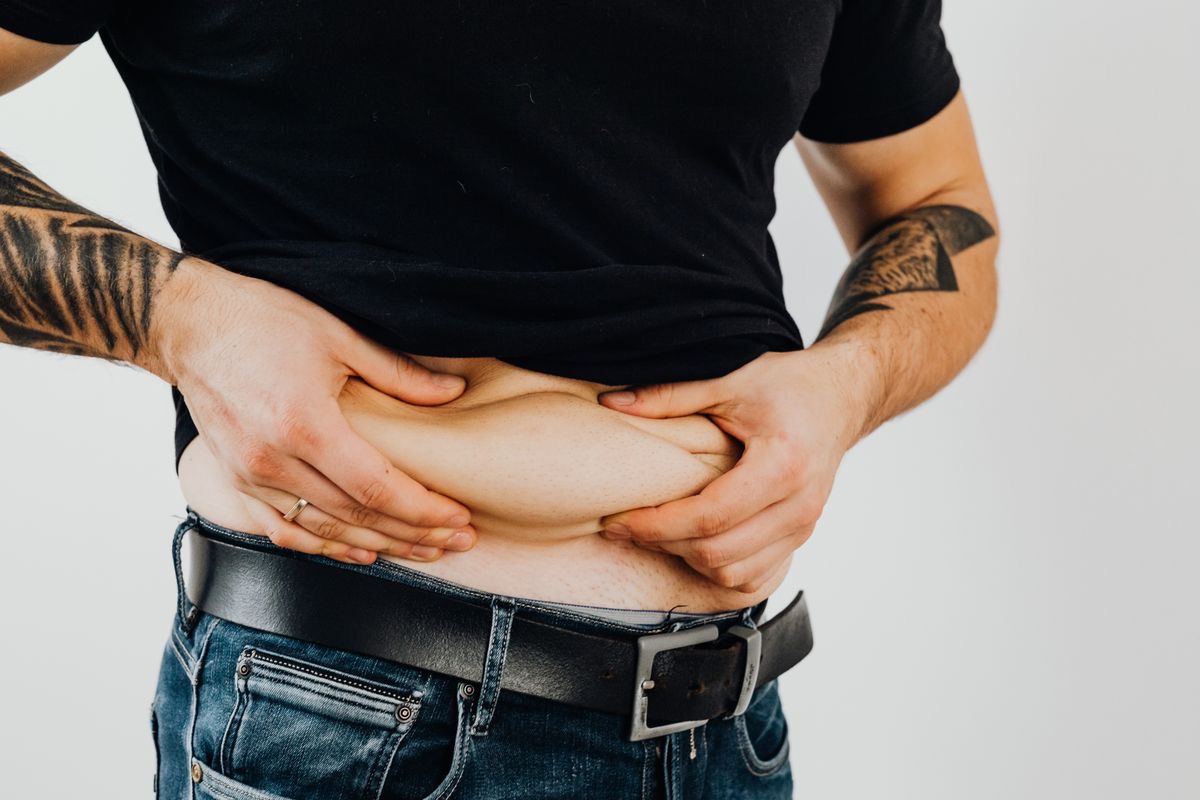
Green Coffee Bean Extract And Weight Management
A Promising Ingredient That Works Best As Part Of The Bigger Picture
So, Green Coffee Bean Extract: What It Is and Does It Help with Weight Loss? The evidence suggests that it may provide modest support for weight management, particularly because of its chlorogenic acids and, in some formulations, caffeine.
However, the research does not justify treating it as a miracle weight-loss ingredient. Results have been inconsistent, and supplementation cannot replace the fundamentals of healthy weight management.
Understanding how green coffee bean extract works helps put its potential benefits into perspective. Its naturally occurring compounds may influence metabolic processes such as glucose handling and energy expenditure, while caffeine may temporarily increase alertness and energy expenditure.
For those reasons, green coffee bean extract can be a reasonable addition to a broader wellness strategy for appropriately selected adults.
The key is maintaining realistic expectations. Rather than looking for one ingredient to produce dramatic results, consider green coffee bean extract one potential piece of a comprehensive approach that includes balanced nutrition, regular movement, sufficient sleep, and sustainable habits.
When viewed through that lens, green coffee bean extract is neither a miracle nor meaningless—it is a promising supplement ingredient whose potential benefits are best appreciated as part of the bigger picture of metabolic and weight-management health.