For decades, conversations about bone health have centered almost entirely around calcium. While calcium remains essential, modern research increasingly suggests that healthy bones depend on far more than mineral intake alone. One of the most overlooked components of skeletal health is collagen — the structural protein that forms the framework of bone tissue itself.
This distinction matters greatly for aging adults, particularly postmenopausal women. During menopause, declining estrogen levels accelerate both bone loss and collagen depletion, creating a dual threat to skeletal strength and mobility. As collagen production naturally declines with age, bones may become more brittle, joints may stiffen, and the risk of osteoporosis and fractures may rise.
The central conclusion of this article is simple: collagen should be viewed as a foundational component of healthy aging and bone density support, especially when combined with calcium, protein, exercise, and other evidence-based lifestyle interventions.
To support that conclusion, this article explores the science behind collagen’s role in bone structure, connective tissue integrity, and musculoskeletal aging. It also examines the important relationship between Type I collagen and calcium, the growing research surrounding collagen supplements, and the connection between collagen decline, arthritis, and osteoporosis.
In addition, readers will learn how menopause affects collagen production, which dietary and supplemental sources may provide meaningful support, and how simple daily habits can help preserve long-term mobility and independence.
Importantly, this discussion is not intended to position collagen as a miracle solution or replacement for established osteoporosis therapies. Instead, the goal is to provide a broader and more clinically informed understanding of bone health — one that recognizes skeletal strength as the result of both mineral density and connective tissue quality.
As research evolves, collagen is becoming increasingly difficult to ignore in conversations surrounding healthy aging.
In this article, we’ll break down:
- Collagen For Bone Density: Why It Matters More After 50
- The Powerful Link Between Type I Collagen And Calcium
- Can Collagen Help Prevent Osteoporosis?
- Collagen And Arthritis Relief: Supporting Joints While Protecting Bones
- Best Sources Of Collagen For Bone Density Support
- Signs Your Body May Need More Collagen During Menopause
- How To Build A Daily Routine For Better Bone Health Naturally

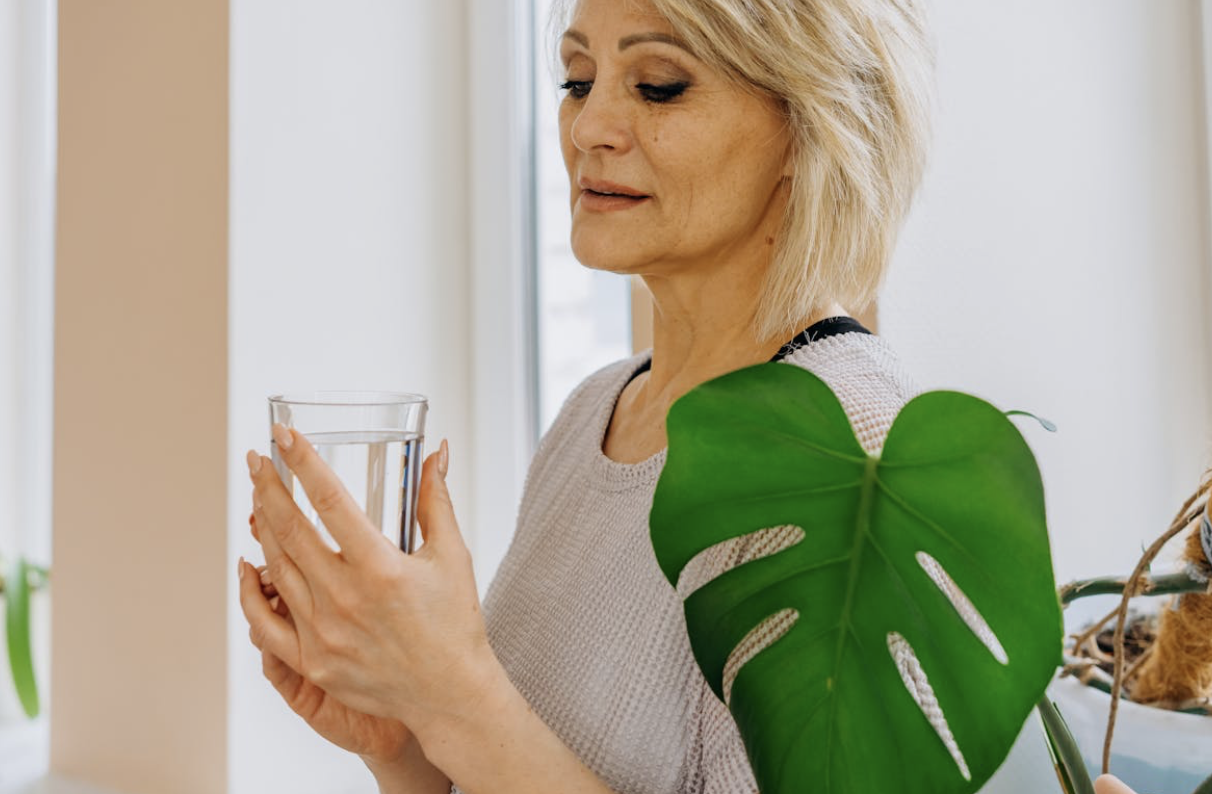
Strength training and regular movement help stimulate bone remodeling while supporting the collagen framework that keeps bones resilient with age.
Collagen For Bone Density: Why It Matters More After 50
How Aging, Menopause, And Bone Loss Are Closely Connected
Collagen plays a foundational role in skeletal integrity, yet it is often overshadowed by discussions surrounding calcium and vitamin D. For women entering menopause and older adults experiencing age-related bone loss, collagen deserves greater clinical attention because it provides the structural matrix upon which minerals are deposited. Approximately 90% of the organic bone matrix is composed of Type I collagen, making it essential for both bone flexibility and strength.
After the age of 50, collagen production declines steadily, and this reduction accelerates during menopause due to falling estrogen levels. The consequences extend beyond skin aging. Reduced collagen synthesis may contribute to decreased bone mineral density, impaired bone remodeling, and greater fracture susceptibility. While mineral loss is a major concern, compromised collagen architecture can also reduce bone resilience, increasing brittleness even before osteoporosis is formally diagnosed.
Emerging evidence suggests that collagen peptide supplements may support osteoblast activity and improve markers associated with bone formation. Clinicians increasingly recognize that healthy bone tissue depends not only on mineral density scores, but also on bone quality and microarchitecture.
For aging populations, particularly postmenopausal women, a comprehensive bone health strategy should include evaluation of:
- Dietary protein intake
- Collagen status and connective tissue health
- Resistance exercise participation
- Vitamin D and calcium sufficiency
Addressing collagen loss early may help support healthier aging trajectories while complementing traditional osteoporosis prevention protocols.
The Powerful Link Between Type I Collagen And Calcium
Why These Two Nutrients Work Better Together For Stronger Bones
Calcium is frequently positioned as the primary nutrient for bone health, yet calcium alone cannot create structurally sound bone tissue. Type I collagen serves as the framework that allows calcium crystals to bind effectively within the skeletal matrix. Without sufficient collagen integrity, mineralization may become less organized and potentially less effective at preserving bone strength.
Type I collagen is the dominant collagen found in bone, tendons, and ligaments. Within bone tissue, it forms flexible fibers that contribute tensile strength and resistance to fracture. Calcium and phosphorus are subsequently deposited into this collagen-rich matrix, creating the combination of flexibility and rigidity necessary for healthy skeletal function.
This relationship becomes especially important during menopause and advanced aging, when both collagen synthesis and calcium absorption decline simultaneously. Patients may maintain adequate calcium intake yet still experience reduced bone quality if collagen turnover is impaired.
Clinical interest in collagen supplements has grown because hydrolyzed collagen peptides may stimulate osteoblast activity and support extracellular matrix formation. Some studies have demonstrated improvements in bone turnover markers when collagen is combined with calcium and vitamin D interventions.
From a practical standpoint, healthcare providers may consider encouraging patients to view bone health through a broader lens that includes structural proteins alongside minerals.
Supportive strategies may include:
- Adequate calcium intake from food or supplements
- Vitamin D optimization for calcium absorption
- Protein-rich nutrition to support collagen synthesis
- Resistance and weight-bearing exercise
- Supplemental collagen peptides when clinically appropriate
Rather than competing interventions, calcium and Type I collagen function synergistically to support skeletal resilience throughout the aging process.

Healthy aging depends on strong bones, joints, and connective tissue.
Can Collagen Help Prevent Osteoporosis?
What Research Says About Bone Strength, Fracture Risk, And Healthy Aging
Osteoporosis remains one of the most prevalent age-associated diseases affecting postmenopausal women and older adults. Traditionally, prevention strategies have centered on calcium, vitamin D, pharmacologic therapies, and exercise. However, growing research has highlighted collagen as an important component in maintaining bone quality and potentially reducing osteoporosis progression.
Bone is not composed solely of minerals. Approximately one-third of bone mass consists of organic material, primarily Type I collagen. This collagen network contributes elasticity and structural support, helping bones absorb stress without fracturing. As collagen declines with age, bones may become increasingly fragile even when mineral density loss appears modest.
Several clinical studies examining bioactive collagen peptides have reported promising findings. Research has demonstrated improvements in bone mineral density markers and bone formation biomarkers among postmenopausal women using collagen supplements over extended periods. While collagen should not be viewed as a replacement for established osteoporosis therapies, it may represent a valuable adjunctive intervention.
Importantly, osteoporosis prevention requires a multifactorial approach. Collagen support is most effective when integrated into broader lifestyle and clinical management plans.
Key considerations include:
- Early screening for osteopenia and osteoporosis
- Nutritional optimization, including protein intake
- Strength training and balance-focused exercise
- Hormonal considerations during menopause
- Fall prevention strategies in older adults
For clinicians and health-focused writers alike, the evolving conversation around osteoporosis increasingly recognizes that bone strength depends on more than mineral density alone. Supporting collagen integrity may contribute to improved skeletal quality and long-term mobility in aging populations.
Collagen And Arthritis Relief: Supporting Joints While Protecting Bones
How Collagen May Ease Stiffness, Improve Mobility, And Support Skeletal Health
Arthritis and osteoporosis frequently coexist in aging adults, particularly among postmenopausal women. Although these conditions affect different tissues, they share common risk factors including aging, inflammation, hormonal decline, and reduced physical activity. Collagen occupies a unique position in this discussion because it contributes to both joint integrity and skeletal support.
Cartilage is composed largely of collagen, especially Type II collagen, while bone primarily relies on Type I collagen. As endogenous collagen production declines with age, patients may experience joint stiffness, cartilage degeneration, reduced mobility, and compromised bone resilience simultaneously. This overlap helps explain why maintaining connective tissue health may benefit both arthritis management and bone preservation efforts.
Some evidence suggests collagen supplements may support joint comfort and mobility by providing amino acids involved in connective tissue repair. In osteoarthritis populations, hydrolyzed collagen has been associated with reductions in joint discomfort and improvements in physical function. Better mobility may indirectly support bone health by allowing patients to remain physically active, which is critical for preserving bone density.
Healthcare professionals should also recognize the cyclical relationship between arthritis and osteoporosis. Joint pain often reduces exercise participation, contributing to muscle loss and declining bone strength over time.
Supportive interventions may include:
- Anti-inflammatory dietary patterns
- Physical therapy and resistance training
- Weight management strategies
- Adequate protein and collagen intake
- Fall prevention and mobility support
While collagen is not a standalone treatment for arthritis or osteoporosis, it may complement broader musculoskeletal health strategies designed to preserve independence and quality of life in aging adults.

Stretching and weight-bearing exercise can support long-term bone health.
Best Sources Of Collagen For Bone Density Support
Comparing Powders, Supplements, Bone Broth, And Food-Based Options
Collagen supplements have become one of the most widely used nutritional tools for healthy aging, and interest continues to grow among clinicians focused on bone and connective tissue support. While dietary approaches remain important, supplements often provide a more concentrated and standardized source of collagen peptides, making them a practical option for adults concerned about bone density, menopause-related changes, and musculoskeletal health.
Hydrolyzed collagen peptides are particularly popular because they are broken into smaller amino acid chains that are easier to digest and incorporate into daily routines. Powders can be mixed into beverages, while capsules offer convenience for patients seeking simplified supplements protocols. Products that combine collagen with calcium, magnesium, vitamin D, or vitamin K2 may provide broader bone-supportive benefits when appropriately formulated.
That said, supplements should complement—not replace—a nutrient-rich diet. Natural food sources still contribute valuable amino acids and micronutrients that support collagen synthesis within the body.
Common collagen-supportive sources include:
- Hydrolyzed collagen powders and capsules
- Bone broth prepared from slow-simmered animal bones
- Protein-rich foods such as fish, poultry, and eggs
- Vitamin C-rich produce that supports collagen formation
- Mineral-rich foods containing calcium and magnesium
For medical professionals counseling aging patients, supplement selection should prioritize quality testing, ingredient transparency, and realistic expectations. Although research surrounding collagen and bone density is encouraging, outcomes are typically gradual and most effective when paired with exercise, adequate protein intake, and overall metabolic health support.
Signs Your Body May Need More Collagen During Menopause
Common Symptoms Linked To Declining Collagen Production After Midlife
Menopause represents a significant physiological transition marked by hormonal fluctuations that affect nearly every connective tissue system in the body. Declining estrogen levels contribute to accelerated collagen loss, with some estimates suggesting women may lose up to 30% of skin collagen within the first five years after menopause. However, the impact extends well beyond cosmetic changes.
Collagen is essential for maintaining bone strength, joint flexibility, muscle integrity, vascular health, and connective tissue resilience. As production decreases, patients may experience subtle but progressive symptoms that are often attributed simply to “aging.” Recognizing these changes early may help guide preventative health strategies focused on musculoskeletal preservation.
Common signs associated with declining collagen production may include reduced skin elasticity, joint stiffness, slower recovery from exercise, brittle nails, thinning hair, and increasing discomfort during physical activity. In some individuals, declining collagen may also contribute to reduced mobility and heightened concern about bone fragility over time.
From a clinical perspective, menopause management should incorporate discussions around nutrition, protein intake, resistance training, and connective tissue support rather than focusing exclusively on hormonal symptoms.
Patients may benefit from interventions that support collagen production, including:
- Adequate dietary protein consumption
- Vitamin C intake to aid collagen synthesis
- Weight-bearing and strength-training exercise
- Smoking cessation and reduced alcohol intake
- Clinically appropriate collagen supplements
By reframing collagen decline as part of broader musculoskeletal aging, healthcare professionals can help patients adopt proactive strategies that support function, mobility, and quality of life throughout menopause and beyond.
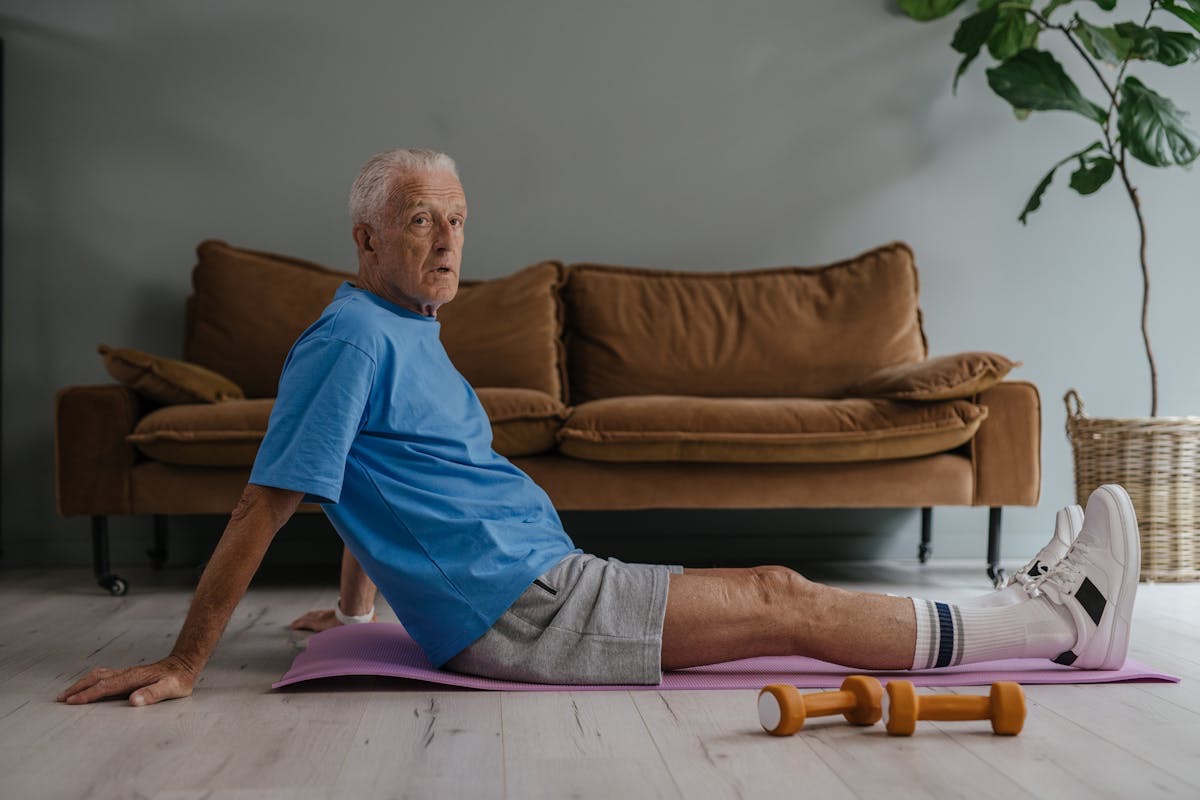
Bone health after 50 relies on movement, nutrition, and connective tissue support.
How To Build A Daily Routine For Better Bone Health Naturally
Simple Habits Combining Collagen, Nutrition, Exercise, And Lifestyle Support
Long-term bone health is shaped by daily habits accumulated over decades rather than by a single intervention. For aging adults and postmenopausal women, sustainable lifestyle practices are critical for preserving bone density, reducing fracture risk, and maintaining mobility. While collagen supplements may provide supportive benefits, optimal skeletal health depends on a comprehensive routine that integrates nutrition, exercise, sleep, and metabolic health.
Resistance and weight-bearing exercise remain among the most effective non-pharmacologic tools for stimulating bone remodeling. Activities such as walking, strength training, stair climbing, and balance-focused movement can help preserve both muscle mass and skeletal integrity. Exercise also improves coordination and stability, lowering fall risk in older populations.
Nutritionally, bone-supportive routines should emphasize adequate protein intake alongside calcium, vitamin D, magnesium, and collagen-supportive nutrients. Hydration, sleep quality, and inflammation management also influence connective tissue recovery and overall musculoskeletal function.
A practical daily bone health routine may include a morning protein-rich meal, regular physical activity, sufficient sunlight exposure or vitamin D support, and consistent hydration throughout the day. For some individuals, incorporating collagen peptides into coffee, smoothies, or snacks may improve adherence to nutritional goals.
Importantly, clinicians should encourage patients to think beyond bone density scans alone. Healthy aging depends not only on stronger bones, but also on maintaining mobility, confidence, balance, and independence. A holistic routine that supports connective tissue health can play an important role in helping older adults remain active and resilient throughout later life.
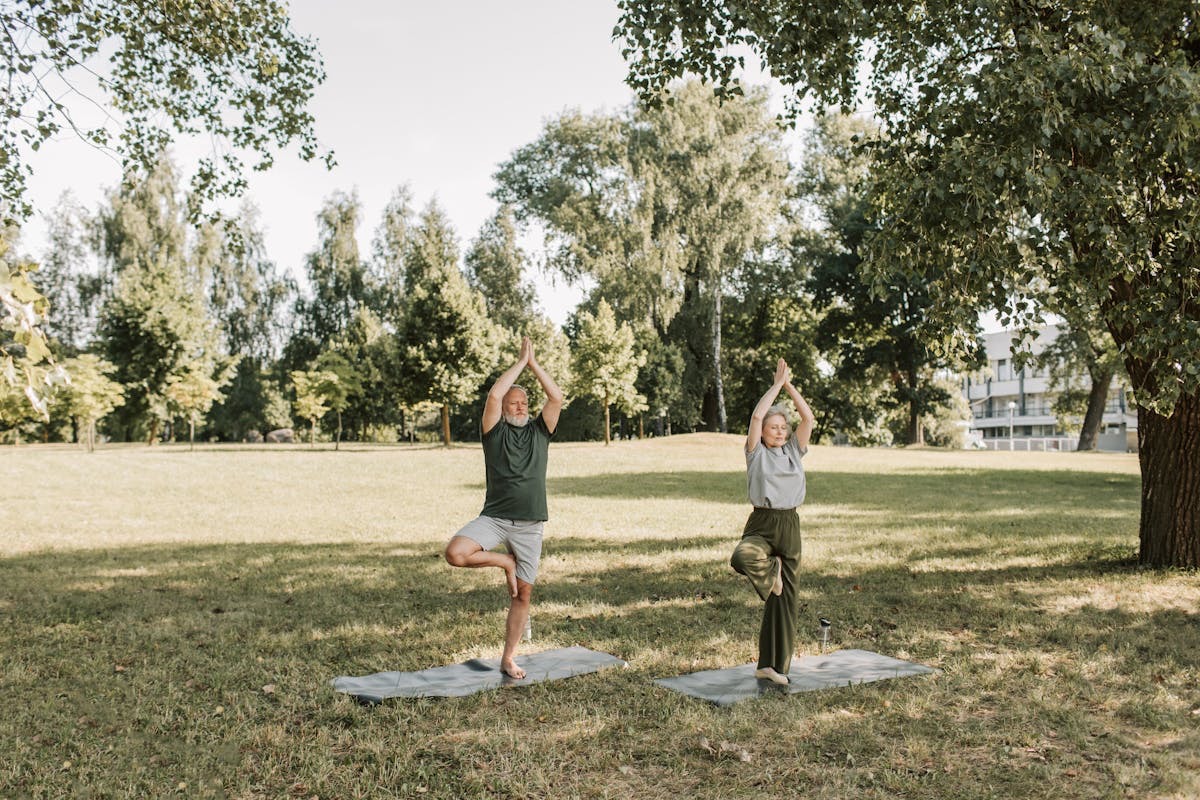
Staying active may help preserve collagen and mobility after menopause.
A More Complete Approach To Bone Health After 50
Healthy aging requires a broader perspective on bone health than many people have traditionally been taught. Calcium and vitamin D remain critically important, but they represent only part of the equation. Bones are living, dynamic tissues supported by a complex internal framework, and collagen serves as one of the body’s most important structural building blocks.
As this article has explored, Type I collagen plays a central role in bone integrity by forming the matrix that supports mineralization and skeletal flexibility. Without sufficient collagen support, bones may become increasingly fragile over time, even when calcium intake appears adequate. This is particularly relevant during menopause and later adulthood, when natural collagen production declines significantly.
The relationship between collagen, osteoporosis, arthritis, and mobility also highlights the interconnected nature of musculoskeletal health. Bone density cannot be fully separated from joint function, muscle strength, connective tissue resilience, or physical activity levels. Maintaining mobility is often what allows aging adults to continue protecting their bones through movement and resistance exercise.
Emerging research surrounding collagen supplements is encouraging, especially when combined with proper nutrition, strength training, and lifestyle interventions. However, the most effective approach remains comprehensive rather than singular. Long-term skeletal health is best supported through consistent habits that include adequate protein intake, weight-bearing exercise, nutrient sufficiency, inflammation management, and preventative care.
For healthcare professionals and health-conscious readers alike, the growing focus on collagen reflects an important shift in how aging is understood. The goal is no longer simply preserving bone density numbers on a scan, but supporting strength, stability, independence, and quality of life throughout the aging process.
Ultimately, collagen represents more than a wellness trend. It is an increasingly important part of the conversation surrounding bone health, menopause, and healthy longevity.