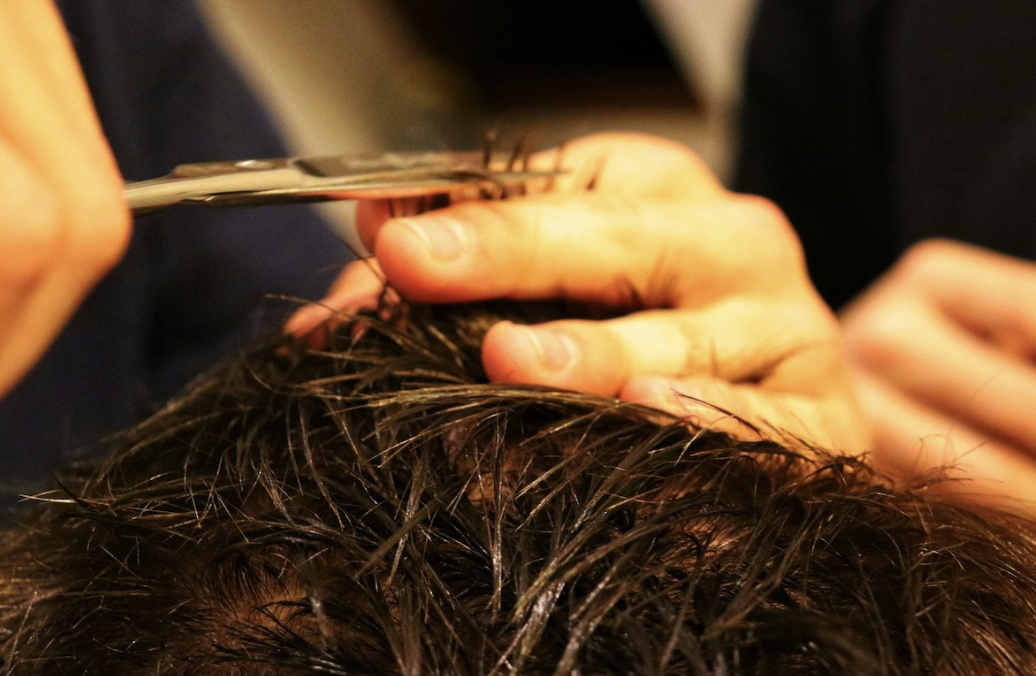
Hair thinning is a concern that affects millions of men and women at various stages of their lives. Whether it appears gradually with age, follows periods of high stress, or develops due to a nutritional imbalance, hair thinning can have both physical and emotional impacts. While genetics and hormones are often discussed as primary causes of hair thinning there are many other factors that can contribute to hair loss. And one of the most overlooked is nutrition. Nutrition can play a key role in the hair thinning process. Among the many nutrients associated with hair health, Biotin has gained significant attention as a potential support for stronger, thicker-looking hair.
Biotin is a water-soluble B vitamin that helps your body convert food into energy that’s in a form the body can actually use. More importantly for hair health, biotin supports the production of keratin, the structural protein that forms the foundation of every strand of hair. You might not think of them, but your hair follicles are among the most metabolically active cells in your whole body. And as such your hair follicles require a steady supply of nutrients to function at their peak performance. Whenever the body lacks the key nutrients it needs, hair growth can slow, and strands may become weaker and easier to break.
Although biotin deficiency is relatively uncommon, it can contribute to noticeable hair thinning when it does occur. In such cases, supplementation may help restore normal hair production and improve the strength of the hair. However, biotin is not a miracle cure for all forms of hair loss. Understanding how it works and who can benefit from biotin is essential for setting realistic expectations. In this article, we explore the science behind biotin, its role in hair structure and growth, and how it fits into a comprehensive strategy for addressing hair thinning.

What Kind of Vitamin is Biotin?
The Difference Between Water-Soluable and Fat-Soluable VItamins
Biotin is a very popular vitamin/supplement that is widely considered to be beneficial for your hair, skin, and nails. And it is very easy on your system because you naturally need biotin because it is actually vitamin B7. And just like all seven other B vitamins, it is water soluble. And water soluble vitamins are easy and safe to take because any excess of the vitamin is just flushed from your system whereas fat soluble vitamins are stored in your body’s fat cells, which means that if you take too much of them the excess can build up and stay in your system where they can reach toxic levels. Always be sure to be extra careful when taking fat soluble vitamins.
The common fat soluble vitamins are Vitamin A, D, E, and K. Whereas all 8 B vitamins (including Biotin) and Vitamin C supplements are water soluble and are very safe and easy on your body. And this means that you might already be taking Biotin without knowing it because it is commonly included in Vitamin B-Complex Vitamins. These can be great because you can have many added benefits on top of taking Biotin by itself.
The B Vitamins
- Vitamin B1 – Thiamine
Key role: Energy metabolism, nerve function - Vitamin B2 – Riboflavin
Key role: Energy production, skin and eye health - Vitamin B3 – Niacin
Used For: Metabolism, cholesterol regulation - Vitamin B5 – Pantothenic acid
Used For: Hormone production, energy metabolism - Vitamin B6 – Pyridoxine
Used For: Brain development, amino acid metabolism - Vitamin B7 – Biotin
Also known as: Vitamin H
Used For: Hair, skin, and nail health; metabolism - Vitamin B9 – Folate
Used For: DNA synthesis, cell division - Vitamin B12 – Cobalamin
Used For: Red blood cell formation, nerve function
Although you can get biotin from a B Complex Vitamin the amount contained in a B Complex supplement (30mg-100) is not enough to be effective when it comes to hair loss. Whereas a dedicated biotin supplement can have up to 100x the amount in a B Complex, which means that if you want to use your biotin for hair thinning you will have to take dedicated biotin each day. But this doesn’t mean you have to worry about taking it on top of your B Vitamin, since it’s water soluble any extra is simply washed from your system.

The Role of Biotin in Keratin Production
How Keratin Support May Reduce Hair Thinning
Biotin (vitamin B7) plays a central role in converting the food that we eat into energy and supporting keratin production. Keratin is the primary structural protein that makes up hair, skin, and nails. Biotin functions as a building block for amino acids and as such it helps provide the building blocks necessary for healthy hair growth.
When someone is deficient in biotin (due to certain medical disorders, restrictive diets, pregnancy, or prolonged antibiotic use) thinning hair and brittle hair are common symptoms. In these cases, supplementation can help restore a person's normal level of hair growth by correcting the underlying deficiency. As biotin levels normalize, the body is better able to produce keratin efficiently, which can help improve hair strength and the thickness of the strands of hair, making the hair more resilient over time.
It’s important to note that biotin supplements are most effective for individuals who have an actual deficiency. For people with normal biotin levels, evidence supporting dramatic hair regrowth is limited. However, because biotin is generally safe and water-soluble, many people use it as part of a broader hair-health strategy that includes adequate protein intake, balanced nutrition, and proper scalp care!
How Biotin Supports the Hair Growth Cycle
Nutritional Support for Hair Thinning During Growth Phases
Hair growth occurs in 3 main phases
- 1 - Anagen
- The cycle when hair is growing.
- 2 - Catagen
- The cycle where the hair transitions from growing to resting.
- 3 - Telogen
- The cycle where the hair rests and shedding occurs.
Healthy hair depends on follicles smoothly cycling through all 3 of these stages. And your nutrition plays a key role in maintaining this balance. And the biotin in the body helps contribute by supporting the metabolic processes that fuel follicle activity.
Hair follicles are among the most rapidly dividing cells in the body, meaning they require consistent energy and nutrition. Biotin helps convert carbohydrates, fats, and proteins into usable cellular energy. This steady energy supply is important during the anagen phase, when hair actively grows.
If the body lacks sufficient nutrients, including biotin, follicles may prematurely shift into the resting phase, contributing to increased shedding or slowed regrowth. In cases where hair thinning is linked to nutritional deficiency, restoring adequate biotin intake can help support normal follicle cycling.
Although biotin alone does not override genetic or hormonal causes of hair loss, it can help maintain optimal follicle function when deficiency or metabolic stress is a contributing factor.

Biotin Deficiency and Hair Thinning
Does A Biotin Deficiency Cause Hair Thinning?
True biotin deficiency is relatively uncommon, but when it occurs, hair thinning is maybe its most recognizable symptom. Other signs of a biotin deficiency include brittle nails, skin rashes, and feeling tired or fatigued. Biotin deficiency is uncommon, but certain groups of people are at a much higher risk of developing one. And this includes anybody with a gastrointestinal disorder that impair their nutrient absorption, people on restrictive diets, pregnant women, and people who have used antibiotics long term.
Because biotin is water-soluble and not stored in large amounts in the body, consistent intake is important. When levels drop too low, the body may prioritize essential organs over hair production, because hair production is not vital for your survival so it moves down your body's priority list. As a result, hair growth can slow and strands may weaken, and the reduced growth and brittle strands lead to noticeable hair thinning
In documented cases of deficiency, supplements have been shown to help cause noticeable improvement in how thick the hair is and reduce the shedding of weak strands over time.
However, it is important to recognize that taking extra supplements to boost your biotin level beyond normal levels does not necessarily produce any additional benefits.
For individuals experiencing unexplained hair thinning, evaluating overall nutritional status—including biotin levels—can help determine whether biotin supplements may be beneficial as part of a targeted treatment plan.
Biotin’s Role in Energy Metabolism
Cellular Energy Production and Its Impact on Hair Thinning
Hair follicles are metabolically active mini-organs that require a continuous supply of energy to produce new hair fibers. Biotin plays a central role in energy metabolism by acting as a coenzyme involved in breaking down carbohydrates, fats, and proteins.
This metabolic support ensures that the cells within hair follicles can generate the energy needed for rapid cell division during the growth phase. When energy production is compromised due to nutrient deficiency, hair production may slow, and follicles may become less efficient.
By supporting these biochemical pathways, biotin helps maintain an environment where follicles can function optimally. In individuals with insufficient biotin intake, restoring adequate levels can improve metabolic efficiency and indirectly support healthier and thicker hair growth.
While energy metabolism is only one piece of the hair health puzzle, it is a foundational one. Adequate biotin intake helps ensure that follicles have the cellular fuel necessary to sustain consistent growth and maintain the strength of normal strands of hair.

How Biotin Improves Hair Elasticity
Reducing Breakage-Related Hair Thinning
Hair thinning is not always caused by reduced follicle output; sometimes it is the result of breakage. Weak and brittle strands of hair snap pretty easily which means normal wear and tear causes the hair to look thinner and less dense. Biotin may help improve hair strength and thickness by supporting the internal protein structure of each and every strand.
By contributing to the production of keratin, biotin can enhance elasticity and therefore reduce the fragility of hair strands because they will become far less brittle. Stronger strands are less prone to breakage from brushing, heat styling, or environmental stressors. Over time, this reduction in breakage can make hair appear fuller and healthier.
For individuals with brittle hair linked to nutrient deficiency, biotin supplementation may lead to improved texture and durability within a few months. However, consistently taking a biotin supplement and being patient are important factors because hair grows slowly so results won’t be apparent immediately.
When combined with gentle hair care practices and adequate protein intake, biotin can support stronger strands that resist damage and maintain thickness.
Biotin as Part of a Complete Hair Health Strategy
A Holistic Approach to Managing Hair Thinning
While biotin can support hair strength and growth, it works best as part of a comprehensive approach to hair health. Hair production depends on adequate protein, iron, zinc, essential fatty acids, and overall caloric intake. Stress management and hormonal balance also play major factors in healthy hair follicle functioning.
Biotin contributes to keratin production and energy metabolism, but it cannot compensate for deficiencies in other key nutrients. For example, low iron levels are a common contributor to hair thinning, particularly in women. Addressing these factors alongside biotin supplementation creates a more supportive environment for regrowth.
Scalp health is another important consideration. Maintaining a clean, well-balanced scalp environment supports healthy follicles and reduces inflammation that may interfere with growth. But there are also other supplements that will increase biotin’s effectiveness.
Collagen and Biotin can work together to support healthier, fuller-looking hair. Collagen is a structural protein that helps maintain the strength and elasticity of the skin and scalp, creating a supportive environment for hair follicles. It also provides amino acids that contribute to keratin production. Biotin, meanwhile, plays a key role in metabolizing those amino acids and supporting keratin infrastructure within the hair strands themselves. Together, collagen supplies important building blocks, while biotin helps the body utilize them efficiently. This complementary relationship may reduce breakage and support stronger strands, helping minimize the appearance of hair thinning over time.
When viewed as one component of a balanced nutritional and lifestyle strategy, biotin can help reinforce the structural and metabolic foundations necessary for stronger, thicker-looking hair over time.

Hair thinning is rarely caused by a single factor. Instead, it often reflects a combination of genetics, hormonal changes, stress levels, lifestyle habits, and nutritional balance. While no supplement can override every underlying cause, ensuring the body has the nutrients it needs to support healthy hair production is a logical and proactive step. Biotin stands out because of its direct involvement in keratin infrastructure and cellular energy metabolism — two foundational elements of strong, resilient hair.
For individuals with a confirmed or suspected biotin deficiency, taking supplements can make a meaningful difference. Restoring adequate levels of biotin may improve strand strength, reduce breakage, and support healthier growth patterns over time. Even in those without a clear deficiency, maintaining sufficient biotin intake can serve as part of a broader nutritional safety net that promotes overall hair quality.
Ultimately, improving hair thinning requires patience and a realistic understanding of what supplements can and cannot do. Biotin is not a quick fix, but it does support the biological systems that make healthy hair possible. When combined with a balanced lifestyle and targeted nutritional support, it can help reinforce the structural and metabolic foundations necessary for thicker, stronger-looking hair over time.