



Menopause marks a significant transition in every woman's life, bringing changes that extend far beyond the end of menstrual cycles. Hot flashes, night sweats, and mood swings often steal the spotlight, but the hormonal shifts during menopause trigger a cascade of less visible yet equally important changes throughout the body. Among these changes, declining collagen production stands out as a key factor affecting skin elasticity, joint health, bone density, and overall vitality.
As estrogen levels drop during menopause, collagen synthesis slows dramatically, leading to visible signs of aging and internal structural changes that impact quality of life. This connection between hormonal changes and collagen loss has sparked interest in collagen supplementation as a potential tool for managing menopausal symptoms and supporting overall wellness during this transition. We’ll take a look at the relationship between collagen and menopause, the science behind collagen supplementation, and how to incorporate collagen into your menopausal wellness strategy.
Understanding Collagen and Its Role in the Body
What Is Collagen?
Collagen is the most abundant protein in the human body, accounting for approximately 30% of total protein content. This structural protein acts as the primary building block for skin, bones, tendons, ligaments, cartilage, blood vessels, and many other tissues. Think of collagen as the scaffolding that holds your body together, providing strength, structure, and elasticity to various tissues.
There are at least 28 different types of collagen identified in the human body, but five types account for the vast majority. Type I collagen makes up about 90% of the body's collagen and is found in skin, bones, tendons, and ligaments. Type II collagen is the main component of cartilage, crucial for joint health. Type III collagen supports the structure of muscles, organs, and arteries. Type V collagen is found in hair, the surfaces of cells, and placenta tissue. Type X collagen plays a role in bone formation and cartilage development.

Natural Collagen Production and Decline
Your body naturally produces collagen through a complex process involving amino acids, vitamin C, copper, and other nutrients. Specialized cells called fibroblasts synthesize collagen molecules that then assemble into fibrils, creating the strong, flexible structures that support your tissues.
However, collagen production naturally declines with age, beginning as early as your mid-20s. By age 40, your body produces approximately 1% less collagen each year. This gradual decline accelerates significantly during menopause due to the dramatic drop in estrogen levels, which play a crucial role in maintaining collagen synthesis.
The Menopause-Collagen Connection
How Estrogen Affects Collagen Production
Estrogen does far more than regulate reproductive function. This hormone profoundly influences collagen metabolism throughout the body. Estrogen receptors exist in skin fibroblasts, the cells responsible for collagen production, and estrogen stimulates these cells to produce more collagen while also inhibiting enzymes that break down existing collagen.
Research shows that women lose approximately 30% of their skin collagen in the first five years of menopause, with a continued decline of about 2% per year for the next 20 years. This dramatic loss occurs because declining estrogen levels reduce collagen synthesis while simultaneously increasing collagen breakdown, creating a double impact on collagen levels.
Physical Changes Related to Collagen Loss During Menopause
The accelerated collagen loss during menopause manifests in numerous ways throughout the body. Understanding these changes helps explain why collagen supplementation has gained attention as a potential support strategy.
Skin changes become particularly noticeable as collagen provides the structural framework that keeps skin firm, smooth, and resilient. With declining collagen, skin becomes thinner, less elastic, and more prone to wrinkles and sagging. The skin's ability to retain moisture also decreases, leading to increased dryness. Many women notice that their skin texture changes significantly during menopause, becoming rougher and losing its youthful suppleness.

Joint discomfort often increases during menopause as collagen loss affects cartilage, the cushioning tissue between bones. As cartilage thins and becomes less effective at absorbing shock, joints may feel stiffer, particularly in the morning, and more prone to discomfort with activity. The knees, hips, and hands frequently experience these changes most noticeably.
Bone density changes represent another critical concern. Collagen forms the organic matrix of bone tissue, providing the framework onto which minerals like calcium attach. As collagen decreases, bones become more brittle and prone to fractures. The rapid bone loss that occurs in the years immediately following menopause is partly due to declining collagen in bone tissue.
Hair and nail changes also reflect reduced collagen production. Hair may become thinner, more brittle, and slower growing. Nails often become more fragile, developing ridges and breaking more easily. These changes occur because collagen supports the structure of hair follicles and nail beds.
The Science Behind Collagen Supplementation for Menopause
Does Collagen Supplementation Actually Work?
The fundamental question is whether consuming collagen supplements can actually increase collagen levels in your body. When you take collagen supplements, digestive enzymes break down the large collagen molecules into smaller peptides and individual amino acids. These components then enter your bloodstream and can be used by your body to build new collagen.
Research increasingly supports the effectiveness of collagen supplementation. Studies show that collagen peptides, which are partially broken down collagen molecules that are easier to absorb, can reach target tissues like skin and joints. Once there, they appear to stimulate fibroblasts to produce new collagen while also potentially reducing the activity of enzymes that break down existing collagen.
Research on Collagen for Menopausal Symptoms
Several studies have specifically examined collagen supplementation in menopausal and postmenopausal women, with promising results in multiple areas. A study found that postmenopausal women who took collagen peptides for eight weeks experienced significant improvements in skin elasticity compared to those taking a placebo. The benefits were particularly pronounced in women over 50, suggesting that collagen supplementation may be especially valuable during and after menopause.

Research on bone health has also shown encouraging results. One study examined the effects of collagen supplementation combined with resistance training in postmenopausal women with reduced bone mineral density. The women taking collagen showed greater improvements in bone mineral density compared to those taking a placebo, suggesting that collagen supplementation may support bone health during the critical period of accelerated bone loss following menopause.
Joint health studies have found that collagen supplementation can reduce joint discomfort and improve function. While these studies haven't focused exclusively on menopausal women, the results are particularly relevant given that joint issues often worsen during menopause due to the combination of collagen loss and hormonal changes.
Benefits of Collagen Supplementation During Menopause
Skin Health and Appearance
Collagen supplementation offers several potential benefits for skin health during menopause. Studies suggest that regular collagen intake can improve skin hydration by supporting the skin's ability to retain moisture, which becomes particularly important as skin naturally becomes drier during menopause. Collagen may enhance skin elasticity, helping reduce the appearance of fine lines and wrinkles while supporting overall skin firmness.
Research also indicates that collagen supplementation can increase skin collagen density, essentially helping to rebuild the structural foundation that provides skin with its youthful appearance. Some studies have found that collagen peptides may stimulate the production of other important skin proteins like elastin and fibrillin, which work alongside collagen to maintain skin structure.
Joint Support and Mobility
Joint health becomes increasingly important during menopause as many women experience new or worsening joint discomfort. Collagen supplementation may help by supporting cartilage health, the cushioning tissue that protects joints from friction and impact. Studies have found that collagen peptides can accumulate in cartilage tissue, where they may stimulate cartilage cells to produce new cartilage matrices.
Women who supplement with collagen often report reduced joint stiffness, particularly the morning stiffness that commonly affects menopausal women. Improved joint mobility and comfort during activity represent additional benefits that can significantly impact quality of life and the ability to maintain an active lifestyle during and after menopause.

Bone Density and Strength
The rapid bone loss that occurs after menopause significantly increases fracture risk, making bone health a critical concern for menopausal women. Collagen supplementation may support bone health through multiple mechanisms. By providing the amino acids necessary for bone collagen synthesis, supplementation supports the organic matrix that forms the foundation of bone tissue.
Some research suggests that collagen peptides may stimulate osteoblasts, the cells responsible for building new bone, while inhibiting osteoclasts, the cells that break down bone tissue. This dual action could help slow bone loss and even promote bone building when combined with adequate calcium, vitamin D, and weight-bearing exercise.
Hair and Nail Health
While less extensively studied than skin and bone benefits, collagen supplementation may also support hair and nail health during menopause. Collagen provides amino acids that serve as building blocks for keratin, the protein that makes up hair and nails. Women supplementing with collagen often report stronger, faster-growing nails and improvements in hair thickness and growth.
Dr. Emil's Collagen Solutions for Menopausal Support
Multi Collagen Plus
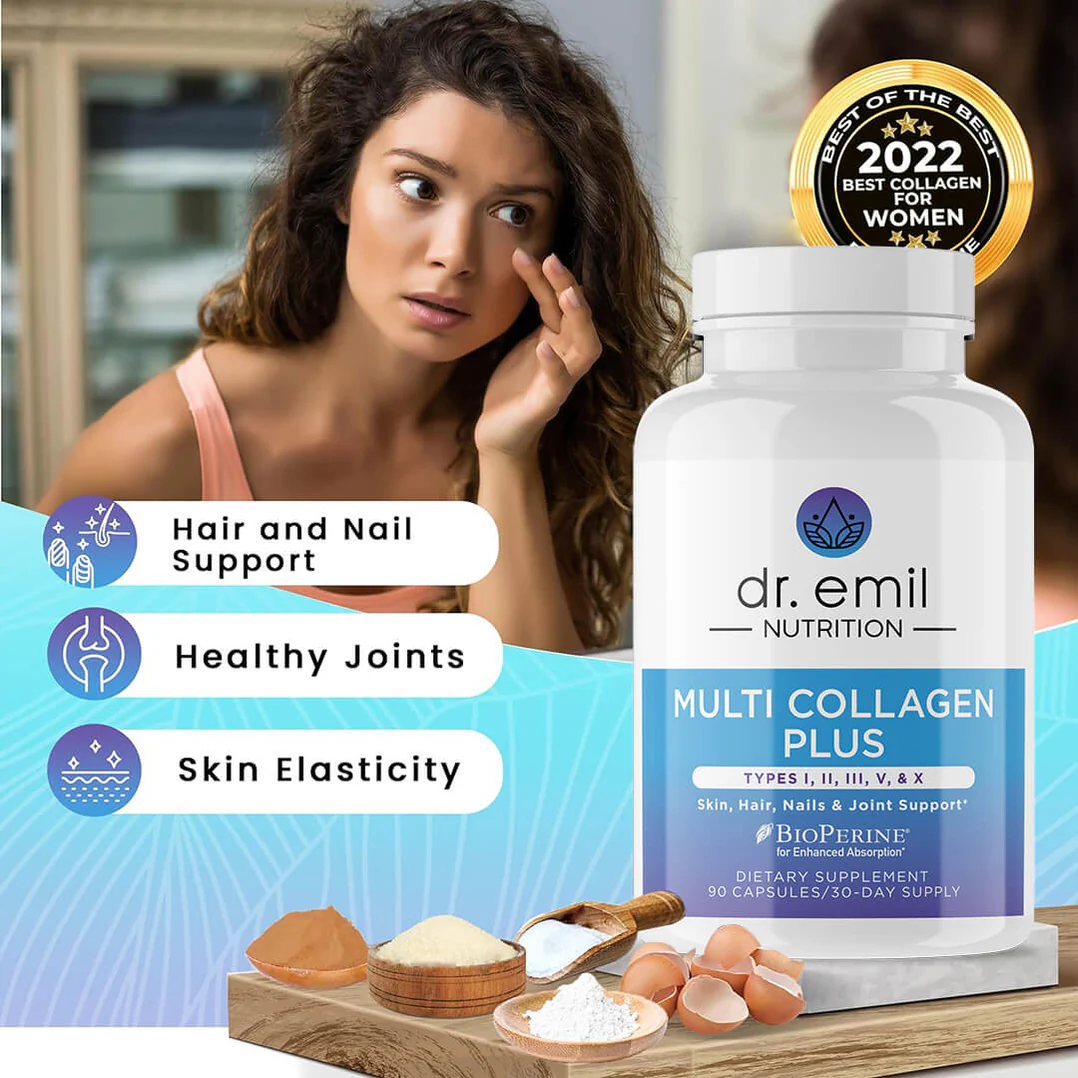
Dr. Emil's Multi Collagen Plus provides comprehensive support through five premium collagen types in convenient, fast-absorbing capsules. This advanced formula combines 100% grass-fed beef, chicken, eggshell, and marine collagen sources, providing Types I, II, III, V, and X for complete body support. Each dose addresses bone and joint health, skin and hair vitality, anti-aging benefits, and digestive wellness.
Enhanced with BioPerine black pepper extract, this formula ensures superior absorption and faster results. The capsule format eliminates powder mixing while delivering high-potency collagen support. For menopausal women seeking an all-in-one solution addressing skin elasticity, joint comfort, bone health, and overall vitality, Multi Collagen Plus provides science-backed support in a convenient daily format.
Multi Collagen Plus Biotin & Vitamin D
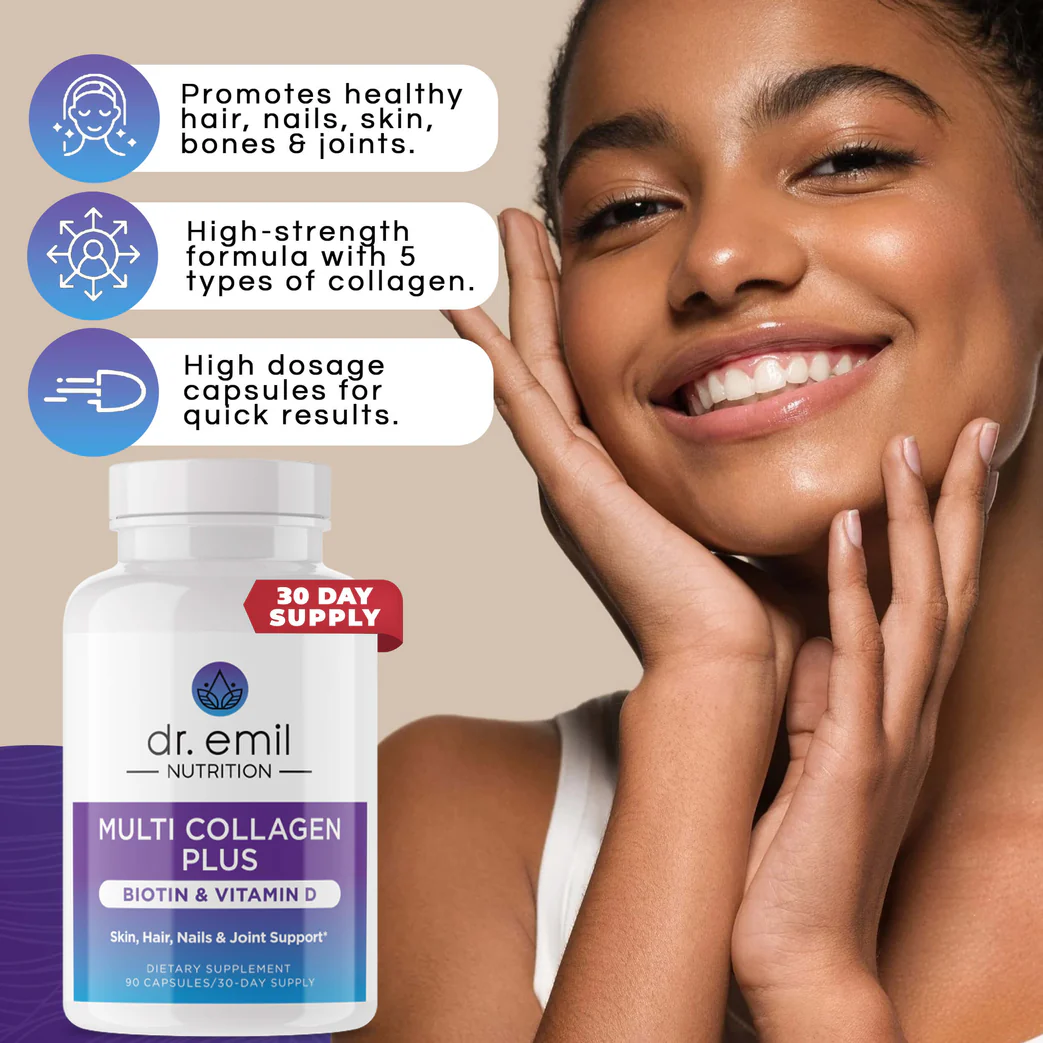
Dr. Emil's Multi Collagen Plus Biotin and Vitamin D combines five collagen peptides with targeted nutrients for comprehensive beauty and structural support. Biotin works synergistically with collagen to provide amino acids essential for keratin production, strengthening hair and nails while improving skin elasticity and reducing dryness. This powerful combination addresses the visible aging signs that accelerate during menopause.
Vitamin D enhances the formula's bone and joint benefits by supporting calcium absorption critical for maintaining bone density and muscle strength. The collagen proteins simultaneously support cartilage health and joint mobility. This doctor-derived formulation specifically targets the dual challenges menopausal women face: accelerated visible aging and declining bone density, offering comprehensive support during this critical transition period.
Multi Collagen Peptides Plus
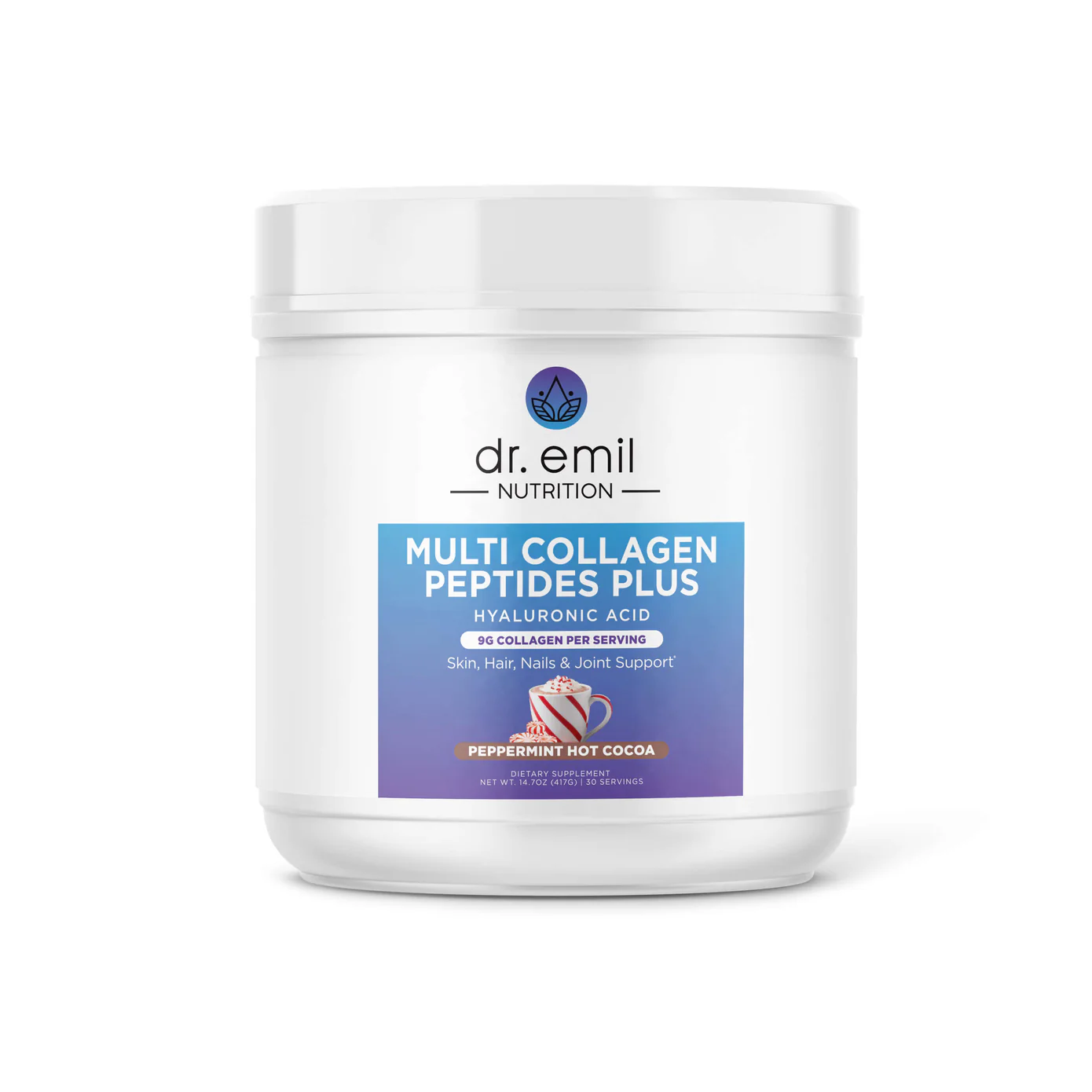
Dr. Emil's Multi Collagen Peptides Plus powders deliver 9 grams of collagen per serving in delicious flavors including Apple Pie, Hot Cocoa, Pumpkin, Matcha, Peppermint Hot Cocoa, Black Tea, and more. Each scoop contains all five collagen types from grass-fed bovine, marine, chicken, and eggshell sources, addressing comprehensive wellness needs. The addition of hyaluronic acid provides intense hydration for plumper, youthful-looking skin while supporting joint comfort and mobility.
The versatile powder format mixes easily into water, coffee, smoothies, or other beverages, making daily supplementation enjoyable and seamless. These formulas support skin elasticity, joint health, and promote youthfulness from within. For menopausal women seeking higher collagen doses in pleasant-tasting formats, these powder options provide flexible, effective support that integrates effortlessly into any daily routine.
Maximizing Collagen Benefits During Menopause
Complementary Nutrients and Lifestyle Factors
While collagen supplementation can provide valuable support during menopause, combining it with complementary nutrients and healthy lifestyle practices maximizes its effectiveness.
Vitamin C is essential for collagen synthesis, as it acts as a cofactor in the enzymes that build collagen molecules. Ensuring adequate vitamin C intake through diet or supplementation supports your body's ability to utilize collagen peptides effectively. Aim for at least 75 to 90 mg daily, with some experts recommending higher amounts during menopause.
Adequate protein intake provides the amino acids necessary for collagen production and overall tissue maintenance. Aim for 0.8 to 1 gram of protein per kilogram of body weight daily, with slightly higher amounts if you're physically active.
Hydration supports skin health and overall cellular function. Adequate water intake helps maintain skin moisture and supports the delivery of nutrients, including collagen peptides, to target tissues.

Sun protection prevents collagen breakdown in the skin. UV radiation accelerates collagen degradation, so daily sunscreen use helps preserve existing collagen while allowing supplementation to work more effectively.
Regular exercise, particularly weight-bearing and resistance training, stimulates bone remodeling and helps maintain bone density. Exercise also supports joint health and may enhance the benefits of collagen supplementation for both bones and joints.
Supporting Your Menopausal Journey with Collagen
Collagen supplementation offers science-backed support for managing physical changes during menopause. While not eliminating all symptoms, research shows it can meaningfully improve skin health, joint comfort, and bone density. The dramatic estrogen decline during menopause accelerates collagen loss, creating specific needs during this transition. For optimal results, combine collagen with balanced nutrition, regular exercise, and stress management. With consistency and realistic expectations, collagen becomes a valuable ally in maintaining vitality throughout menopause and beyond.
%20(1).png)


