
If you're considering Holy Basil (Tulsi) for Stress and Energy: What to Know, the evidence offers a promising—but measured—answer. Tulsi may support the body's response to everyday stress and could indirectly promote steadier energy and overall well-being.
The important distinction is that holy basil isn't a traditional stimulant like caffeine. Rather than creating a sudden surge of energy, its potential benefits may come from supporting stress resilience and other aspects of wellness that influence how energetic you feel throughout the day.
This article takes a closer look at what the research actually tells us.
We'll begin with frequently asked questions about tulsi, including how it may affect stress, whether it can support energy, how it's typically used, and what forms are available.
From there, we'll explore the potential mechanisms behind holy basil's stress-supporting effects and examine why its relationship with energy may be more indirect than some supplement claims suggest.
We'll also discuss dosage considerations, compare tulsi with other popular adaptogens, and review potential side effects and safety concerns.
Finally, we'll consider who may benefit from adding holy basil to a wellness routine—and who should approach it more cautiously.
The bottom line is that tulsi may be a useful complementary supplement for stress resilience and everyday wellness, but it shouldn't be viewed as a cure for chronic stress or unexplained fatigue. The following sections will help put the research, potential benefits, and limitations into perspective.
In this article, we’ll break down:
- Holy Basil (Tulsi) For Stress And Energy: What To Know
- How Holy Basil May Support The Body’s Stress Response
- Holy Basil And Energy: Can Tulsi Help Fight Fatigue?
- Holy Basil Dosage: How Much Tulsi Should You Take?
- Holy Basil Vs. Other Adaptogens: How Does It Compare?
- Holy Basil Side Effects And Safety: What You Should Know
- Who May Benefit From Holy Basil For Stress And Energy?

Holy Basil (Tulsi) For Stress And Energy: What To Know — FAQ
Your Questions Answered About Tulsi, Stress Support, Energy, And Daily Wellness
Q: What Is Holy Basil (Tulsi)?
A: Holy basil, also known as tulsi, is an aromatic herb traditionally used in Ayurvedic wellness practices. Several varieties of Ocimum are referred to as tulsi, and the plant contains naturally occurring compounds being studied for their potential effects on stress and overall well-being.
Q: Can Holy Basil Help With Stress?
A: Research suggests tulsi may help support the body's response to psychological stress. Some human studies have reported improvements in perceived stress and related measures, although more research is needed to establish exactly how effective it is.
Q: Can Holy Basil Increase Energy?
A: Tulsi isn't a traditional stimulant like caffeine. Instead, its potential energy benefits may come indirectly by supporting stress management, sleep quality, and overall resilience.
Q: Is Holy Basil An Adaptogen?
A: Tulsi is commonly described as an adaptogenic herb because of its traditional use for helping the body adapt to stress. However, the term "adaptogen" is broad, and individual responses can vary.
Q: How Long Does Holy Basil Take To Work?
A: It isn't generally considered an instant-effect supplement. Benefits may develop gradually with consistent use, although research protocols vary considerably.
Q: What Forms Of Holy Basil Are Available?
A: Tulsi is available as tea, capsules, extracts, powders, and other preparations. Extracts and supplements may provide more standardized amounts of active compounds than traditional preparations.
Q: Is Holy Basil Safe?
A: Tulsi appears to be well tolerated by many adults when used appropriately, but potential medication interactions and individual health conditions should be considered before supplementation.
How Holy Basil May Support The Body’s Stress Response
Exploring How Tulsi May Help Promote A More Balanced Response To Everyday Stress
Stress is a normal biological response, but persistent psychological or physical stress can leave people feeling mentally drained and less resilient. This is one reason Holy Basil (Tulsi) for Stress and Energy: What to Know has become an increasingly interesting topic in modern herbal research.
Tulsi contains several naturally occurring plant compounds, including eugenol and various polyphenols. Researchers are investigating whether these compounds may influence biological pathways involved in the body's response to stress and oxidative stress.
Human research has produced encouraging findings. Some clinical studies have reported improvements in perceived stress, sleep, and related measures among people using tulsi preparations. However, the evidence remains relatively limited compared with extensively studied nutritional compounds, so tulsi should not be presented as a guaranteed treatment for chronic stress.
Its potential appeal lies in its ability to support stress resilience without relying on a strong stimulant effect. That makes tulsi particularly interesting for people who want daily wellness support without the pronounced stimulation associated with high doses of caffeine.
Stress management still works best as a comprehensive strategy that includes:
- Consistent sleep and recovery
- Regular physical activity
- A nutrient-dense diet
- Healthy social connections
- Practical stress-management techniques
Tulsi can potentially complement these habits rather than replace them. For someone looking for a gentle herbal addition to an established wellness routine, holy basil may be worth considering.

Holy Basil And Energy: Can Tulsi Help Fight Fatigue?
Understanding Whether Tulsi Can Support Steady Energy Without Acting Like A Stimulant
When people hear the word "energy," they often think of caffeine, pre-workout formulas, or other stimulants. Holy basil works differently. Tulsi isn't generally used as a stimulant, so its potential energy benefits may be more subtle.
The connection between stress and energy is important. Ongoing stress can contribute to feelings of exhaustion, difficulty concentrating, and reduced motivation. By potentially supporting a healthier response to everyday stress, tulsi may indirectly help people feel more balanced and capable throughout the day.
Some research involving tulsi has examined outcomes related to stress, sleep, cognition, and general well-being. While these findings are promising, there isn't enough evidence to conclude that holy basil directly increases energy production in the same way that nutrients involved in cellular metabolism or stimulants can affect alertness.
That distinction is important for setting realistic expectations.
If you're considering holy basil for energy, think of it as a resilience-supporting herb rather than an energy booster. It may be particularly appealing to people who want to avoid feeling jittery or overstimulated.
However, persistent fatigue shouldn't automatically be attributed to stress. Poor sleep, inadequate calorie or nutrient intake, anemia, thyroid problems, certain medications, and other health conditions can also contribute to fatigue. Unexplained or persistent exhaustion deserves appropriate medical evaluation\
Holy Basil Dosage: How Much Tulsi Should You Take?
A Practical Look At Common Tulsi Forms, Amounts, And Supplementation Strategies
There isn't one universally established holy basil dosage because tulsi supplements can differ substantially in form, concentration, and standardization. Traditional teas, powders, capsules, and concentrated extracts aren't directly interchangeable.
Clinical studies have used different preparations and amounts, making it difficult to recommend a single dose that applies to everyone. For consumers, one of the most practical approaches is to follow the serving instructions provided by a reputable supplement manufacturer.
When selecting a tulsi product, pay attention to the form of holy basil being used and whether the label clearly identifies the amount per serving. Standardized extracts can make it easier to understand how much of the ingredient you're actually consuming.
For daily use, consider these basic principles:
- Start with the manufacturer's recommended serving.
- Avoid assuming that higher doses produce better results.
- Choose products with transparent labeling and quality-control practices.
- Give your body time to respond rather than expecting immediate effects.
The appropriate amount can also depend on why you're taking tulsi. Someone interested in general wellness may approach supplementation differently from someone specifically looking for stress support.
Because human research on tulsi is still developing, it's best to avoid aggressive dosing strategies. If you're pregnant or breastfeeding, have a chronic health condition, or take prescription medications, discuss holy basil supplementation with a qualified healthcare professional before starting it.

Holy Basil Vs. Other Adaptogens: How Does It Compare?
See How Tulsi Stacks Up Against Popular Adaptogens For Stress And Energy Support
Holy basil is one of several herbs commonly described as adaptogens. Other popular examples include ashwagandha, rhodiola, and eleuthero. Although these ingredients are often grouped together, they don't necessarily work in identical ways.
Tulsi is particularly interesting for people seeking stress and energy support without a strongly stimulating experience. Its traditional history and emerging human research have made it a popular choice for everyday wellness.
Compared with other adaptogens, the evidence base for tulsi is smaller. Some adaptogenic herbs have been studied more extensively for particular outcomes, while tulsi research has explored stress, psychological well-being, sleep, and related measures.
That doesn't make tulsi inferior. It simply means consumers should avoid assuming that all adaptogens have interchangeable effects.
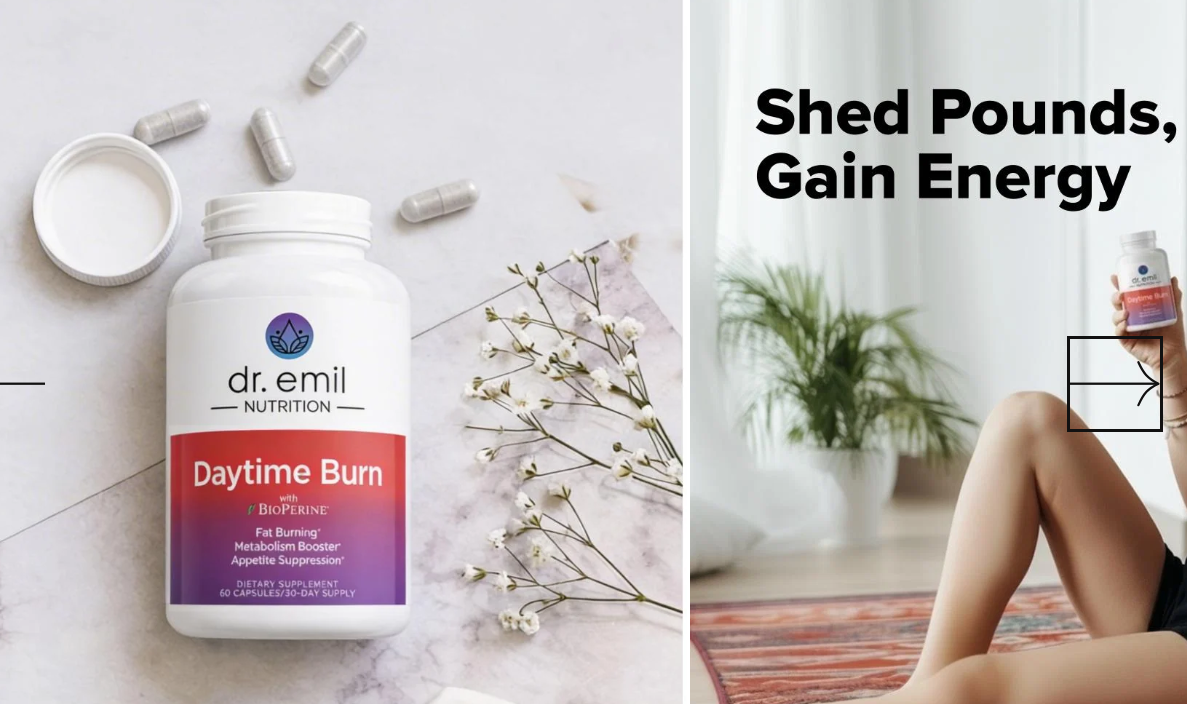
If you are looking for a safe and effective source of holy basil to incorporate into your self care routine then be sure to check out Dr. Emil’s Daytime Burn supplement!
The best choice ultimately depends on individual needs, tolerance, and health circumstances. Rather than searching for the "strongest" adaptogen, it can be more useful to choose an ingredient whose potential benefits align with your goals.
Holy Basil Side Effects And Safety: What You Should Know
Understanding Potential Side Effects, Precautions, And Responsible Tulsi Use
Holy basil appears to be well tolerated by many adults, but that doesn't mean it is completely free of potential side effects. As with any concentrated botanical supplement, individual responses can vary depending on the preparation, dose, health status, and other supplements or medications being used.
Possible concerns may include digestive discomfort or other mild reactions. More importantly, certain people should use additional caution because tulsi could potentially affect biological processes such as blood glucose or blood clotting.
This is particularly relevant for people taking medications that influence these pathways. Anyone using prescription medications should discuss adding a concentrated tulsi supplement with their healthcare professional rather than assuming that an herbal product cannot interact with medication.
Pregnant or breastfeeding individuals should also seek professional guidance before using concentrated holy basil preparations because safety data are limited.
A responsible approach to supplementation includes:
- Following the recommended serving size.
- Monitoring how your body responds.
- Choosing reputable, clearly labeled products.
- Reviewing supplements with your healthcare professional when appropriate.
It's also important to distinguish traditional culinary or tea use from concentrated extracts. A supplement containing a standardized botanical extract can deliver substantially more concentrated compounds than a typical serving of an herbal beverage.
For healthy adults interested in Holy Basil (Tulsi) for Stress and Energy, this doesn't mean the herb should be avoided. Rather, it reinforces the importance of choosing an appropriate product and using it thoughtfully.

Who May Benefit From Holy Basil For Stress And Energy?
Discover Who May Find Tulsi Helpful And How It Can Fit Into A Wellness Routine
Holy basil may be particularly appealing to adults who experience everyday stress and want an herbal option that doesn't depend on strong stimulation. Its traditional use, combined with emerging human research, makes tulsi an interesting candidate for supporting overall resilience and well-being.
People who already prioritize healthy sleep, nutrition, movement, and stress-management practices may find tulsi easiest to integrate into their routine. Rather than expecting it to transform energy levels overnight, it's more realistic to view it as a potentially supportive addition to a broader wellness strategy.
Tulsi may be worth considering for people interested in:
- Everyday stress support
- General resilience and well-being
- A non-stimulant approach to energy support
- Incorporating traditional herbal ingredients into their routine
At the same time, holy basil isn't appropriate for every situation. Persistent fatigue, significant mood changes, sleep problems, or other unexplained symptoms shouldn't simply be treated with an adaptogenic supplement. These symptoms can sometimes signal an underlying health issue that deserves professional evaluation.
Overall, the evidence surrounding Holy Basil (Tulsi) for Stress and Energy: What to Know is promising but still developing. Tulsi shouldn't be oversold as a cure for stress or fatigue, yet its potential benefits make it a reasonable ingredient for people interested in evidence-informed herbal supplementation.
The most effective approach is ultimately a balanced one: build a strong foundation with healthy habits, then consider supplements such as tulsi as complementary tools rather than replacements for those fundamentals.

Is Holy Basil Worth Taking For Stress And Energy?
A Balanced Look At Tulsi's Potential Role In Everyday Wellness
Holy basil has a long history of traditional use, and modern research is beginning to explore why tulsi may be useful for stress and overall well-being.
The evidence suggests that it may help support the body's response to everyday stress and potentially improve certain measures of well-being. Its energy benefits, however, are likely to be more indirect than those associated with traditional stimulants.
That makes Holy Basil (Tulsi) for Stress and Energy an interesting option for people who want herbal support without relying on a highly stimulating ingredient.
At the same time, expectations matter. Tulsi isn't a replacement for quality sleep, nutritious food, physical activity, or effective stress-management strategies. Persistent fatigue or significant stress-related symptoms may also warrant professional evaluation rather than simply adding a supplement.
For healthy adults interested in evidence-informed herbal wellness, tulsi can be a reasonable ingredient to consider. Choosing a reputable product, following appropriate serving recommendations, and discussing supplementation with a healthcare professional when medications or health conditions are involved can help make its use more responsible.
Ultimately, holy basil is best viewed as a supportive tool—not a quick fix. When combined with healthy daily habits, it may have a valuable place in a balanced approach to stress resilience, energy, and overall wellness.