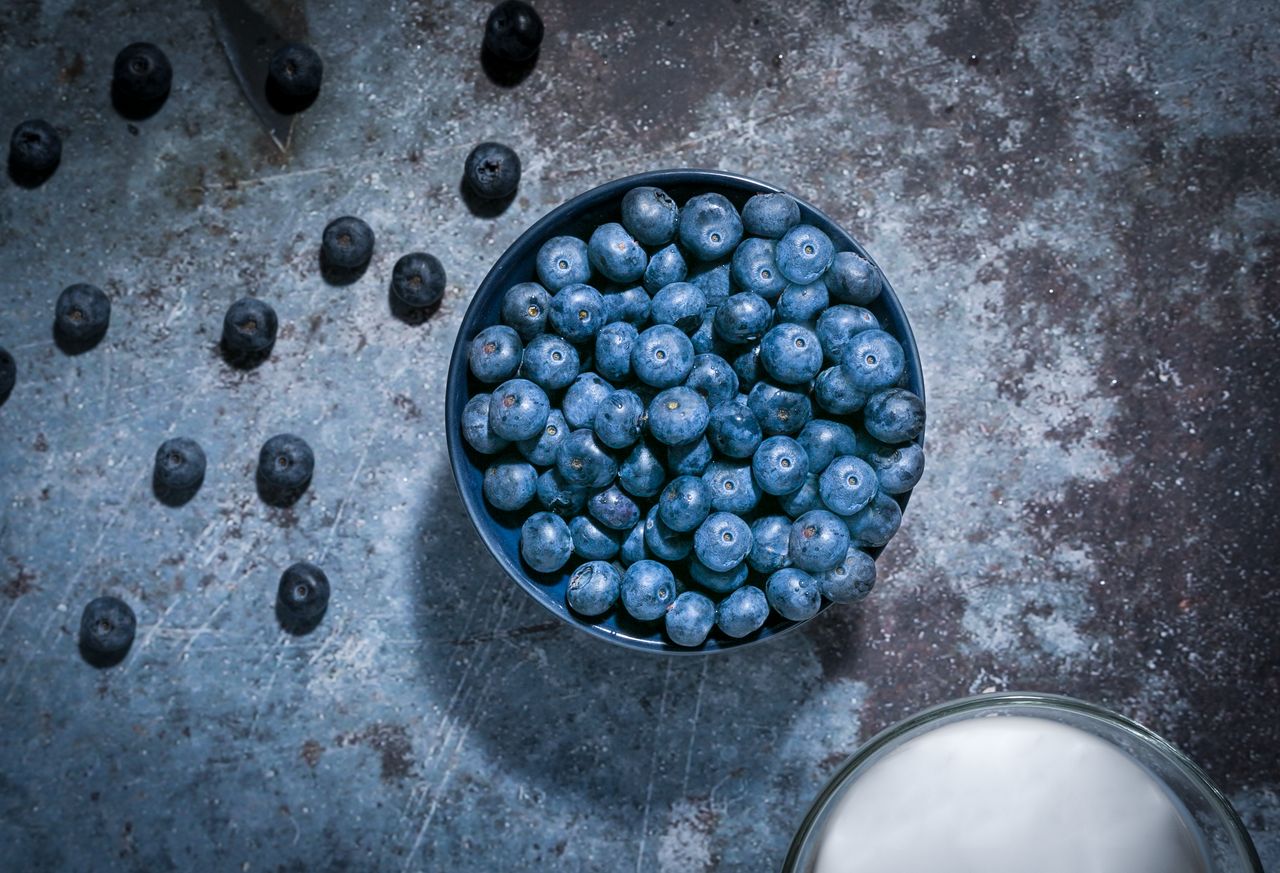
Bilberry and blueberry get used interchangeably in supplement marketing, which is frustrating because they’re genuinely different — not dramatically, but enough that the distinction matters if you’re choosing one for a specific health goal. The short answer: bilberry has a higher concentration of anthocyanins, a longer history of medicinal use, and more targeted research on eye health and vascular function.
Blueberry has a broader nutritional profile, more accessible whole-food benefits, and more general antioxidant and cognitive research behind it. They’re related but not the same, and understanding the difference helps you make a more informed decision about which one actually fits your goals.
What Are Bilberries and How Do They Differ From Blueberries Botanically?
Both bilberry (Vaccinium myrtillus) and blueberry (Vaccinium corymbosum and related species) belong to the Vacciniumgenus, which also includes cranberries, huckleberries, and lingonberries. They’re botanical cousins — close enough to look nearly identical to most people, but distinct enough to have meaningfully different phytochemical profiles.
The most visible difference is internal. Slice a blueberry open and the flesh is pale, almost white. Slice a bilberry and the flesh is deep purple-red all the way through. That color difference is the first clue about what’s inside: bilberries have anthocyanins distributed throughout the entire fruit, while in blueberries the anthocyanins are concentrated primarily in the skin.
This structural difference has practical implications. It means bilberry extract delivers a more concentrated dose of anthocyanins per gram than blueberry, which is one reason bilberry became the focus of traditional medicinal use in Europe long before supplement science formalized the distinction.
Bilberries are native to northern and central Europe, parts of Asia, and northern North America. They’re smaller, darker, and notably more tart than cultivated blueberries. They’ve been used medicinally in European folk medicine for centuries — most notably for improving night vision, a claim that gained traction among World War II RAF pilots who reportedly ate bilberry jam before night missions.
Anthocyanin Concentration: Where the Real Difference Lives
If you’re evaluating these two fruits from a functional health perspective, the most important comparison point is anthocyanin concentration. Anthocyanins are the polyphenolic compounds responsible for the blue-purple-red pigmentation in both fruits — and they’re also the primary bioactive compounds responsible for most of the documented health effects.
Bilberry contains anywhere from 300 to 700 milligrams of anthocyanins per 100 grams of fresh fruit, depending on the variety and growing conditions. Blueberry typically contains 25 to 500 milligrams per 100 grams, with cultivated varieties generally at the lower end of that range and wild blueberries at the higher end.
Bilberry also contains a broader range of anthocyanin subtypes — up to 15 different anthocyanin compounds compared to the 5 primary anthocyanins found in most blueberry varieties. This chemical diversity may matter for bioavailability and the range of biological effects, though research on this is still developing.
For supplement applications specifically, this is why bilberry extract is more commonly used in standardized form — the higher and more consistent anthocyanin content makes it easier to deliver a reliable dose in capsule form compared to whole blueberry powder, which has more variable concentration.
What the Research Shows for Bilberry
Bilberry has the longer clinical research history of the two, particularly in three areas: eye health, vascular function, and blood sugar regulation.
The eye health connection is the most historically prominent. Anthocyanins in bilberry are thought to support the regeneration of rhodopsin — the photopigment in rod cells that enables vision in low-light conditions. Early clinical studies from the 1960s and 70s supported improvements in visual acuity and night vision with bilberry supplementation, though many of these studies were small and methodologically limited by modern standards. More recent research has been more measured, with some studies showing modest benefits for eye fatigue and visual function and others showing less clear results. The mechanism is biologically plausible; the clinical evidence is promising but not definitive.
Vascular function is a more robustly studied area. Multiple clinical trials have found that bilberry extract can improve endothelial function, reduce oxidative stress in blood vessel walls, and improve microcirculation — the circulation in the small capillaries and veins that affects tissue health throughout the body. A 2020 meta-analysis found significant reductions in LDL oxidation and improvements in markers of vascular inflammation with bilberry supplementation. These effects are most pronounced at standardized doses of 160 to 480 milligrams of bilberry extract daily.
Bilberry has also been studied for its effects on blood glucose regulation. Several trials in people with type 2 diabetes or metabolic syndrome have found that bilberry consumption improved fasting glucose and HbA1c markers, likely through multiple mechanisms including slowing carbohydrate absorption, improving insulin sensitivity, and reducing hepatic glucose production. The effect sizes are modest — bilberry isn’t a replacement for metabolic medication — but the direction of evidence is consistent.
What the Research Shows for Blueberry
Blueberry has a larger overall research base, partly because it’s significantly more commercially available and easier to incorporate into dietary intervention studies. The cognitive health data is particularly strong.
Multiple randomized controlled trials have found that regular blueberry consumption improves memory, processing speed, and executive function in older adults. A 2020 study published in the American Journal of Clinical Nutrition found that daily blueberry supplementation for 12 weeks significantly improved memory and learning performance in adults aged 60 to 75 compared to placebo. The proposed mechanisms include improved cerebral blood flow, reduced neuroinflammation, and enhanced BDNF (brain-derived neurotrophic factor) signaling.
Blueberry also has strong data for cardiovascular health, including reductions in blood pressure, LDL oxidation, and arterial stiffness. The WHEL study and several subsequent trials found that habitual blueberry consumption was associated with reduced cardiovascular risk in both men and women.
For gut health, blueberry’s fiber content and polyphenol profile support microbiome diversity — an increasingly important marker of overall health. The anthocyanins that survive digestion intact become substrates for beneficial gut bacteria, producing metabolites with systemic anti-inflammatory effects.
Which One Should You Choose?
The practical distinction comes down to your primary goal.
If you’re specifically interested in eye health and vascular microcirculation — the areas where targeted supplementation has the most research support — bilberry extract in standardized form is the more focused and evidence-directed choice. Look for products standardized to 25 percent or 36 percent anthocyanins at a dose of 160 to 320 milligrams daily.
If your primary interest is cognitive support, general cardiovascular health, or gut health, blueberry has a broader and in some ways stronger overall evidence base. Whole blueberries as food, or wild blueberry powder, deliver the full polyphenol and fiber profile rather than isolated anthocyanins.
If you’re using either for general antioxidant support, both are effective and the distinction matters less. Incorporating both as food — blueberries as a whole fruit several times per week, and bilberry through extract if targeting specific outcomes — is a reasonable comprehensive approach.
Bilberry and Blueberry in the Context of Broader Supplementation
Neither bilberry nor blueberry operates in isolation from the rest of your nutritional strategy. Anthocyanins are fat-soluble compounds, meaning they’re better absorbed with a meal containing some dietary fat. This is one reason piperine — the bioavailability-enhancing compound from black pepper — is relevant to polyphenol supplementation; it significantly improves the absorption of multiple plant-based bioactive compounds, including some anthocyanins.
For anyone using a mushroom blend or antioxidant-focused supplement stack, bilberry or blueberry can add a meaningful flavonoid layer that complements the beta-glucan and adaptogenic compounds in functional mushrooms. They address different cellular pathways — anthocyanins primarily through direct antioxidant activity and signaling effects, mushroom compounds primarily through immune modulation and gut-mediated pathways — so they’re genuinely complementary rather than redundant.
The Bottom Line
Bilberry and blueberry are related but distinct, and the difference matters in specific contexts. Bilberry delivers a more concentrated and diverse anthocyanin dose, with stronger targeted research on eye health and vascular microcirculation. Blueberry has a broader nutritional profile and stronger cognitive and gut health data. For most people, the practical recommendation is to eat whole blueberries regularly as a foundational food habit, and to consider standardized bilberry extract if eye health, vascular support, or blood sugar regulation is a specific goal. The marketing tendency to treat them as interchangeable undersells what makes each one genuinely useful.

Recommended by Dr. Emil
Daytime Burn
Doctor-formulated for daytime metabolic support — combining antioxidant and thermogenic compounds that work alongside the polyphenol-rich nutrition strategy this article outlines. Third-party tested for purity and potency.
Shop NowFrequently Asked Questions
Can you take bilberry and blueberry together?
Yes — they work through complementary and overlapping mechanisms without known interactions. Using whole blueberries as a dietary staple while supplementing with bilberry extract for a specific health goal is a practical combination that covers both broad and targeted bases.
Is bilberry better than blueberry for eye health?
The research for eye health is more targeted and historically deeper for bilberry than blueberry. Bilberry’s higher anthocyanin concentration and broader anthocyanin subtype profile make it the more studied choice for visual function, night vision, and eye fatigue. That said, the clinical evidence is still mixed, and bilberry is not a proven treatment for eye disease.
What is a standardized bilberry extract?
Standardized bilberry extract is a concentrated form where the anthocyanin content has been measured and guaranteed to a specific percentage — typically 25 or 36 percent. Standardization ensures you’re getting a consistent and meaningful dose of the active compounds, unlike whole bilberry powder where concentration can vary significantly between batches.
Do bilberries and blueberries have the same glycemic impact?
Both are relatively low-glycemic fruits. Their fiber content, polyphenols, and the way anthocyanins slow carbohydrate absorption all contribute to a more modest blood sugar response than most other fruits. Bilberry may have a slight edge in blood sugar regulation based on available clinical data, but both are appropriate for people managing blood sugar through diet.
Where can I get bilberries as food?
Fresh bilberries are rarely available outside northern Europe. In North America, they’re occasionally found at specialty grocery stores or farmers markets in northern regions during late summer. Most practical access to bilberry’s benefits comes through standardized extract supplements or dried bilberry powder rather than fresh fruit.