


Pain is something almost everyone experiences at some point—whether it’s the occasional post-workout soreness, the stiff joints that come with age, or the chronic discomfort that seems to sneak up out of nowhere. When it hits, it can throw off your whole day, make even simple tasks feel like a struggle, and leave you wishing for relief that doesn’t involve harsh medications or side effects.
Enter adaptogenic mushrooms. Once a niche ingredient in traditional medicine, these fungi are now taking the wellness world by storm. Known for their stress-fighting and immune-supporting properties, certain mushrooms are also showing promise in helping manage pain and inflammation. From Reishi to Lion’s Mane to Chaga, these natural powerhouses are being studied for their potential to ease discomfort, support recovery, and even help the body adapt to stressors that can worsen chronic pain.
But how exactly do mushrooms do all this? Can they really make a difference in the way you feel day to day? In this article, we’ll break down what adaptogenic mushrooms are, how they might help with pain, the science behind them, and practical ways to add them to your daily routine—so you can take a step toward feeling better naturally.
Okay, So What Are Adaptogenic Mushrooms?
Adaptogenic mushrooms are a special class of fungi known for their ability to help the body adapt to stress, balance bodily functions, and support overall wellness. Unlike typical mushrooms you might toss in a salad, these fungi contain bioactive compounds like – polysaccharides, beta-glucans, and triterpenes – that interact with your body’s systems in unique ways.
Unique, and more importantly, beneficial ways.
The term “adaptogen” comes from herbal medicine and refers to natural substances that help the body resist physical, chemical, and biological stressors. Adaptogenic mushrooms do this by supporting the immune system, reducing inflammation, and regulating stress hormones like cortisol.
Basically, it helps your body maintain equilibrium – no matter what kind of internal or external stressors come your way.
Adaptogenic mushrooms have also gotten lots of attention for their potential brain-boosting abilities. Spoiler: even the world’s healthiest mushrooms won’t give you cognitive superpowers. But research has been pretty consistent that incorporating the right ones into your diet can make things easier on the ol’ noggin with those same benefits we already talked about.
Less stress to distract you, antioxidants to reduce inflammation and keep everything running smoothly… that’s why when you hear adaptogenic mushrooms you probably think of people hyping up focus supplements on Instagram and TikTok. Turns out, the science agrees that there’s something to it.
Some of the most well-known adaptogenic mushrooms include:
- Reishi. Often called the “mushroom of immortality,” it’s prized for its immune-boosting and anti-inflammatory properties.
- Lion’s Mane. Known for cognitive support, it also shows promise in nerve repair and pain modulation.
- Chaga. A powerful antioxidant, it can help combat oxidative stress that contributes to inflammation.
- Cordyceps. Traditionally used to enhance energy and endurance, it also supports circulation and oxygen utilization, which can aid recovery.
These mushrooms aren’t just trendy wellness items—they have centuries of use in traditional medicine and a growing body of research backing their benefits. Later, we’ll explore how these adaptogenic powerhouses may specifically help with pain and inflammation.

Managing inflammation with a healthy diet and thoughtful supplement routine you outline with your healthcare provider can help reduce inflammation and prevent pain from getting worse.
How Adaptogenic Mushrooms Might Help With Pain + The Science Behind It
If you or someone you love is dealing with chronic pain, you know it’s more than just a physical sensation. It’s not a mild disruption. It’s a constant you have to navigate around in order to live your life. Plus, it can affect your mood, sleep, and overall wellbeing. So of course it makes sense to explore every possible solution to help you take back control.
We already know the bioactive compounds in these funky fungi interact with the body in ways that reduce inflammation, support immune function, and help regulate the nervous system… and if you’re well-read on pain management, alarms should be going off right about now. Those are all key players in how we experience pain, so shouldn’t managing them help manage pain as well?
Let’s get into the technical stuff.
Manage Cytokines → Manage Inflammation → Manage Pain
Cytokines are molecules that drive inflammation, which can in turn trigger pain. From a scientific perspective, many of the compounds in adaptogenic mushrooms are known to influence cytokines. Additionally, some compounds may protect cells from oxidative stress, which is linked to tissue damage and chronic discomfort.
By helping modulate these signals, adaptogenic mushrooms could reduce the inflammatory responses that often worsen pain.
Lower Stress → Lower Pain
There’s also evidence that adaptogens, mushrooms included, can help balance the body’s stress response. Chronic stress can amplify the perception of pain, so anything that supports your body’s ability to stay in balance may indirectly ease discomfort in this way as well.
Considering the Placebo Effect
While research is still emerging, animal studies and early clinical trials suggest that these fungi aren’t just placebo. They contain active compounds that interact with multiple systems in the body. Their potential anti-inflammatory, neuroprotective, and cell-supportive effects make them a promising natural complement to conventional pain management strategies.
So they aren’t a cure-all, and they won’t sort out the underlying root of chronic pain, but they could be a valuable part of a holistic approach to reducing discomfort and improving overall wellness.
Top 6 Mushrooms for Pain Management
Now that we’ve dug deep into the current research on how adoptogens in general and adaptogenic mushrooms specifically are showing promise for pain relief, let’s talk about the real stars of the show: the top mushrooms for pain management.
Based on their anti-inflammatory and anti-stress properties, the mushrooms that should be most helpful include:
- Reishi
- Lion’s Mane
- Chaga
- Cordyceps
- Turkey Tail
- Shiitake
1. Reishi (Ganoderma lucidum)
Reishi mushrooms are celebrated for their anti-inflammatory powers, which may help ease chronic pain. Research shows that compounds like triterpenes and polysaccharides can modulate the immune system and reduce inflammation, offering potential relief for conditions such as arthritis and joint stiffness. Beyond soothing aches, Reishi may also support overall wellness, making it a natural, holistic option for managing pain.
2. Lion’s Mane (Hericium erinaceus)
Lion’s Mane is celebrated for its neuroprotective powers, which may help ease nerve-related pain. Compounds called hericenones and erinacines stimulate nerve growth and support brain health, while also reducing inflammation. For people dealing with chronic discomfort or neuropathy, Lion’s Mane could offer a natural boost in both nerve repair and pain management.
If you’re interested in trying Lion’s Mane specifically, check out Dr. Emil’s Lions Mane Elite. In addition to Lion’s Mane extract that provides a concentrated boost of benefits, the elite blend also harnesses the power of four other adaptogenic mushrooms – giving you an unparalleled synergy of adaptogenic support.
3. Chaga (Inonotus obliquus)
Chaga mushrooms are antioxidant powerhouses with strong anti-inflammatory effects. Rich in polysaccharides and triterpenoids, Chaga helps neutralize oxidative stress while calming inflammation, which may relieve chronic pain and discomfort.
People dealing with aches tied to inflammation may find Chaga to be a gentle, natural support.
4. Cordyceps (Cordyceps sinensis)
Cordyceps are famed for their energy-boosting and anti-inflammatory properties. Research suggests they improve blood flow, enhance oxygen uptake, and modulate immune responses—all of which may reduce pain from arthritis, joint stiffness, or exercise-related soreness.
If your muscles or joints often protest after activity, Cordyceps could help you move with less discomfort.
5. Turkey Tail (Trametes versicolor)
Turkey Tail is packed with polysaccharides that bolster immune function and reduce inflammation. Early research suggests it can help the body manage inflammatory conditions, supporting relief from joint aches and chronic discomfort. For anyone dealing with persistent pain, Turkey Tail may be a helpful addition to a wellness routine.
If you’re interested in exploring the benefits of Turkey Tail, check out Dr. Emil’s Elite Turkey Tail Plus. The doctor-crafted formula is a meticulous blend of a powerful Turkey Tail extract and a few of nature’s other most potent adaptogens to help you get the most impact from this single supplement.
6. Shiitake (Lentinula edodes)
Shiitake mushrooms are rich in vitamins and minerals and have been studied for their potential health benefits. Like the other powerhouse mushrooms on this list, research indicates that shiitake mushrooms may boost immune function and have anti-inflammatory properties, which could contribute to pain relief.
How to Incorporate Mushrooms Into Your Wellness Routine
Adding adaptogenic mushrooms to your diet or supplement routine doesn’t have to be complicated. Here are some easy ways to get started:
1. Start Easy with Mushroom Teas + Coffees
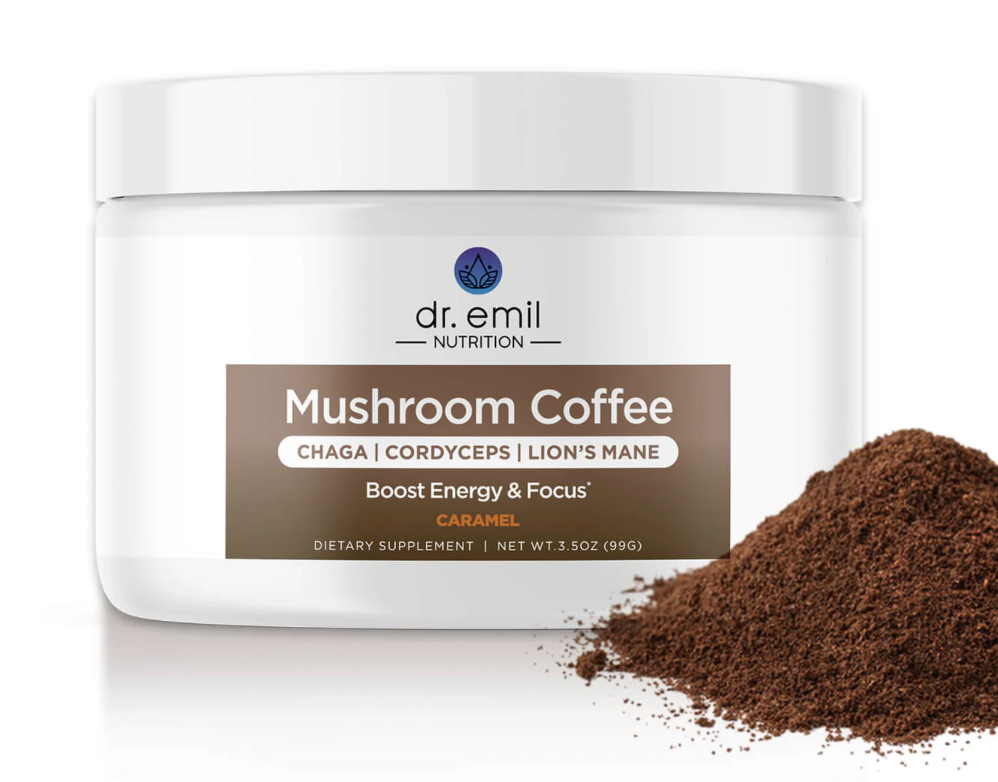
Explore Dr. Emil Nutrition Mushroom Coffee >>
One way to explore the benefits of adaptogenic mushrooms for pain management is to incorporate it into your normal routine. If you wake up, roll out of bed, and pour yourself a hot cup of coffee or whip up a nutrient-dense smoothie, you might want to try a powdered mushroom supplement you can stir right into your favorite drink. This is a cozy, simple way to enjoy their benefits daily, and it’s easy to stick to since it’s built off of a routine you already have.
Dr. Emil’s Mushroom Coffee can be stirred into hot water, tea, or coffee. It’s designed with coffee lovers in mind, to provide sustained energy and mental clarity without the jitters you can get from knocking back too many regular cups of joe. Naturally sweetened with stevia, it’s a guilt-free indulgence that fits your lifestyle because it’s so easy to prepare, plus it promotes overall balance and wellness.
2. Consider Capsules & Supplements for a More Concentrated Boost
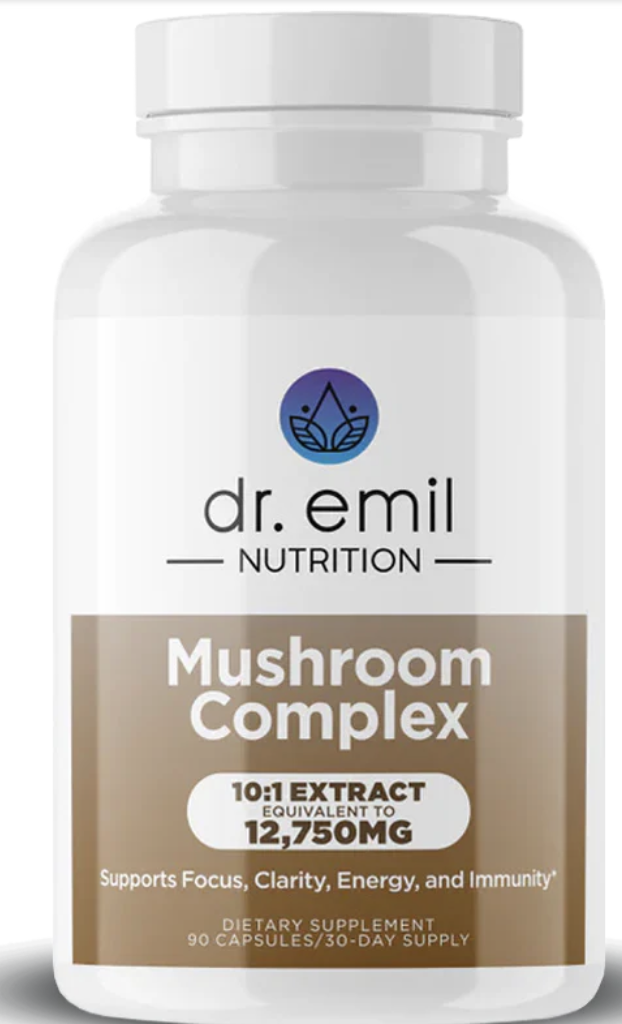
Explore Dr. Emil Nutrition Mushroom Complex >>
Sometimes, sticking to your ideal morning routine is more dream than reality. The alarm didn’t go off, the kids missed the bus, you’ve got to be at work early… whatever the case might be, for lots of busy people, convenience is often the key to making sure healthy habits stick.
If convenience is your top priority, capsules or tablets provide a precise dosage without taking any time at all to prepare. Just keep a bottle wherever you’re most likely to reach for it, and you’re all set.
Now when it comes to choosing a supplement itself, not all mushroom capsules are created equal. Look for one that’s third-party tested and has plenty of reviews from satisfied customers, like Dr. Emil’s Mushroom Complex. The powerful formula is the intersection of nature and science. Plus with products featured by Men’s Health, CNN, Prevention, and more (not to mention thousands of great reviews across products on Amazon) you can be sure you’re getting what you’re looking for.
3. Incorporate Adaptogenic Mushrooms Into Your Kitchen
Fresh or dried mushrooms can be added to soups, stir-fries, pasta, or risottos. Cooking with mushrooms is a natural way to enjoy their nutrients, and some varieties, like reishi, can also be simmered into broths.
4. Sample An Uber-Concentrated Mushroom Elixir or Tonic
Pre-made mushroom elixirs and tonics are growing in popularity. These are often concentrated extracts mixed with complementary ingredients like ginger, turmeric, or cinnamon to support pain relief and overall wellness.
5. Don’t Forget to Start Small & Go Slow
Adaptogenic mushrooms can take time to show benefits. Begin with lower doses and monitor how your body responds. Over time, you can adjust your intake to find what works best for your pain management and general health.
Tip: Always talk to your healthcare provider before starting new supplements, especially if you’re on medications or have chronic conditions.
Taking mushrooms for pain won’t manage your condition completely, but reducing cytokines *can* cut down on pain-causing inflammation.
Adaptogens aren’t a miracle solution for pain management, but they can play a helpful role in a holistic wellness routine. Still got questions about adaptogens, mushrooms, or anything else mentioned in this article? Drop us a line, and we’ll try to cover it in the future. Until then, be well!


