
Anxiety is one of the most common modern health concerns, and many people are now searching for natural remedies for anxiety without medication as an alternative or complement to pharmaceutical approaches.
While anxiety can feel psychological, it is deeply rooted in biology. The nervous system, hormones, sleep cycles, blood sugar regulation, and even nutrient status all play a role in how the body experiences stress.
Because of this complexity, there is rarely a single solution. Instead, anxiety tends to improve when multiple systems are supported together.
In this article, we will explore natural remedies for anxiety without medication by breaking them into practical, evidence-informed categories: breathwork and relaxation techniques, nutrition and blood sugar balance, sleep optimization, targeted supplementation, lifestyle movement, and stress trigger reduction.
Each section focuses on how these approaches influence the nervous system and help shift the body out of a chronic “fight or flight” state.
We will also discuss why consistency matters more than intensity, and how small daily changes can compound into meaningful improvements in emotional resilience and mental calm.
The conclusion we will build toward is this: while anxiety has multiple causes, many individuals can experience significant improvement without medication by consistently supporting nervous system regulation through lifestyle, nutrition, sleep, and targeted supplementation. The goal is not to eliminate stress entirely, but to improve how the body responds to it.

Recommended by Dr. Emil
Elite 5-HTP Plus
Doctor-formulated 5-HTP supporting serotonin production for mood stability, emotional balance, and anxiety relief — third-party tested, with complementary nutrients for long-term nervous system support.
Shop NowNatural Remedies For Anxiety Without Medication FAQ
Answering The Most Common Questions About Non-Pharmaceutical Anxiety Relief And Nervous System Support
Q: What are natural remedies for anxiety without medication?
A: They are lifestyle, nutritional, and behavioral strategies that may help support the nervous system and reduce anxiety symptoms without pharmaceutical intervention.
Q: Do natural remedies for anxiety without medication actually work?
A: Many approaches, such as breathwork, exercise, and certain supplements, are supported by research for reducing stress response activity.
Q: How fast do natural remedies work?
A: Some, like breathing exercises, work within minutes, while others (nutrition, supplements) may take weeks.
Q: Can diet affect anxiety?
A: Yes, blood sugar stability and nutrient intake can significantly impact mood regulation.
Q: Are supplements effective for anxiety?
A: Certain supplements like magnesium, L-theanine, and adaptogens may support relaxation.
Q: Is anxiety always psychological?
A: No, it also involves biological systems like hormones and neurotransmitters.
Q: Can these methods replace medication?
A: They may support mild to moderate anxiety, but medication decisions should always be guided by a healthcare provider.
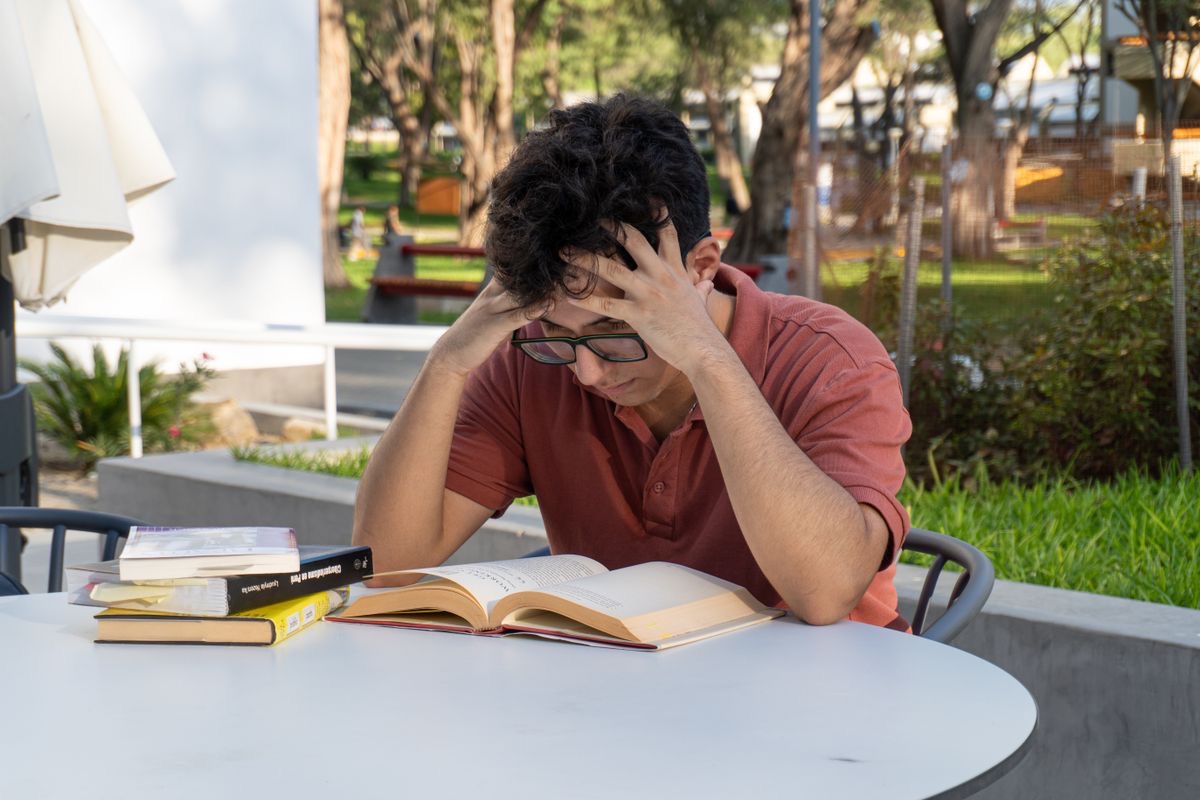
Natural Remedies For Anxiety Without Medication Through Breathwork And Relaxation Techniques
How Controlled Breathing And Mind-Body Practices Help Regulate Stress Response
Breathwork is one of the most immediate natural remedies for anxiety without medication, as it directly influences the autonomic nervous system. Slow, controlled breathing can help shift the body from a sympathetic “fight or flight” state into a parasympathetic “rest and digest” state.
When anxiety increases, breathing often becomes shallow and rapid, reinforcing stress signals in the brain. Intentional breathing techniques help interrupt this cycle and signal safety to the nervous system.
Common practices include diaphragmatic breathing, box breathing, and extended exhale techniques. These methods are simple but physiologically powerful, as they can reduce heart rate and promote relaxation within minutes.

Natural Remedies For Anxiety Without Medication Using Nutrition And Blood Sugar Balance
How Diet Stability Can Influence Mood, Energy, And Emotional Resilience
Nutrition plays a key role in natural remedies for anxiety without medication, particularly through its effects on blood sugar and neurotransmitter production. Rapid blood sugar fluctuations can contribute to irritability, fatigue, and heightened stress sensitivity.
Stable meals that include protein, healthy fats, and fiber help maintain steady energy levels and reduce emotional volatility. Nutrients like magnesium, B vitamins, and omega-3 fatty acids also support brain and nervous system function.
- Protein for neurotransmitter balance
- Complex carbs for steady energy
- Healthy fats for brain health
Avoiding excessive caffeine and processed sugar may also help reduce anxiety-like symptoms in sensitive individuals
Natural Remedies For Anxiety Without Medication Through Sleep Optimization
Why Sleep Quality Is One Of The Strongest Natural Anxiety Regulators
Sleep is one of the most powerful natural remedies for anxiety without medication because it directly affects emotional regulation and stress resilience. Poor sleep increases cortisol levels and reduces the brain’s ability to manage emotional responses.
Even one night of disrupted sleep can increase anxiety sensitivity the following day. Over time, chronic sleep deprivation may worsen mood instability and cognitive fog.
Improving sleep hygiene can significantly support nervous system balance. This includes maintaining consistent sleep schedules, reducing screen exposure before bed, and creating a calming nighttime routine.
Magnesium supplementation and herbal teas are also commonly used to support relaxation and sleep quality.

Natural Remedies For Anxiety Without Medication Using Herbal And Nutritional Supplements
Evidence-Based Support From Adaptogens, Amino Acids, And Key Nutrients
Supplements can complement natural remedies for anxiety without medication by supporting neurotransmitter balance, stress response regulation, and overall nervous system stability. While they are not a replacement for foundational habits like sleep and nutrition, they may enhance resilience in individuals dealing with ongoing or situational anxiety.
Some of the most commonly studied options include:
- Magnesium for supporting relaxation pathways and nervous system calm
- L-theanine for promoting relaxed alertness without sedation
- Ashwagandha for helping modulate cortisol and stress response activity
- Rhodiola for supporting mental stamina under stress
These compounds tend to work subtly rather than dramatically, and benefits are often most noticeable after consistent use over time. Many individuals report improved sleep quality, reduced physical tension, and a greater sense of emotional steadiness when these supplements are used as part of a broader lifestyle approach.
It is also important to recognize that supplement quality matters significantly. Standardized extracts, transparent labeling, and third-party testing can influence both safety and effectiveness. Response can also vary depending on individual biology, stress load, and baseline nutrient status.
When thoughtfully selected and used consistently, supplements may serve as a supportive layer within a comprehensive anxiety-management strategy, helping the body maintain a more balanced stress response over time.

Recommended by Dr. Emil
Elite Lion's Mane Mushroom Plus
Supports BDNF production, neuroplasticity, and the gut-brain axis — addressing anxiety through the long-term neurological and cognitive resilience pathways that lifestyle interventions build over time.
Shop NowNatural Remedies For Anxiety Without Medication Through Lifestyle And Movement
How Exercise, Sunlight, And Daily Habits Support Emotional Stability
Movement is a foundational component of natural remedies for anxiety without medication because it directly influences both physical and neurological stress regulation. Exercise helps reduce circulating stress hormones, improves circulation to the brain, and supports the release of mood-regulating endorphins.
Even low-intensity movement such as walking can have measurable effects on anxiety levels when performed consistently. More structured forms of exercise, such as resistance training, yoga, or Pilates, may provide additional benefits by improving body awareness and reducing muscle tension associated with chronic stress.
Sunlight exposure is another often overlooked factor. Natural light helps regulate circadian rhythm, which in turn influences sleep quality, hormone balance, and mood stability. Even 10–20 minutes of morning light exposure can help anchor the body’s internal clock.
Other supportive lifestyle habits include:
- Consistent daily movement rather than sporadic intense workouts
- Taking breaks from prolonged sitting or screen time
- Engaging in rhythmic, repetitive activities like stretching or walking
The key principle is consistency rather than intensity. When movement becomes a regular part of daily life, it helps stabilize the nervous system baseline, making it easier for the body to recover from stress and maintain emotional balance over time.

Natural Remedies For Anxiety Without Medication By Reducing Stress Triggers
Identifying And Minimizing Environmental And Psychological Stressors
One of the most overlooked natural remedies for anxiety without medication is reducing the number of stress triggers the nervous system is exposed to on a daily basis. While supportive tools like supplements and breathing techniques are helpful, lowering the overall stress burden can have a profound long-term impact on anxiety levels.
Modern life often includes constant low-grade stress from digital notifications, multitasking, lack of boundaries, and overstimulation. Over time, this keeps the nervous system in a heightened state of alertness, making relaxation more difficult even during rest periods.
Identifying personal stress triggers is a key step. These may vary widely between individuals but often include work pressure, social obligations, or excessive screen exposure.
Practical strategies include:
- Creating boundaries around work hours and digital device usage
- Scheduling intentional downtime without stimulation or input
- Reducing exposure to emotionally draining environments or conversations
- Prioritizing single-task focus instead of multitasking
It is also helpful to build “buffer periods” into the day—small gaps between responsibilities that allow the nervous system to reset. Even brief pauses can reduce cumulative stress load.
Over time, consistently minimizing unnecessary triggers helps shift the baseline state of the nervous system. This makes other interventions—such as nutrition, supplements, and breathwork—more effective, as the body is no longer operating under constant stress activation.

Natural Remedies For Anxiety Without Medication And Long-Term Nervous System Balance
Why Sustainable Nervous System Support Is More Effective Than Short-Term Relief Strategies
When evaluating natural remedies for anxiety without medication, the most important takeaway is that anxiety is not a single-condition problem—it is a system-wide response involving the brain, hormones, nervous system, and daily lifestyle patterns.
As we’ve explored throughout this article, anxiety symptoms often arise when the body is chronically overstimulated or under-supported. Poor sleep, unstable blood sugar, chronic stress, nutrient deficiencies, and overstimulation can all contribute to a heightened stress response.
The encouraging part is that these factors are highly responsive to change. When the nervous system is consistently supported, it can gradually return to a more balanced baseline state.
Effective natural remedies for anxiety without medication work best when layered together:
- Breathwork and relaxation techniques to calm acute stress responses
- Nutrition strategies that stabilize energy and neurotransmitter production
- Sleep optimization to restore hormonal and cognitive balance
- Supplements that support stress resilience and nervous system function
- Movement and lifestyle habits that regulate mood and reduce tension
- Reduction of unnecessary stress triggers to lower baseline load
No single approach is typically enough on its own. Instead, lasting improvement comes from stacking small, consistent habits that reinforce nervous system stability over time.
It is also important to set realistic expectations. These strategies are not about eliminating anxiety entirely or avoiding stress altogether. Rather, they are about improving resilience—so the body becomes less reactive and more capable of returning to calm after stress occurs.
Ultimately, natural remedies for anxiety without medication offer a practical and sustainable path forward for many people. With consistency, these approaches can help improve emotional regulation, reduce physical symptoms of stress, and support a more grounded, balanced daily experience.