
NMN has become a popular ingredient in longevity and metabolic wellness supplements, largely because of its role as a precursor to NAD+, a molecule involved in cellular energy production and numerous metabolic processes. But does increasing NAD+ actually translate into better insulin sensitivity?
The answer is promising, but not definitive.
Current research suggests that NMN can increase NAD+ availability in humans, and at least one notable clinical trial found improvements in muscle insulin sensitivity and insulin signaling in a specific group of women with prediabetes. At the same time, broader analyses of randomized clinical trials have not consistently demonstrated improvements in fasting glucose, insulin, HbA1c, or other metabolic markers.
This distinction is important. A supplement can have a legitimate biological mechanism without automatically producing the health outcome consumers hope for.
This article takes a closer look at the science behind NMN and insulin sensitivity, beginning with how NMN contributes to NAD+ production and why NAD+ matters for cellular metabolism. It then examines the connection between NAD+ and insulin signaling before looking closely at what human clinical research has actually found.
The article will also place NMN within a broader metabolic wellness strategy, including nutrition, physical activity, sleep, and other foundational habits. Finally, it will discuss supplementation considerations and why realistic expectations matter when evaluating an emerging ingredient.
Ultimately, the evidence supports a measured conclusion: NMN is a biologically active NAD+ precursor with intriguing potential for metabolic health, but it is not yet established as a reliable way to improve insulin sensitivity in everyone. Understanding both the promising findings and the limitations of current research is the best way to evaluate NMN responsibly.
In this article, we’ll break down:
- NMN And Insulin Sensitivity: What The Research Actually Says?
- How NMN May Influence Cellular Energy And Metabolism
- NMN And Insulin Signaling: Understanding The Connection
- NMN, NAD+ And Metabolic Health: Why They Matter
- What The Human Research On NMN And Insulin Sensitivity Shows
- How NMN Fits Into A Broader Metabolic Wellness Strategy
- NMN Supplementation: What To Consider Before You Start

NMN And Insulin Sensitivity: Frequently Asked Questions
Clear Answers About NMN, NAD+, And Metabolic Health
Q: What is NMN?
A: Nicotinamide mononucleotide (NMN) is a naturally occurring molecule and precursor to nicotinamide adenine dinucleotide (NAD+), a coenzyme involved in cellular energy production and numerous metabolic processes. Human studies show that oral NMN supplementation can increase NAD+ levels.
Q: What is insulin sensitivity?
A: Insulin sensitivity describes how effectively the body's cells respond to insulin. Better insulin sensitivity generally means glucose can move from the bloodstream into tissues more efficiently.
Q: Why is NMN being studied for insulin sensitivity?
A: Researchers are interested in whether increasing NAD+ availability can influence cellular energy metabolism and pathways involved in glucose regulation. Much of the original enthusiasm comes from laboratory and animal research, while human findings remain mixed.
Q: Has NMN been shown to improve insulin sensitivity in humans?
A: One notable randomized trial found that 10 weeks of NMN supplementation increased muscle insulin sensitivity and insulin signaling in postmenopausal women with prediabetes who were overweight or obese.
Q: Does NMN increase NAD+ levels?
A: This is one of the more consistent findings in human research. Multiple clinical trials have reported increases in blood or circulating NAD-related measures following NMN supplementation.
Q: Can NMN replace diet or exercise for metabolic health?
A: No. NMN should be viewed as a potential supplement within a broader wellness strategy, not a substitute for nutrition, physical activity, weight management, sleep, or appropriate medical treatment.
How NMN May Influence Cellular Energy And Metabolism
Exploring NMN’s Role As A Precursor To NAD+ And Cellular Energy Production
NMN's interest in metabolic health starts with NAD+. This coenzyme participates in energy metabolism and supports numerous cellular reactions. Because NMN serves as a precursor to NAD+, researchers have investigated whether increasing NMN availability can influence processes that become less efficient with aging or metabolic dysfunction.
Human research provides evidence that oral NMN can increase NAD+ levels. For example, a randomized, placebo-controlled study using 250 mg daily for 12 weeks found increased whole-blood NAD+ without obvious adverse effects in the healthy participants studied.
Why does that matter for insulin sensitivity? Insulin signaling and glucose metabolism require coordinated cellular energy processes. NAD+ is involved in pathways connected with mitochondrial function, redox balance, and enzymes such as sirtuins. These biological connections provide a reasonable mechanism for studying NMN in metabolic wellness.
However, a biological mechanism is not the same thing as a proven clinical benefit. Increasing NAD+ is a measurable effect, but it does not automatically mean that blood sugar, insulin resistance, or diabetes risk will improve.
This distinction is central to understanding NMN research. Current evidence supports NMN as a bioactive NAD+ precursor, while researchers are still determining which populations may experience meaningful metabolic benefits and under what circumstances.
NMN And Insulin Signaling: Understanding The Connection
How NAD+ Metabolism May Intersect With The Body’s Response To Insulin
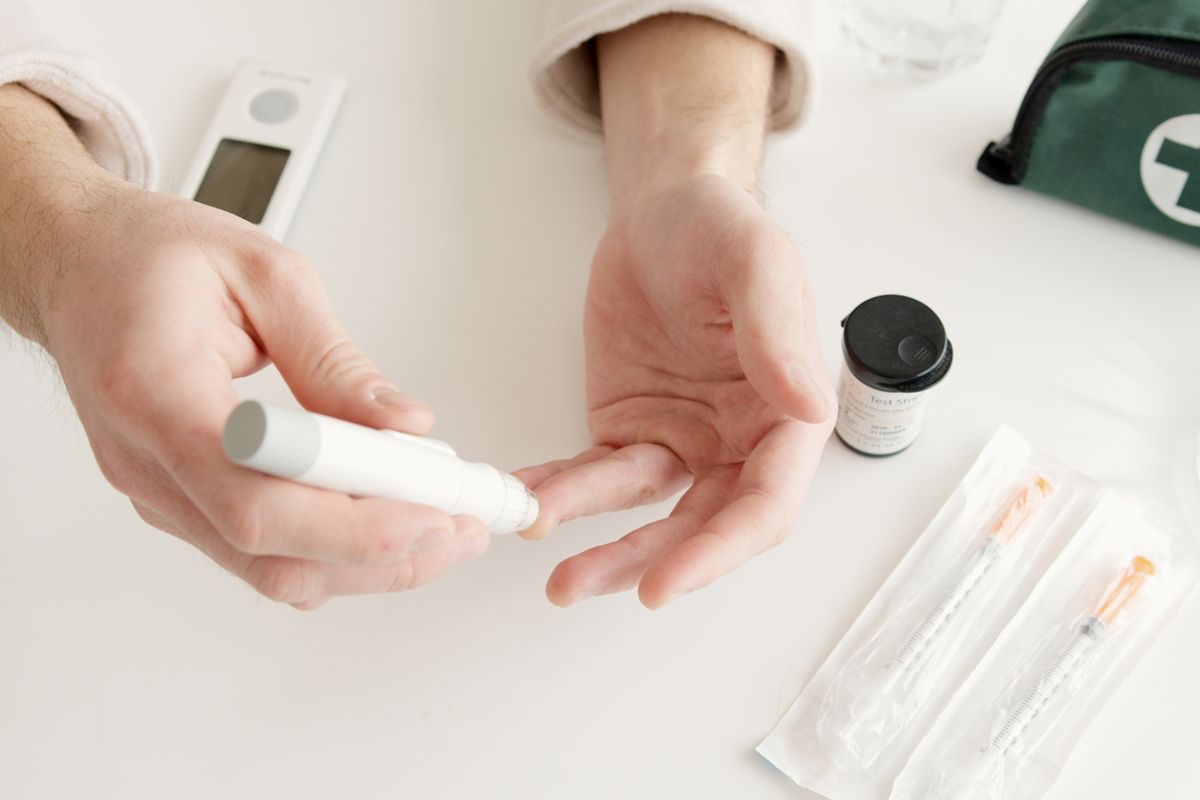
The relationship between NMN and insulin sensitivity is particularly interesting because insulin signaling depends on complex communication between hormones, muscle cells, liver cells, and other tissues. Researchers have proposed that NAD+-dependent pathways may influence some of these processes.
One of the most important human studies involved postmenopausal women with prediabetes who were overweight or obese. In the 10-week randomized, placebo-controlled trial, NMN supplementation increased insulin-stimulated glucose disposal and aspects of skeletal-muscle insulin signaling compared with placebo.
These findings are encouraging because they measured insulin sensitivity directly rather than relying exclusively on a general health marker. The study also suggests that NMN's potential metabolic effects may be particularly relevant in certain populations with impaired metabolic function.
But the results should not be generalized too broadly. The study population was relatively specific, and other trials have produced less impressive metabolic findings. A 2024 systematic review and meta-analysis of randomized trials found no significant overall improvement in several commonly measured glucose-control markers.
This means the most scientifically responsible position is that NMN may influence insulin sensitivity under certain circumstances, but the evidence is not yet strong enough to conclude that it reliably improves insulin sensitivity in everyone.
That uncertainty makes continued human research especially important.
NMN, NAD+ And Metabolic Health: Why They Matter
Understanding The Cellular Pathways Behind NMN’s Growing Interest
NAD+ is more than an energy-related molecule. It participates in a wide range of cellular reactions, which helps explain why NAD+ biology has become an active area of aging and metabolic research.
NMN enters this discussion because it can serve as a precursor for NAD+ synthesis. Human clinical trials have repeatedly demonstrated that NMN supplementation can raise NAD+ or related NAD metabolites.
Researchers are interested in whether restoring or increasing NAD+ availability can support metabolic processes affected by aging or metabolic dysfunction. Potential mechanisms under investigation include mitochondrial activity, cellular redox balance, DNA repair, and regulation of proteins involved in metabolism.
However, the distinction between biochemical target engagement and clinical outcomes is essential. A supplement can successfully increase a biological marker without necessarily producing a meaningful improvement in health.
Recent reviews reinforce this point. A 2026 systematic review and meta-analysis of randomized trials found that short-term NMN supplementation was generally well tolerated and did not produce clear overall improvements in fasting glucose, HbA1c, body weight, or lipid profiles, although HOMA-IR showed a non-significant downward trend.
Therefore, NMN remains scientifically interesting, but metabolic benefits should be described as promising and context-dependent rather than established.
What The Human Research On NMN And Insulin Sensitivity Shows
Separating Promising Findings From What Scientists Still Need To Learn
The human research on NMN and insulin sensitivity tells a more nuanced story than many supplement headlines suggest.
On one hand, the randomized trial in postmenopausal women with prediabetes produced an encouraging result: NMN improved muscle insulin sensitivity and insulin signaling after 10 weeks. This study provides direct evidence that NMN can influence a clinically relevant metabolic pathway in a particular population.
On the other side, broader analyses have not confirmed a consistent effect across all adults. A 2024 meta-analysis examining eight randomized controlled trials found no significant overall benefit for fasting glucose, fasting insulin, HbA1c, HOMA-IR, or lipid measures. Another systematic review similarly concluded that most clinically relevant metabolic outcomes did not differ significantly between NMN and control groups.
Several factors could help explain these differences, including age, baseline metabolic health, dosage, study duration, and individual biological variation. Researchers have also noted substantial variability in how people respond to NMN supplementation.
The current takeaway is therefore balanced: NMN has demonstrated biological activity in humans and has produced promising insulin-sensitivity findings in specific populations, but consistent metabolic benefits have not yet been established across the general population.
How NMN Fits Into A Broader Metabolic Wellness Strategy
Where NMN May Complement Nutrition, Exercise, Sleep, And Healthy Habits
Even if NMN eventually proves useful for metabolic health, it is unlikely to replace the fundamentals of insulin sensitivity. Nutrition, physical activity, sleep, body composition, stress management, and appropriate medical care remain central to metabolic wellness.
That makes NMN best viewed as a potential addition to—not the foundation of—a healthy lifestyle.
Regular physical activity, for example, can support glucose disposal by increasing muscle glucose uptake. A balanced eating pattern can help provide appropriate amounts of protein, fiber, healthy fats, and minimally processed carbohydrates. Adequate sleep also matters because sleep disruption can negatively affect metabolic regulation.
NMN may fit into this strategy because it targets a different level of biology: cellular NAD+ metabolism. Human research demonstrates that supplementation can increase NAD+ levels, but whether that biochemical change translates into meaningful long-term metabolic benefits remains under investigation.
A practical metabolic wellness strategy might therefore prioritize:
- Regular physical activity and resistance training
- A nutrient-dense, balanced eating pattern
- Consistent, adequate sleep
- Healthy body composition and stress-management habits
- Evidence-informed supplementation when appropriate
This approach keeps NMN in its proper context. It is a promising ingredient with an interesting mechanism and growing human evidence, but it should complement the habits that already have substantial support for metabolic health.

NMN Supplementation: What To Consider Before You Start
A Practical Look At Dosage, Product Quality, And Realistic Expectations
Interest in NMN supplementation has grown rapidly, but consumers should approach products with the same level of care they would apply to any wellness supplement.
Clinical trials have used a wide range of doses. A 2024 analysis of randomized trials included studies using approximately 250 to 2,000 mg per day for periods ranging from two weeks to 12 weeks, illustrating that there is not yet one universally established dose for achieving metabolic benefits.
Product quality is another important consideration. Look for clear labeling that identifies the amount of NMN provided per serving rather than relying on vague proprietary blends. Reputable manufacturing and appropriate quality-control testing can also provide greater confidence in product consistency.
Most importantly, keep expectations realistic. Current research provides stronger evidence that NMN can increase NAD+ levels than it does for improving insulin sensitivity across the general population. A 2026 meta-analysis found generally favorable short-term tolerability but no clear broad metabolic benefits, emphasizing the need for larger and longer studies.
If you take medications or have a diagnosed metabolic condition, discussing supplementation with a healthcare professional is appropriate.
If you are looking for a great source of NMN to incorporate into your self care routine then be sure to check out Dr. Emil’s NMN supplement!

Ultimately, NMN and Insulin Sensitivity: What the Research Actually Says? is a story of promise rather than proof. NMN is biologically active, NAD+ levels can increase with supplementation, and selected human studies have produced encouraging findings. But the research does not yet justify treating NMN as a proven solution for insulin resistance. The most credible approach is to consider NMN as one potential component of a comprehensive metabolic wellness strategy while researchers continue to clarify who may benefit most.

NMN And Insulin Sensitivity: Promise With Important Limitations
What The Research Means For Your Metabolic Wellness Strategy
The research surrounding NMN and insulin sensitivity is encouraging, but it is not yet conclusive. Human studies demonstrate that NMN can increase NAD+ levels, providing evidence that the supplement is biologically active. Some clinical research has also reported improvements in insulin sensitivity, particularly in specific populations with metabolic impairment.
However, those findings should not be interpreted as proof that NMN improves insulin sensitivity for everyone.
Broader analyses of randomized controlled trials have produced mixed results, with several important measures of glucose and metabolic health failing to show significant overall improvements. Differences in participants, dosage, study length, and baseline metabolic health may help explain why results have not been completely consistent.
That is why NMN is best viewed as a promising ingredient rather than a proven metabolic treatment.
For consumers interested in NMN, the most sensible approach is to place it within a larger wellness strategy. Regular physical activity, nutritious food choices, adequate sleep, stress management, and healthy body composition remain important foundations for metabolic health.
NMN may eventually prove to have a meaningful role alongside those habits, particularly as researchers learn more about NAD+ metabolism and determine which individuals are most likely to benefit.
For now, the science supports curiosity without overpromising. NMN and Insulin Sensitivity is ultimately a story of potential, ongoing investigation, and the importance of distinguishing promising biological mechanisms from proven clinical outcomes.