Getting plenty of collagen can help your skin, hair, and energy levels, so it’s no wonder that people want to make sure they’re eating foods that help produce collagen. In this article we’re going to be talking about what foods help produce collagen.
Collagen is the most abundant protein in our bodies. There are 28 different types of collagen in total. Each of these types help to keep our bodies functioning better. Most of us are familiar with collagen’s main benefits, like improving skin structure and strengthening your bones.
Collagen can also relieve joint pain by maintaining our cartilage, as well as prevent bone loss. It is also an important component of our muscles, so getting plenty of collagen can boost muscle mass. Some studies have even noted that collagen may improve heart health, by providing structure to your arteries. If arteries don’t have enough collagen, they may become less flexible.
As we age, our bodies produce less collagen, leading to wrinkles and thinning skin. For this reason, many people want to increase their production of collagen to reduce aging and keep the look of youthfulness. You can certainly take collagen supplements, but you can also pay attention to the foods that you could include in your diet to increase collagen production and keep you feeling your best.
What foods help to produce collagen?
Want all the benefits of collagen without the time commitment of making an elaborate collagen smoothie every morning or sifting through the liquid collagen hype to find out what’s true and what’s myth? Luckily, you can give your body a collagen boost simply by loading up your plate with powerhouse foods you’ve probably got in your fridge anyway.
We’re going to talk about a few specific foods today that help produce collagen. These include:
- Chicken
- Egg Whites
- Citrus Fruits
- Leafy greens
And more!
Chicken
If you’ve ever looked at the labels for collagen supplements, you will notice that many of them are derived from chicken. This is because chicken contains ample amounts of collagen.
Chicken is an easy food to incorporate into your diet as it can be included in many dishes. It is also a great source of protein, so the health benefits extend past just collagen production.
Egg whites
Egg whites are great for collagen production because they contain large amounts of proline. Proline is one of the amino acids that is necessary for collagen production.
Egg whites can be added to many dishes, like avocado toast, which is a popular breakfast that many people enjoy.

Egg whites are a great addition to any diet as a food that produces collagen. They contain lots of proline, which is important in the production of collagen.
Citrus fruits
Incorporating enough vitamin C into your diet is critical for producing lots of collagen. This is because vitamin C plays a role in the production of pro-collagen, the precursor to collagen.
Citrus fruits are an easy and tasty way to get more vitamin C. Try fruits like oranges, grapefruit, lemons, and limes. You can add these fruits to other dishes or eat them on their own to begin including them in your diet. Plus, eating fresh fruits is a great way to help your body feel its best.
Leafy greens
It’s no secret that a healthy diet would ideally consist of lots of leafy greens. But along with all the obvious health benefits, leafy greens can also increase the precursors to collagen in the skin.
Leafy greens such as spinach, kale, and Swiss chard get their color from chlorophyll, which is known for its antioxidant properties and can potentially increase collagen.
Avocados
Avocados are full of vitamin E and omega-3 fatty acids, which are both great for helping your skin glow. Plus, omega-3’s can boost collagen production.

Avocado toast is a delicious breakfast, and will also help you get more omega-3’s in your diet. This will lead to more collagen production, and healthier skin. You can also add egg whites to your avocado toast, increasing your body’s collagen production even more.
Avocados can be incorporated into your diet in many ways. Smoothies, salads, and even pasta can all be spiced up with some avocado. Many people also enjoy avocado toast for breakfast, which can be made even tastier by adding tomato and seasoning. Or, you can even sprinkle a little salt on a sliced avocado and eat it plain. The choices are endless!
Fermented foods
Fermented foods include a strain of probiotic bacteria called Lactobacillus. Lactobacillus produces an antioxidant called superoxide dismutase that can prevent the breakdown of collagen.
Some popular examples of fermented foods are tempeh, yogurt, sauerkraut, and kombucha. One serving of these a day could help prevent collagen breakdown.
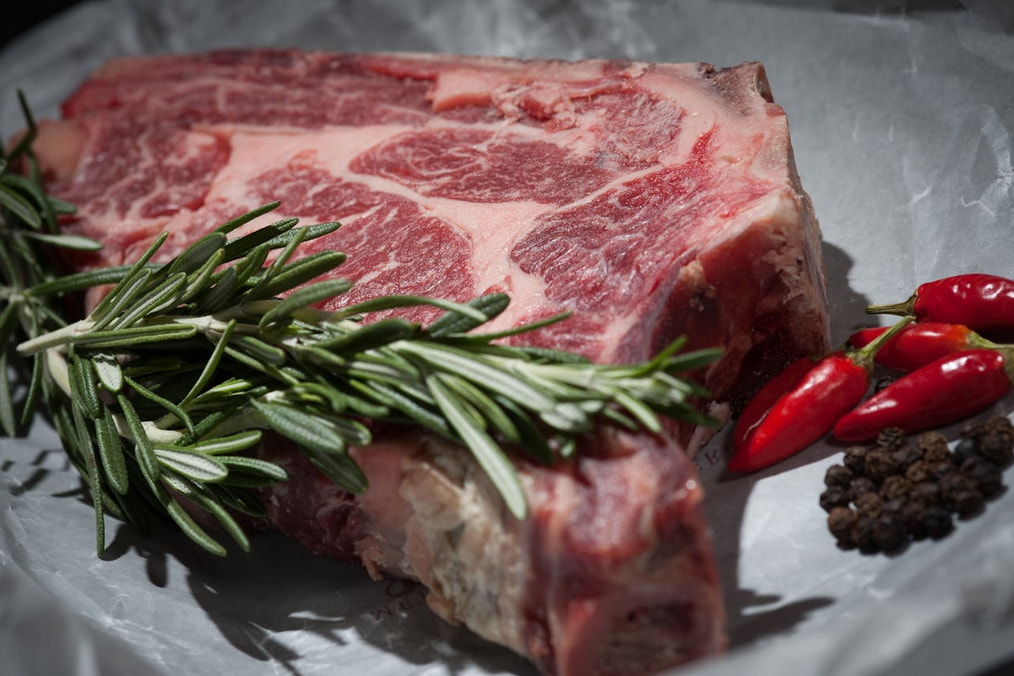
Beef and Pork
Beef and pork, especially cuts with connective tissue like brisket, oxtail, or pork shoulder, are rich in types I and III collagen. That’s why you’ll often find “bovine collagen” listed on the label of a top-rated collagen supplement… it’s naturally a great source of peptides!
These cuts are often used in slow-cooked dishes like stews and braises, which helps release the collagen into the broth or sauce. Adding beef or pork to your meals not only provides protein but also delivers the building blocks your body needs to support skin, joints, and bone health.
Beef and pork isn’t a great option for everyone, though. If you stick to a vegan or vegetarian diet, you’ll want to read on for non-animal sources of dietary collagen you can incorporate into your meals.

Fish and Fish Skin
Fish, particularly the skin, is another fantastic source of highly bioavailable collagen. Marine collagen, derived from fish, is known for being easier for the body to absorb compared to other sources.
Salmon skin, sardines, and even shrimp shells contain collagen that can help support skin elasticity and joint health.
Incorporating fish into your diet a few times a week can be a simple, tasty way to boost your collagen intake.

Bone Broth
Bone broth is like a collagen powerhouse in liquid form. By simmering animal bones and connective tissue for several hours, the collagen, minerals, and amino acids are extracted into the broth. Sipping bone broth, using it in soups, or cooking grains like rice in it can help increase your collagen intake while also providing gut-friendly nutrients and minerals.

Garlic
Vampires, beware! Garlic isn’t just for flavor. It contains sulfur and taurine, two compounds that help prevent collagen breakdown in the body.
Adding fresh garlic to your cooking can support your body’s natural collagen production while giving your meals a tasty boost. Roasted, sautéed, or raw, garlic works in nearly any dish.
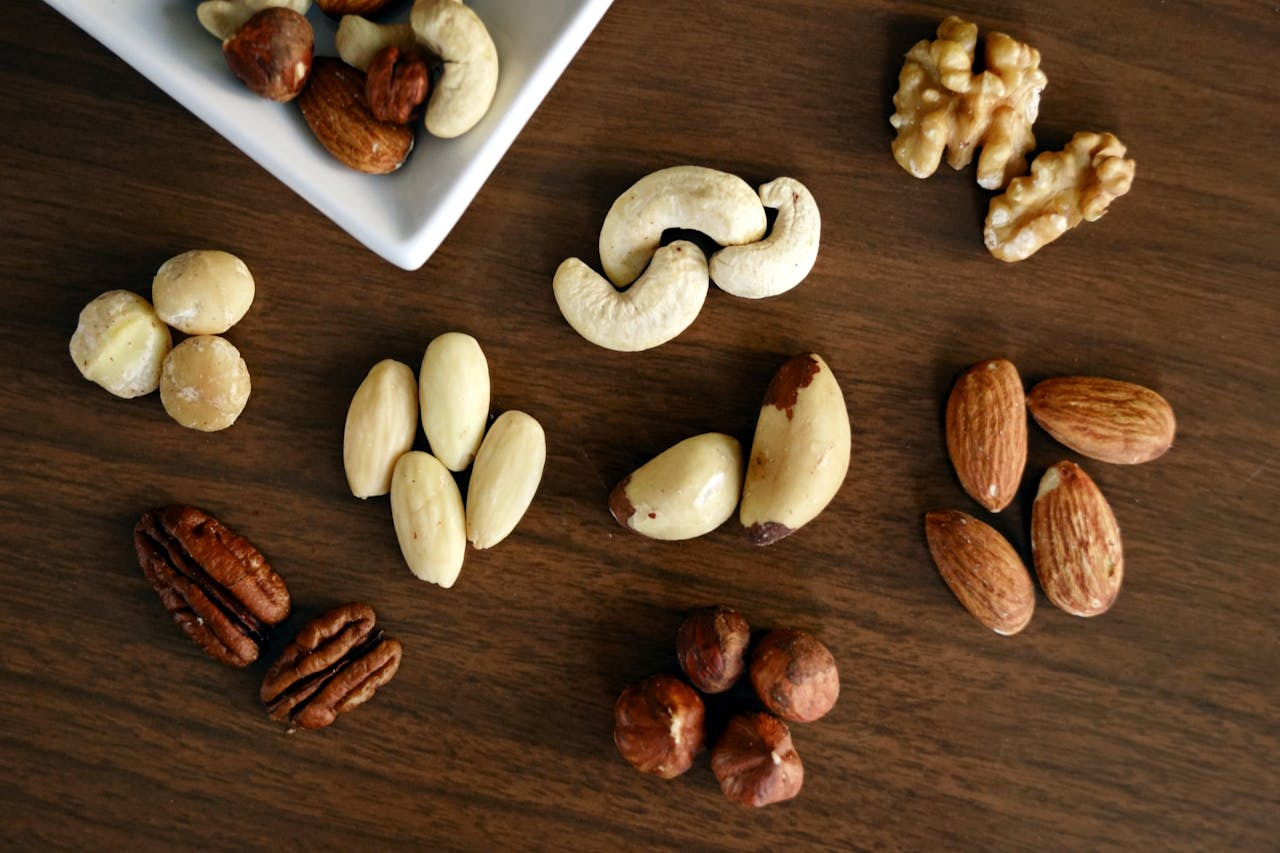
Nuts and Seeds
Nuts and seeds provide essential minerals like zinc, copper, and vitamin E, all of which support collagen synthesis. Almonds, cashews, pumpkin seeds, and sunflower seeds are easy to sprinkle onto salads, oatmeal, or snack on by themselves.
They not only help your body make collagen but also support healthy skin and hair thanks to their high antioxidant content!
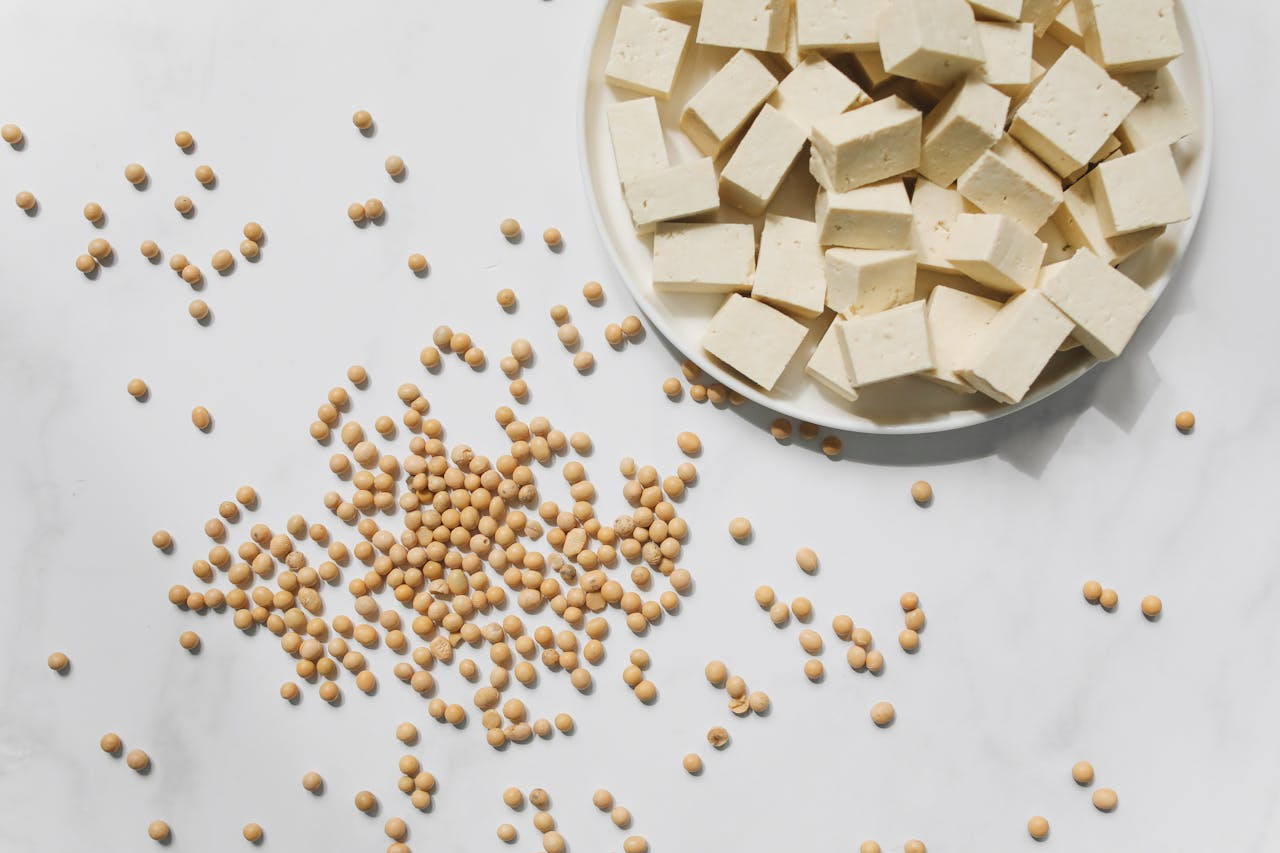
Soy
Soy products like tofu, tempeh, edamame, and soy milk contain amino acids such as glycine and proline, which are crucial for collagen formation. Including soy in your diet can help plant-based eaters support their collagen production, while also adding protein and other nutrients to meals.
Other Sources of Collagen: Top-Rated Supplements
Like we’ve already explored, there are plenty of ways to include more collagen in your diet simply by putting the right things on your plate. But if you’re looking to really supercharge your results and give your hair, skin, nails, and joints the biggest boost you can, it can be hard to get enough collagen through your diet alone.
So what are your options?
You’ve probably seen collagen supplements on social media or in magazines – it seems like every day another influencer or celeb is extolling the virtues of their favorite brand. And it’s not just another trend – nutrition experts agree that collagen supplements can make a big difference.
“Collagen supplementation has been associated with improvements in skin moisture, elasticity, and hydration.” – Registered dietician Keri Gans, RDN
If you want to get the greatest benefit possible, not all collagen supplements are created equal. Here’s a short checklist you can use to make sure that the supplement you’re buying actually has what you’re looking for:
✅ Serving includes 2.5 - 15 grams of collagen. That’s what the research says is the sweet pot for collagen supplementation. More than that, and we’re not positive it’s safe. Less than that, and you likely won’t see much of an impact.
✅ Doctor formulated and third-party tested. Did you know that in the US supplements don’t have to be approved by a governing body like the FDA before they hit the shelves? That means it’s kind of the wild west out there – anybody can market anything they want. That’s why it’s important to find supplements that come from trusted brands with doctor approved formulas or ones that have been thoroughly tested for quality and safety by a third party like NSF, USP, and ConsumerLab.
✅ Includes Type I, Type II, and/or Type III collagen. Type I and Type III are best if your focus is skin health. Type II is great for joint support.
✅ It’s a form your body can absorb. To make sure your body can actually absorb the nutrients you’re giving it, look for easy-to-absorb formulations like “hydrolyzed collagen” or “collagen peptides,” which means the collagen is broken down into smaller building blocks that are easier for your body to use.
✅ Clean ingredient list. Ideally, you want a formula that’s free of unnecessary ingredients like fillers, allergens, and sweeteners. Now, you can find supplements with other active ingredients that compound collagen’s effectiveness – like Biotin or Vitamin D – and that’s totally okay! You just don’t want to see a bunch of useless junk on the label.
Perfect Pairings: Nutrients That Boost Collagen Absorption
Taking collagen is a solid step toward healthier skin, hair, joints, and bones – but pairing it with the right nutrients can make it even more effective. Collagen alone gives your body the building blocks it needs, but certain vitamins and minerals act like assistants in the process, helping your body absorb, process, and utilize collagen more efficiently. These nutrients can enhance collagen’s benefits, from supporting skin elasticity to strengthening joints and bones. By intentionally combining collagen with the right vitamins and minerals, you’re giving your body the best chance to maximize the results.
- Vitamin C. Essential for converting amino acids into usable collagen. Pair your collagen with citrus fruits, strawberries, or bell peppers for maximum benefit.
- Zinc. Supports enzymes that stabilize collagen fibers. Foods like nuts, seeds, and whole grains are great sources.
- Copper. Helps cross-link collagen fibers, improving strength and elasticity. Leafy greens, beans, and shellfish are rich in copper.
- Hyaluronic Acid. Enhances hydration in your skin and joints, complementing collagen’s structural support. Found in supplements or foods like bone broth.
Adding these nutrients alongside collagen doesn’t just boost absorption – it helps your body get the most out of every scoop, capsule, or meal.

Since a lot of dietary collagen comes from animal sources, it can take some extra work to get a collagen boost from the food on your plate if you have certain dietary restrictions.
Including Collagen in Different Diets
Collagen needs and sources can vary depending on your diet, and understanding how to fit collagen into your eating habits is key to seeing real results. Some diets make it easier to get direct collagen sources, while others require a more strategic approach to support collagen production naturally. Regardless of your dietary preferences, there are ways to ensure your body gets the nutrients it needs to maintain strong skin, hair, joints, and bones. With a little planning, you can align your collagen intake with your eating habits without compromising your lifestyle.
- Omnivores. Direct sources like collagen supplements or bone broth provide hydrolyzed collagen and amino acids for skin, joints, and bones.
- Paleo & Keto. Grass-fed meats, chicken, and marine collagen fit easily into low-carb, high-protein plans.
- Vegetarians & Vegans. While plant foods don’t contain collagen directly, you can support production with proline- and glycine-rich plant proteins (beans, lentils, soy) plus vitamin C-rich fruits and vegetables.
- Balanced Diets. Combining collagen or collagen-supporting foods with a mix of proteins, healthy fats, and micronutrients ensures your body has the building blocks it needs to maintain healthy skin, joints, and hair.
Tailoring your collagen strategy to your diet makes it easier to keep your body strong, vibrant, and resilient without having to overhaul your lifestyle.
Dr. Emil’s Multi Collagen Plus
In addition to these great foods for collagen production, you could always consider adding a supplement to your diet. Multi Collagen Plus from Dr. Emil is a great option for supporting hair, skin, nails, and joints.
Multi Collagen Plus contains five types of premium collagen peptides in fast absorbing capsules that support healthy bones, joints, and digestion. Plus, they will help give your hair and skin a youthful appearance.

You won’t regret adding Multi Collagen Plus to your supplement routine when you notice the benefits to your skin, hair, nails, and joints.
Multi Collagen Plus is made of collagen peptides with 100% grass-fed beef, chicken, eggshell, and marine collagen sources. This high-dose collagen formula is also enhanced with BioPerine, a black pepper extract that improves the absorption of vitamins and supplements. That means you’ll see faster and more effective results.
Anyone can benefit from including more collagen in their diet. Consider trying to incorporate some of these easy food options, as well as adding Dr. Emil’s Multi Collagen Plus to your supplement routine. You won’t be disappointed!