



Fasting itself isn’t a new concept to the human populous, in fact it’s been around for centuries, with “ancient fasting practices first emerg(ing) around 1,500 BC with the Vedic, Hindu, and Jainism religions.” You’ll find that many cultures today still do it, you might be more familiar with and/or recognize Ramadan, a month dedicated to “intense spiritual rejuvenation” which is observed by Muslims all around the world. Here they will adhere to a strict fast from dawn until sunset.
Aside from religious or cultural practices, the history behind fasting comes from not having ready access to food, not like we do today. Oftentimes you’d have to go for a long time without provisions because it was dangerous or hard to find necessary sustenance. Not until the agricultural revolution did we start to develop more scheduled and available eating routines.
Since we now live in a society where the majority of people have the ability to get food just from taking a quick stroll to their kitchen, fasting has fallen on the backburner. But with that seemingly positive effect, there can be more than a few drawbacks like overindulgence, cardiovascular disease(s), metabolic conditions, and more. That’s why many researches and health-experts have taken a look at different types of fasting and have seen the benefits from it. There’s of course the most popular form you definitely know the name of: intermittent fasting, but do you know its cousin: circadian fasting? No? Well let us introduce you:
- What is the Circadian Rhythm?
- Intermittent Fasting: A Quick Deep Dive
- What is Circadian Fasting?
- What are the benefits?
- Are there any negatives?
- A Supplement to Aid Circadian Fasting
Dr. Emil knows that everyone’s body is different, what works for some, may not work for others. It’s all about finding the right balance for you. So keep that in mind as you read on about circadian fasting, intermittent fasting, adjacent supplements and its effect on the body.
What is the Circadian Rhythm?
In the name “circadian fasting” is the obvious key phrase circadian and that comes from the important bodily function: circadian rhythm. In simple terms, it is defined as your body’s natural internal clock based on the 24 hour day. Its main function is to let your body know when it’s time to sleep and when it’s time to wake up. But it also affects a myriad of other things like hormone release, body temperature, your mood, blood pressure, metabolism, immune system, and more.
Think of the circadian rhythm as the dough of a pizza, and the sauce, cheese, and toppings are all the various bodily functions we mentioned above. Without the dough there, your hormones would be all out of wack, your mood might take a nose dive, your digestive and immune system might not support you in a healthy way, and that’s all akin to a dough-less pizza. Lacking structure, ingredients that don’t have a proper foundation, and a complete mess.
How does the circadian rhythm work?
Your circadian rhythm, your body’s “master clock,” and your brain are like best friends who are inseparable. The specific part it likes in your brain so much is called the suprachiasmatic nucleus, or SCN for short, and that is a cluster of cells that’s located in the hypothalamus. Your SCN will keep your internal clock regulated and allow all of its main bodily functions to properly work.
One thing to note about the SCN is that it’s actually sensitive to light, that’s why you’ll see a lot of the time when looking for information on the circadian rhythm that it directly relates to day/night or light/dark. Abnormal changes in your cycle, like traveling to a different time zone or daylight savings can make it so your internal clock is a bit frazzled, it needs time to adjust to the new visuals it’s seeing. Although sensitive to light, your SCN isn’t directly dependent on light to work, that’s just a small factor affecting it.
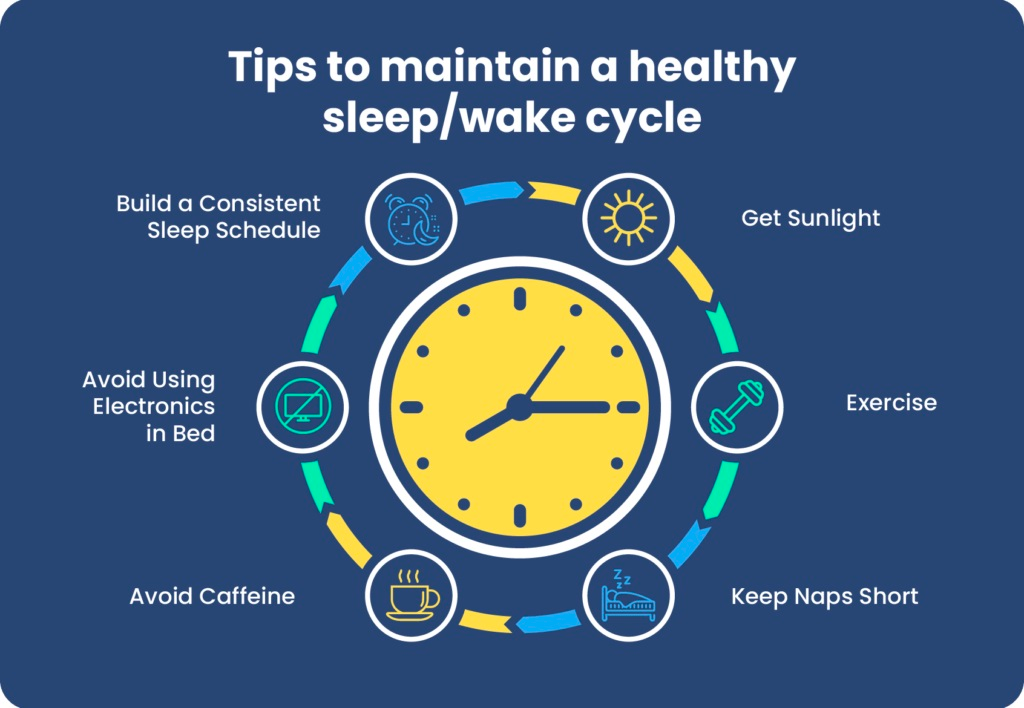
There are actually multiple things that can affect your circadian rhythm like your age, diet, exercise or regular physical activity, stress, certain medications, and mental health conditions.
Intermittent Fasting: A Quick Deep Dive
The most popular form of fasting and the one that’s in our zeitgeist the most is by far intermittent fasting. It is best defined by following a “pattern of eating based on time limits.” At the end of that designated time you will stop or limit your calorie count significantly until the next block of time for eating starts. Some do specific hours of the day like the famed 16/8 fast where you eat for eight hours and fast for the other sixteen; while others will do the 5:2 rule which means five days of eating and two days fasting, both techniques are examples of intermittent fasting.
There are more than a few positive benefits regarding intermittent fasting, one such is losing fat as “after hours without food, the body exhausts its sugar stores and starts burning fat.” - this is a process known as metabolic switching. It’s been said that if you follow the 16/8 fasting rule then you will slowly begin to lose weight, and that’s true as research states you’ll lose around “250 calories a day, or half a pound a week.” Other such benefits include decreased cholesterol and reduced blood pressure.
But there are of course downsides to intermittent fasting like for instance those with diabetes should consult with their doctor as their blood sugar levels could be affected in those hours they aren’t eating anything. It’s also not recommended for pregnant people, children, or those who have dealt with an eating disorder.
Intermittent fasting or fasting of other kinds may also cause headaches, lethargy, crankiness, and other such symptoms. It is definitely a case-by-case basis per person.
What is Circadian Fasting?
Now that we know what our circadian rhythm and intermittent fasting is, we can get into the main crux of the article which is learning what circadian fasting is.
Circadian fasting is taking the formula of intermittent fasting of when you eat but instead of it being in an eight hour period or one day off, one day on, you eat your food during the “earlier” part of the day. As of right now there is no universal “set” time for circadian fasting, some have taken to eating everything before 12:00pm, some have been a bit more liberal and have kept to eating only before the sun sets- (only when it’s light out). It is restricting the hours of eating versus hard-stop abstaining from eating.
What are the benefits to Circadian Fasting?
The benefits to circadian fasting seem to, thus far with the amount of research conducted on this particular kind of fasting, be similar to the benefits of intermittent fasting. You’ll see reduced body fat, lower fasting insulin levels and fasting glucose levels, increased testosterone, lower blood pressure and bad cholesterol, etc.
But there are a few stand outs like this research study done on mice: “a study in mice found that the microbes in their guts produced measurably more of a natural antimicrobial compound during the day than at night. It made them better at fending off possible food poisoning during the hours they were most likely to be eating.” This can potentially confirm the theory that only eating during daylight hours and avoiding snacking during the night can help your body’s digestive and immune system.
Some have also seen an improvement on their own metabolism when one would align their meal times with their body’s circadian rhythm. You’re essentially eating at the most "optimized time” possible which is when your body is awake and alert, ready to take on the day, rather than sleepy and tired after a long day. You’re eating more efficiently and your body has an easier time breaking down its food(s).
Time restricted eating, which is what circadian fasting is, also proves to reduce overeager appetites which can be great for people who are trying to lose weight.
What are the risks or drawbacks of circadian fasting?
Similar to the benefits, circadian fasting, like intermittent fasting, is not for everyone, especially those who have specific health conditions. Aside from what we’ve already discussed there are two more types of people who shouldn’t partake in circadian or any kind of fasting unless dictated by a doctor:
- People who are older (middle-aged) that already have a declining metabolism would likely see no benefits and could hurt themselves.
- People who are underweight or have a lower-than average weight would likely be recommended to not indulge in fasting practices.
If you’ve tried circadian fasting and have noticed sluggishness, consistent headaches, dizziness, or any previously-mentioned symptoms please consult your doctor about your diet changes and have them decide whether you can continue, adjust your diet and/or fasting times, or stop all together.
A Supplement to Aid Circadian Fasting
Circadian fasting is all about eating when the sun is up, but as soon as it gets dark, we need to shut our cupboards and stick with water for the rest of the night. That can be hard though, especially if you’re someone who considers themselves to be a “late-night snacker” or mysteriously find yourself in front of the fridge at 3AM with half a block of cheese gone. If you’re wanting to take circadian fasting seriously and need that extra boost of help then you might be interested in this supplement:
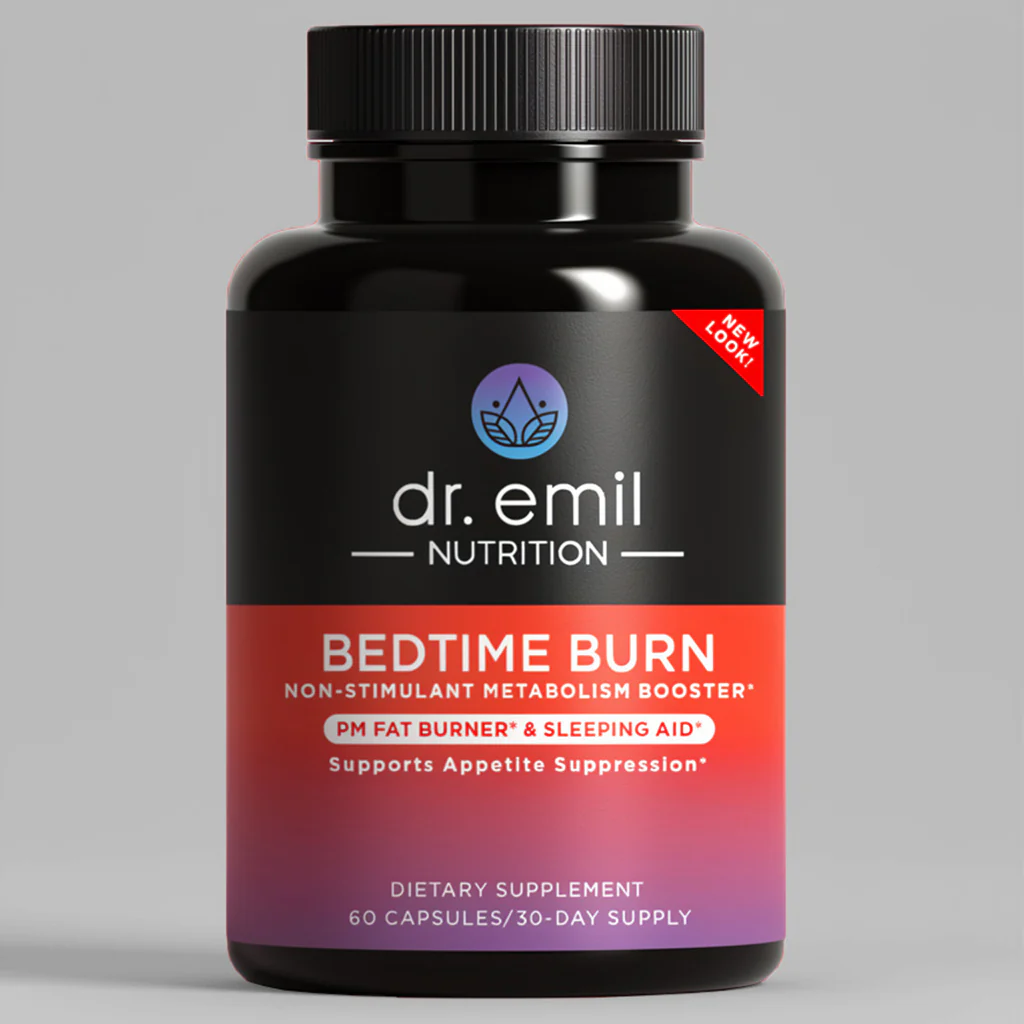
Dr. Emil’s Bedtime Burn is one of his most popular supplements, it is a PM appetite suppressant, sleep aid, and fat burner all in one. Coming in at 60 capsules for a thirty day supply, it is a formulated bedtime blend made up of ingredients clinically proven to boost metabolism and burn fat. It is free of harsh stimulants and things that will keep your body restless, this suppressant will actually aid in your relaxation rather than inhibit it like other appetite suppressors out there. It is made from all-natural vitamins, minerals, and herbal extracts so you can expect not to experience any of those ugly stomach-aches or jitters that also are unfortunately normal for other like-supplements.
Ingredients include: White Kidney Bean Extract Powder, Green Coffee Bean Extract, L-Theanine, L-Tryptophan, Valerian Root Extract, Passion Flow Extract, Melatonin, amongst a few others.
Why Us: Dr. Emil Nutrition has been featured in acclaimed news and health publications organizations like CNN, The Guardian, and Men’s Health, and has had countless testimonials backing the quality of his products. Using his both medicine and Sports + Exercise Science degrees, his knowledge has led him to create a space that makes holistic health and happiness accessible for not just select persons, but everyone. With a range of supplements covering anything from a good night's sleep, to energy and cognitive boosts, and immune support, you’ll be able to rely on his online stores and major retailers like CVS to get you what you need.
Conclusion: What is Circadian Fasting? Does it work?
Circadian fasting is all about staying in tune with your body’s natural inner working clock. By eating from the times of sunrise to sunset or somewhere in-between you could potentially see a lot of benefits proven from other intermittent fasting practices amongst a few others.


