


Weight loss itself is such a tricky subject, so many of us have been on our own body positivity journeys and losing weight is often paired hand in hand with that. Stepping away from the rise of social media and our ever-changing perceptions on what “looks good” because historically that has changed time and time again. We’re focusing on our health and how we, not anyone else, but ourselves, feel everyday.
The National Center for Health Promotion and Disease Prevention has said “overweight and obesity are linked with low energy, pain, poor sleep, and greater risk of heart disease and diabetes.” This right here should be the goal, not a number, but to feel good and go into life knowing that your future feels good too.
But losing and maintaining a healthy weight can be difficult for some, and that leads many to looking for extra sources of help besides the classic "exercise and diet” solution. Berberine is a natural supplement used for weight loss, gut health, and more, but what exactly is it and how does it do those things? Today we’re taking a look at berberine side effects and safety so you can know whether this regulator is the right step in your weight loss journey.
We’re answering:
- What is Berberine? How does it affect the body?
- Does Berberine Really Help with Weight Loss?
- Berberine Side Effects and Safety Information
- Where to Safely get Berberine
What is Berberine? How does it affect the body?
When potentially starting a supplement, you should know what it is and what it’s doing for the body so you can have all the facts right.
To know what berberine is we first have to understand what an alkaloid is because berberine is classified as an alkaloid.
Unfortunately the set definition of alkaloids is pretty broad, but they are most commonly known as a “naturally occurring organic compound that has at least one nitrogen atom.”
And although we have discovered and created synthetic compound structures that hold similar functions to alkaloids, just know that the most commonly referred to characterization is that they are naturally occurring and most of the time have a nitrogen atom swimming around inside.
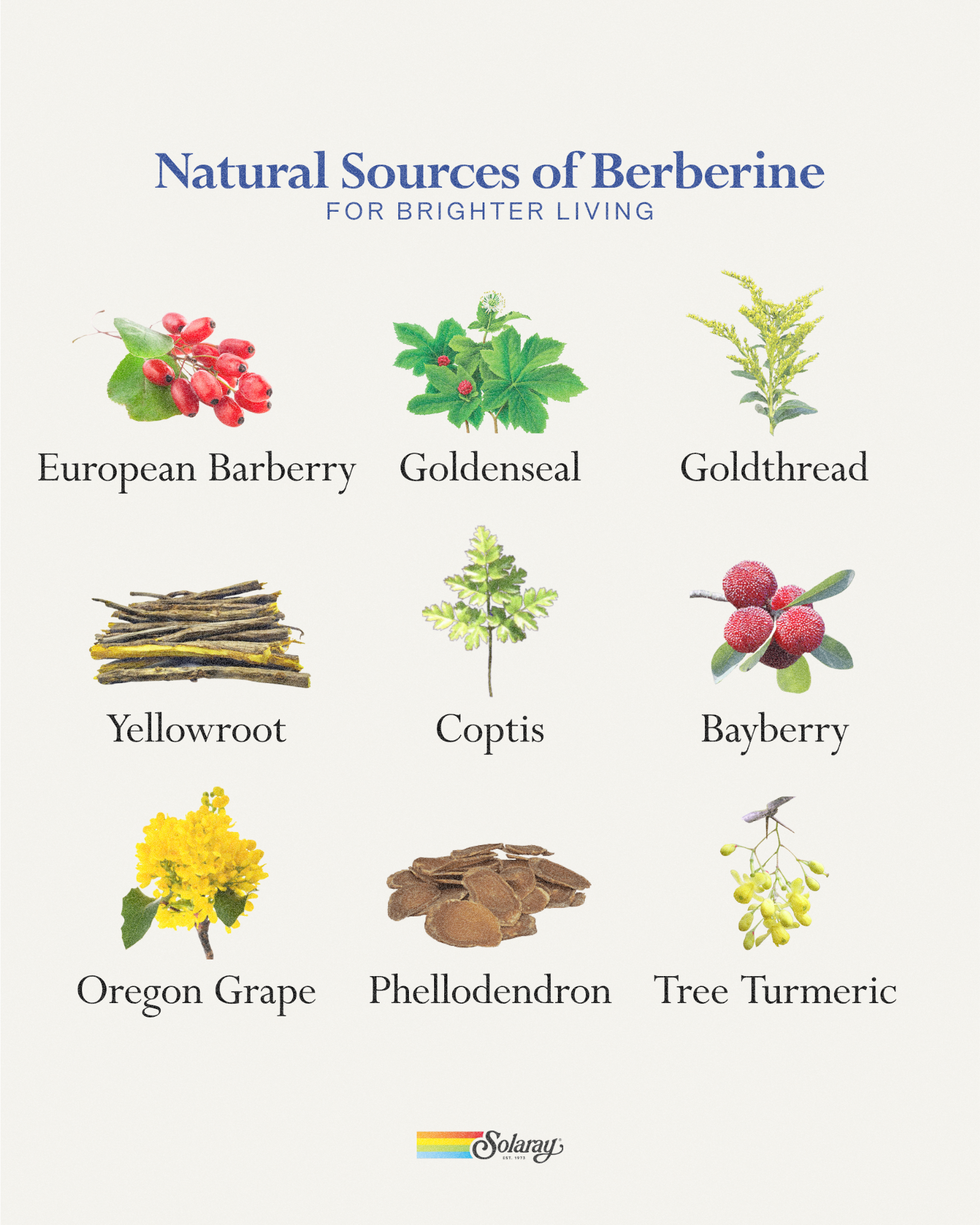
Formed through biological means, i.e. taken from plants, the most famous examples of alkaloids besides berberine are caffeine, nicotine, and morphine. The “European barberry, goldenseal, goldthread, Oregon grape, phellodendron, and tree turmeric,” are all plants where berberine can be found:
How does it affect the body?
The biggest function of berberine and why it’s marketed as a “natural weight loss supplement” is because it triggers an important enzyme in the body called AMP-activated protein kinase (AMPK) which is the enzyme that controls our body’s metabolism and energy. From UCLA Health: "Activating that enzyme increases fat burning and reduces the amount of fat you store," Dr. Hunnes says. "Berberine may also enhance brown adipose tissue, a type of body fat that plays a role in calorie burning."
To put it simply, taking berberine will increase that “feeling full” sensation you get after you eat a really good hearty meal. It will slow down your appetite, thus leading to less snacking throughout the day when you don’t necessarily want to.
Another role berberine plays in our body is its ability to lower LDL “bad” cholesterol and triglycerides. It also improves your body’s ability to respond to insulin. Insulin is a hormone that helps turn the food you eat into energy and is most commonly known as the thing that helps manage your blood sugar levels. People can become insulin-resistant which is when “cells in your muscles, fat and liver don’t respond to insulin as they should.”
A 2021 study showed “40% of US adults aged 18 to 44 are insulin-resistant based on HOMA-IR measurements.” So berberine doesn’t just target weight loss, it can also help your internal system go about its much-needed functions for day-to-day living.
Does Berberine Really Help with Weight Loss?
Sometimes when you’re looking for supplements to help change and/or improve your life, they don’t always work in the ways we want them to. So therein lies the question, does berberine really help with weight loss?
The short answer: Some studies that have been done have seen that it does, but more research needs to be done to conclude whether it actually effectively reduces weight.
The longer answer you’re looking for: Similar to following the claims that supplements do what they say they can do, a lot of research needs to be done in order to 100% back that claim by science. In 2022 a review came out for a number of studies and “found significant decreases in both weight and BMI in people who took berberine. Effects on weight were seen primarily in people who took berberine in doses of more than 1 gram per day and for more than 8 weeks.” But it was tagged with the precedent that some of the studies “had a high risk of bias, and the outcomes of individual studies were inconsistent.” This all means that yes, it has been reported that through consistent use, berberine may indeed help with weight loss but do take that with a grain of salt as no thorough clinical research has been done as of yet to back these claims.
One thing that’s been known to help aid in berberine’s effectiveness is taking it with additional changes of your everyday habits, your diet and exercise, will see more effective results. Most supplements take a few weeks to work as well, so you should not expect to see results immediately, especially when taking something like a weight loss supplement.

Berberine Side Effects and Safety Information
Just like its effectiveness, every kind of supplement comes with the potential of side effects and has safety information regarding its dosage(s). So let’s go over them thoroughly:
Berberine Side Effects:
Although berberine is good for the gut, as it provides protection, reduces harmful bacteria and stimulates good bacteria to grow, the most common side effects are actually ironically all gut-related:
- Diarrhea
- Constipation
- Nausea
- Gas and bloating
These aren’t guaranteed symptoms, but it’s good to know that if you have a sudden upset stomach and have taken berberine recently, that this might be the cause.
Berberine Safety Information:
Most berberine supplements come as 500 milligrams capsules, which is the recommended dosage for those looking to add it to their routine. Take one a day to see how your body adjusts to it and then steadily increase to 1,000-1,500mg (two to three capsules) a day.
- Can berberine interact with medications you’re already taking? Yes, it can, especially medications that are already interacting with similar enzymes as berberine. It is important for anyone who’s considering taking any kind of supplement or vitamin, not just berberine, to talk to your doctor or a trusted healthcare professional. By consulting a professional they can take in account current or future blood tests and give you the best advice on dosages tailored to your specific needs.
Those who are taking certain medications, are pregnant or nursing, under 18, or have specific medical conditions should not take berberine.
- What is the dosage regime? Berberine is known as a “half-life” supplement which means it does not directly influence or “work” throughout your body all day long. Instead half the dose will be metabolized in your system within a few hours after taking it.
Taking it during the recommended times (and taking multiple per day) is going to be important for this supplement.
- When is the best time to take berberine? Take it right before eating a meal (or directly after) so you can absorb it fully and get the intended benefits. Taking it before or between meals “allows your body to take advantage of the lipid spike you get when you eat.”
Don’t take it with a meal, instead take it with some water up 30 minutes before or in that "in-between period” of your next major meals- breakfast, lunch, and dinner. Don’t exceed up to 1.5 grams or 1,500 milligrams daily.
Following the correct instructions regarding recommended dosages and how best to take it is paramount to making sure you don’t see those negative side-effects.
Where to Safely get Berberine
Now that you know what berberine does, how it affects the body, its side effects, and safety information, you need a reliable place to try it out for yourself, which brings us here:
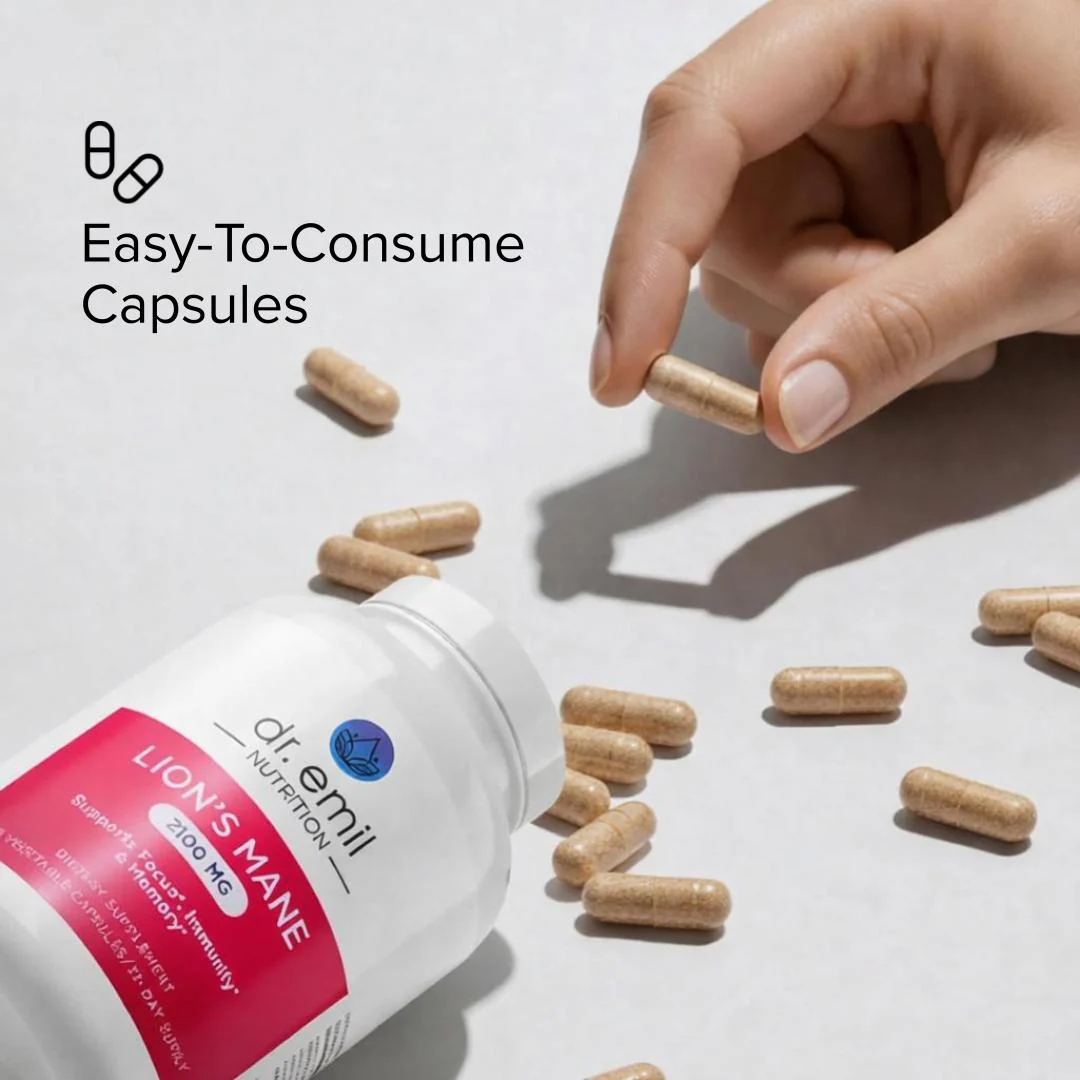
Dr. Emil Nutrition has a powerful formula of Berberine Plus which is made “with organic compounds to naturally strengthen immunity, gut health, and glucose regulation” and it contains 60 capsules for a thirty day supply. It supports healthy blood sugar levels, suppresses inflammation in the intestines to support gut health, and includes antimicrobial benefits to support immune health.
Also available should you be looking to further impact your weight and gut health is the MetaboBoost Bundle which contains Berberine Plus and Daytime Burn. Daytime Burn is a supplement that promotes increased metabolism and provides energy throughout the whole day. And the OptiSlim Sleep & Burn Bundle also contains Berberine Plus but instead of Daytime Burn it has Bedtime Burn which is a PM appetite suppressant, sleep aid, and fat burner.
Start with taking berberine first and should you want to see more benefits, try leveling up to the bundles.
Why Us: Dr. Emil Nutrition has been featured in acclaimed news and health publications organizations like CNN, The Guardian, and Men’s Health, and has had countless testimonials backing the quality of his products. Using his both medicine and Sports + Exercise Science degrees, his knowledge has led him to create a space that makes holistic health and happiness accessible for not just select persons, but everyone. With a range of supplements covering anything from a good night's sleep, to energy and cognitive boosts, and immune support, you’ll be able to rely on his online stores and major retailers like CVS to get you what you need.
Berberine Side Effects and Safety
Most of the common side effects for berberine you’ll see are diarrhea, constipation, nausea, gas, and bloating. This can either be avoided through lowering your dosages and/or taking it at the recommended times. Don’t take berberine if you are taking medications that could directly influence each other. It’s majorly important to talk to your healthcare provider so you can know whether this supplement will work for you.
Berberine is a great alternative to the rise of celebs and influencers pushing GLP-1s and Ozempic. There’s less major side-effects and scary body transformations. It’s a more natural method to get you in the body you want to be in.

Recommended by Dr. Emil
Berberine Plus
Doctor-formulated berberine with organic compounds to support blood sugar, gut health, and immune function — third-party tested, 60 capsules for a 30-day supply at the recommended dose.
Shop Now


