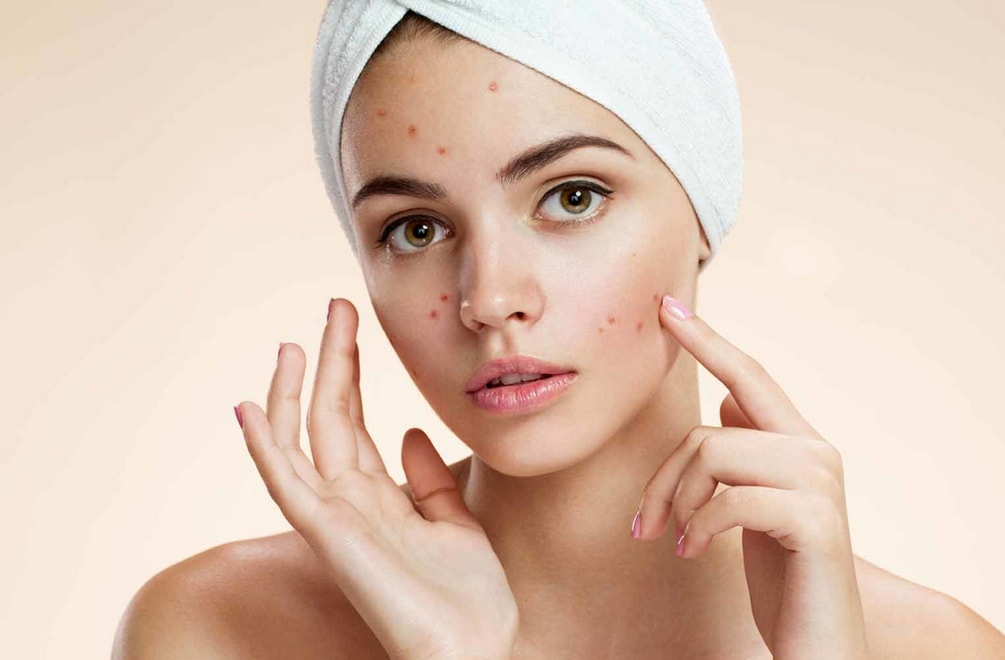
Image courtesy of blog.collagenvital.com
When it comes to battling acne, we’ve all seen the endless lineup of creams, cleansers, and spot treatments promising clear, radiant skin—but what about collagen? Once known mainly for its anti-aging benefits, this powerhouse protein has recently sparked interest for its potential role in improving acne and overall skin health. In this article, we’ll break what collagen is , what causes acne in the first place, and explore whether boosting your collagen intake could really help you achieve clearer, smoother skin, or if it’s kust another beauty industry buzzword.
What is Collagen?

Collagen is the primary building block of your body’s connective tissues—making up skin, bones, tendons, cartilage, and more. Believe it or not, it’s also the most abundant protein in the human body, serving as the “glue” so-to-speak, that holds everything together. Scientists have identified 28 different types of collagen, each with a unique structure and purpose depending on where it’s found.
Put simply, without collagen, we’d lose the framework that keeps us upright—think of it as the scaffolding that gives the body strength, shape, and resilience. While your body naturally produces collagen, this process slows down as you age. Over time, reduced collagen production leads to thinner, less elastic skin and makes it harder for the body to retain moisture. The result? Wrinkles, sagging, stiffness, and even joint discomfort.
But there is good news, friends—research shows that collagen supplementation can help counteract these effects, improving skin elasticity, joint health, and overall vitality when taken consistently.
What is Acne?
The vast majority of us are sadly too well aware of what acne is and what effects it can have on our body image and self confidence. A necessary evil gateway into adulthood and oftentimes extending well into adulthood, acne affects nearly 85% of people in the US at some point in their life, even more shockingly, it affects about 50 million Americans annually.
The Mayo Clinic describes acne as a skin condition that occurs when your hair follicles become plugged with oil and dead skin cells. It causes whiteheads, blackheads, or pimples. Acne is most common among teenagers, though it affects people of all ages.
They are also caused largely by hormonal changes. Androgens are hormones that increase in boys and girls during puberty and cause the sebaceous glands to enlarge and make more sebum. Hormone changes during midlife, particularly in women, can lead to breakouts too.
Other causes of acne breakouts could be:
- Certain medications. Examples include drugs containing corticosteroids, testosterone or lithium.
- Diet. Studies indicate that consuming certain foods — including carbohydrate-rich foods, such as bread, bagels and chips — may worsen acne. Further study is needed to examine whether people with acne would benefit from following specific dietary restrictions.
- Stress. Stress doesn't necessarily cause acne, but if you have acne already, stress may make it worse.
There are a myriad of options when it comes to treating these annoying little bumps, and boils. From the slurry of over the counter options at your local CVS to the intense steroids that can only be prescribed by a doctor's willing approval, in our 21st century age of beauty, we have made pimples our enemy against all things good and holy. In doing so however, it can be very difficult to distinguish the good, from the bad, from the ugly, when it comes to treatment options.
It’s hard to know where to start, what to trust and what is safe. For this reason, we will examine how collagen, the body’s most abundant naturally occurring protein, affects acne. Whether collagen helps or if it hurts your chances at clearer skin is a bit complicated so we’re here to help break down the break outs, when it comes to the potential benefits and limitations of collagen in acne treatment.
Does Collagen Affect Acne?

The short answer
There is little but increasing research on collagen supplements that especially target acne. According to research on skin health in general, oral collagen peptides enhance skin hydration, flexibility, and dermal collagen density—all of which are indirectly linked to the severity of acne and the development of scars.
Some clinical trials have demonstrated that collagen supplements:
- Increase dermal collagen content by up to 65% after several weeks of consistent use.
- Reduce wrinkle depth and improve skin texture, indicating enhanced skin repair.
- Support faster recovery from minor skin injuries, which may translate to reduced acne
The Longer Answer
It is no secret that collagen supplementation can support overall skin health. Collagen fortifies the skin barrier and aids in preserving the skin's moisture content. A strong skin barrier stops moisture loss and shields the skin from environmental stresses. Hydrated skin can lessen the likelihood of breakouts and better withstand microorganisms that cause acne. Additionally, it may support skin health through other, less direct avenues such as the following.
- Better Digestive Health and Decreased Inflammation
By fortifying the intestinal lining, collagen lessens inflammation and "leaky gut," two major causes of acne. Additionally, it promotes the diversity of the microbiota, which is essential for clear skin.
- Balance of Hormones
Glycine and other amino acids found in collagen help control the levels of the stress hormone cortisol and estrogen. Hormone balance aids in reducing excessive oil production, which can block pores and cause breakouts.
- Healing of Scars
In order to promote smoother skin texture, lessen the visibility of acne scars, and repair damaged skin tissue, collagen is necessary.
As stated previously, collagen supplementation is not directly linked with a reduction in acne. However the results of similar studies do appear promising, even so, it's important to manage expectations as it is not a stand-alone cure. The best results require a comprehensive strategy that includes a healthy diet, an appropriate skincare regimen, and perhaps additional acne treatments.
Types of collagen and their effect on skin
The type, source, and delivery mechanism of collagen supplements vary, and each has unique properties that impact their efficacy and absorption. The following are the most important forms for acne and skin care:
Collagen peptides, also known as hydrolyzed collagen, are easily absorbed collagen chains that have been shown to improve the hydration and flexibility of the skin.
The two most common types of collagen found in skin are type I and type III—supplements that target these types are best for skin structure and healing.
Topical collagen may provide moisturizing properties and assist barrier function, however its high molecular size limits its penetration.
Collagen boosting nutrients: Amino acids, zinc, and vitamin C promote the production of endogenous collagen and may help acne-prone skin in a roundabout way.
Oral hydrolyzed collagen supplements along with a diet high in nutrients may be the best course of action for people who are prone to acne.
How to Incorporate Collagen Into Your Routine

If you’re curious about trying collagen for clearer, healthier skin, the good news is that it’s one of the easiest supplements to add into your daily routine. Collagen powders and capsules are available almost everywhere—from grocery store shelves to online retailers—and typically derived from either bovine (cow), marine (fish), or chicken sources.
Most studies showing skin benefits use 5-10 grams of hydrolyzed collagen (collagen peptides) per day. Hydrolyzed collagen is broken down into smaller amino acid chains, which are easier for your body to absorb and transport to the skin, joints, and connective tissues, where they’re most needed.
Collagen can be mixed into your morning coffee, smoothie, oatmeal, or even baked goods—it’s virtually tasteless and heat-stable, so you don’t have to worry about ruining the benefits when adding it to hot drinks. How great is that?!
It’s also a good idea to pair it with vitamin C, since it’s a key factor in collagen synthesis. Without enough vitamin C, your body can’t properly convert collagen peptides into usable structural protein. Including foods like oranges, strawberries, and bell peppers—or simply just taking a vitamin C supplement alongside your collagen can significantly enhance its effects.
If you’re more partial to not relying on supplements to supply key nutrients and instead prefer the good ole fashioned ways of chew, chew, chew, swallow, then here’s a list of foods that are rich in the necessary vitamins and minerals required in the production of collagen.
For more information on how to take collagen supplements to begin seeing results, check out our other article linked here.
These foods are as follows:
- Bone broth

Bone broth is one of the most collagen rich and efficient ways to supply your body with the components it needs to experience benefits. Bone broth draws collagen out of beef, chicken or fish bones, leaving a flavorful liquid that you can drink straight up or use in other dishes.
- Protein-rich foods
When your body makes collagen it uses amino acids—nutrients you get from eating protein-rich foods. Some foods that are packed pull of protein (and collagen) are:
- Beef
- Chicken
- Fish
- Beans
- Eggs
- Dairy products
- Foods rich in vitamin C
Possible Side Effects and Considerations
Collagen is generally considered safe for most people, but there are a few things to keep in mind. Those with allergies to fish, shellfish, or eggs should check the label carefully to avoid reactions. A small number of users may experience mild digestive symptoms such as bloating or fullness, especially when first introducing collagen supplements into their diet.
As a rule of thumb, it’s always a good idea to consult with your healthcare provider before starting any new supplement—especially if you’re pregnant, nursing or currently taking medication for skin conditions. Also, be wary of marketing hype. Not all collagen supplements are created equal, are third-party tested, and contain no unnecessary additives or sugars.
Products such as Dr. Emil’s top-rated collagen supplement that has been rated as Amazon’s number 1 selling collagen supplement, are great options. This formula is an extremely effective blend of 100% grass-fed beef, chicken, eggshell, and marine collagen sources, including collagen I, II, III, V & X for maximum benefits. Each capsule is loaded with bone & joint health, hair & skin growth, anti-aging support, and gut and digestion aid. Why settle for one type of collagen, when you can have all 5 at your fingertips in an easy to swallow capsule.
Let’s clear things up
So…does collagen help with acne? The answer is: indirectly, yes. While it’s not a miracle cure or a substitution for proven acne treatments, collagen can be an incredible ally for overall skin health. By supporting the skin’s barrier function, reducing inflammation, and promoting faster healing, collagen gives your complexion the resilience it needs to recover and thrive so you can keep feeling bonita.
At the end of the day, acne is a complex condition with many triggers—hormones , diet, stress, and genetics all play a role. But improving your skin from within with consistent collagen intake, balanced nutrition and good self-care habits can make a noticeable difference over time.