



Collagen supplements have exploded in popularity over recent years, with promises of glowing skin, lustrous hair, stronger nails, and healthier joints. But as more people incorporate these protein-rich supplements into their daily routines, a common question keeps surfacing: does collagen make you poop? It's a valid concern, especially when introducing any new supplement into your diet. While collagen is celebrated primarily for its beauty and joint-supporting benefits, its relationship with digestive health is more nuanced than simple yes-or-no answers. Some users report improved regularity, others experience constipation, and many notice no change at all. We’ll take a closer look at the science behind collagen's effects on your digestive system, examine why different people experience different outcomes, and provide practical guidance for incorporating collagen supplements without unwanted digestive surprises.
What Is Collagen and Why Do People Take It?
The Body's Most Abundant Protein
Collagen serves as a fundamental building block throughout your body, making up approximately 30% of your total protein content. This structural protein provides strength and elasticity to connective tissues, forming the framework for skin, bones, tendons, ligaments, cartilage, and even your gut lining. Your body naturally produces collagen by combining amino acids, particularly glycine, proline, and hydroxyproline. However, natural collagen production begins declining in your mid-20s, dropping by about 1% annually.
Why Supplementation Has Become Popular
Research suggests that taking hydrolyzed collagen peptides can provide numerous benefits, making collagen one of the fastest-growing supplement categories.
- Skin health: Studies show that collagen supplementation can improve skin hydration, elasticity, and firmness while reducing wrinkle depth
- Joint support: Collagen helps maintain cartilage integrity and may reduce joint pain, particularly in athletes
- Bone strength: As a major component of bone structure, collagen supplementation may support bone density
- Hair and nail growth: Collagen provides amino acids necessary for keratin production
- Muscle mass: The protein content supports muscle maintenance and growth

How Collagen Affects Your Digestive System
The Digestive Journey of Collagen Supplements
Understanding collagen's impact on bowel movements requires examining what happens when you consume it. Most collagen supplements contain hydrolyzed collagen peptides, pre-digested protein fragments that your body can absorb more readily. When you take collagen, it travels through your digestive tract where enzymes continue breaking it down into individual amino acids and small peptide chains.
The absorption process is generally efficient, meaning most quality collagen supplements don't leave significant undigested residue in your intestines. This explains why collagen doesn't typically have dramatic laxative effects like fiber-rich foods or supplements specifically designed to promote bowel movements.
Collagen's Role in Gut Lining Health
One of collagen's lesser-known benefits involves supporting the intestinal barrier itself. Your gut lining consists of a single layer of epithelial cells held together by tight junctions. Collagen, particularly Type I and Type III found in most supplements, provides amino acids that help maintain and repair this crucial barrier.
The amino acid glycine, which comprises roughly one-third of collagen's amino acid profile, plays a particularly important role in gut health. Glycine helps regulate inflammation, supports the production of stomach acid for proper digestion, and may help heal damaged intestinal lining.
Does Collagen Cause Constipation or Diarrhea?
The Constipation Concern
Some people report experiencing constipation when they begin taking collagen supplements, however there are several factors that may explain why. Collagen supplements are essentially pure protein without the fiber, water, and other components found in whole foods. When you increase protein intake without proportionally increasing fiber and water consumption, digestive transit can slow down.

The displacement of other foods is another potential cause. If collagen supplementation causes you to consume less of other foods, particularly fruits, vegetables, and whole grains that provide dietary fiber, your overall fiber intake may drop. Protein metabolism also requires adequate water. If you're not drinking enough fluids, your body may pull water from your colon to support other functions, resulting in drier, harder stools.
Can Collagen Cause Diarrhea?
Less commonly, some individuals experience loose stools or diarrhea when starting collagen supplementation. Potential explanations can be attributed to a few different factors. Some collagen products contain added ingredients like magnesium or vitamin C that may have laxative effects, therefore it’s always best to check the full ingredient list. You may also experience a digestive adjustment period, however any significant dietary change can temporarily disrupt your gut microbiome and digestive processes. Another influencing factor is the quality of your collagen supplement. Low-quality collagen supplements may contain contaminants or be poorly processed, potentially causing digestive upset.
The Neutral, and Most Common, Response
Most people experience no significant change in bowel habits when taking collagen supplements. The protein is generally well-tolerated and efficiently absorbed without causing digestive disruption. If you notice dramatic changes in bowel movements after starting collagen, it's more likely related to other factors like overall diet changes, hydration, or individual sensitivities.
Factors That Influence Collagen's Digestive Effects
Dosage and Timing
The amount of collagen you take and when you take it can influence how your digestive system responds. Most studies that show benefits use doses between 2.5 to 15 grams daily, with 10 grams being a common target. However, starting with a lower dose and gradually increasing will allow your digestive system to better adapt to the new supplement.
Overall Diet Quality
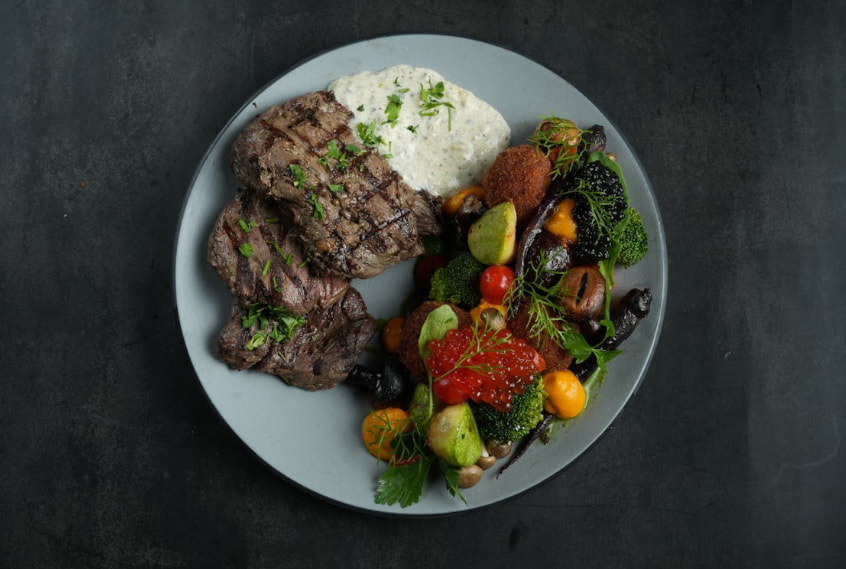
Your baseline diet significantly influences how collagen affects your digestion. Someone eating a well-balanced diet rich in fiber, fruits, vegetables, and adequate fluids is less likely to experience constipation compared to someone eating a low-fiber, processed-food-heavy diet. The key is maintaining dietary balance rather than letting collagen crowd out other important nutrients.
Hydration Status
Adequate water intake cannot be overstated when taking protein supplements like collagen. Protein metabolism produces waste products that require water for elimination. Additionally, water helps soften stool and promote regular bowel movements. Aim for at least 8-10 glasses of water daily, increasing intake if you exercise regularly or consume significant amounts of protein.
Collagen Source and Type
Collagen source and type may affect digestion in slightly different ways. Sources can include bovine, marine, chicken, or eggshell, and the most common types include I, II, III, V, X. Marine collagen, derived from fish, is often considered the most bioavailable and may be gentler on sensitive digestive systems. Multi-collagen supplements that blend various sources provide a broader amino acid profile and may offer more comprehensive benefits.
Tips for Taking Collagen Without Digestive Issues
Start Slowly and Build Up
Begin with a smaller dose than the recommended serving size, typically around half of what's suggested on the label. Maintain this lower dose for several days to a week, carefully monitoring how your digestive system responds and noting any changes in bowel movements or comfort levels. If all goes well without any adverse effects, gradually increase to the full recommended amount over the following week or two. This gradual, patient approach gives your gut microbiome and digestive enzymes adequate time to adapt to the increased protein intake, significantly reducing the likelihood of experiencing constipation or other digestive disruptions.
Prioritize Hydration
Make conscious, deliberate efforts to increase water consumption when taking collagen supplements, as adequate hydration is essential for protein metabolism and digestive health. Keep a water bottle with you throughout the day as a visual reminder to drink regularly, and consider setting hourly reminders on your phone if needed. A simple and effective guideline is to drink half your body weight in ounces of water each day. For example, if you weigh 150 pounds, aim for 75 ounces of water a day. This ensures your body has sufficient fluids to process the protein and maintain soft, regular bowel movements.

Maintain Adequate Fiber Intake
Continue eating plenty of fiber-rich foods including colorful vegetables, fresh fruits, whole grains, legumes, nuts, and seeds throughout your day. These nutrient-dense foods promote healthy digestion and regular bowel movements while providing essential vitamins, minerals, and beneficial compounds that work synergistically with collagen. A good target is 25-35 grams of fiber daily from varied sources, ensuring you get both soluble and insoluble fiber for optimal digestive function. Don't let collagen supplementation crowd out these important whole foods from your diet.
Take Collagen With Food
If you experience any digestive discomfort, bloating, or nausea, try taking collagen with meals rather than on an empty stomach to improve tolerance and absorption. Many people enjoy mixing collagen powder into their morning coffee, protein smoothies, oatmeal, or yogurt, which not only masks any potential taste but also provides a nutritional boost to their breakfast. Taking collagen with food can slow absorption slightly, allowing your digestive system to process it more gently and reducing the likelihood of any stomach upset or discomfort.
Choose High-Quality Supplements
Invest in reputable collagen brands that use quality sourcing, third-party testing, and minimal additives. Look for products that clearly state the collagen source and avoid supplements with extensive lists of fillers or artificial ingredients.
Dr. Emil's Collagen Solutions for Digestive Wellness
Multi Collagen Plus Lean Fuel

Support a healthier and more vibrant version of yourself with help from Dr. Emil’s Multi Collagen Plus Lean Fuel. | Image courtesy of Dr. Emil.
Dr. Emil's Multi Collagen Plus Lean Fuel delivers 9 grams of high-quality collagen peptides in a multitude of delicious flavors that makes daily supplementation enjoyable. This innovative formula combines collagen's structural benefits with carefully selected metabolism-supporting ingredients. Grains of Paradise seed extract provides thermogenic support to boost metabolism and energy expenditure. Bitter Melon extract contributes to healthy blood sugar balance, reducing cravings and supporting stable energy throughout the day.
Ashwagandha extract helps regulate cortisol levels and minimize stress-related eating behaviors. Olive Leaf extract offers antioxidant protection and metabolic support, while Hyaluronic Acid ensures optimal cellular hydration for both skin health and digestive function. The hydrolyzed collagen peptides promote satiety, helping you feel fuller longer while maintaining lean muscle mass during weight management efforts.
The formula supports skin elasticity, hair strength, nail health, and joint comfort. Free from harsh stimulants that can irritate the digestive tract, this thoughtfully designed formula ensures optimal absorption without digestive discomfort, making it suitable for daily use even by those with sensitive stomachs.
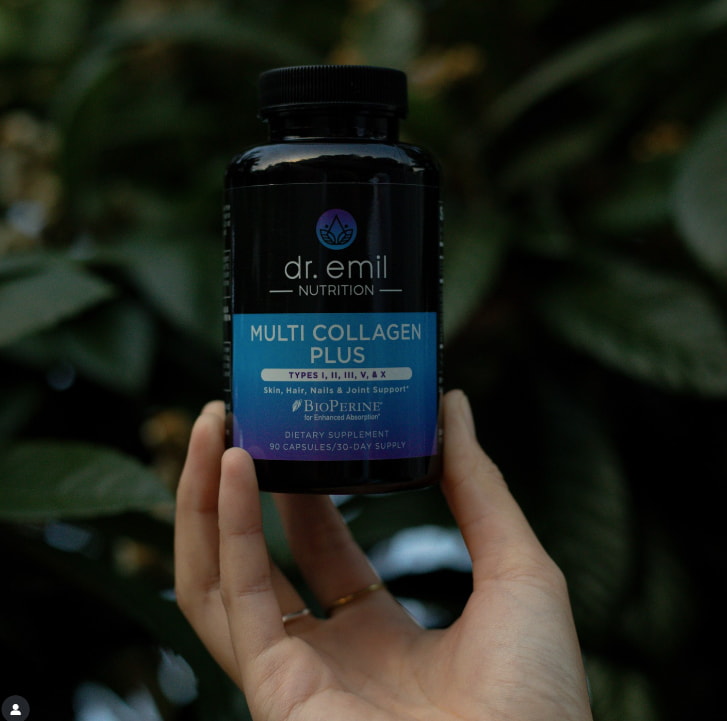
Multi Collagen Plus

Dr. Emil’s Multi Collagen Plus supports healthy hair, skin, nails, and joints. | Image courtesy of Dr. Emil.
Dr. Emil's Multi Collagen Plus stands as one of Amazon's best selling collagen supplements, combining five premium collagen types (I, II, III, V, and X) from grass-fed bovine, chicken, eggshell, and marine sources. Each type serves distinct functions throughout the body. Type I primarily supports skin, bones, and connective tissues while Type II concentrates in cartilage for joint health.Type III works alongside Type I for skin elasticity and blood vessel structure; Types V and X support hair, cell membranes, and bone formation.
The convenient capsule form eliminates concerns about powder mixing or chalky textures. Each capsule contains fast-absorbing collagen peptides enhanced with BioPerine, a black pepper extract clinically proven to improve supplement absorption and bioavailability, meaning you get more benefit from each dose.
This comprehensive formula specifically supports gut and digestion health by providing a diverse amino acid profile that maintains intestinal lining integrity. Manufactured in a certified GMP facility in the USA, it's free from GMOs, gluten, dairy, hormones, and harmful additives, minimizing the risk of digestive upset from contaminants or unnecessary fillers.
The Bottom Line on Collagen and Digestion
Does collagen make you poop? The answer depends on individual factors including baseline diet, hydration status, product quality, and your unique digestive system. For most people, high-quality collagen supplements don't cause significant changes in bowel habits, as the protein is efficiently absorbed and utilized throughout the body. Some individuals may experience temporary constipation, usually related to inadequate fiber or water intake rather than the collagen itself. Less commonly, some notice looser stools, often due to additional ingredients in their chosen product or temporary digestive adjustment. These effects typically resolve within days to weeks as your body adapts.
Success with collagen supplementation depends on choosing quality products from reputable brands, such as Dr. Emil, starting with smaller doses and gradually increasing, maintaining adequate hydration, continuing to eat a fiber-rich diet, and paying attention to your body's signals. By following these guidelines, you can enjoy collagen's benefits for skin, hair, nails, joints, and overall health without the digestive concerns. View collagen as part of a holistic wellness approach that includes balanced nutrition, regular exercise, adequate sleep, and stress management for optimal results.
%20(1).png)


