
Kava has been having a moment lately. You’ve probably seen it popping up in wellness shops, herbal supplements, or even full-on kava bars where people sip it the same way they’d grab an evening cocktail. It’s marketed as this wonderfully calming, mood-balancing, tension-melting plant — basically a natural way to take the edge off without alcohol. But if you’ve looked into it even a little, you’ve likely run into the big, confusing question: is kava actually safe?
Some sources say it’s a gentle, centuries-old herb with a great safety record. Others warn about liver damage, interactions, and side effects. So what’s true? What’s outdated? And what should the average person know before adding kava to their evening routine?
This article breaks everything down — the history, the research, the risks, and who should steer clear — so you can make an informed, confident decision.
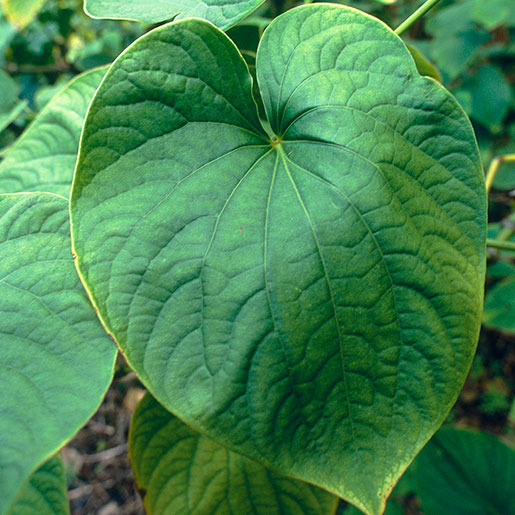
Kava is a Traditional Pacific Island Herb
Kava might feel like a new wellness trend, but it’s anything but new. This earthy, slightly peppery herb comes from the root of the Piper methysticum plant, which has been cultivated for thousands of years across the Pacific Islands — especially in Fiji, Vanuatu, Tonga, and Samoa. Traditionally, kava isn’t just a calming drink; it’s a cultural cornerstone. People have used it in ceremonies, community gatherings, conflict resolution, and everyday socializing. Think of it as the original “let’s sit down and relax together” beverage.
The root is typically pounded and mixed with water to create a drink that promotes relaxation, mild euphoria, and a sense of grounded calm. No alcohol, no hangover — just a soothing, social experience that’s deeply woven into Pacific Island life.
So while Western wellness circles might treat kava like the latest anxiety hack, its roots (literally) run much deeper.
Why Kava’s Been Getting So Much Attention from the Wellness Community
Kava’s surge in popularity isn’t happening in a vacuum — it’s riding the wave of a much bigger cultural shift. More people are looking for ways to unwind that don’t involve alcohol, prescription meds, or feeling foggy the next morning, and kava fits that sweet spot perfectly. It offers a calm, relaxed, slightly uplifted feeling without impairing your thinking or coordination, which makes it especially appealing to anyone trying to cut back on drinking or manage stress more naturally.
Social media hasn’t hurt, either. Between TikToks about “natural chill pills” and influencers swapping their evening wine for herbal wellness drinks, kava has quietly become a star. And with kava bars popping up everywhere from Brooklyn to Austin, it’s getting a reputation as a social ritual in its own right — something that feels communal, soothing, and intentional.
In other words, kava checks a lot of boxes for today’s wellness crowd: natural, effective, approachable, and aligned with a gentler, more mindful lifestyle.
How Kava + Kavalactones Work in the Body
The magic behind kava comes from compounds called kavalactones, which are concentrated in the plant’s root. These little molecules are what give kava its calming, relaxing effects. When you drink or take kava, kavalactones interact with your brain’s GABA receptors — the same system that alcohol and some anti-anxiety medications affect — helping to reduce stress and promote a sense of calm. Unlike alcohol, though, kava doesn’t cloud your thinking or impair coordination, which is why people often describe it as a “clear-headed” relaxation.
Kavalactones also have mild muscle-relaxing and mood-stabilizing effects, which is part of why traditional Pacific Islanders have relied on kava for social gatherings, ceremonies, and even stress relief. In short, kava works on multiple levels: it soothes the mind, relaxes the body, and creates that signature sense of ease without knocking you out or leaving you hungover the next day.
So: Is Kava Safe to Use?
Kava is generally considered safe for most healthy adults, but like any supplement, it comes with a few caveats. Here’s a closer look at the history, research, and who should approach it with caution.
A History of Safety Concerns Due to Liver Toxicity
Back in the early 2000s, kava made headlines for potential liver damage. Several European countries even banned it after reports linked kava use to liver failure, hepatitis, and other serious issues. These cases caused a lot of alarm and gave kava a “risky supplement” reputation in Western markets.
However, many of these reports involved products that weren’t prepared traditionally. Some used tudei kava (a lower-quality variety) or extracts made with harsh solvents instead of water, which may have increased toxicity. Others involved people who were heavy drinkers, had pre-existing liver conditions, or took multiple medications at once.
The takeaway? Early warnings weren’t entirely wrong, but they didn’t tell the full story about how traditional kava is actually used safely in Pacific Island communities.
More Recent Research Paints a Different Picture
Modern studies have given kava a second look. Research suggests that noble kava, the traditional variety used in ceremonies, has a very low risk of liver damage when prepared properly. Most safety concerns come from poor-quality supplements or improper processing, not the plant itself.
In fact, organizations like the World Health Organization and recent clinical trials indicate that kava can be safe for short-term use by healthy adults. Quality control has improved dramatically in reputable brands, with third-party testing and water-based extractions helping reduce risk.
In other words, kava’s safety record today is very different from the scary headlines of the early 2000s — but responsible sourcing and dosing are key.

Still, Kava Isn’t Right for Everyone
Even though kava is generally safe, it’s not a one-size-fits-all supplement. Certain groups should avoid it completely to minimize risk:
- People with liver disease or liver enzyme issues
- Heavy alcohol consumers
- Pregnant or breastfeeding individuals
- People taking medications metabolized by the liver
- Individuals with certain metabolic or enzyme disorders
For everyone else, kava can still be used safely when consumed moderately and sourced carefully.
And Kava Can Have Serious Interactions with Other Compounds
Kava works on the central nervous system, so it doesn’t play well with substances that have similar sedative or liver-impacting effects. Mixing kava with other sedatives, for example, can amplify drowsiness or even impair coordination, creating potentially dangerous situations — especially if you plan to drive or operate machinery. Alcohol is a big one here: it not only intensifies kava’s sedative effects but can also increase stress on the liver, heightening the risk of toxicity.
Other common interactions include:
- Benzodiazepines (like Xanax or Valium)
- Prescription sleep aids or sedatives
- Certain antidepressants (SSRIs or MAOIs)
- Other herbal relaxants (like valerian or passionflower)
Even seemingly harmless over-the-counter medications or herbal supplements can complicate kava’s effects. The safest approach? Always check labels, talk to a healthcare professional if you’re taking anything regularly, and avoid combining kava with other substances that could compound sedation or liver strain.
Potential Side Effects of Taking Kava
For most people, kava is mild and well-tolerated, but it’s not completely risk-free. The most common side effect is drowsiness, which is part of what makes kava appealing as a relaxation aid — but it can interfere with work, driving, or other activities if you’re not careful. Some people also experience stomach upset, nausea, or headaches, especially when taking higher doses or starting out.
Long-term or excessive use can lead to kava dermopathy, a condition where the skin becomes dry, flaky, or rough. While rare, allergic reactions or temporary liver enzyme elevations have also been reported.
Common side effects include:
- Drowsiness or fatigue
- Stomach upset or nausea
- Headache
- Dry, flaky skin (kava dermopathy)
- Rare allergic reactions or liver enzyme changes
Starting with a low dose, choosing high-quality products, and monitoring your body’s response can help minimize risks while still letting you enjoy kava’s relaxing effects safely.
What to Look for in Kava Supplements: Getting the Most Out of Your Dose
When you're shopping for kava, not all products are created equal. To make sure you're getting something safe and effective, keep an eye out for:
- Noble Kava Only: The Piper methysticum plant has different cultivars, but “noble” kava is considered the safest and most traditional.
- Root Material Only: High-quality kava should come from the root — not leaves, stems, or peelings — because other parts may have less of the active compounds and more risk.
- Safe Extraction Method: Water-based extraction (or traditional peeling + pounding) is ideal. Solvent extraction (like with ethanol or acetone) can concentrate unwanted compounds.
- Third‑Party Testing / Certificates of Analysis (COAs): Look for lab reports that show kavalactone percentages, absence of heavy metals, and microbial testing.
- Transparent Sourcing: Brands that work directly with Pacific Island farmers or clearly explain where their kava is grown are generally more trustworthy.
- Batch Testing: It’s a good sign when each batch has a COA — not just “we test sometimes.”
Doing a little homework on the brand can go a long way — it helps you avoid low-quality or potentially risky products and gets you the more traditional, calming experience that kava promises.
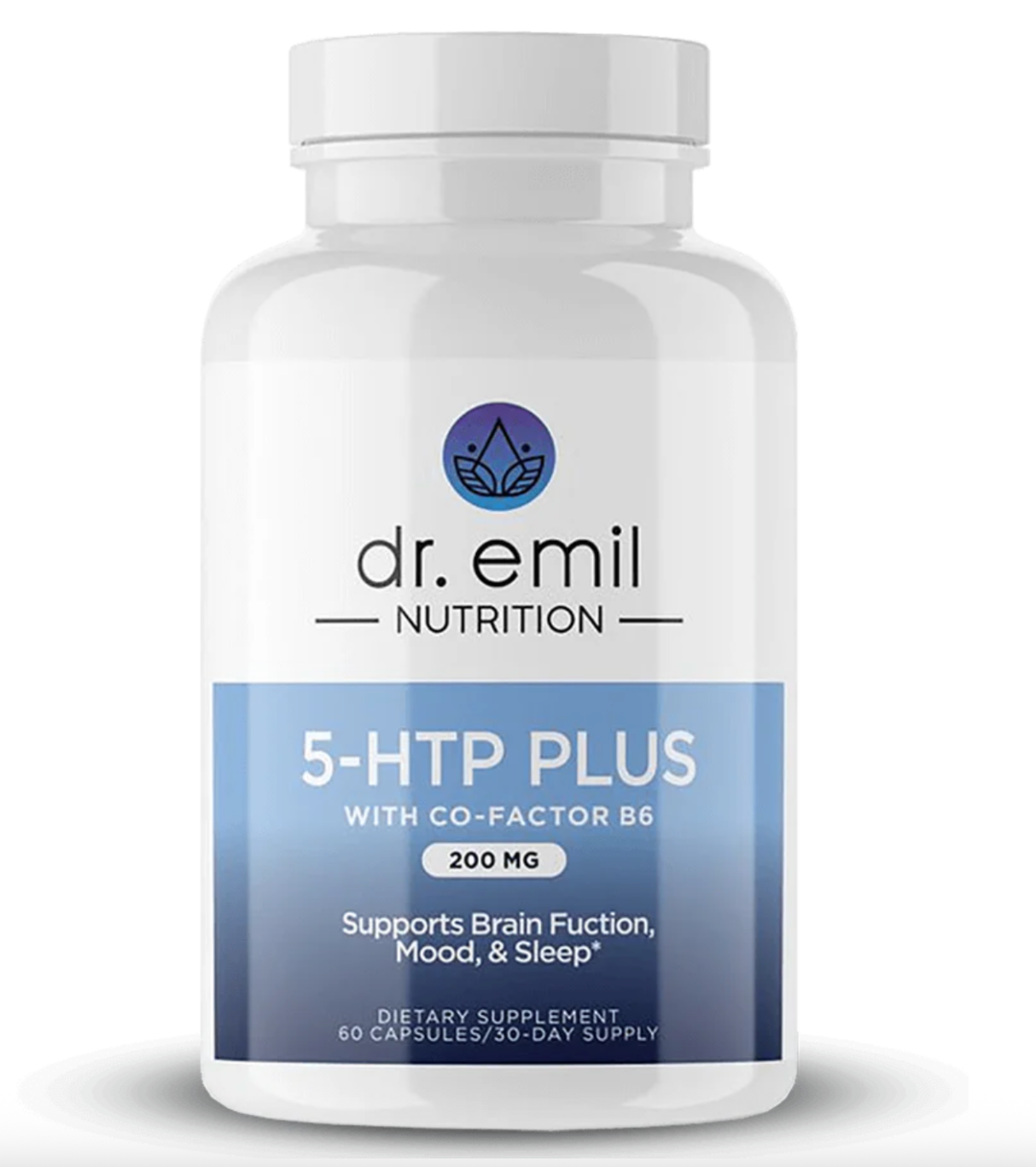
Shop Dr. Emil Nutrition 5-HTP Plus >>
Why Someone Might Combine Kava + 5‑HTP (and Whether That’s Smart)
For many of us looking to optimize our health and wellness, we aren’t looking for a single supplement that will solve all of our problems… we’re looking for one that complements our existing routine and lifestyle choices. Which begs the question: what kind of supplements pair well with kava?
We already covered the ones that don’t, but which ones can help you get the greatest boost from your kava consumption?
One of the most popular options is combining kava and 5-HTP.
In theory, this combination can be powerful: kava brings that relaxed, grounded feeling, and 5-HTP gently enhances emotional well-being by supporting serotonin production. It can feel like a two-pill strategy — one for calming your mind, the other for lifting your mood.
A couple of important caveats though:
- Both compounds can cause drowsiness, so when used together, the sedative effect might be stronger than taking either alone.
- Because 5-HTP affects serotonin, there’s a risk (especially when combined with other supplements or medications) of pushing serotonin too high, which can lead to unwanted side effects.
- As with any supplement pairing, it’s wise to start with low doses, monitor how you feel, and talk with a healthcare provider before using them together, especially if you’re taking other mood or sleep medications.
When approached thoughtfully, kava + 5-HTP can be a synergistic combo, but it’s not something to toss together without a little planning and care.
And as always, make sure you talk to your doctor before taking kava, 5HTP, or any other supplement. They’ll be the one who is best equipped to help you decide if it will be a safe, effective, and worthwhile addition to your unique routine.
TLDR; Kava is generally a safe and effective way to unwind that’s associated with mild side effects and plenty of potential benefits.
Kava is generally safe for healthy adults when used responsibly. Traditional Pacific Island use, combined with modern research, shows it can help reduce stress, promote relaxation, and support better sleep — all without the grogginess of alcohol.
That being said, kava isn’t for everyone. People with liver issues, heavy drinkers, pregnant or breastfeeding individuals, and those on certain medications should avoid it. Mild side effects like drowsiness, stomach upset, or dry skin are possible, especially at higher doses.
When used thoughtfully, kava — alone or paired carefully with supplements like 5-HTP — can be a safe, effective way to unwind and support your wellness routine.