If you have ADHD, you already know that focus isn’t just about willpower.
It’s not about being “lazy.” It’s not about needing “discipline.” Neurodivergence means your brain literally operates differently, so the things that work for some people just don’t work the same way for you. You can want to concentrate, plan to concentrate, sit down with every intention of concentrating… and still feel like your brain has other plans.
Thoughts jump. Motivation dips. Simple tasks somehow take forrrrrrevvvvvver.
And while prescription medications can be life-changing for many people, they’re not the only option out there, and more importantly, they’re not the right fit for everyone.
That’s why we’re here to talk about nootropics.
Often referred to as “brain-supporting” supplements, nootropics are compounds that may help support focus, memory, mental clarity, and cognitive endurance. Over the past few years, they’ve gained serious traction in the wellness world—especially among people with ADHD who are looking for additional tools to support attention and executive function without feeling overstimulated or burned out.
Of course, nootropic supplements aren’t magic, and they aren’t a replacement for professional care. But research suggests that certain nutrients, amino acids, and plant compounds may play a meaningful role in supporting the brain systems that tend to function differently in people with ADHD. When used thoughtfully, they can become part of a broader, more personalized approach to managing symptoms.
In this article, we’ll break down:
- What nootropics are (and what they aren’t)
- Why certain nootropics may be especially relevant for ADHD-related focus and memory challenges
- The brain mechanisms nootropics may support, including neurotransmitters and stress response
- Research-backed nootropics that may help improve attention, mental clarity, and cognitive performance in people with ADHD
- How to think about using nootropics safely and realistically as part of an ADHD wellness routine
What Are Nootropics, Exactly?
“Nootropics” is one of those wellness buzzwords that sounds more intimidating than it needs to be. At its core, the term simply refers to compounds that support brain function—things like focus, memory, learning, and mental clarity.
Some nootropics are naturally occurring nutrients your brain already uses to function properly. Others are plant-based compounds that have been studied for their cognitive effects. And yes, there are synthetic nootropics out there, but in the wellness space, most conversations around nootropics for ADHD focus on supplements and ingredients that support the brain gently rather than forcefully.
Think of nootropics less like flipping a switch and more like optimizing the conditions your brain works in. They don’t override your nervous system or “hack” your brain into submission. Instead, they may help support things like:
- neurotransmitter production
- communication between brain cells
- stress resilience
- mental energy and endurance
That distinction matters—especially for people with ADHD, whose brains often process stimulation, motivation, and attention differently to begin with.
Another important thing to clear up: nootropics are not the same as prescription stimulant medications. Stimulants directly increase certain neurotransmitters very quickly. Nootropics, on the other hand, tend to work more subtly and gradually by supporting underlying brain chemistry and physiology over time.
That’s also why expectations matter. Most nootropics don’t deliver a sudden “laser focus” moment. What people often notice instead is that focusing feels a little less effortful, mental fatigue sets in later, or their thoughts feel slightly easier to organize. Small shifts—but ones that can add up in daily life.
Next, let’s look at why these compounds may be especially relevant for ADHD in the first place—and what’s happening in the brain that makes nootropics worth exploring.
Why Nootropics May Help With ADHD
ADHD isn’t a lack of intelligence or effort—it’s a difference in how the brain regulates attention, motivation, and executive function. Research suggests that several brain systems involved in focus and self-regulation don’t always fire as efficiently in people with ADHD, which can make everyday tasks feel far more demanding than they should.
One of the biggest factors at play is neurotransmitter activity, particularly dopamine and norepinephrine. These chemical messengers help regulate attention, reward, motivation, and working memory. In ADHD brains, dopamine signaling in certain areas tends to be lower or less consistent, which helps explain why tasks that feel boring or repetitive are so hard to stick with—even when they’re important.
There’s also the role of acetylcholine, a neurotransmitter involved in learning, memory, and sustained attention. When acetylcholine levels or signaling are suboptimal, it can be harder to retain information, stay mentally organized, or shift attention smoothly from one task to another.
Stress is another piece of the puzzle. Many people with ADHD experience heightened stress reactivity, which can further impair focus and decision-making. Chronic stress increases cortisol, and elevated cortisol over time can interfere with memory formation, mental clarity, and emotional regulation—essentially stacking the deck against an already taxed attention system.
This is where nootropics come in.
Rather than forcing stimulation, many nootropics work by supporting the raw materials and processes the brain relies on. Some provide precursors for neurotransmitter production. Others help protect brain cells from stress, improve communication between neurons, or support energy production at the cellular level. A few even help promote a calmer, more focused mental state by smoothing out the stress response that so often worsens ADHD symptoms.
Importantly, these effects tend to be supportive rather than dramatic. The goal isn’t to change who you are or how your brain works—it’s to help your brain do what it already wants to do with a little less friction.
With that foundation in mind, let’s take a closer look at specific nootropics that research suggests may help support focus, memory, and cognitive performance in people with ADHD.
Nootropics Research Suggests May Support ADHD
L-Theanine
L-Theanine is an amino acid naturally found in green tea and is known for promoting a calm but alert mental state. It doesn’t sedate or stimulate—instead, it helps smooth out mental noise.
Research suggests L-theanine may increase alpha brain wave activity, which is associated with relaxed focus. For people with ADHD who also experience anxiety, restlessness, or racing thoughts, L-theanine may help improve focus by reducing internal distraction rather than increasing stimulation.
Found in: Green tea and nootropic mushrooms like Lion’s Mane, Reishi, Chaga, and Cordyceps
L-Tyrosine
L-Tyrosine is an amino acid the brain uses to produce dopamine and norepinephrine—two neurotransmitters closely tied to attention, motivation, and mental stamina. Research suggests tyrosine may be especially helpful during periods of stress, when neurotransmitter levels can dip even further.
For people with ADHD who notice their focus completely unravels under pressure, tyrosine may help support cognitive performance when mental demands are high rather than during calm, low-stress moments.
Found in: High-protein foods like beef, fish, pork, milk, cheese, yogurt, and beans
Citicoline (CDP-Choline)
Citicoline is a form of choline that supports the production of acetylcholine, a neurotransmitter essential for memory, learning, and sustained attention. It also plays a role in maintaining healthy brain cell membranes, which supports efficient communication between neurons.
Studies suggest citicoline may help improve attention and working memory, making it particularly interesting for people with ADHD who struggle with mental organization, forgetfulness, or losing their train of thought mid-task.
Found in: Organ meats, eggs, and some plant-based foods like broccoli and cauliflower
Magnesium (L-Threonate or Glycinate)
Magnesium plays a role in hundreds of neurological processes, including neurotransmitter regulation and nervous system balance. Certain forms, like magnesium L-threonate, are able to cross the blood-brain barrier and directly support cognitive function.
Research links magnesium deficiency to increased distractibility and stress sensitivity—both common in ADHD. Supplementation may support better sleep, calmer focus, and improved attention, especially for those who feel mentally wired but physically exhausted.
Found in: Green, leafy veggies, legumes, nuts, seeds, and whole grains
Omega-3 Fatty Acids (EPA & DHA)
Omega-3s are among the most well-researched nutrients for brain health and ADHD. EPA and DHA are critical components of brain cell membranes and help regulate inflammation and neurotransmitter signaling.
Multiple studies have found that people with ADHD tend to have lower omega-3 levels, and supplementation has been associated with modest improvements in attention and impulse control. While not a quick fix, omega-3s provide foundational brain support that may enhance overall cognitive function over time.
Found in: Fish like salmon, trout, and tuna, as well as fish and krill oils
Rhodiola Rosea
Rhodiola is an adaptogenic herb best known for helping the body manage stress and mental fatigue. Rather than directly stimulating the brain, it supports resilience—helping you stay mentally sharp when energy dips or stress rises.
For people with ADHD who feel focused early in the day but mentally exhausted by afternoon, rhodiola may help extend cognitive endurance and reduce burnout-related brain fog without the jittery edge that some stimulants can cause.
Found in: Typically available in supplement form
Bacopa Monnieri
Bacopa is a traditional herbal nootropic with a strong research history around memory and learning. Studies suggest it may support the formation of new memories and improve information retention by enhancing communication between neurons.
Bacopa tends to work gradually, with benefits building over weeks rather than days. This makes it a good fit for people with ADHD who struggle less with energy and more with recall, mental clarity, or retaining what they’ve just read or heard.
Found in: Typically available in supplement form
How to Incorporate Nootropics Into Your Routine
Nootropics are pretty readily available as over-the-counter supplements, which means adding them to your routine is usually as easy as heading to your nearest grocery store or ordering them up online. That said, like any supplement or change in routine, it’s always best to have a chat with your doctor before making changes. They can help you create a plan that will work for your unique situation, and they’ll know if there are any potentially harmful interactions between the medications you might be taking, medical conditions you might have, and the supplements you’re interested in adding.
But once you get the green light from your provider, be sure to check out some of these top-tier nootropics for ADHD.
Dr. Emil Nutrition Mushroom Complex
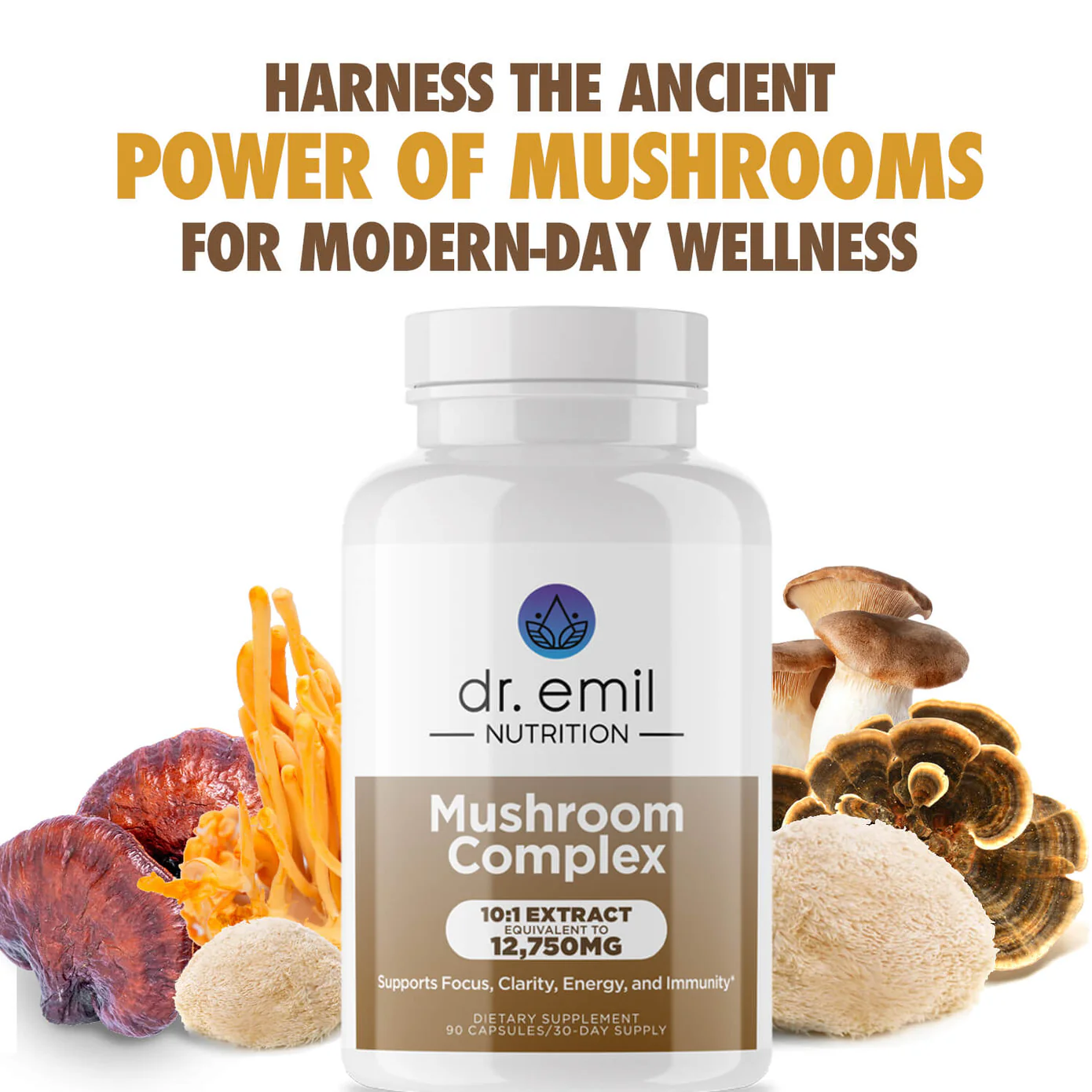
In terms of non-pharmaceutical ADHD support, Dr. Emil Nutrition’s Mushroom Complex is one of the best nootropic mushroom supplements for energy, focus, and clarity support. What makes it so special? Rather than relying on a single nootropic, this convenient supplement contains a synergistic combination of several nootropic mushrooms. Translation? In just two capsules a day, you get the benefits of eight powerful fungi, which contain compounds like L-Theanine that have been shown to provide a cognitive boost that may offset some of the symptoms of ADHD.
Here’s what’s on the roster: Lion's Mane, Agarikon, Chaga, Cordyceps, Maitake, Shiitake, Reishi, and Turkey Tail.
Each mushroom brings unique focus-boosting properties, Reishi and Lion's Mane directly address stress responses and cognitive function, while Cordyceps provides balanced energy without the jitters that can trigger anxiety, like you might get with caffeine or other stimulant treatments.
Shop Dr. Emil Mushroom Complex
Apothékary Mindcraft

While not specifically focused on addressing ADHD symptoms, Apothékary’s Mindcraft supplement is generally highly regarded for providing an overall brain boost. It contains several of the nootropic ingredients we mentioned earlier – like Lion’s Mane and Chaga mushrooms – in a liquid tincture format.
Some reviewers found that they disliked the berry flavor or that the supplement took a month or more to provide results – some noting that they noticed they’d been seeing a benefit after they ran out of the supplement – but overall, the feedback on Apothékary’s website is positive.
Qualia Mind 2.0
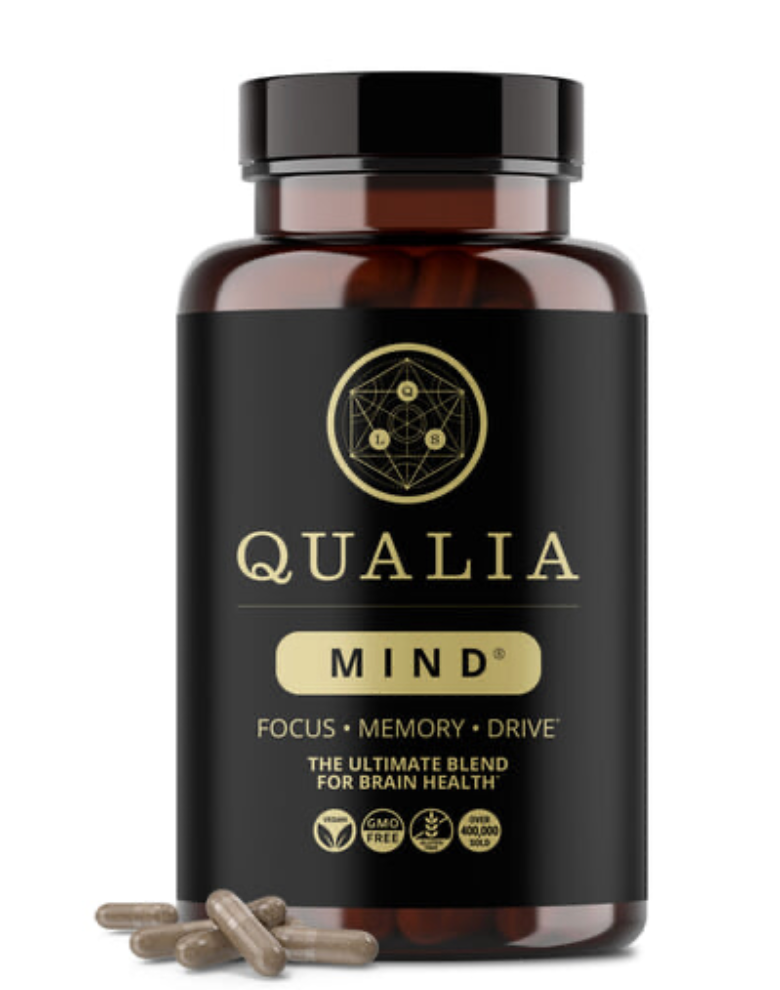
Qualia’s Mind 2.0 supplement makes a simple promise: to help you get things done. It contains 32 ingredients including 21 brain nutrients, casting a wide net to provide broad cognitive support rather than targeting specific concerns. Heavy hitters on the ingredients list include Lions Mane and Gingo biloba.
Reviewers have positive things to say about this supplement, if it fits within your budget. At $159 a bottle, it might be worth the price for those really struggling to get a leg up on managing ADHD symptoms.
Nootropics aren’t the end-all, be-all solution for ADHD, but they can provide a boost of focus and clarity that makes managing symptoms easier.
We hope this article has helped clear up your questions about nootropics for ADHD. Still wondering about some of the things we mentioned here? Drop us a line, and we’ll do our best to clear it up for you.