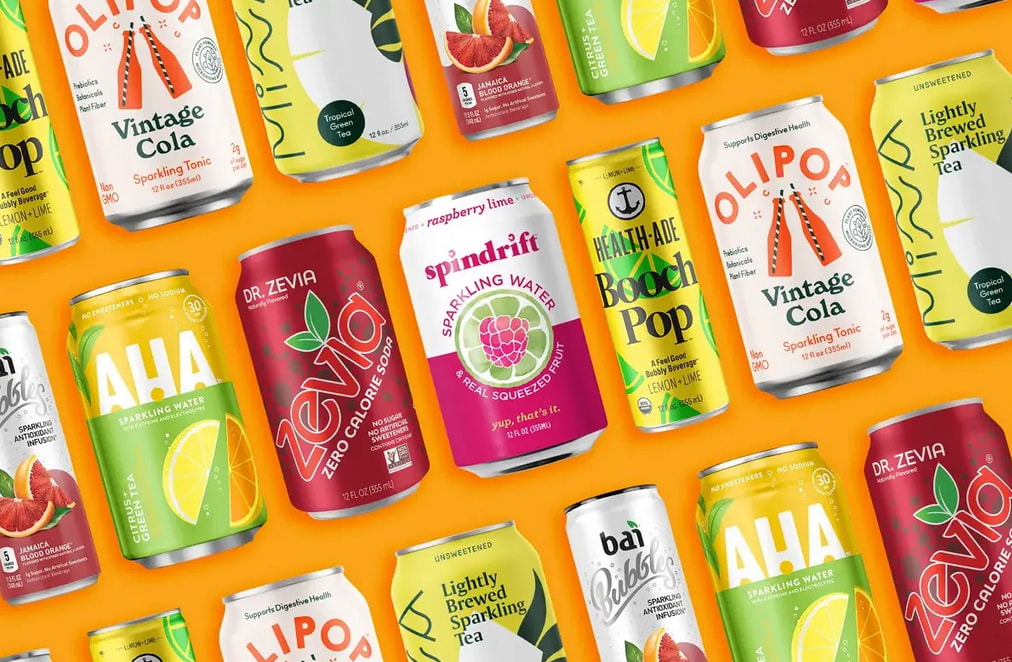
We’re living in an age where added sugars, dyes, preservatives, unnecessary ingredients, and microplastics—to name a few—are not only more accessible than healthy beverage alternatives but marketed in such a way that leads us to believe they ARE the healthy drink alternative. How twisted is that? It’s important to stay mindful as to what beverages we elect to put into our bodies, because—at the risk of sounding dramatic—it could mean life or death, or at the very least impact not only our well-being but our offsprings as well.
This article will explore common beverage choices as well as spill the tea on health complications that coincide with some of the more frequently purchased brands. In addition, we will offer our top healthy alternatives to help you make smarter, more intentional choices the next time you reach for a drink. From sugary sodas disguised as “energy boosters” to sports drinks that pack more chemicals than nutrients, we’ll uncover what’s really hiding behind the labels, and how to swap them for cleaner, body-loving options.
Soda
Today's generations now see soda as the archetype for a sugary fast-lane ticket to type II diabetes—and rightfully so. Most colas, unless advertised as diet or low calorie, pack in about 150-200 calories and can have well over 40 grams of sugar per 12 fl oz can. That’s nearly the entire recommended daily sugar intake in just a few gulps. Beyond the sugar spike and inevitable crash, regular soda consumption has been linked to obesity, tooth decay, insulin resistance, and a host of cardiovascular issues.
Even diet sodas aren’t off the hook. While they may cut the sugar, they often replace it with artificial sweeteners that can disrupt gut health and trick your brain into craving more sugar. Over time, this can lead to the same cycle of dependence and metabolic imbalance that traditional sodas cause. The carbonation and acidity can also erode tooth enamel, meaning your smile takes a hit too.
If you’re looking to kick the craving, try some of the following alternative options, your body will thank you. The following beverages have less sugar than traditional soda, are made without aspartame (one of the aforementioned artificial artificial sweeteners that boasts zero-calories but actually has been linked to negative health outcomes), and may contribute to overall health by providing essential nutients…not to mention they are all still carbonated so you can get that fizzy goodness!
1. OLIPOP
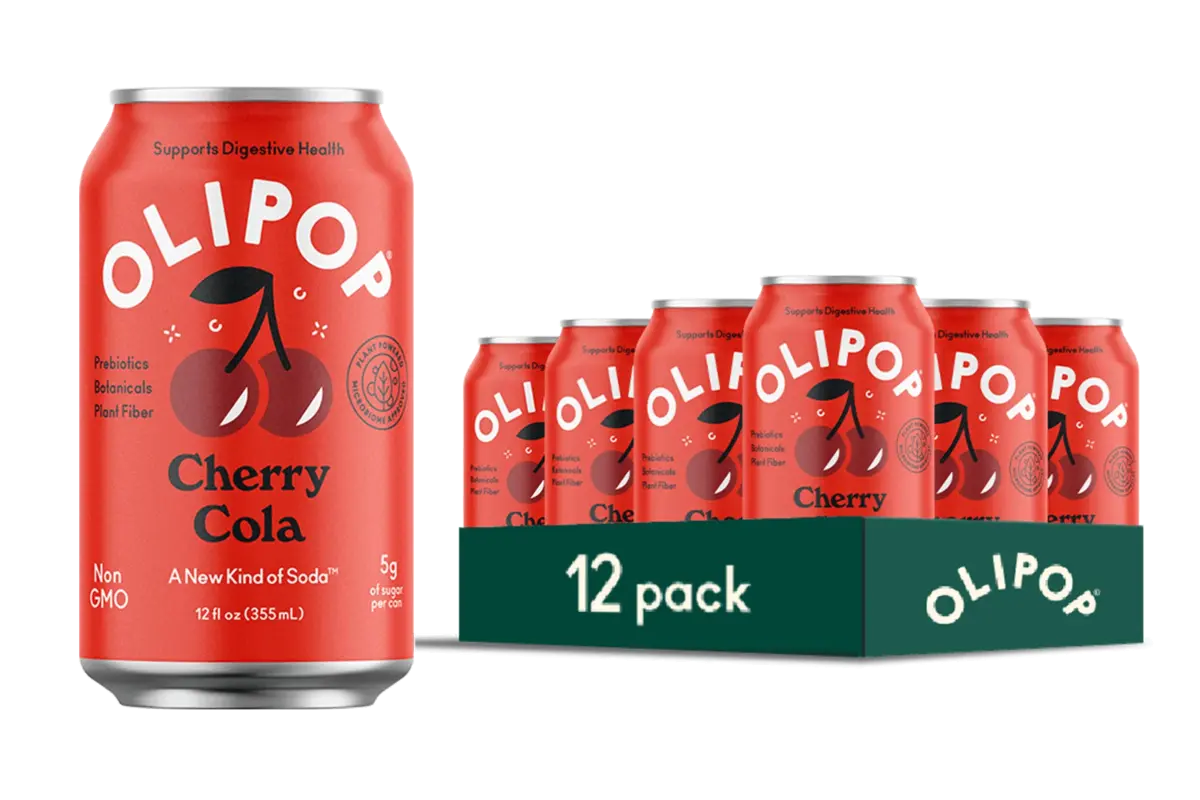
Nutrition (Per 12-oz can):
Calories: 35
Sodium: 25 mg
Carbs: 16 g (9 g fiber, 2 g sugar)
Caffeine: 50 mg
Sweeteners: Stevia Leaf, Apple Juice Concentrate
You’ve likely seen this option popping up in grocery stores as of late, that’s because they are increasing significantly in their popularity due to their classic cola flavor! Stevia leaf extract and cassava root syrup provide the majority of OLIPOP's sweetness. Additionally, each can has 9 grams of fiber, which is uncommon for most sodas. One of the major selling points with OLIPOP is their wide variety of flavors, offering 16 flavors, including Cherry Vanilla, Lemon Lime, Cream Soda, and Classic Grape to name a few.
2. Zevia
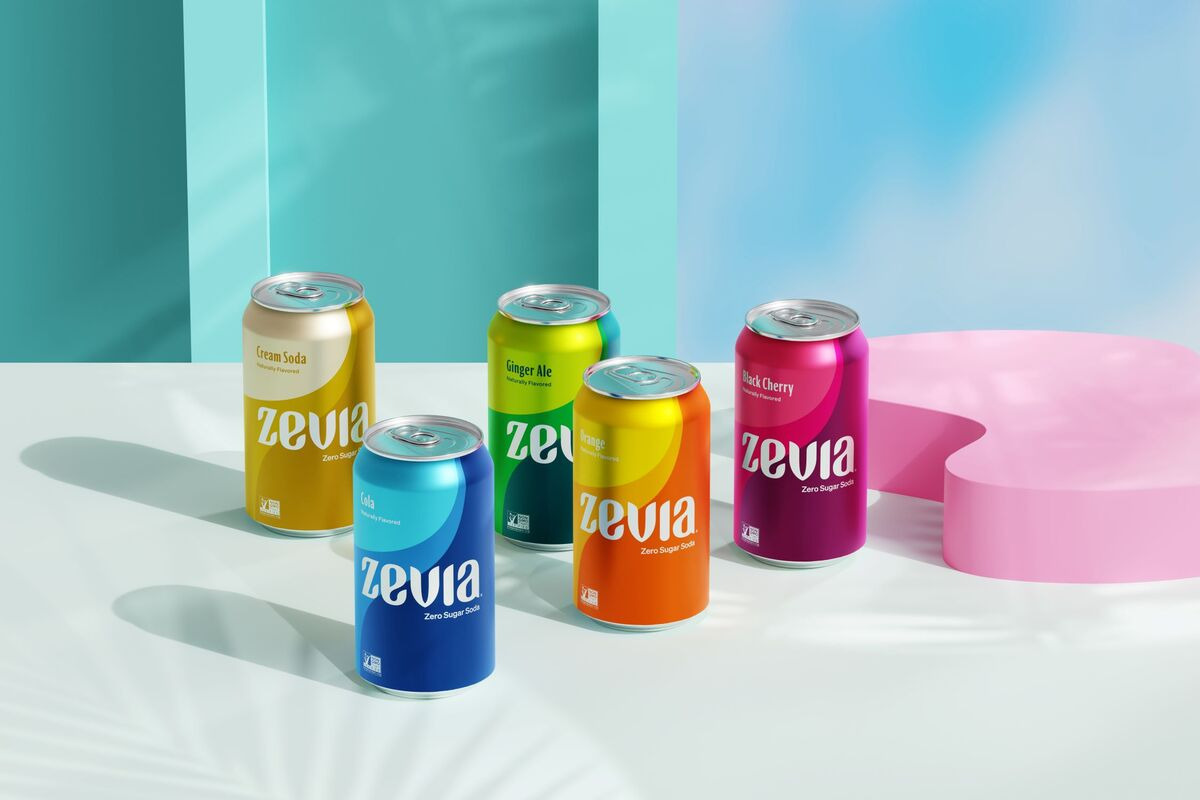
Nutrition (Per 12-oz can):
Calories: 0
Sodium: 0 mg
Carbs: 0 g (Sugar: 0 g)
Caffeine: 38 mg
Sweeteners: Stevia leaf extract
An even cleaner option by most nutritionists standards, Zevia’s sodas boast a true zero calorie benchmark. Stevia leaf-extract is the main source of sweetness in Zevia beverages and they utilize only natural ingredients, that you can pronounce for their flavor. An added bonus is that, similar to OLIPOP, they have a vast selection of flavors to choose from.
3. Mayawell Prebiotic Soda
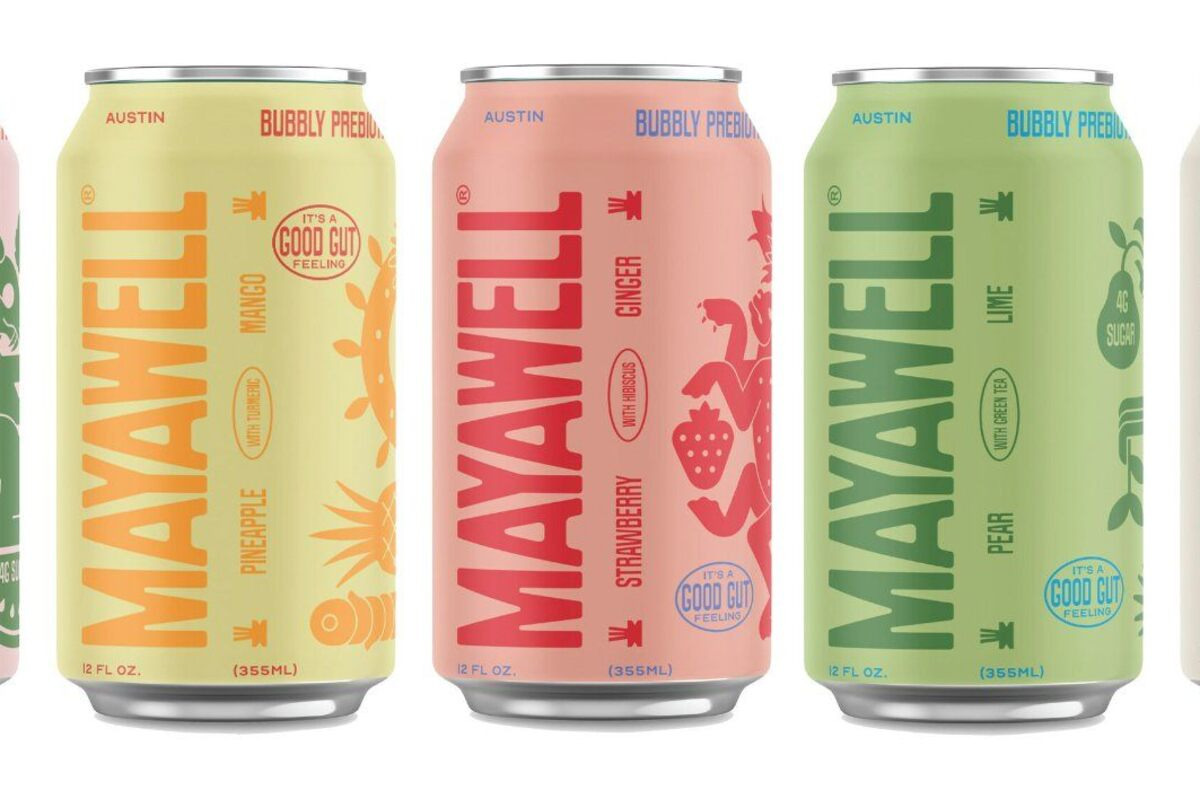
Gut friendly Mayawell Prebiotic Soda is a great option for those looking to get that satisfying fizz while supporting your guts microbiome. Image courtesy of prnewswire.com
Nutrition (Per 12-oz can):
Calories: 35
Sodium: 0 mg
Carbs: 9 g (Fiber: 5 g, Sugar: 4 g)
Caffeine: 0 mg
Sweeteners: Organic agave nectar
Yet another option with ingredients that you can pronounce, low calories, and is packed with fiber and other great gut-boosting elements that you should, Mayawell Prebiotic Soda is a great option for those looking to get more out of their soda.
Energy drinks
In the nonstop grind culture of today’s age, so many of us have resorted to a regular energy drink as last hope against fighting off those ever-so-enticing sleep urges. Many of us have heard the saying that if you drink too many energy drinks, your heart will explode and while that phrase is mostly fiction, there can be serious implications when it comes to choosing the wrong option here, more so than any other beverage on this list.
The Mayo Clinic states that you can safely consume up to 400 milligrams of caffeine daily as an adult. This is roughly about 4 cups of coffee. While we all know caffeine has a myriad of benefits ranging from increased mood, focus, alertness and has even been shown to help you live longer! Many of these energy drinks come pre-loaded with excessive amounts of caffeine, sugar, and artificial stimulants. In essence, these drinks can put unnecessary strain on your cardiovascular system and disrupt your natural sleep cycle. Over time, consistent use can lead to dependency, energy crashes, and even heightened anxiety or heart irregularities.
Here are some alternative healthier energy drink options you may want to consider:
1. ZOA
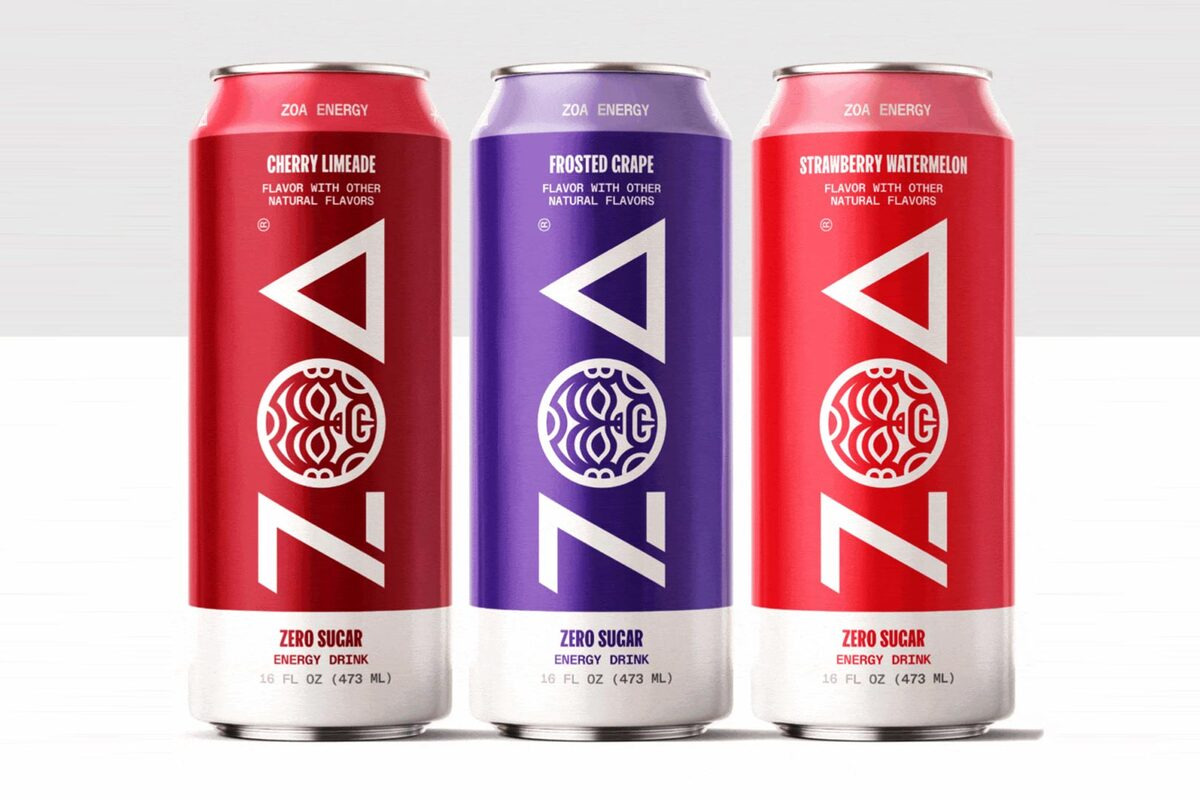
Nutrition (Per can):
Calories: 10
Fat: 0 g (Saturated Fat: 0 g)
Sodium: 110 mg
Carbs: 2 g (Fiber: 0 g, Sugar: 0 g)
Protein: 0 g
Caffeine: 160 mg
This is a fantastic substitute for more popular brands because it doesn't include any artificial flavors or colors, and let’s not forget the fact that it has more caffeine than a cup of coffee! Vitamins B6, B12, and C are among the many vitamins and minerals that are included in this energy drink. Check out their wide variety of flavors here.
2. GORGIE
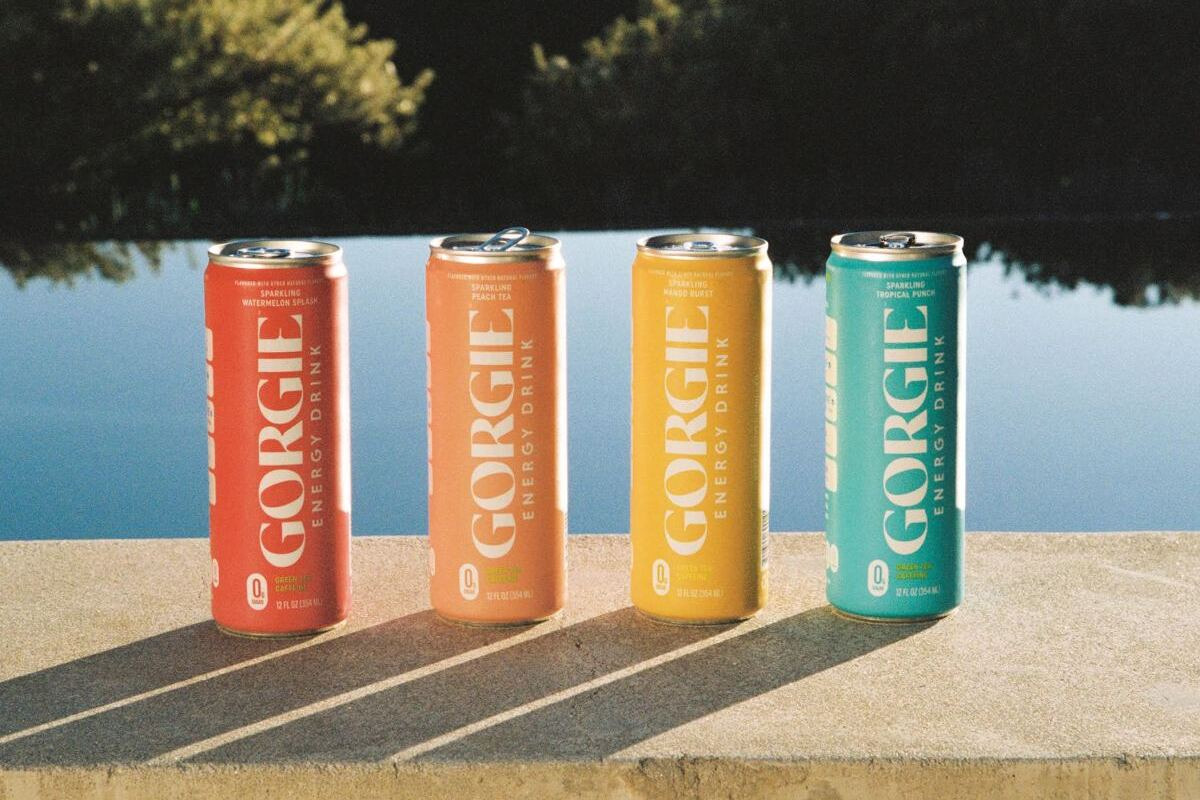
Nutrition (Per can):
Calories: 5
Fat: 0 g (Saturated Fat: 0 g)
Sodium: 0 mg
Carbs: 1 g (Fiber: 0 g, Sugar: 0 g)
Protein: 0 g
Caffeine: 150 mg
GORGIE is free of artificial preservatives, sweeteners, colors, and tastes, and it is vegan and gluten-free. It contains stevia, natural tastes, antioxidant-rich green tea caffeine, and color from fruits and vegetables. Each can has zero grams of sugar, along with vitamins B6 and B12, biotin, and L-theanine.
3. Celsius
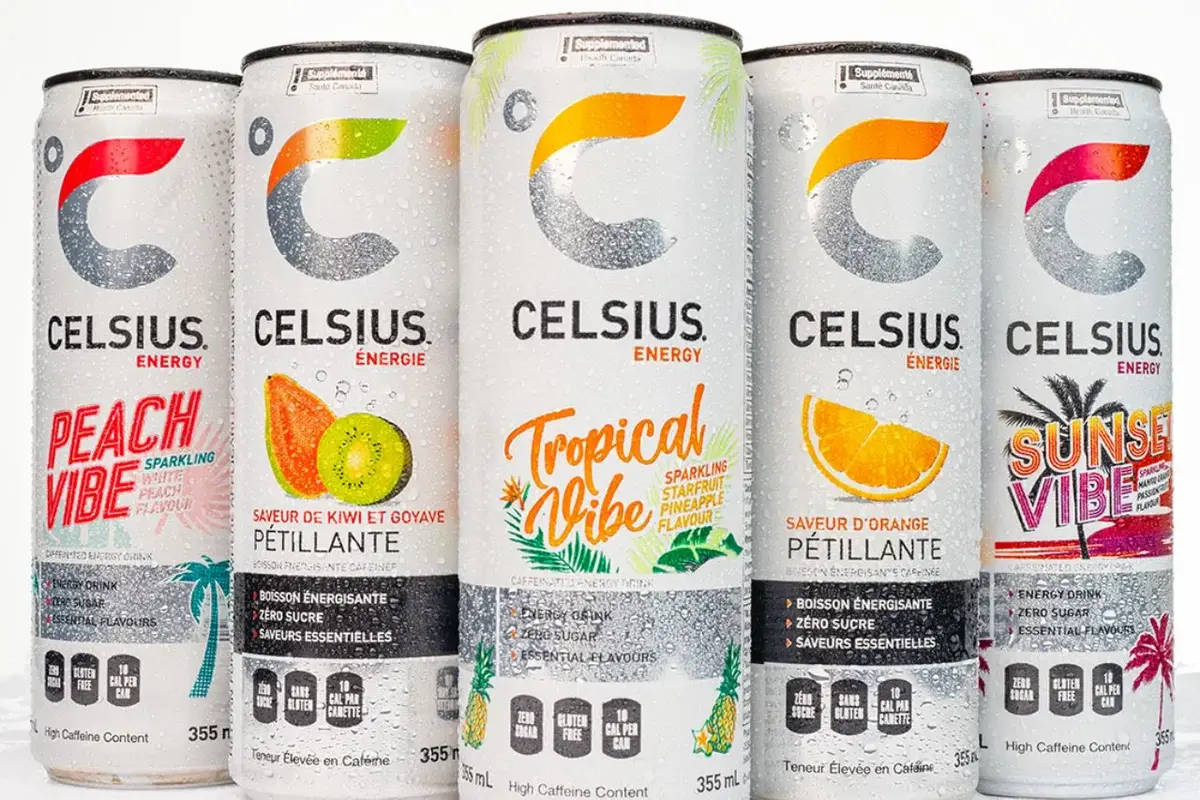
Nutrition (Per can):
Calories: 10
Fat: 0 g (Saturated Fat: 0 g)
Sodium: 5 mg
Carbs: 0 g (Fiber: 0 g, Sugar: 0 g)
Protein: 0 g
Caffeine: 200-270 mg
If you've spent any time in the energy drink aisle lately, you’ve probably noticed Celsius taking over the shelves—and for good reason. Marketed as a “fitness energy drink,” Celsius delivers a noticeable boost without the syrupy heaviness or artificial aftertaste common in traditional energy drinks. Each can clocks in at just 10 calories with zero sugar, relying instead on natural sweeteners and a blend of vitamins, green tea extract, ginger root, and guarana to promote sustained energy.
With about 200 mg of caffeine per can, it definitely packs a punch, but its cleaner ingredient list makes it a far better option than many sugary, additive-loaded competitors. Just be mindful of that higher caffeine content if you’re sensitive. Whether you're heading into a workout or powering through a long day, Celsius offers a more intentional, cleaner way to energize than many other options on the market.
Coffee

Coffee has become an integral part of society, deeply engrained within numerous cultures, it feels as though you could go to the farthest reaches of the earth and have a Starbucks venti cold-foam latte waiting for you there. Similar to energy drinks, there are numerous benefits that come with ingesting its key energizing chemical, caffeine, however, there can also be many unwanted side effects.
Coffee, especially with the monopolization of it in recent decades, seems to have taken a backseat to the ever-so-sweet sugars and syrups that we place in it without a second thought. These are the primary culprits in the discussion of how coffee is an unhealthy beverage. If you’re looking for a healthy alternative to this, check out.
Dr. Emil’s Mushroom Coffee
This product is designed to kickstart your day with the transformative power of three potent mushroom extracts – Lions Mane, Chaga, and Cordyceps. These revered ingredients are natural adaptogens known for their ability to bolster mental clarity, elevate focus, and support cognitive function. Dr. Emil's Mushroom Coffee goes beyond ordinary brews by introducing a carefully selected blend of adaptogenic herbs. Ashwagandha, Astragalus Root Powder, and Panax Ginseng Extract join forces to provide sustained, balanced energy. As these natural wonders adapt to your body's unique needs, you'll experience heightened resilience against stress and an enhanced sense of well-being.
Green Tea: Nature’s Original Energy Drink
If coffee hits too hard or energy drinks make you crash, green tea offers a smoother lift. Its combination of caffeine and L-theanine provides calm, focused energy without the jitters. Loaded with antioxidants like catechins, green tea supports brain health, reduces inflammation, and may even boost metabolism. Try matcha, a powdered version with higher antioxidant levels, for an even stronger benefit. Whether hot, iced, or sparkling, green tea is a clean, refreshing way to stay energized naturally.
Kombucha
For soda lovers who want to skip the sugar, kombucha delivers the fizz without the guilt. Made from fermented tea, it’s rich in probiotics that support digestion and gut health. Its tangy, lightly sweet flavor makes it both satisfying and good for you. Though it contains small amounts of caffeine and sugar, it’s far less than most traditional beverages. Brands like GT’s Synergy, Health-Ade, and Humm offer plenty of flavors—from ginger to berry—that make healthy hydration easy and enjoyable.
Juice
We all know and love a good, cold, cup of juice from time to time. Anyone who says they don’t is simply lying. From the classic orange or apple juice to lesser known options such as pomegranate juice or guava juice. There are so many choices to be had when it comes to selecting a juice which is why this beverage can be particularly challenging when it comes to finding one that is “good for you.”
What many juices do wrong is market themselves as “all natural” or “100% fruit” while quietly loading up on added sugars, concentrates, and preservatives. These hidden ingredients can spike your blood sugar levels, dull your energy, and turn what should be considered a nourishing drink into little more than liquid candy. Even those labeled as organic can sometimes pack more calories than a soda if you’re not paying attention to serving sizes and ingredients.
Healthy alternative
It’s crucial to become a label detective when it comes to juice. Keep an eye out for juices that state they are pasteurized. This means that essential nutrients have been stripped out of the juice. Instead, look for options that are cold-pressed with no added sugars or artificial ingredients, and ideally made from whole fruits and vegetables rather than concentrates. A good rule of thumb? If the ingredient list reads like something from a science experiment, it’s probably best left on the shelf. Better yet, try making your own juice or smoothies at home, where you can control exactly what goes in, and skip the unnecessary fillers altogether.
The last drop
What we drink can either fuel our health or quietly sabotage it. With so many beverages loaded with sugars, dyes, and artificial ingredients, it’s easy to be misled by clever marketing. The key is staying mindful and knowing what’s really in your cup. Healthier options such as OLIPOP, GORGIE, or Dr. Emil’s Mushroom Coffee proves that you don’t have to sacrifice taste to make smarter choices. So the next time you reach for a drink, pause, read the label, and choose something that energizes your body instead of draining it…your future self will thank you.