


The luteal phase, the often-overlooked second half of your menstrual cycle, can feel like an uphill battle against fatigue, brain fog, and depleted energy. As progesterone rises and estrogen fluctuates during the approximately 12-14 days between ovulation and menstruation, many women experience a noticeable energy dip that affects their work performance, workout routines, and overall quality of life. Understanding the hormonal shifts of the luteal phase and implementing targeted nutritional, lifestyle, and supplementation strategies can transform this challenging time into a period of sustained vitality. In this guide we’ll explore the science behind luteal phase fatigue and offer practical, evidence-based approaches to help maintain your energy levels throughout your entire cycle.
Understanding the Luteal Phase and Energy Fluctuations
What Happens During the Luteal Phase?
The luteal phase begins immediately after ovulation, when the ruptured follicle transforms into the corpus luteum, a temporary endocrine structure that produces progesterone. This hormone prepares the uterine lining for potential pregnancy while also influencing nearly every system in your body. Progesterone levels rise steadily during the first week post-ovulation, peaking around day 21 of a typical 28-day cycle before dropping sharply if pregnancy doesn't occur.
Simultaneously, estrogen follows a rollercoaster pattern. After its mid-cycle surge that triggers ovulation, estrogen initially declines, then rises moderately before falling again as menstruation approaches. These hormonal fluctuations profoundly impact neurotransmitter production, metabolic rate, blood sugar regulation, and cellular energy production.
The Hormonal-Energy Connection
Progesterone's sedating effects on the central nervous system explain much of the fatigue women experience during the luteal phase. This hormone enhances the activity of GABA, an inhibitory neurotransmitter that promotes relaxation and can induce drowsiness. The changing estrogen levels also play a crucial role, as estrogen supports mitochondrial function, the powerhouses within cells that produce ATP, our body's primary energy currency.
Your metabolic rate naturally increases, typically by about 5-10%, during the luteal phase. Combined with increased appetite and carbohydrate cravings driven by progesterone, this metabolic shift can create a perfect storm of fatigue and low energy.

Nutritional Strategies to Combat Luteal Phase Fatigue
Optimize Your Macronutrient Balance
During the luteal phase, your body's nutritional needs shift significantly. Increasing your intake of complex carbohydrates helps stabilize blood sugar levels and supports serotonin production, which can improve mood and energy. Focus on whole grains, sweet potatoes, quinoa, and legumes rather than refined carbohydrates that cause blood sugar crashes.
Protein intake becomes especially crucial during this phase. Adequate protein supports stable blood sugar levels, reduces cravings, and provides the amino acids necessary for neurotransmitter production. Aim for 25-30 grams of protein per meal, distributed evenly throughout the day. Quality sources include lean meats, fish, eggs, Greek yogurt, legumes, and plant-based protein powders.
Healthy fats deserve special attention during the luteal phase. Progesterone production requires cholesterol, making dietary fats essential for hormonal balance. Omega-3 fatty acids found in fatty fish, walnuts, and flaxseeds also combat inflammation and support brain function.
Micronutrients That Matter
Key micronutrients play roles in energy production and hormonal balance during the luteal phase:
- B Vitamins: These essential cofactors support cellular energy production and neurotransmitter synthesis. B6 specifically helps convert tryptophan to serotonin, improving mood and reducing PMS symptoms.
- Magnesium: This mineral supports over 300 enzymatic reactions, including energy metabolism and neurotransmitter function. Include dark leafy greens, nuts, seeds, whole grains, and dark chocolate.

- Iron: Women with heavy menstrual bleeding may experience iron depletion, contributing to fatigue. Pair iron-rich foods like red meat, poultry, fish, and legumes with vitamin C sources to enhance absorption.
- Vitamin D: This hormone-like vitamin influences mood, energy, and immune function. Consider supplementation if blood levels are suboptimal, particularly during winter months.
Blood Sugar Balance Is Key
Maintaining stable blood sugar throughout the day prevents energy crashes and reduces cravings. Eat regular meals every 3-4 hours, always combining protein, healthy fats, and complex carbohydrates. This combination slows glucose absorption and provides sustained energy.
Minimize refined sugars and processed carbohydrates that cause rapid blood sugar spikes followed by crashes. When sweet cravings strike, opt for fresh fruit paired with nut butter or Greek yogurt to satisfy your taste buds while supporting stable energy.
Lifestyle Modifications for Sustained Energy
Adjust Your Exercise Approach
The luteal phase calls for a different exercise strategy than the high-intensity workouts that may feel energizing during the follicular phase. Focus on moderate-intensity activities like brisk walking, cycling, swimming, or yoga. These activities support circulation, mood, and energy without overtaxing your system. Strength training remains beneficial but consider reducing volume or intensity slightly.
Movement timing also matters. Many women find morning exercise helps jumpstart energy for the day, while others prefer gentle evening movement to reduce stress and improve sleep quality.

Prioritize Sleep Quality
Quality sleep becomes non-negotiable during the luteal phase. Establish a consistent sleep schedule, going to bed and waking at the same time daily. Create an optimal sleep environment by keeping your bedroom cool, dark, and quiet. The temperature matters especially during the luteal phase, as progesterone raises basal body temperature.
Implement a wind-down routine beginning 60-90 minutes before bedtime. Reduce screen exposure, as blue light suppresses melatonin production. Avoid caffeine after early afternoon and limit alcohol consumption, as both substances disrupt sleep quality.
Stress Management Techniques
Chronic stress depletes energy reserves and exacerbates luteal phase symptoms through cortisol's effects on hormonal balance, blood sugar regulation, and neurotransmitter production. Meditation and mindfulness practices have been shown to reduce cortisol levels, improve mood, and enhance energy. Even 10-15 minutes daily can provide significant benefits.
Deep breathing exercises activate the parasympathetic nervous system, promoting relaxation.
Targeted Supplementation for Luteal Phase Energy
Adaptogens and Hormonal Balance
Adaptogenic herbs help your body adapt to stress while supporting hormonal balance and energy production. Ashwagandha stands out for its ability to reduce cortisol levels, improve stress resilience, and support thyroid function. Research shows ashwagandha supplementation can significantly reduce fatigue and improve energy levels in stressed individuals.
Rhodiola rosea offers another excellent option for combating fatigue and enhancing mental performance. This adaptogen supports cellular energy production, reduces mental fatigue, and improves stress resilience without the jittery effects of caffeine.
The Power of Medicinal Mushrooms
Medicinal mushrooms are a fascinating category of natural compounds that support energy, cognitive function, and hormonal balance through multiple mechanisms. These functional fungi contain unique bioactive compounds including beta-glucans, polysaccharides, and triterpenoids that influence cellular energy production, neurotransmitter function, and stress response systems.

Cordyceps
Cordyceps mushrooms enhance cellular oxygen utilization and ATP production, directly supporting energy at the mitochondrial level. Research demonstrates that cordyceps supplementation improves exercise capacity, reduces fatigue, and supports healthy insulin sensitivity, all crucial factors during the luteal phase when metabolic efficiency naturally declines.
Lion's Mane
Lion's Mane mushroom offers unique benefits through its effects on cognitive function and the gut-brain axis. This mushroom promotes nerve growth factor production, supporting brain health, mental clarity, and focus. The cognitive support becomes particularly valuable during the luteal phase when many women experience brain fog and reduced mental sharpness.
Reishi
Reishi mushroom provides valuable support for stress management and sleep quality. Its triterpenoid and polysaccharide content interacts with neurotransmitter systems involved in stress and mood regulation. By promoting calm and supporting better sleep architecture, reishi addresses two fundamental factors that significantly impact luteal phase energy levels.
Dr. Emil's Solutions for Luteal Phase Energy Support
Elite Lion's Mane Mushroom Plus
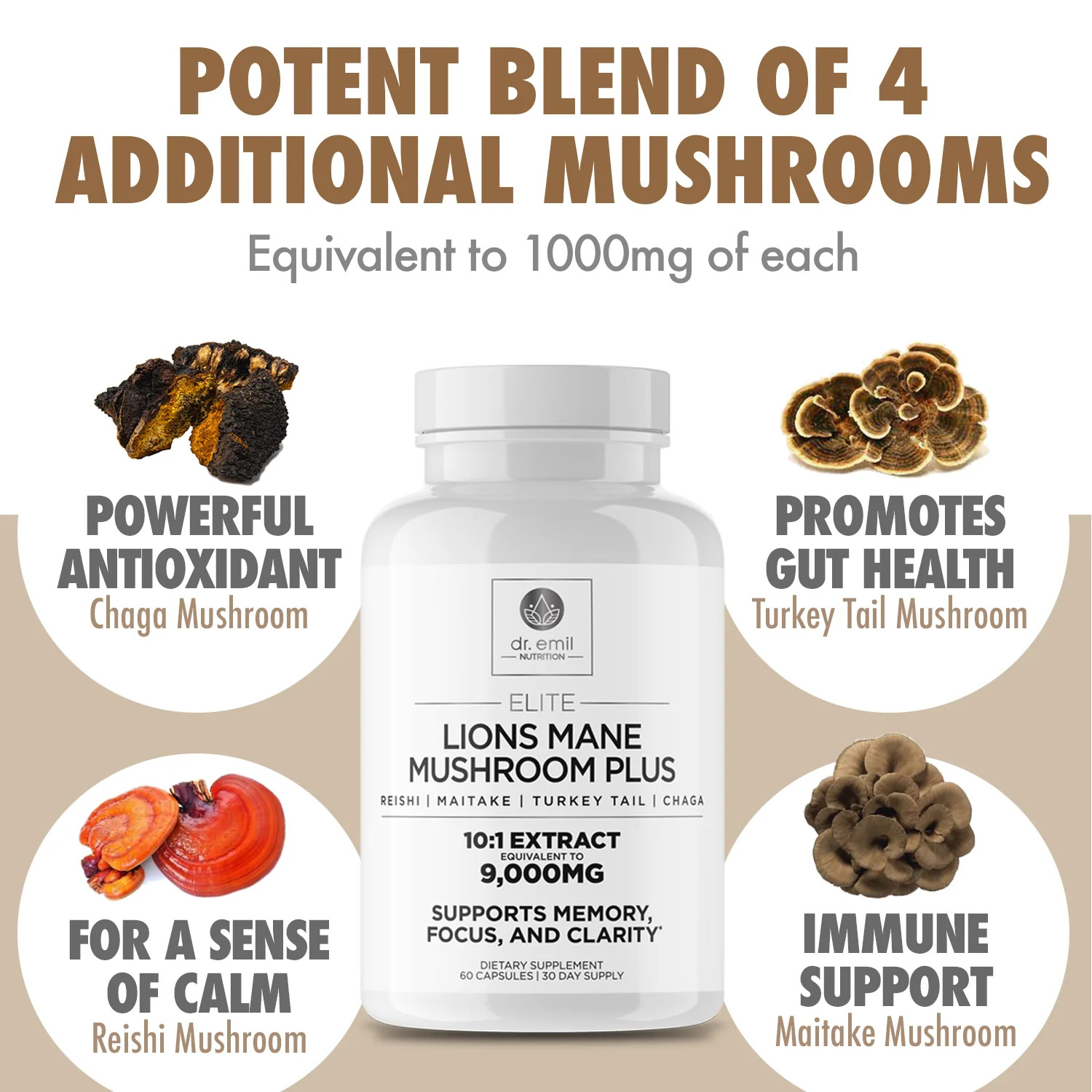
Dr. Emil's Elite Lion's Mane Mushroom Plus delivers 900mg of highly concentrated Lion's Mane Extract in a 10:1 ratio, equivalent to 9,000mg per serving. The formula includes four additional potent mushrooms at 100mg each with 10:1 extract ratios. Chaga provides antioxidant support to protect against oxidative stress that worsens fatigue. Maitake supports healthy blood sugar regulation for stable energy throughout the day. Reishi addresses stress and promotes better sleep quality, while Turkey Tail supports immune function and gut health.
This synergistic combination tackles multiple factors influencing luteal phase energy. Lion's Mane combats brain fog and maintains mental clarity when hormonal fluctuations impair focus, while Reishi's stress-reducing properties work with Maitake's blood sugar support to create more stable, sustained energy levels.
Mushroom Coffee
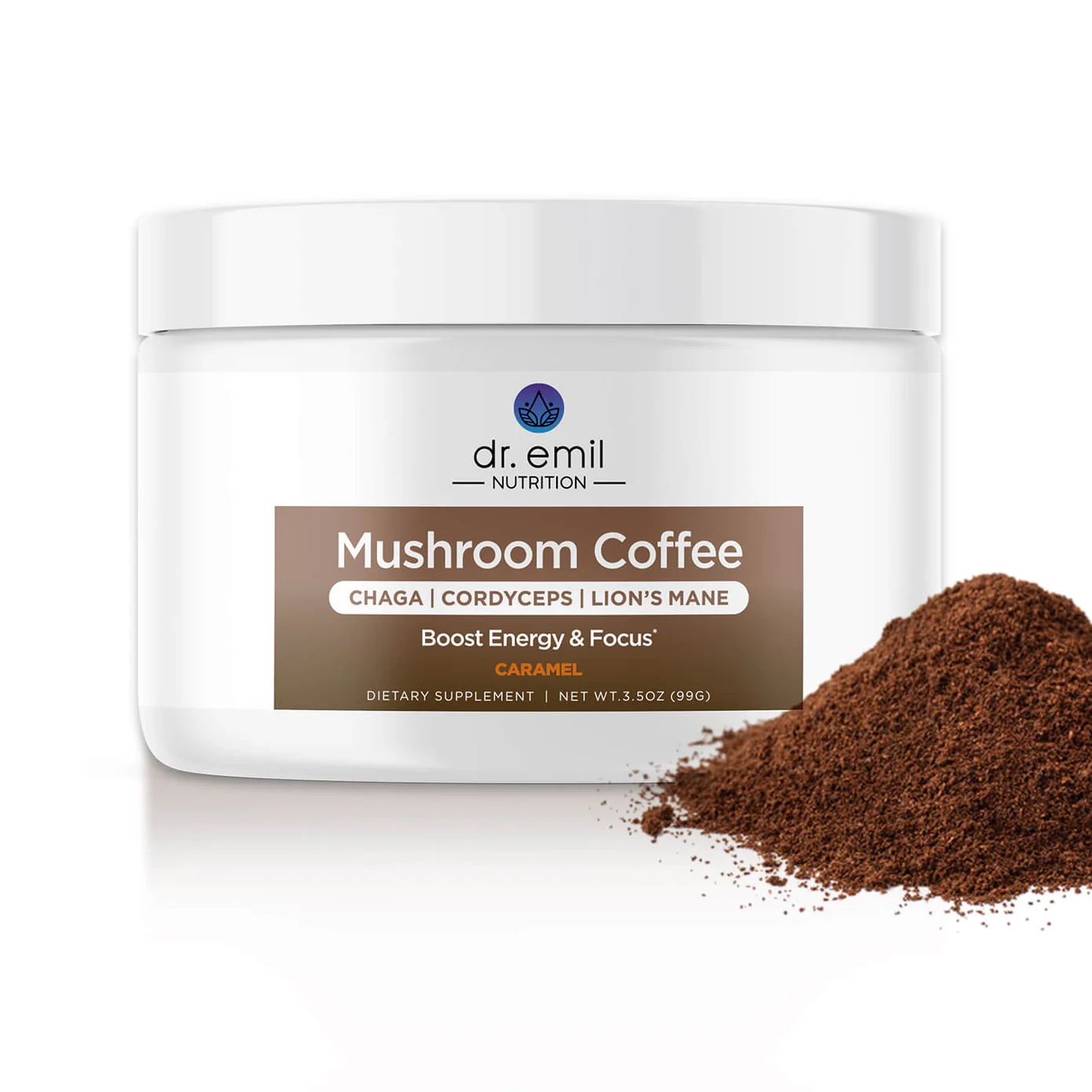
Dr. Emil's Mushroom Coffee combines Mexican Spray Dried Coffee with medicinal mushroom extracts and adaptogens for enhanced energy and focus. The formula features Lion's Mane for cognitive support, Chaga for antioxidant protection, and Cordyceps for enhanced physical performance. Ashwagandha helps regulate cortisol and supports stress resilience during the luteal phase when stress sensitivity increases. Astragalus Root combats fatigue while Panax Ginseng maintains mental performance. With 60mg of naturally occurring caffeine per serving, it provides gentle energy without excessive stimulation. The luxurious caramel flavor, sweetened with Stevia, offers zero calories or carbs. The instant format ensures convenience for preparing a revitalizing cup anywhere. Replacing regular coffee with Mushroom Coffee provides more stable energy while supporting hormonal balance and stress resilience.
Additional Supportive Strategies
Hydration Optimization
Proper hydration profoundly impacts energy levels, yet many women don't drink enough water, especially during the luteal phase. Dehydration impairs cognitive function, reduces physical performance, and exacerbates fatigue. Aim for at least half your body weight in ounces of water daily, increasing intake if you exercise vigorously or consume caffeine.
Consider adding electrolytes to your water, particularly if you exercise regularly. Proper electrolyte balance supports cellular hydration and energy production. Natural options include coconut water or electrolyte powders without added sugars.
Limit Energy Vampires
Certain substances and habits drain energy, particularly during the vulnerable luteal phase. If you enjoy caffeine, limit intake to early in the day and consider reducing your usual amount during the luteal phase. Alcohol deserves special attention, as it disrupts sleep architecture, impairs blood sugar regulation, and taxes the liver when it should be supporting hormone metabolism.
Excessive screen time, particularly before bed, suppresses melatonin production and overstimulates the nervous system. Set boundaries around technology use, especially during the luteal phase when your body needs extra support for quality rest and recovery.
Tracking and Personalizing Your Approach
Every woman's experience of the luteal phase differs based on genetics, lifestyle, stress levels, and overall health status. Use a cycle tracking app or journal to record your energy levels, sleep quality, mood, food intake, exercise, and any supplements you take. After a couple of months, patterns will emerge that show which interventions make the biggest difference.
Pay attention to your body's signals rather than rigidly following any protocol. Honor your individual needs and adjust strategies accordingly. Consider working with a healthcare provider or nutritionist who specializes in hormonal health if luteal phase fatigue significantly impacts your quality of life.

Embracing Your Cyclical Nature
Understanding and working with your body's natural rhythms transforms the luteal phase from a dreaded period of low energy into an opportunity for different types of productivity and self-care. The strategies outlined in this guide address the root causes of luteal phase fatigue rather than simply masking symptoms with stimulants.
By supporting hormonal balance, optimizing cellular energy production, managing stress, and providing your body with the nutrients and compounds it needs during this phase, you can maintain consistent vitality throughout your entire cycle. Start with one or two strategies that resonate most strongly with you, then gradually incorporate others as they become habitual. The combination of proper nutrition, strategic supplementation with functional mushrooms and adaptogens, appropriate exercise, quality sleep, and stress management creates a comprehensive approach that supports sustainable energy and overall wellbeing during the luteal phase and beyond.


