
The conclusion of this article is straightforward: both turkey tail and chaga offer unique wellness benefits, but the better choice depends on what you are looking to support. Turkey tail is best known for immune-focused benefits, while chaga stands out for its antioxidant and cellular health properties.
Functional mushrooms have become increasingly popular as more people explore natural ways to support overall wellness, healthy aging, and daily resilience. Among the many mushroom varieties available, turkey tail and chaga consistently rank among the most researched and widely used options.
Although they are often grouped together as medicinal mushrooms, turkey tail and chaga are not identical. Each contains different bioactive compounds that influence how they interact with the body.
This article will explore “Turkey Tail vs. chaga” by examining the unique characteristics of each mushroom and explaining how their benefits compare.
We will break down turkey tail’s relationship with immune health, beta-glucans, and gut wellness, while also exploring chaga’s antioxidant content and role in supporting cellular protection. Additionally, we will discuss dosage considerations, whether these mushrooms can be combined, and how to choose the right option based on your personal wellness goals.
By understanding how turkey tail and chaga differ, you can make a more informed decision about which mushroom may best fit your supplement routine.
Rather than searching for the “best” mushroom overall, the goal is to identify the mushroom that best aligns with your body’s needs, lifestyle, and long-term health priorities.
In this article, we’ll break down:
- Turkey Tail Vs. Chaga: Understanding The Differences Between Two Powerful Medicinal Mushrooms
- Turkey Tail Mushroom Benefits: How It Supports Immune Health And Overall Wellness
- Chaga Mushroom Benefits: Exploring Its Antioxidant And Cellular Support Properties
- Turkey Tail Vs. Chaga For Immunity: Comparing Their Unique Health Benefits
- Turkey Tail And Chaga Dosage: How Much Should You Take For Optimal Support?
- Can You Take Turkey Tail And Chaga Together? Exploring A Combined Mushroom Approach
- Choosing Between Turkey Tail And Chaga: Finding The Right Mushroom For Your Health Goals

Frequently Asked Questions About Turkey Tail Vs. Chaga
Understanding The Differences Between Two Popular Functional Mushrooms
Functional mushrooms have become increasingly popular among people looking for natural ways to support overall wellness. Two of the most talked-about varieties are turkey tail and chaga, but many people are unsure how they compare. Understanding Turkey Tail vs. chaga starts with recognizing that while both mushrooms offer unique compounds, they support the body in different ways.
Turkey tail (Trametes versicolor) is best known for its immune-supporting compounds, particularly polysaccharides such as beta-glucans and PSK. Chaga (Inonotus obliquus) is often recognized for its high antioxidant content and potential role in supporting cellular health.
Below are some of the most common questions about these two popular medicinal mushrooms.
Q: What Is The Main Difference Between Turkey Tail And Chaga?
A: Turkey tail is primarily studied for its immune-modulating properties, while chaga is widely recognized for antioxidant activity and cellular support. Both contain beneficial compounds, but they work through different biological pathways.
Q: Does Turkey Tail Support Immune Health?
A: Yes. Turkey tail contains beta-glucans and other polysaccharides that have been researched for their ability to support immune system activity and healthy immune responses.
Q: What Makes Chaga Mushrooms Unique?
A: Chaga is known for containing antioxidants, including compounds such as polyphenols and melanin. These compounds may help support the body’s natural defenses against oxidative stress.
Q: Which Is Better: Turkey Tail Or Chaga?
A: Neither mushroom is universally better. The right choice depends on personal wellness goals. Those focused on immune support may prefer turkey tail, while individuals interested in antioxidant and cellular support may gravitate toward chaga.
Q: Can You Take Turkey Tail And Chaga Together?
A: Many people combine functional mushrooms because different varieties contain different beneficial compounds. Using both may provide broader nutritional support, although individual needs vary.
Q: Are Turkey Tail And Chaga Safe To Take Daily?
A: Many adults tolerate these mushrooms well when used as directed. However, individuals with certain health conditions, autoimmune concerns, or those taking medications should consult a healthcare professional before starting supplementation.
Q: How Long Does It Take To Notice Benefits From Functional Mushrooms?
A: Functional mushrooms are generally considered long-term wellness supplements. Some people notice changes within weeks, while others may require consistent use over several months.
Understanding the differences between turkey tail and chaga can help individuals choose a mushroom supplement that aligns with their health priorities.
Turkey Tail Mushroom Benefits: Supporting Immune Function And Whole-Body Wellness
Exploring How This Unique Mushroom Supports The Body’s Natural Defenses
When comparing Turkey Tail vs. chaga, turkey tail stands out because of its long history of research focused on immune health. Named for its colorful, fan-shaped appearance that resembles a turkey’s tail, this functional mushroom contains naturally occurring compounds that have attracted significant scientific interest.
One of the most studied components of turkey tail is its polysaccharide content, especially beta-glucans. These compounds interact with immune cells and may help support balanced immune system activity. Rather than simply “boosting” immunity, turkey tail is often described as an immune-modulating mushroom because it helps support appropriate immune responses.
Turkey tail contains many compounds that contribute to its potential benefits, including:
- Beta-glucans that support immune signaling
- Polysaccharide peptides studied for immune function
- Antioxidants that help protect cells from oxidative stress
Research involving turkey tail has explored its relationship with immune markers, gut health, and overall wellness. The mushroom’s prebiotic properties may also support a healthy gut microbiome, which plays an important role in immune regulation.
A healthy immune system requires balance. Excessive immune activity can be just as problematic as insufficient activity, which is why compounds that support immune regulation have become a focus of modern nutritional research.
Turkey tail may be especially appealing for individuals looking to support everyday wellness, maintain resilience during stressful periods, or complement a healthy lifestyle with targeted nutritional support.
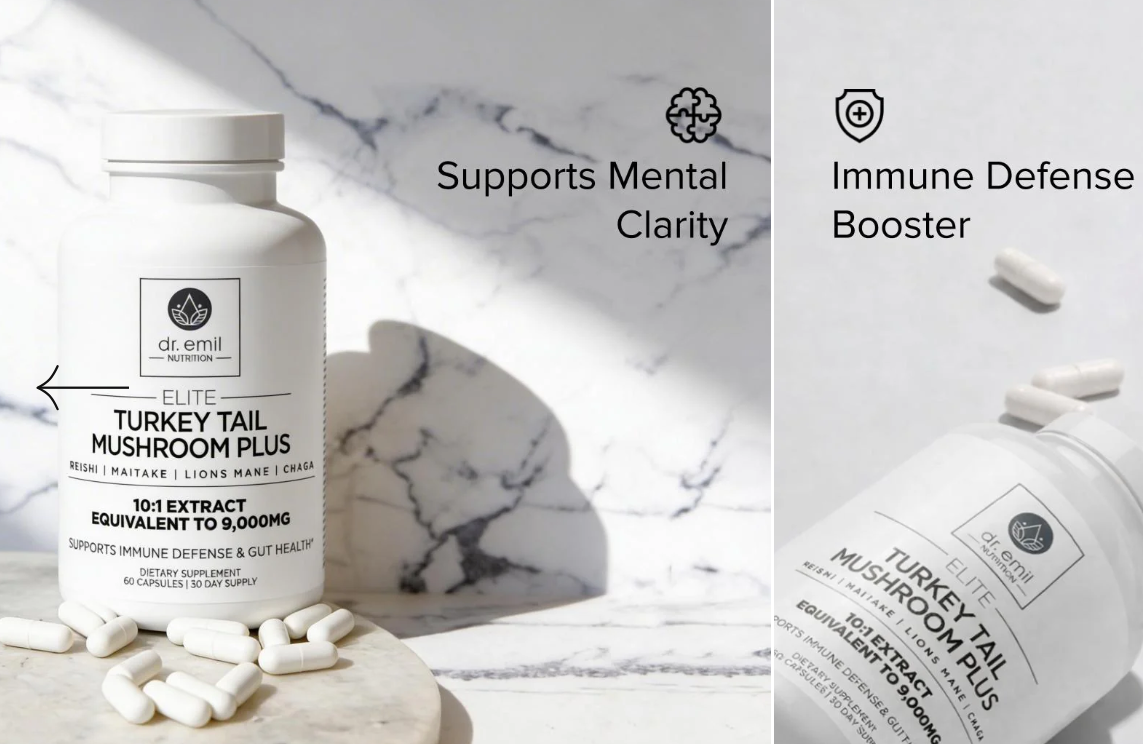
If you are looking for a great source of turkey tail to incorporate into your self care routine then be sure to check out Dr. Emil’s Elite Turkey Tail Mushroom Plus!
However, supplements work best when combined with foundational habits such as quality sleep, regular exercise, stress management, and a nutrient-dense diet.
For those exploring Turkey Tail vs. chaga, turkey tail may be the preferred option for individuals who want a mushroom specifically associated with immune system support and gut-immune wellness.

Chaga Mushroom Benefits: The Antioxidant Power Of The “King Of Mushrooms”
Examining How Chaga Supports Cellular Health And Healthy Aging
In the discussion of Turkey Tail vs. chaga, chaga offers a unique profile because it is particularly recognized for its antioxidant properties. Often called the “King of Mushrooms,” chaga has been traditionally used in wellness practices for centuries and has gained modern attention for its potential role in supporting cellular health.
Chaga contains several bioactive compounds, including polyphenols, triterpenes, and melanin. These compounds contribute to chaga’s antioxidant capacity, which may help the body manage oxidative stress.
Oxidative stress occurs when there is an imbalance between free radicals and the body’s ability to neutralize them. Over time, oxidative stress can influence cellular aging and overall wellness. Supporting antioxidant defenses is therefore an important part of maintaining healthy aging.
Potential areas of interest for chaga include:
- Supporting antioxidant defenses
- Promoting cellular protection
- Supporting healthy inflammation responses
- Complementing overall wellness routines
One of the reasons chaga has become popular among longevity-focused individuals is its relationship with cellular resilience. Healthy aging depends on maintaining efficient cellular processes, and antioxidants play a role in protecting cells from environmental stressors.
While chaga is not a replacement for medical treatments or a guarantee against disease, it may provide nutritional support as part of a broader healthy lifestyle approach.
Compared with turkey tail, chaga is generally chosen more often for antioxidant and cellular health goals rather than specifically focusing on immune pathways.
When considering Turkey Tail vs. chaga, chaga may be a better fit for individuals interested in supporting healthy aging, oxidative balance, and overall cellular wellness.
Turkey Tail Vs. Chaga For Immune Support: Which Mushroom Is Right For You?
Comparing Their Unique Compounds, Benefits, And Potential Wellness Applications
The comparison of Turkey Tail vs. chaga often comes down to understanding the different strengths of each mushroom. While both are considered functional mushrooms, they contain different compounds that influence how they support overall wellness.
Turkey tail has become one of the most researched mushrooms for immune health. Its beta-glucans and polysaccharides have been studied for their interaction with immune cells and their ability to support balanced immune function.
Chaga, while also containing beneficial compounds, is more commonly associated with antioxidant support. Its polyphenols and other bioactive compounds may help support cellular defenses against oxidative stress.
A simple comparison:
- Turkey Tail: Primarily associated with immune modulation and gut-immune support
- Chaga: Primarily associated with antioxidant activity and cellular wellness
The best choice depends on what someone hopes to achieve. Individuals focused on immune resilience may lean toward turkey tail, while those interested in healthy aging and antioxidant support may prefer chaga.
It is also important to remember that functional mushrooms do not work like pharmaceutical medications. Their effects are typically subtle and cumulative, supporting the body’s natural processes rather than creating immediate changes.
Lifestyle factors remain essential. Adequate nutrition, physical activity, stress management, and proper sleep all influence immune function and cellular health.
For many people, the decision does not have to be either-or. Some choose to incorporate multiple mushroom varieties to benefit from their different nutritional profiles.
Understanding the differences between these mushrooms allows individuals to create a more personalized approach to wellness.

Turkey Tail And Chaga Dosage: Understanding How To Use These Mushrooms Effectively
Finding A Balanced Approach For Long-Term Functional Mushroom Support
One of the most common questions surrounding Turkey Tail vs. chaga is how much of each mushroom should be taken. While there is no universal dosage that works for everyone, understanding common approaches can help individuals make informed decisions.
Functional mushroom supplements are available in several forms, including powders, capsules, extracts, and blends. Extracts are often preferred because they concentrate beneficial compounds and may improve bioavailability compared with raw mushroom powders.
Dosage considerations may depend on:
- The concentration of the extract
- The specific mushroom species
- Individual wellness goals
- Overall health status
Many mushroom supplements provide recommended serving sizes based on the extraction method and compound concentration. Following product-specific guidance is generally the best approach.
Consistency is also important. Functional mushrooms are typically used as part of a long-term wellness routine rather than as a short-term solution.
Individuals may choose turkey tail supplementation when focusing on immune support, while chaga may be selected for antioxidant and cellular health goals.
As with any supplement, quality matters. Choosing products with transparent ingredient labels, proper identification of mushroom species, and third-party testing can help ensure a reliable product.
While functional mushrooms are generally well tolerated by many adults, anyone with specific health concerns or taking medications should speak with a healthcare provider before adding new supplements.
Combining Turkey Tail And Chaga: Can These Mushrooms Work Together?
Exploring How Multiple Functional Mushrooms May Complement Each Other
Instead of choosing between Turkey Tail vs. chaga, many wellness enthusiasts explore whether combining these mushrooms may provide broader support.
Because turkey tail and chaga contain different compounds, they may complement each other. Turkey tail is commonly associated with immune system balance, while chaga provides antioxidant-focused support.
A combined approach may appeal to individuals interested in:
- Immune wellness
- Cellular protection
- Healthy aging support
- Overall resilience
Functional mushroom blends have become increasingly popular because different mushrooms often contain unique polysaccharides, antioxidants, and bioactive compounds.
However, more ingredients do not automatically mean better results. The quality of the mushrooms, extraction methods, and consistency of use are important factors.
A thoughtful approach involves selecting supplements that match personal wellness goals rather than simply combining as many ingredients as possible.
For some individuals, turkey tail may be enough to support their immune-focused goals. For others, adding chaga may provide additional antioxidant support.
Ultimately, combining mushrooms should be viewed as one part of a larger wellness strategy that includes healthy lifestyle habits.

Choosing Between Turkey Tail And Chaga: Creating Your Personalized Mushroom Strategy
How To Select The Right Mushroom Based On Your Individual Wellness Goals
The discussion around Turkey Tail vs. chaga highlights an important point: functional mushrooms are not one-size-fits-all supplements. Each mushroom has a unique nutritional profile, and choosing the right option depends on individual health priorities.
Turkey tail may be the better choice for individuals specifically interested in immune system support, while chaga may appeal more to those focused on antioxidants and healthy aging.
The most effective supplement strategy begins with identifying personal goals. Are you looking to support immune resilience? Maintain cellular health? Add more nutritional variety to your wellness routine?
Regardless of the mushroom selected, the foundation remains the same:
- Eat a nutrient-dense diet
- Stay physically active
- Prioritize quality sleep
- Manage daily stress
- Use supplements as supportive tools
Functional mushrooms represent an exciting area of nutritional research, and interest continues to grow as more people explore natural approaches to wellness.
By understanding the differences between turkey tail and chaga, individuals can make more educated choices about which mushroom best fits their lifestyle.
Whether used individually or together, these mushrooms may offer valuable support as part of a balanced approach to long-term health and vitality.

Choosing The Right Mushroom For Long-Term Wellness Support
How Turkey Tail And Chaga Can Complement A Healthy Lifestyle Strategy
The comparison of Turkey Tail vs. chaga reveals that both functional mushrooms have valuable roles in supporting overall wellness, but they approach health support in different ways.
Turkey tail is widely recognized for its immune-supporting compounds, particularly beta-glucans and polysaccharides that have been studied for their relationship with immune system balance and gut health. Chaga, on the other hand, is especially valued for its antioxidant properties and potential role in supporting cellular resilience and healthy aging.
For individuals focused on immune support, turkey tail may be the more appealing choice. For those interested in antioxidant protection and cellular wellness, chaga may better align with their goals.
However, the most effective wellness approach is not built around supplements alone. Functional mushrooms work best when combined with foundational health habits, including a nutrient-rich diet, regular physical activity, quality sleep, and effective stress management.
Some individuals may even choose to combine turkey tail and chaga to benefit from the unique compounds found in each mushroom. Because they support different areas of wellness, they can complement one another as part of a broader nutritional strategy.
Ultimately, choosing between turkey tail and chaga comes down to understanding your personal goals. Both mushrooms represent promising areas of research and may provide valuable support when used consistently and responsibly.
By learning the differences between these two popular functional mushrooms, you can create a more personalized approach to supporting your long-term health and vitality.