If you've been wondering, "Collagen and Retinol: Can You Use Them Together?", the good news is that the answer is usually yes. In fact, these two ingredients can complement one another because they work in different ways to support healthier-looking skin.
That said, combining two topical products isn't always the best approach for everyone.
Retinol is one of the most well-researched skincare ingredients available for improving fine lines, uneven skin tone, and overall skin texture. However, it can also cause dryness and irritation, particularly when you're first introducing it into your routine.
Topical collagen, meanwhile, primarily hydrates the skin's surface rather than replacing the collagen naturally found deeper within the skin. For some people, layering multiple topical products can leave sensitive skin feeling overwhelmed.
As you'll learn throughout this article, one of the most effective long-term strategies may be to continue using topical retinol while switching from topical collagen to an oral collagen peptide supplement. This allows retinol to work directly on the skin while supporting the body's natural collagen production from the inside out—without adding another product that may contribute to skin irritation.
We'll also explore how topical collagen and retinol each work, whether they should be applied together, why using one in the morning and the other at night may improve comfort, and practical ways to minimize irritation while maximizing results.
By the end, you'll understand that building an effective anti-aging routine isn't about using as many products as possible. It's about choosing the right combination for your skin and creating a routine you can comfortably maintain for years.
In this article, we’ll break down:
- Collagen And Retinol: Frequently Asked Questions
- How Topical Collagen And Retinol Work On The Skin
- Can You Use Topical Collagen And Retinol Together?
- Should You Apply One In The Morning And One At Night?
- When A Collagen Supplement May Be A Better Alternative
- How To Reduce Irritation While Getting The Benefits Of Retinol
- Building The Ideal Anti-Aging Routine With Collagen And Retinol

Collagen And Retinol: Frequently Asked Questions
Everything You Need To Know Before Combining These Popular Skincare Ingredients
If you've been searching for "Collagen and Retinol: Can You Use Them Together?", these frequently asked questions will help you understand how these two skincare favorites work and whether they belong in the same routine.
Q: Can you use topical collagen and topical retinol together?
A: Yes. Most people can use both products together, although some individuals with sensitive skin may experience irritation depending on the formulation and frequency of use.
Q: Does retinol destroy collagen?
A: No. In fact, retinol is well known for stimulating collagen production within the skin over time, which is one reason it is widely recommended for healthy aging.
Q: Does topical collagen replace the skin's natural collagen?
A: No. Topical collagen primarily hydrates and conditions the skin's surface. It cannot replace the collagen naturally found in the deeper layers of the skin.
Q: Is an oral collagen supplement different from topical collagen?
A: Yes. Oral collagen peptides are digested into amino acids and small peptides that may help support the body's natural collagen production, while topical collagen mainly improves surface hydration.
Q: Should I apply collagen before retinol?
A: Product directions vary, but many dermatologists recommend applying products from thinnest to thickest consistency. However, separating them into different routines may reduce irritation.
Q: Is retinol safe for sensitive skin?
A: Often yes, but beginners should start slowly with lower concentrations and gradually increase usage as tolerated.
Q: What's the best combination?
A: For people who develop irritation from multiple topical products, using a collagen supplement while continuing topical retinol may provide many of the desired skin-supporting benefits without overloading the skin barrier.
How Topical Collagen And Retinol Work On The Skin
Understanding What Each Ingredient Does And Where They Differ
Although they are frequently discussed together, topical collagen and retinol serve very different purposes. Understanding those differences helps explain why they can often complement one another rather than compete.
Retinol is a vitamin A derivative that increases skin cell turnover and encourages fibroblasts to produce new collagen over time. This process can gradually improve the appearance of fine lines, uneven skin tone, and skin texture. Because it accelerates renewal, retinol may also temporarily cause dryness, peeling, redness, or irritation while the skin adjusts.
Topical collagen works differently. The collagen molecules in creams and serums are generally too large to penetrate deeply into the dermis where natural collagen is produced. Instead, they primarily function as moisturizing ingredients that help improve skin hydration and temporarily enhance the appearance of smoothness.
Together, these products target different aspects of skin health:
- Retinol: Supports collagen production, improves texture, and increases cellular turnover.
- Topical collagen: Hydrates the skin's surface and supports the skin barrier by reducing moisture loss.
This distinction is important because many consumers expect topical collagen to rebuild lost collagen directly, which current evidence does not support. Instead, its greatest value lies in moisturizing and protecting the skin while ingredients like retinol stimulate deeper biological changes.
When used appropriately, the two products can complement each other by addressing both skin hydration and long-term healthy aging.
Can You Use Topical Collagen And Retinol Together?
What The Research Says About Combining Both Products In The Same Routine
The answer to "Collagen and Retinol: Can You Use Them Together?" is generally yes. There is no evidence that topical collagen and retinol chemically cancel one another out or become ineffective when used as part of the same skincare routine.
However, whether they should be applied together depends on your skin's sensitivity. Retinol already places temporary stress on the skin barrier while it accelerates cell turnover. Adding multiple active skincare products at the same time may increase discomfort for individuals prone to irritation.
For many people, using a moisturizing collagen cream after retinol can actually improve comfort by helping reduce dryness. Others, however, may find that simplifying their routine allows their skin to adapt more successfully.
The key is listening to your skin rather than following rigid skincare trends. If redness, flaking, or burning develops, reducing application frequency or separating products into different routines may provide the same long-term benefits with fewer side effects.
It's also important to remember that consistency matters more than intensity. Applying retinol regularly over months typically produces better results than applying it aggressively for a short period before discontinuing due to irritation.
Rather than asking whether the products can technically be combined, a better question is whether your skin tolerates the combination comfortably. A routine you can maintain consistently is usually far more effective than one that causes ongoing irritation.
Should You Apply One In The Morning And One At Night?
Separating Your Routine To Help Minimize Irritation And Maximize Results
If your skin becomes irritated when layering multiple products, separating topical collagen and retinol into different times of day is a practical strategy worth considering.
Retinol is generally recommended for evening use because sunlight can reduce its stability and freshly treated skin may become more sensitive to UV exposure. Applying it at night also aligns with the skin's natural overnight repair processes.
Meanwhile, topical collagen-containing creams or moisturizers can fit nicely into a morning skincare routine where their hydrating effects help support the skin barrier throughout the day.
A simple schedule may look like this:
- Morning: Cleanser, topical collagen moisturizer, sunscreen.
- Evening: Cleanser, retinol, moisturizer if needed.
Separating products in this way gives the skin time to recover while still allowing both ingredients to contribute to your overall skincare goals.
Of course, sunscreen deserves special emphasis. Retinol users should apply broad-spectrum sunscreen every morning because increased cell turnover can temporarily make the skin more susceptible to sun damage.
While this morning-evening approach may not be necessary for everyone, it is often one of the easiest adjustments for individuals whose skin struggles with irritation. Sometimes improving tolerance is less about changing ingredients and more about changing timing.

When A Collagen Supplement May Be A Better Alternative
Why Oral Collagen Can Complement Topical Retinol Without Adding Skin Irritation
For individuals with sensitive skin, one of the most effective solutions may not involve another topical product at all. Instead, replacing topical collagen with an oral collagen supplement allows you to continue using retinol while reducing the number of products applied directly to the skin.
Unlike topical collagen, collagen peptides taken orally are digested into amino acids and bioactive peptides that circulate throughout the body. Emerging research suggests these peptides may help support the skin's natural collagen matrix, hydration, and elasticity from within when taken consistently over time.
This approach offers several potential advantages. Because the supplement is taken orally, it does not increase the number of ingredients sitting on the skin's surface or contribute to irritation in individuals with reactive skin.
If you’re looking for an incredible collagen supplement to combine with your retinol routine then be sure to check out our Dr. Emil Multi Collagen Plus!
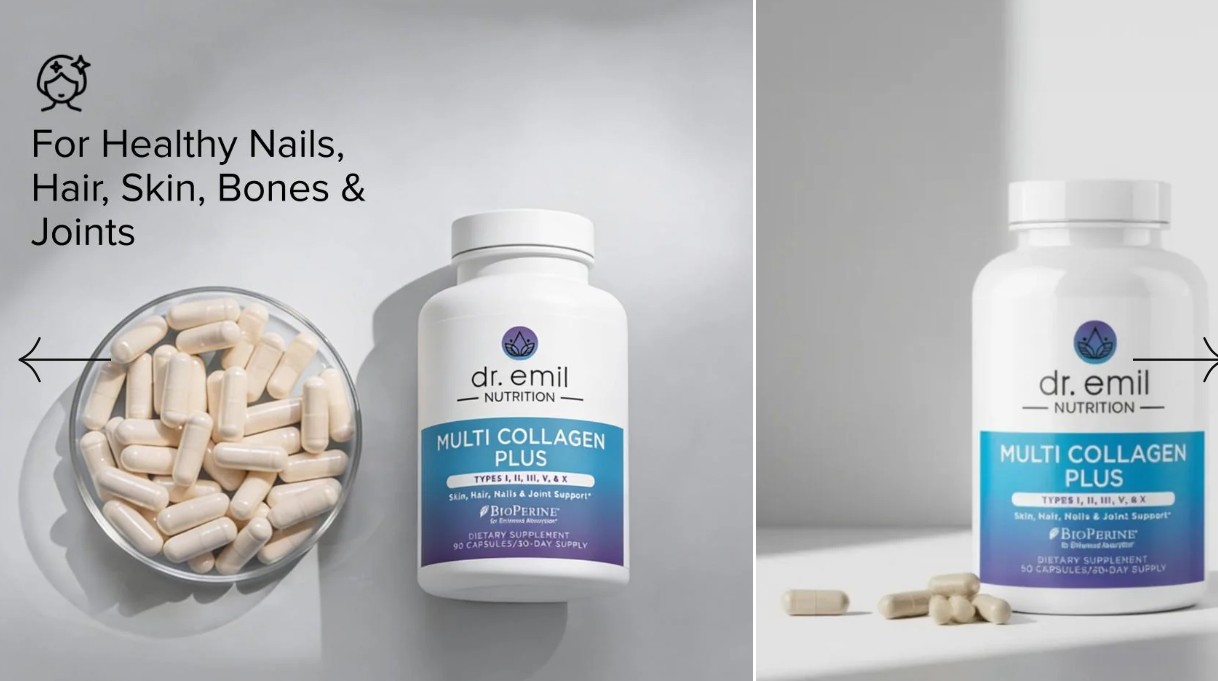
Many people also appreciate that collagen supplements may provide benefits beyond the face, potentially supporting healthy hair, nails, joints, and connective tissues.
While collagen supplements are not a replacement for retinol, they may complement it well by supporting skin health through an entirely different pathway. Retinol encourages the skin to produce new collagen locally, while collagen peptides may provide nutritional building blocks that support the body's ongoing collagen metabolism.
For people who struggle with multiple topical products, this combination often creates a simpler, easier-to-maintain routine without sacrificing overall skin support.
How To Reduce Irritation While Getting The Benefits Of Retinol
Practical Tips For Supporting Healthier Skin While Using Active Ingredients
Retinol remains one of the most extensively studied skincare ingredients available, but irritation remains its most common drawback. Fortunately, several simple adjustments can help many users enjoy its benefits while minimizing discomfort.
The first step is introducing retinol gradually rather than applying it every night immediately. Many dermatologists recommend beginning with two or three evenings per week before increasing frequency as tolerance develops.
Other helpful strategies include:
- Choosing lower-strength retinol formulations initially.
- Applying moisturizer before or after retinol if recommended for your product.
- Avoiding unnecessary layering of multiple irritating active ingredients.
- Wearing sunscreen every morning.
- Remaining consistent rather than increasing strength too quickly.
Hydration also plays an important role. Well-moisturized skin often tolerates retinol better than skin that is already dry or compromised.
Finally, remember that mild dryness or flaking during the first several weeks is relatively common. Severe burning, significant swelling, or persistent irritation should prompt discontinuation and discussion with a qualified healthcare professional or dermatologist.
Healthy aging skincare is a marathon rather than a sprint. Small, sustainable adjustments usually outperform aggressive routines that leave the skin inflamed and difficult to manage.

Building The Ideal Anti-Aging Routine With Collagen And Retinol
Combining Smart Skincare Habits With The Right Collagen Strategy For Long-Term Results
Ultimately, the answer to "Collagen and Retinol: Can You Use Them Together?" depends less on chemistry and more on your skin's individual needs. Many people tolerate both products without difficulty, while others benefit from making thoughtful adjustments that improve comfort without sacrificing results.
For individuals whose skin easily becomes irritated, separating topical collagen and retinol into morning and evening routines can be an excellent first step. If irritation continues, replacing topical collagen with an oral collagen peptide supplement may offer another practical solution while allowing retinol to remain the centerpiece of an anti-aging regimen.
Equally important are the habits that support healthy skin regardless of which products you choose. Daily sunscreen, adequate hydration, balanced nutrition, quality sleep, and avoiding excessive sun exposure all contribute significantly to maintaining healthy collagen throughout life.
No single ingredient can completely prevent the natural aging process, but combining evidence-based skincare with smart lifestyle choices creates a strong foundation for healthier-looking skin.
By understanding the different roles that topical collagen, oral collagen supplements, and retinol each play, you can build a routine that is both scientifically grounded and personalized to your skin's unique needs. In many cases, the most successful skincare routine isn't the one with the most products—it's the one you can comfortably and consistently maintain for years to come.

A Personalized Routine Delivers The Best Results
Supporting Healthy Skin With The Right Balance Of Topical Care And Internal Nutrition
As we've explored throughout this article, topical collagen and retinol are not competitors—they serve different purposes and can often work well together. Retinol helps encourage collagen production and skin renewal, while topical collagen primarily supports hydration and the skin's protective barrier.
For people with resilient skin, using both products in the same routine may work perfectly well. Others may experience less irritation by applying collagen in the morning and retinol at night, giving the skin time to benefit from each ingredient separately.
If your skin remains sensitive despite these adjustments, replacing topical collagen with an oral collagen peptide supplement is another evidence-informed option. This approach allows you to continue benefiting from retinol while supporting healthy collagen from within, without increasing the number of active products on your skin.
No matter which approach you choose, consistency, sunscreen, healthy lifestyle habits, and realistic expectations remain the foundation of successful skincare. Rather than chasing every new trend, focus on building a routine that fits your skin's needs and that you can maintain over the long term.
When your skincare strategy is both personalized and supported by science, you're far more likely to enjoy healthier, smoother, and more resilient skin for years to come.