
If you've ever gone through a particularly stressful period and noticed your skin looking dull, tired, or older than usual, you may have wondered: Does Stress Break Down Collagen? The Cortisol Connection is a question researchers have been exploring for years. While the answer isn't as simple as "yes" or "no," growing evidence suggests that chronic stress can influence the body's ability to maintain healthy collagen by altering hormone levels, increasing inflammation, and slowing the skin's natural repair processes.
The good news is that stress doesn't instantly destroy your collagen, nor does it guarantee premature aging. Instead, elevated cortisol appears to gradually shift the balance between collagen production and collagen breakdown. That means the choices you make every day—from managing stress and protecting your skin from UV damage to eating a nutrient-rich diet and supplementing with quality collagen peptides—can play an important role in supporting healthy skin over time.
This article concludes that collagen supplements are not a cure for chronic stress, but they can be a valuable part of a comprehensive skin-health strategy. When combined with healthy lifestyle habits and proper nutrition, they provide the amino acids needed to support the body's ongoing collagen-building process.
In the sections ahead, you'll learn how cortisol affects collagen production, whether stress truly breaks down existing collagen, which collagen types are most beneficial for skin health, the nutrients that work alongside collagen, and the everyday habits that help protect your skin from the long-term effects of chronic stress. Together, this evidence-based approach provides a realistic roadmap for supporting healthier, stronger, and more resilient skin.
In this article, we’ll break down:
- Frequently Asked Questions About Stress, Cortisol, And Collagen
- How Cortisol Affects Collagen Production In The Skin
- Does Stress Really Break Down Existing Collagen?
- Which Types Of Collagen Best Support Stressed, Aging Skin?
- Nutrients That Work Alongside Collagen To Combat Stress-Related Skin Aging
- Lifestyle Habits That Lower Cortisol And Help Protect Collagen
- The Bottom Line: Can Collagen Supplements Offset Stress-Related Skin Aging?

Frequently Asked Questions About Stress, Cortisol, And Collagen
The Answers To The Most Common Questions About How Stress Impacts Your Skin
Q: Does stress break down collagen?
A: Chronic stress can contribute to collagen loss indirectly. Elevated cortisol slows new collagen production while increasing enzymes that degrade existing collagen over time.
Q: What is cortisol?
A: Cortisol is the body's primary stress hormone. It helps regulate metabolism, inflammation, blood sugar, and the fight-or-flight response. Problems arise when cortisol remains elevated for long periods.
Q: Can stress make you look older?
A: Yes. Persistent stress may contribute to wrinkles, dullness, slower wound healing, and reduced skin elasticity by disrupting normal collagen remodeling.
Q: Which collagen types support healthy skin?
A: Type I collagen is the primary structural protein in skin, while Type III collagen supports skin elasticity and connective tissues. Multi-collagen supplements often combine several collagen types for more comprehensive support.
Q: Can collagen supplements lower cortisol?
A: No. Collagen does not directly reduce cortisol. Instead, it provides amino acids that support the body's natural collagen-building processes.
Q: Is marine collagen better for skin?
A: Marine collagen is rich in Type I collagen and has been widely studied for skin hydration and elasticity, making it a popular choice for skin-focused supplementation.
Q: Can healthy lifestyle habits protect collagen?
A: Yes. Managing stress, eating a nutrient-rich diet, sleeping well, protecting skin from UV exposure, and supplementing with quality collagen can all support long-term skin health.
The relationship between stress and skin health is more nuanced than many headlines suggest. Stress alone does not instantly destroy collagen, but long-term elevations in cortisol create an environment where collagen production slows while natural breakdown accelerates. This gradual shift helps explain why chronic stress often coincides with visible signs of aging. When paired with proper nutrition, adequate vitamin C intake, and a high-quality collagen supplement, healthy lifestyle habits may help support the body's ongoing ability to maintain resilient, youthful-looking skin.
How Cortisol Affects Collagen Production In The Skin
Understanding The Hormone That Can Speed Up Visible Aging
The question, "Does Stress Break Down Collagen? The Cortisol Connection," begins with understanding cortisol itself. Cortisol is essential for survival and serves many beneficial functions during short-term stress. However, when emotional or physical stress becomes chronic, elevated cortisol begins influencing numerous tissues throughout the body—including the skin.
Healthy skin relies on specialized cells called fibroblasts. These cells manufacture collagen, elastin, and other structural proteins that keep skin firm, elastic, and resilient. Research suggests prolonged cortisol exposure reduces fibroblast activity, meaning less new collagen is produced. At the same time, cortisol may encourage inflammation and oxidative stress, creating an environment that favors collagen degradation.
The effects are usually gradual rather than dramatic. Over months or years, reduced collagen turnover can contribute to thinner skin, fine lines, slower wound healing, and diminished elasticity.
Supporting collagen production requires more than simply taking a supplement. The body also depends on numerous nutritional cofactors.
- Type I collagen provides the primary structural framework of skin.
- Type III collagen helps maintain elasticity and connective tissue integrity.
- Vitamin C is required for normal collagen synthesis.
- Adequate dietary protein supplies additional amino acids needed for tissue repair.
Quality collagen supplements provide concentrated collagen peptides that may complement the body's natural repair processes. While they cannot eliminate the effects of chronic stress, they can serve as one component of a comprehensive strategy that includes stress management, nutritious eating, regular exercise, and restorative sleep.

Does Stress Really Break Down Existing Collagen?
Separating Scientific Evidence From Popular Skincare Myths
One of the biggest misconceptions surrounding skin aging is that stress immediately destroys collagen. The science paints a more balanced picture. Chronic stress appears to influence both sides of collagen remodeling: it slows the creation of new collagen while also increasing the activity of enzymes known as matrix metalloproteinases (MMPs), which naturally break down older collagen fibers.
These enzymes are not inherently harmful. Healthy skin constantly replaces damaged collagen with newly synthesized collagen. Problems occur when production slows while breakdown continues at a faster pace. Over time, this imbalance may contribute to wrinkles, reduced firmness, and slower skin repair.
Stress also interacts with other lifestyle factors that accelerate visible aging. Poor sleep, inadequate nutrition, excessive ultraviolet exposure, smoking, and chronic inflammation can all compound cortisol's effects on the skin.
Fortunately, collagen metabolism remains dynamic throughout adulthood. The body continuously repairs connective tissue when supplied with the proper nutrients and healthy environmental conditions.
A balanced approach may include:
- Daily collagen peptide supplementation.
- Consistent vitamin C intake.
- Antioxidant-rich fruits and vegetables.
- Effective stress-management practices.
- Regular physical activity.
- High-quality sleep.
Rather than viewing collagen loss as inevitable, it is more accurate to think of it as a process influenced by many modifiable factors. Managing chronic stress while supporting collagen synthesis nutritionally provides a science-based strategy for promoting healthier, more resilient skin over the long term.

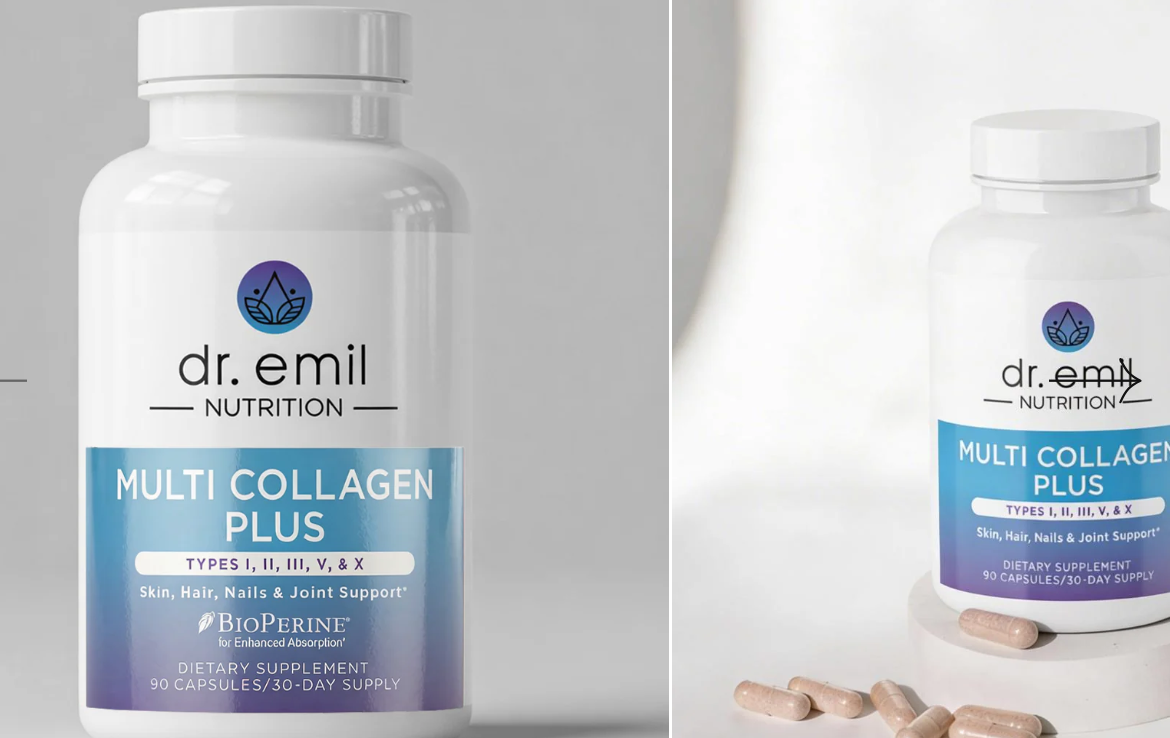
Recommended by Dr. Emil
Multi Collagen Plus
Hydrolyzed collagen peptides providing Types I, II, III, V, and X — covering the skin-critical Types I and III that chronic stress depletes, alongside joint and connective tissue support. Doctor-formulated for consistent daily use. Take with vitamin C for optimal collagen synthesis. Third-party tested.
Shop NowWhich Types Of Collagen Best Support Stressed, Aging Skin?
Choosing The Right Collagen Supplement For Skin Health
Not all collagen supplements are identical. Understanding the different collagen types helps explain why many skin-focused products contain either marine collagen or multi-collagen blends.
Type I collagen accounts for the vast majority of collagen found in the skin. It provides tensile strength and structural support while helping maintain firmness. Marine collagen is particularly rich in Type I collagen, making it a popular option for individuals primarily interested in skin appearance.
Type III collagen often works alongside Type I. It contributes to skin flexibility, blood vessels, and connective tissues. Many bovine collagen supplements naturally provide both Types I and III, offering complementary benefits.
Multi-collagen formulas broaden nutritional support even further by combining several collagen types from different sources. In addition to Types I and III, these products may include Type II for cartilage and joint health and Types V and X, which participate in other connective tissues.
Although collagen supplements cannot completely counteract chronic cortisol exposure, growing research suggests collagen peptides may help support skin hydration, elasticity, and dermal collagen density when consumed consistently alongside a healthy diet.
Consumers should also remember that collagen works best within a complete nutritional foundation. Vitamin C, adequate protein intake, zinc, copper, and overall healthy eating remain essential because the body uses these nutrients to manufacture and organize new collagen fibers. Supplements are most effective when they complement—not replace—a healthy lifestyle.
If you’re looking for a great collagen supplement try Dr Emil’s Multi Collagen Plus!
Nutrients That Work Alongside Collagen To Combat Stress-Related Skin Aging
Building A Complete Nutritional Strategy For Healthier Skin
Collagen peptides supply important amino acids, but healthy collagen formation depends on a team of supporting nutrients. This is particularly relevant when discussing Does Stress Break Down Collagen? The Cortisol Connection, because chronic stress can increase oxidative stress and inflammation that challenge healthy skin maintenance.
Vitamin C is perhaps the best-known collagen partner. Without sufficient vitamin C, the body cannot efficiently stabilize newly formed collagen fibers. Zinc and copper also participate in connective tissue formation, while silica supports healthy connective tissue architecture.
Hyaluronic acid complements collagen by helping the skin retain moisture, contributing to a fuller, smoother appearance. Antioxidants from colorful fruits and vegetables may help reduce oxidative damage caused by both environmental exposures and chronic stress.
Additional nutrients commonly paired with collagen include:
- Vitamin C
- Hyaluronic acid
- Biotin
- Zinc
- Copper
- Silica
- Protein-rich foods
No single nutrient can completely prevent age-related collagen decline. Instead, skin health reflects the combined influence of nutrition, hormones, genetics, sun exposure, and lifestyle habits.
For individuals experiencing prolonged stress, focusing on overall nutritional quality may offer benefits beyond appearance alone. A balanced diet paired with collagen supplementation provides the body with many of the raw materials needed to maintain healthy connective tissues while supporting the skin's ongoing repair and renewal processes.

Lifestyle Habits That Lower Cortisol And Help Protect Collagen
Daily Changes That Support Both Your Stress Levels And Your Skin
Although collagen supplements provide valuable nutritional support, lifestyle remains the foundation of healthy skin. Since cortisol plays a central role in the discussion of Does Stress Break Down Collagen? The Cortisol Connection, reducing chronic stress, becomes an important long-term strategy.
Sleep is one of the body's most effective repair mechanisms. During restful sleep, tissues undergo maintenance and recovery while hormonal balance improves. Consistently poor sleep, on the other hand, can prolong elevated cortisol levels and interfere with normal collagen production.
Regular exercise also helps regulate stress hormones when performed in moderation. Walking, resistance training, cycling, yoga, and swimming all contribute to improved circulation and overall wellness. Excessive overtraining, however, may temporarily increase cortisol, emphasizing the importance of recovery.
Nutrition plays an equally important role. Diets rich in lean proteins, vegetables, fruits, healthy fats, and whole grains provide the vitamins, minerals, and amino acids necessary for collagen synthesis.
Additional skin-protective habits include daily sunscreen use, smoking avoidance, proper hydration, and limiting excessive alcohol consumption. Together, these habits reduce unnecessary stress on the skin while supporting its natural repair mechanisms.
No lifestyle change offers instant results, but consistency matters. Small improvements practiced every day often produce meaningful benefits over months and years, helping preserve healthier skin alongside appropriate collagen supplementation and balanced stress management.

Recommended by Dr. Emil
Bedtime Burn
Formulated with ashwagandha (KSM-66) for cortisol reduction alongside magnesium glycinate, GABA, and L-theanine for deep sleep — addressing the two lifestyle pillars most directly protective of collagen: lower cortisol and better sleep architecture. Doctor-formulated, stimulant-free, third-party tested.
Shop Now
The Bottom Line: Can Collagen Supplements Offset Stress-Related Skin Aging?
Combining Smart Supplementation With Healthy Lifestyle Choices
The evidence suggests the answer to "Does Stress Break Down Collagen? The Cortisol Connection" is both yes and no. Stress does not instantly destroy collagen, but prolonged elevations in cortisol can gradually shift the balance toward reduced collagen production and increased collagen breakdown. Over time, this imbalance may contribute to visible skin aging.
The encouraging news is that collagen metabolism remains active throughout life. The body continues producing collagen, repairing connective tissues, and responding to positive lifestyle changes well into adulthood. While aging is inevitable, the rate at which collagen declines is influenced by many controllable factors.
Collagen supplementation fits naturally within this broader strategy. Marine collagen offers concentrated Type I collagen for skin-focused support, while bovine and multi-collagen products provide additional collagen types that benefit multiple connective tissues. When combined with vitamin C, adequate protein, healthy nutrition, regular exercise, restorative sleep, and effective stress management, collagen supplements may help support healthier skin structure and elasticity.
Medical experts generally agree that supplements work best as part of an overall wellness plan rather than as standalone solutions. Setting realistic expectations is important. Improvements in skin appearance typically occur gradually and vary among individuals.
Ultimately, protecting collagen is not about eliminating stress entirely—that would be impossible. Instead, it involves minimizing chronic cortisol exposure while consistently providing the body with the nutritional building blocks it needs to maintain healthy skin. This balanced, evidence-informed approach offers the greatest opportunity to support collagen naturally and promote healthier aging from the inside out.

Protecting Your Collagen Starts With Managing Stress
Why Healthy Skin Depends On More Than Just One Supplement
The science behind Does Stress Break Down Collagen? The Cortisol Connection shows that chronic stress can influence skin aging, but it is only one piece of a much larger picture. Elevated cortisol may slow collagen production and contribute to greater collagen breakdown over time, yet factors such as nutrition, sun exposure, sleep quality, exercise, and overall lifestyle all work together to determine how well your skin maintains its strength and elasticity.
Collagen supplements can be a helpful addition to this equation because they provide the building blocks your body uses to support connective tissues. Products containing Type I and Type III collagen—or comprehensive multi-collagen formulas—fit naturally into a broader wellness routine that also includes vitamin C, adequate protein, and other nutrients involved in collagen synthesis.
The most effective approach is one built on consistency rather than quick fixes. Managing stress, getting restorative sleep, eating a balanced diet, protecting your skin from environmental damage, and choosing a high-quality collagen supplement can all contribute to healthier skin over the long term.
While no supplement can completely erase the effects of chronic stress or stop the natural aging process, supporting your body's collagen production while keeping cortisol in check gives your skin its best opportunity to remain healthy, resilient, and vibrant for years to come.