If you’ve been dealing with dandruff, chances are you’ve come across biotin as a potential solution. It’s often promoted as a go-to vitamin for healthier hair, stronger nails, and glowing skin—but can it really help reduce flakes and soothe an irritated scalp? The short answer is: biotin may help in certain situations, but it’s not a standalone cure for dandruff.
That’s the key conclusion this article will support.
Dandruff is a complex condition that usually stems from factors like excess oil production, sensitivity to scalp yeast, or underlying skin issues—not simply a lack of vitamins. While biotin plays an important role in maintaining healthy skin and supporting hair growth, it doesn’t directly target the most common causes of dandruff.
However, that doesn’t mean it’s irrelevant. In cases where a biotin deficiency contributes to dry, flaky skin, increasing your intake can improve overall scalp health. The challenge is knowing when biotin is actually helpful—and when you’re better off using targeted treatments like medicated shampoos or antifungal ingredients.
In this article, we’ll break down the science behind biotin and scalp health, explore the real causes of dandruff, and explain how nutrients fit into the bigger picture. You’ll also learn about other proven treatments that work more directly, along with practical ways to support your scalp from the inside out.
By the end, you’ll have a clear, evidence-based understanding of whether biotin deserves a place in your routine—and what to do if it doesn’t.
In this article, we’ll break down:
- Does Biotin Help With Dandruff? The Science Behind The Claim
- Biotin For Hair And Scalp: Can It Reduce Flakes And Itchiness?
- What Causes Dandruff And Where Does Biotin Fit In?
- Signs You Might Be Deficient In Biotin And How It Affects Your Scalp
- Best Ways To Use Biotin For Dandruff: Supplements Vs. Diet
- Other Healthy Treatments For Dandruff That Actually Work
- Biotin Myths And Facts: What You Need To Know Before Trying It
Does Biotin Help With Dandruff? The Science Behind The Claim
Exploring Whether This Popular Vitamin Really Supports Scalp Health
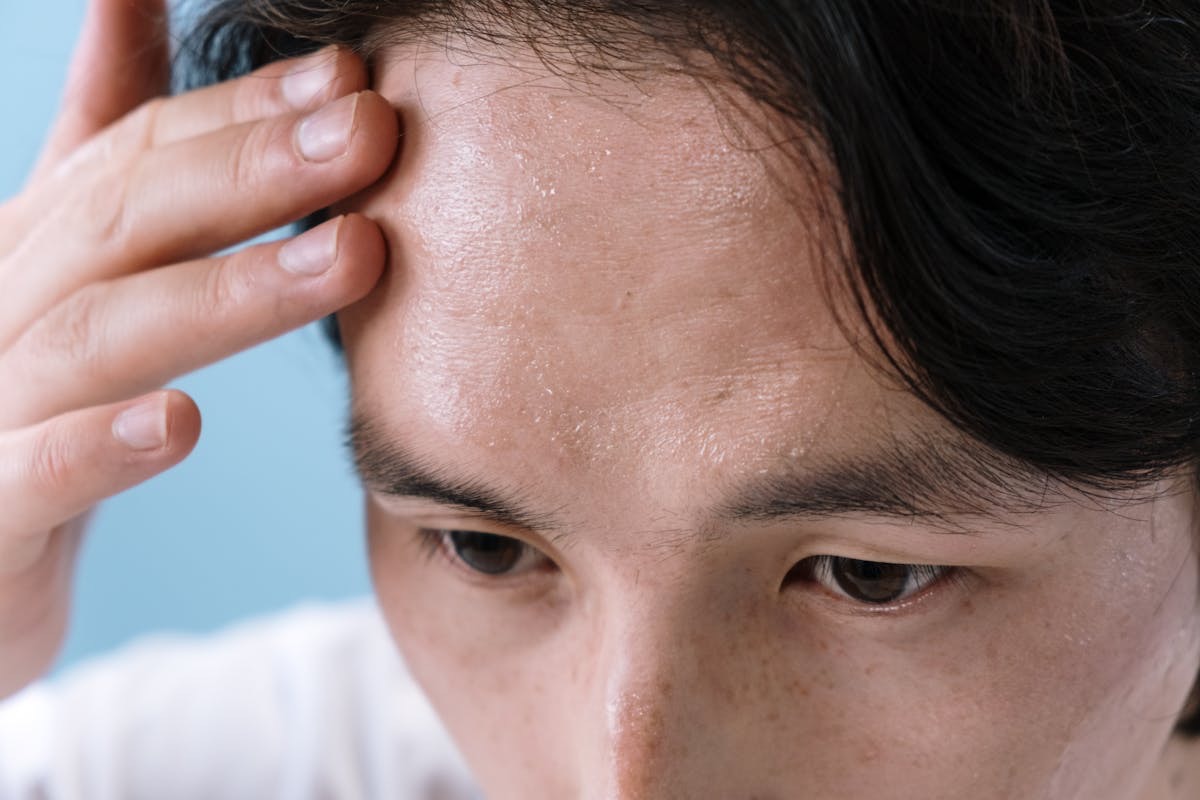
Biotin, also known as vitamin B7, has become a go-to supplement for people looking to improve hair, skin, and nail health. But when it comes to dandruff, the science is less straightforward. Dandruff is most commonly caused by factors such as an overgrowth of yeast on the scalp, excess oil production, or skin conditions like seborrheic dermatitis—not necessarily a vitamin deficiency.
That said, biotin does play an important role in maintaining healthy skin by supporting keratin production and fatty acid metabolism. A deficiency in biotin—while relatively rare—can lead to dry, flaky skin and scalp irritation, which may resemble or worsen dandruff-like symptoms. In those cases, supplementing with biotin could indirectly help improve scalp condition.
However, for the average person with dandruff, there is limited scientific evidence proving that biotin alone can eliminate flakes. It’s more accurate to think of biotin as a supportive nutrient rather than a primary treatment. If your dandruff is related to fungal imbalance or scalp inflammation, medicated shampoos or topical treatments will likely be more effective.
Ultimately, biotin may contribute to overall scalp health, but it is not a miracle cure. Understanding the root cause of your dandruff is key before relying on any supplement as a solution.
Biotin For Hair And Scalp: Can It Reduce Flakes And Itchiness?
Understanding The Link Between Nutrient Deficiency And Dandruff
Biotin’s role in supporting healthy hair is well-known, but its effects on the scalp are often overlooked. Because the scalp is simply an extension of your skin, nutrients that support skin health can also influence scalp condition. Biotin contributes to cell turnover and helps maintain the integrity of the skin barrier, which can reduce dryness and irritation—two factors that may contribute to flaking and itchiness.
When the body lacks sufficient nutrients, the scalp can become more vulnerable to irritation, leading to symptoms that resemble dandruff. In these cases, biotin may help reduce flaking by restoring balance to the skin. However, it’s important to distinguish between dryness-related flaking and dandruff caused by yeast overgrowth, as the latter requires antifungal treatment.
Biotin may be particularly helpful when combined with other supportive nutrients. A well-rounded diet that includes essential vitamins and minerals can improve overall scalp health more effectively than a single supplement alone.
Key Nutrients That Support Scalp Health Include:
- Zinc, which helps regulate oil production and reduce inflammation
- Vitamin B complex, which supports skin cell regeneration
- Omega-3 fatty acids, which help maintain moisture balance
While biotin can play a role in reducing itchiness and dryness, it should be part of a broader approach to scalp care rather than a standalone remedy.
What Causes Dandruff And Where Does Biotin Fit In?
Breaking Down The Root Causes Of Flaky Scalp Conditions
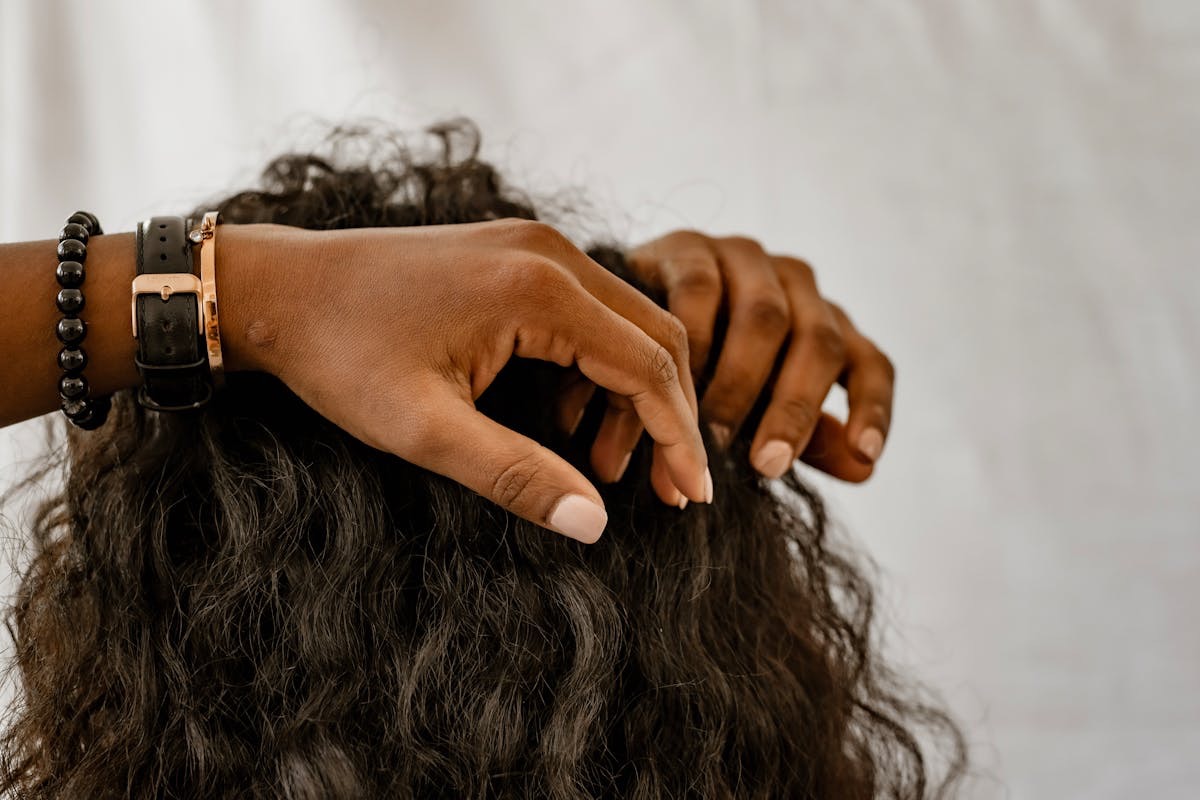
To understand whether biotin can help with dandruff, it’s essential to first understand what causes dandruff in the first place. The condition is typically linked to a combination of factors, including excess oil production, sensitivity to a yeast called Malassezia, and individual skin responses. Environmental factors such as cold weather and stress can also worsen symptoms.
Dandruff is not simply dry skin. In fact, it often occurs in people with oily scalps, where yeast thrives and leads to irritation and flaking. This distinction is important because treatments that work for dryness may not address the underlying issue in dandruff cases.
Biotin enters the picture as a supportive nutrient rather than a direct treatment. It helps maintain skin integrity and supports metabolic processes that contribute to healthy skin function. However, it does not address fungal overgrowth or inflammation directly.
If your dandruff is caused by irritation or poor skin health, improving your nutrient intake—including biotin—may help reduce symptoms. But if the cause is microbial imbalance, topical treatments will be more effective.
Understanding the root cause of your dandruff allows you to choose the right solution, whether that involves dietary changes, supplements, or medicated products.

Recommended by Dr. Emil
Multi Collagen Plus
A comprehensive blend of Types I, II, III, V, and X collagen supporting skin barrier integrity, hair, and nails — third-party tested and doctor-formulated.
Shop NowSigns You Might Be Deficient In Biotin And How It Affects Your Scalp
Key Symptoms To Watch For Beyond Hair Loss
Biotin deficiency is relatively uncommon, but when it does occur, it can have noticeable effects on both your hair and skin. Because biotin plays a crucial role in maintaining healthy cells, a lack of it can lead to symptoms that impact the scalp and mimic dandruff-like conditions.
One of the most common signs of biotin deficiency is thinning hair or increased hair shedding. However, the scalp may also become dry, irritated, and flaky. These symptoms can sometimes be mistaken for dandruff, even though the underlying cause is nutritional rather than fungal.
Other signs of deficiency may include brittle nails, fatigue, and skin rashes. Individuals at higher risk include those with certain medical conditions, people who consume excessive alcohol, or those with poor dietary habits.
Common Signs Of Biotin Deficiency:
- Dry, scaly skin or persistent scalp irritation
- Hair thinning or brittle strands
- Cracks at the corners of the mouth
- Fatigue or low energy levels
If you suspect a deficiency, it’s important to consult a healthcare professional before starting supplementation. Addressing the deficiency can improve overall skin health, which may, in turn, reduce scalp flaking.
However, if your symptoms persist despite adequate nutrition, it may indicate that your dandruff has a different underlying cause that requires targeted treatment.
Best Ways To Use Biotin For Dandruff: Supplements Vs. Diet
Comparing Natural Food Sources And Over-The-Counter Options
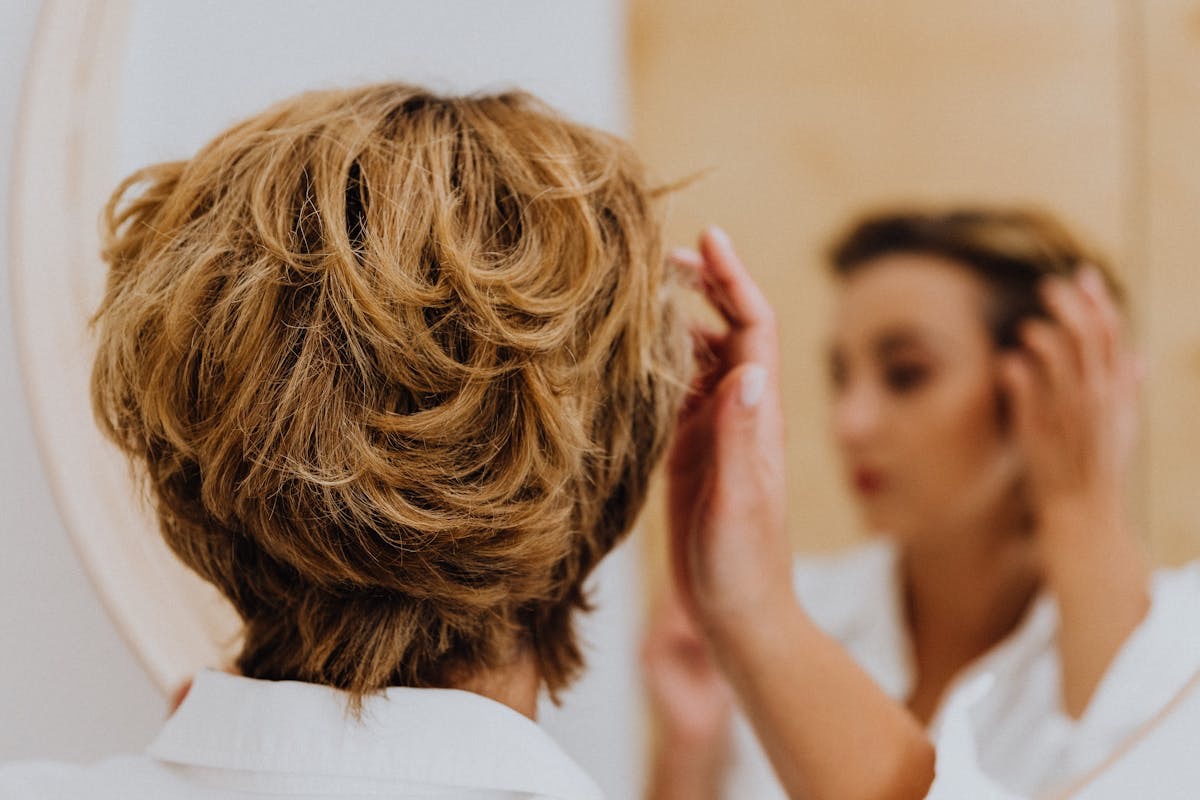
If you’re considering biotin as part of your dandruff management routine, you may wonder whether it’s better to get it from food or supplements. Both options have their benefits, and the best choice often depends on your individual needs and lifestyle.
Biotin is naturally found in a variety of foods, making it relatively easy to incorporate into a balanced diet. Whole food sources not only provide biotin but also deliver other essential nutrients that support overall scalp and skin health. On the other hand, supplements offer a convenient way to ensure consistent intake, especially for those with dietary restrictions or deficiencies.
Foods rich in biotin include eggs, nuts, seeds, salmon, and leafy greens. Incorporating these into your meals can help support your body’s natural processes without the need for high-dose supplements. However, supplements may be beneficial if you have a confirmed deficiency or increased nutritional needs.
When choosing a supplement, it’s important to avoid excessive dosages, as more is not always better. High doses of biotin are generally considered safe but may interfere with certain lab tests.
Ultimately, a balanced approach that combines a nutrient-rich diet with targeted supplementation—if needed—can help support scalp health more effectively than relying on one method alone.

Recommended by Dr. Emil
Multi Collagen Plus Biotin & Vitamin D
Collagen and biotin together in one formula — supporting skin, hair, and scalp health from the inside out, with Vitamin D for added skin and immune support.
Shop NowOther Healthy Treatments For Dandruff That Actually Work
From Tea Tree Oil To Zinc Shampoos—What Science Recommends
While biotin may support overall scalp health, many proven treatments target the root causes of dandruff more directly. These treatments focus on reducing yeast overgrowth, controlling oil production, and soothing inflammation. Incorporating these into your routine can provide faster and more noticeable relief from flakes and itchiness.
Natural remedies such as tea tree oil have antifungal and anti-inflammatory properties, making them a popular choice for mild dandruff. Aloe vera can also help calm irritation and hydrate the scalp. Meanwhile, medicated shampoos containing ingredients like zinc pyrithione, ketoconazole, or selenium sulfide are widely recommended by dermatologists for persistent cases.
Effective Dandruff Treatments To Consider:
- Tea tree oil for its natural antifungal properties
- Zinc-based shampoos to reduce flaking and irritation
- Ketoconazole treatments for more severe dandruff
- Aloe vera for soothing and hydration
Consistency is key when using these treatments. Most require regular use over several weeks to see significant improvement. Additionally, maintaining a healthy lifestyle—including proper hygiene, stress management, and a balanced diet—can enhance the effectiveness of these remedies.
By combining targeted treatments with supportive nutrients like biotin, you can create a comprehensive approach to managing dandruff.
Biotin Myths And Facts: What You Need To Know Before Trying It
Separating Hype From Evidence In Hair And Scalp Care
Biotin has gained a reputation as a miracle solution for hair and scalp issues, but not all claims are backed by science. Understanding the difference between myths and facts can help you make more informed decisions about whether biotin is right for you.
One common myth is that biotin can instantly cure dandruff. In reality, dandruff is often caused by factors unrelated to nutrient intake, such as fungal imbalance or scalp sensitivity. While biotin can support skin health, it does not directly target these underlying causes.
Another misconception is that taking higher doses will lead to faster results. However, excess biotin does not necessarily improve outcomes and may even interfere with certain medical tests. Moderation and proper guidance are essential when using supplements.
On the positive side, biotin is well-supported for its role in maintaining healthy hair and skin when a deficiency is present. It can be a helpful addition to your routine if used appropriately and in combination with other treatments.
Ultimately, biotin is best viewed as part of a holistic approach rather than a standalone fix. By combining accurate information with realistic expectations, you can avoid common pitfalls and choose the most effective strategies for your scalp health.
The Bottom Line On Biotin And Dandruff: What Actually Works
After exploring the science, causes, and treatment options, one thing becomes clear: biotin is supportive—but not a primary solution—for dandruff.
It can play a valuable role in maintaining healthy skin and hair, especially if you’re dealing with a deficiency. In those cases, improving your biotin intake may help reduce dryness, strengthen your scalp barrier, and minimize flaking that’s linked to poor skin health.
But for most people, dandruff isn’t caused by a lack of biotin. It’s driven by factors like yeast overgrowth, excess oil, and inflammation—issues that require more targeted treatments. That’s why solutions like medicated shampoos, antifungal ingredients, and soothing topical remedies tend to deliver more noticeable and consistent results.
The most effective approach is a balanced one. Supporting your body with proper nutrition, including biotin, can improve overall scalp health. At the same time, addressing the root cause of dandruff with proven treatments ensures you’re not just masking symptoms but actually resolving the issue.
It’s also important to avoid falling into the trap of “more is better.” Taking high doses of biotin won’t magically eliminate dandruff and may not provide any added benefit if your levels are already sufficient.
In the end, understanding your specific scalp needs is what makes the difference. When you combine the right knowledge with the right tools, managing dandruff becomes far more straightforward—and far more effective.