
Eczema can feel like a constant battle between your skin and the outside world. Dryness, irritation, and flare-ups often trace back to one core issue: a weakened skin barrier. When that barrier isn’t functioning properly, moisture escapes and irritants get in—creating the perfect conditions for ongoing discomfort.
This is where biotin, also known as vitamin B7, enters the conversation.
Biotin is often associated with hair and nail health, but its role in skin biology is just as important. It supports key processes like fatty acid synthesis and keratin production—both essential for maintaining a strong, hydrated, and resilient skin barrier. And since eczema is so closely tied to barrier dysfunction, it raises an important question: can biotin actually help?
The short answer is: biotin can support eczema-prone skin, but it’s not a standalone solution.
In this article, you’ll see how that conclusion holds up from multiple angles. We’ll explore the science behind the skin barrier, break down the biological mechanisms of vitamin B7, and examine when biotin is most likely to make a difference—especially in cases of deficiency.
Rather than presenting biotin as a miracle cure, this article builds a clearer, more realistic picture. By the end, you’ll understand where biotin fits into eczema care—and why supporting your skin from the inside out may be one of the smartest long-term strategies.
In this article, we’ll break down:
- Does Biotin Help With Eczema? Understanding The Skin Barrier Connection
- The Role Of Biotin (Vitamin B7) In Strengthening The Skin Barrier
- Biotin Deficiency And Eczema: Is There A Hidden Link?
- Repairing The Skin Barrier In Eczema: Where Biotin Fits In
- The Science Behind Biotin And Skin Health In Eczema Management
- Can Biotin Supplements Improve Eczema Symptoms?
- Skin Barrier Dysfunction In Eczema: Could Biotin Be Part Of The Solution?

Does Biotin Help With Eczema? Understanding The Skin Barrier Connection
How Vitamin B7 Supports Skin Defense And Moisture Retention
Eczema is often rooted in a compromised skin barrier, which allows moisture to escape while letting irritants and allergens penetrate more easily. This disruption leads to dryness, itching, and inflammation—hallmarks of the condition. Biotin, also known as vitamin B7, has gained attention for its potential role in supporting skin health, particularly in maintaining the integrity of this barrier.
Biotin contributes to fatty acid synthesis, a critical process for producing lipids that help form the skin’s protective outer layer. These lipids act like mortar between skin cells, sealing in hydration and preventing environmental damage. When biotin levels are adequate, the skin barrier may function more efficiently, reducing transepidermal water loss and improving overall resilience.
Although biotin is not a cure for eczema, it may support the skin’s natural repair processes. People with eczema often struggle with chronic dryness, and nutrients that promote hydration and barrier strength can be beneficial as part of a broader care strategy. It’s important to note that the impact of biotin varies between individuals, especially depending on whether a deficiency is present.
Ultimately, biotin’s role in eczema is best understood as supportive rather than transformative, helping to reinforce the skin barrier and promote healthier skin function over time.

The Role Of Biotin (Vitamin B7) In Strengthening The Skin Barrier
Exploring How Nutrient Support Can Improve Eczema-Prone Skin
The skin barrier serves as the body’s first line of defense, and its strength depends heavily on proper nutrition. Biotin plays a key role in maintaining this barrier by supporting keratin production and lipid metabolism—two essential components of healthy skin structure.
Keratin is a structural protein that forms the outermost layer of the skin. Biotin helps regulate keratin infrastructure, ensuring that skin cells are strong and cohesive. At the same time, biotin assists enzymes involved in fatty acid synthesis, which contributes to the lipid matrix that holds skin cells together. Without sufficient lipid content, the barrier becomes porous and prone to irritation.
For individuals with eczema, this barrier weakness is a central issue. Supporting it nutritionally may help reduce sensitivity and improve hydration. Biotin works alongside other nutrients like zinc and omega-3 fatty acids to maintain a balanced and resilient skin environment.
Key ways biotin supports the skin barrier include:
- Promoting fatty acid production for lipid layers
- Supporting keratin structure for stronger skin cells
- Enhancing moisture retention by improving barrier cohesion
While topical treatments address symptoms externally, nutrients like biotin work internally to reinforce the skin’s structure. This dual approach may offer more sustainable improvements in skin health over time.
Biotin Deficiency And Eczema: Is There A Hidden Link?
What Low Vitamin B7 Levels Mean For Skin Health And Irritation
Biotin deficiency is relatively rare, but when it does occur, it can have noticeable effects on the skin. Symptoms often include dryness, redness, scaling, and irritation—features that closely resemble or overlap with eczema. This similarity has led researchers and clinicians to explore whether low biotin levels could contribute to or worsen eczema symptoms.
Biotin is essential for several metabolic processes, particularly those involving fatty acids and amino acids. When levels are insufficient, the skin may struggle to produce the lipids needed for an intact barrier. This can result in increased water loss and heightened sensitivity to irritants, both of which are common in eczema.
Certain groups may be more at risk of biotin deficiency, including individuals with restrictive diets, digestive disorders, or prolonged antibiotic use. In these cases, addressing the deficiency may lead to noticeable improvements in skin condition.
However, it’s important to distinguish between true deficiency and general supplements. For people with normal biotin levels, adding more may not significantly impact eczema. The connection appears strongest when a deficiency is present.
Understanding whether biotin levels are adequate can be a valuable step in managing persistent or unexplained skin issues, especially when conventional treatments are not fully effective.
Repairing The Skin Barrier In Eczema: Where Biotin Fits In
A Closer Look At Barrier Function, Hydration, And Nutrient Support
Repairing the skin barrier is a central goal in eczema management. A healthy barrier locks in moisture and blocks irritants, while a damaged one leads to chronic dryness and inflammation. Biotin may play a supportive role in this repair process by contributing to the production of lipids and structural proteins.
The skin barrier is composed of corneocytes (skin cells) embedded in a lipid matrix. This structure is often compared to bricks and mortar, where the lipids act as the binding material. Biotin supports the synthesis of these lipids, helping to rebuild and maintain the barrier over time.
Barrier repair typically involves multiple strategies, including hydration, topical treatments, and nutritional support. Biotin fits into this framework as an internal contributor to skin health. It does not act quickly, but its effects may become more noticeable with consistent intake.
Effective barrier repair strategies often include:
- Using gentle, non-irritating skincare products
- Maintaining proper hydration levels
- Supporting skin structure through nutrients like biotin
While biotin alone is unlikely to resolve eczema, it can complement other approaches by addressing underlying structural needs. This makes it a valuable piece of a broader, holistic strategy focused on restoring the skin’s natural defenses.

The Science Behind Biotin And Skin Health In Eczema Management
Breaking Down The B7 Mechanism And Its Impact On Inflammation
Biotin’s role in skin health is rooted in its function as a coenzyme in several metabolic pathways. It supports enzymes involved in fatty acid synthesis, amino acid metabolism, and energy production—all of which are important for maintaining healthy skin cells and a functional barrier.
One of the key mechanisms involves biotin-dependent carboxylases, enzymes that help synthesize fatty acids. These fatty acids are essential for forming the lipid layer of the skin, which prevents water loss and protects against environmental stressors. In eczema, where this barrier is compromised, supporting these pathways may help improve resilience.
Biotin may also have indirect effects on inflammation. While it is not classified as an anti-inflammatory nutrient, improved barrier function can reduce the triggers that lead to inflammatory responses. When the skin is better protected, it is less likely to react to irritants and allergens.
Scientific insights into biotin’s role include:
- Activation of enzymes critical for lipid synthesis
- Support for keratin infrastructure in the epidermis
- Contribution to overall cellular energy and repair processes
Although more research is needed to establish a direct causal link between biotin and eczema improvement, the biological mechanisms suggest a supportive role. This makes biotin an interesting area of study within the broader context of nutritional dermatology.
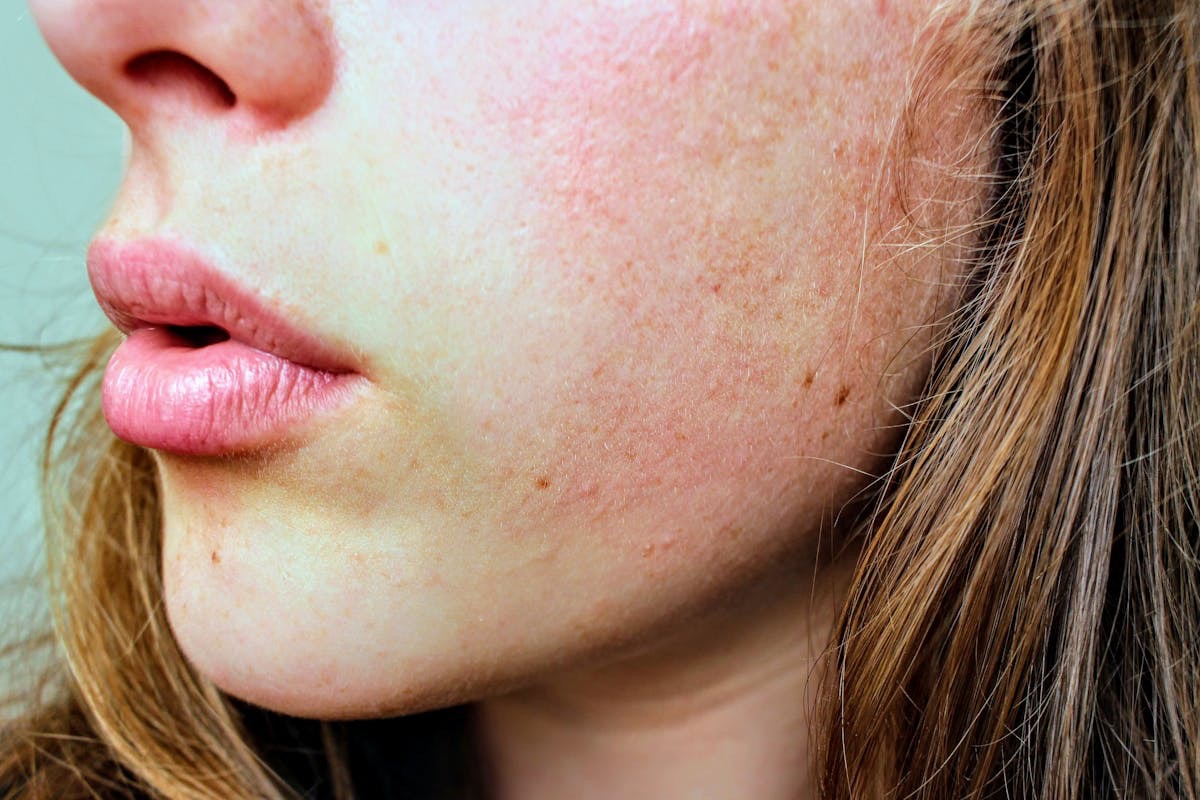
Can Biotin Supplements Improve Eczema Symptoms?
Evaluating Evidence Around Vitamin B7 And Skin Barrier Repair
Biotin supplements are widely marketed for hair, skin, and nail health, but their effectiveness for eczema remains a topic of debate. While some individuals report improvements, scientific evidence is limited and often inconclusive.
The potential benefit of biotin supplements largely depends on whether a person has a deficiency. In deficient individuals, restoring normal levels can improve skin condition and reduce symptoms like dryness and irritation. However, for those with adequate intake, additional supplements may not produce noticeable changes.
Eczema is a complex condition influenced by genetics, immune responses, and environmental factors. As such, no single nutrient can address all aspects of the disorder. Biotin may support the skin barrier, but it does not directly target inflammation or immune dysfunction.
When considering biotin supplements, it’s important to:
- Assess dietary intake and potential deficiency
- Consult with a healthcare provider
- Use supplements as part of a broader treatment plan
Biotin can be a helpful addition for some people, particularly when combined with other supportive measures. However, expectations should remain realistic, as its role is complementary rather than curative.

Recommended by Dr. Emil
Multi Collagen Plus Biotin & Vitamin D
Biotin and collagen together in one formula — supporting keratin production, skin barrier integrity, and the lipid matrix that eczema-prone skin relies on. Third-party tested, doctor-formulated.
Shop NowSkin Barrier Dysfunction In Eczema: Could Biotin Be Part Of The Solution?
Understanding The Intersection Of Nutrition, B7, And Skin Resilience
Skin barrier dysfunction is a defining feature of eczema, leading to increased sensitivity, dryness, and susceptibility to irritants. Addressing this dysfunction requires a multifaceted approach, and nutrition is an often-overlooked component. Biotin, as a key nutrient involved in skin structure, may play a role in enhancing resilience.
The concept of “inside-out” skin health emphasizes that what we consume can influence how our skin functions. Biotin contributes to processes that maintain the integrity of the epidermis, particularly through its role in lipid and protein synthesis. These processes are essential for a strong and cohesive barrier.
While biotin alone is not a solution, it can be part of a broader nutritional strategy that supports skin health. This may include a balanced diet rich in vitamins, minerals, and essential fatty acids, all of which contribute to barrier function.
In the context of eczema, improving skin resilience can reduce the frequency and severity of flare-ups. Biotin’s contribution to this goal lies in its ability to support the structural foundation of the skin.
By integrating nutritional support with topical care and lifestyle adjustments, individuals with eczema may achieve better long-term outcomes and improved skin comfort.

Where Biotin Fits In The Bigger Eczema Picture
After exploring the connection between biotin and eczema from multiple angles, one thing becomes clear: biotin plays a supportive—but not transformative—role in skin health.
Eczema is a complex condition, driven by a mix of genetic, environmental, and immune-related factors. At its core, however, is a compromised skin barrier. This is where biotin offers its most meaningful contribution. By supporting fatty acid production and keratin structure, vitamin B7 helps reinforce the very foundation your skin depends on to stay hydrated and protected.
But context matters.
For individuals with a biotin deficiency, restoring adequate levels can lead to noticeable improvements in skin condition. In those cases, the impact may feel significant. For others with already sufficient intake, biotin is less likely to dramatically change eczema symptoms on its own.
That doesn’t make it irrelevant—it just defines its role more clearly.
Think of biotin as one piece of a larger strategy. When combined with proper skincare, hydration, and other supportive nutrients, it can help strengthen the skin barrier over time. And a stronger barrier means fewer triggers, less irritation, and more resilient skin overall.
The takeaway isn’t that biotin “cures” eczema—it’s that supporting your skin at a structural level matters.
By understanding how nutrients like vitamin B7 contribute to that structure, you can make more informed decisions about your skincare and overall health—focusing not just on quick fixes, but on long-term skin stability.