



Cellulite affects an estimated 80-90% of women at some point in their lives, creating dimpled, uneven skin texture that many find frustrating. Despite being a completely normal and harmless condition, cellulite has inspired an entire industry of treatments, creams, and supplements promising to smooth away those stubborn dimples. Among the most popular recent additions to this market is collagen supplementation, with manufacturers claiming that boosting your collagen intake can reduce the appearance of cellulite. But do these claims hold up under scientific scrutiny? While collagen won't magically erase cellulite overnight, emerging research suggests it offers modest benefits for skin structure and appearance when combined with realistic expectations and a comprehensive approach. We’ll look at the relationship between collagen and cellulite, explore what causes that dimpled appearance in the first place, and provide evidence-based guidance on whether collagen supplementation deserves a place in your skincare routine.
Understanding Cellulite: What It Is and Why It Happens
The Anatomy of Cellulite Formation
Cellulite occurs when subcutaneous fat pushes through connective tissue beneath the skin, creating the characteristic dimpled or lumpy appearance most commonly seen on thighs, buttocks, and hips. To understand this phenomenon, imagine the skin as a quilted fabric with vertical fibrous bands called septae connecting the skin's surface to deeper tissue layers. Between these bands lie pockets of fat cells. When fat cells enlarge or when the connective tissue bands lose elasticity and tighten, they pull downward on the skin while the fat pushes upward, creating the uneven texture we recognize as cellulite.
This structural explanation reveals why cellulite is fundamentally different from regular body fat. You can be lean with minimal body fat and still have cellulite, just as someone with higher body fat percentages might have relatively smooth skin. The key factors involve skin thickness, connective tissue structure, fat distribution patterns, and the strength and arrangement of those fibrous septae bands. Women are significantly more prone to cellulite than men due to differences in how these connective tissue bands are arranged. Women tend to have vertical or perpendicular bands, while men typically have crisscrossing patterns that better contain fat.

Contributing Factors Beyond Fat
Multiple factors beyond simple fat accumulation contribute to cellulite development and severity. Genetics play perhaps the most significant role, determining your skin structure, fat distribution patterns, and metabolic characteristics. If your mother or grandmother had pronounced cellulite, you're more likely to develop it regardless of your lifestyle choices. Hormonal influences also matter considerably, particularly estrogen, which affects blood flow, fat distribution, and connective tissue structure. This explains why cellulite often becomes more noticeable during pregnancy, puberty, and hormonal fluctuations.
Age is another critical factor as natural collagen production declines and skin loses elasticity and thickness. Thinner, less elastic skin allows underlying fat structures to become more visible, making cellulite more apparent even if the underlying fat distribution hasn't changed. Lifestyle factors including poor circulation, lack of physical activity, smoking, dehydration, and poor nutrition can exacerbate cellulite appearance by affecting skin health and connective tissue integrity. Inflammation and fluid retention may also temporarily worsen cellulite's visible appearance, which is why some people notice their cellulite looks more pronounced at certain times.
What is Collagen and How Does It Affect Skin Structure?
Collagen is the most abundant structural protein in the human body, providing the framework that gives skin its firmness, smoothness, and elasticity. Think of collagen as the scaffolding supporting your skin. When this scaffolding is robust and well-maintained, skin appears tighter and more resilient. When collagen breaks down or production declines, skin becomes thinner, less elastic, and more prone to showing underlying irregularities like cellulite.
The body produces collagen naturally through complex biochemical processes involving amino acids, vitamin C, and other nutrients. However, natural collagen production peaks in our early twenties and declines steadily thereafter, decreasing by approximately 1-2% annually. By age 40, many people have lost significant collagen, which manifests as wrinkles, sagging skin, and increased cellulite visibility. External factors including sun exposure, smoking, excessive sugar consumption, and chronic stress accelerate collagen breakdown, potentially making cellulite more noticeable at younger ages.

Collagen supplements provide hydrolyzed collagen peptides. These peptides are small, easily absorbed protein fragments that the body can use as building blocks for new collagen synthesis. When you consume collagen supplements, your digestive system breaks them down into amino acids and small peptides that enter the bloodstream and potentially stimulate fibroblasts, the cells responsible for producing new collagen in the skin. This process takes time and depends on multiple factors, which is why collagen supplementation requires consistent, long-term use to produce visible results.
The Scientific Evidence: Does Collagen Actually Help Cellulite?
What Research Shows
The scientific evidence supporting collagen for cellulite reduction remains limited but cautiously promising. Several clinical trials have examined collagen supplementation's effects on cellulite appearance, with the most notable being a 2015 study published in the Journal of Medicinal Food. This research followed 105 women aged 24-50 with moderate cellulite who consumed 2.5 grams of bioactive collagen peptides daily for six months. Results showed significant improvement in cellulite appearance on thighs, particularly in women with normal body weight. Skin waviness decreased, and overall skin texture improved compared to the placebo group.
Limitations and Realistic Expectations
While these studies offer encouragement, significant limitations warrant consideration. First, the research involved relatively small sample sizes and was partially funded by collagen manufacturers, raising potential bias concerns. Second, the improvements observed were modest and occurred over extended periods. Six months of consistent supplementation produced gradual changes rather than dramatic transformation. Third, the studies focused specifically on bioactive collagen peptides rather than regular collagen supplements, meaning not all collagen products may deliver similar results.
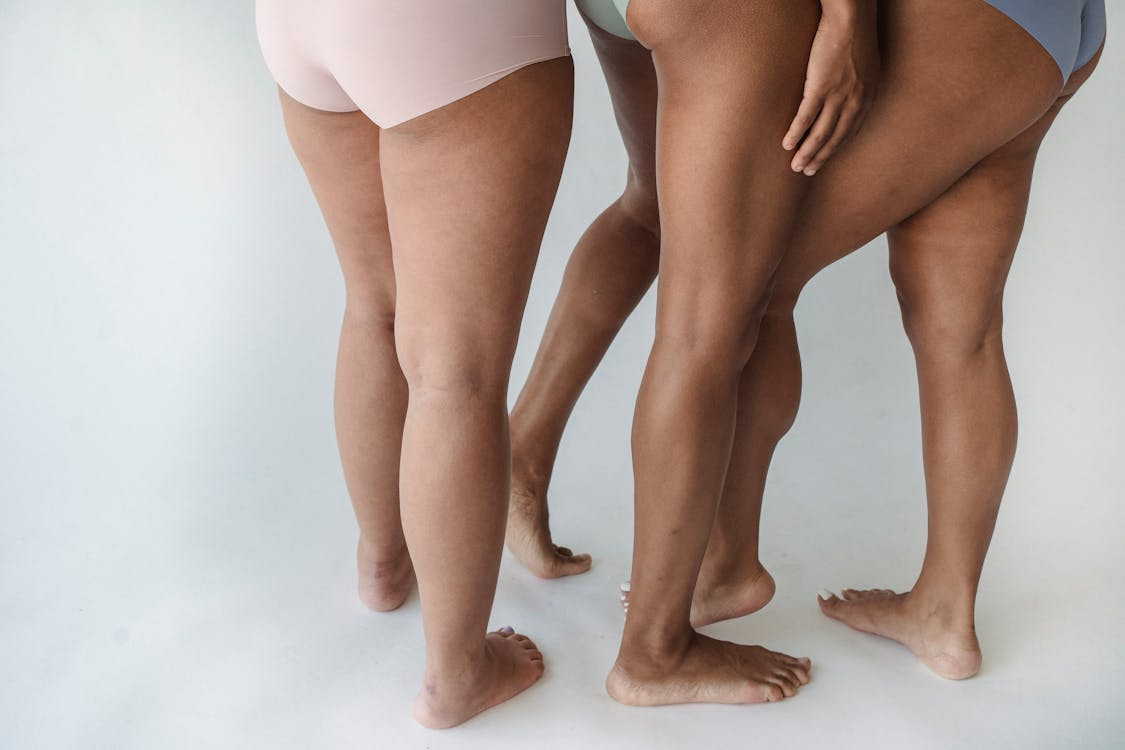
Individual responses to collagen supplementation vary considerably based on factors including age, genetics, baseline collagen levels, overall nutrition, and lifestyle habits. Some people may notice meaningful improvements in skin texture and cellulite appearance, while others see minimal changes despite consistent use. The supplement cannot overcome poor genetics, significant hormonal influences, or structural factors predisposing someone to severe cellulite. Setting realistic expectations is essential. Collagen may modestly improve cellulite appearance and skin quality, but it won't eliminate cellulite entirely or replace other proven approaches to skin health.
How Collagen May Improve Cellulite Appearance
Strengthening Connective Tissue
Collagen supplementation may help cellulite by strengthening the connective tissue matrix beneath the skin. Remember that cellulite results partly from weakened, stretched, or damaged septae bands that allow fat to protrude more obviously. By providing raw materials for collagen synthesis, supplements potentially help rebuild and reinforce these structural bands, creating a more resilient foundation that better contains underlying fat and smooths skin's surface appearance.
This process doesn't happen overnight. Collagen turnover in skin occurs gradually, with old, damaged collagen being broken down and replaced by new collagen over weeks and months. Consistent supplementation maintains a steady supply of amino acids and peptides that support this ongoing renewal process. Over time, this may result in thicker, more resilient connective tissue that better maintains skin structure and reduces the dimpled appearance characteristic of cellulite. The effect is subtle and cumulative rather than immediate and dramatic.

Improving Skin Thickness and Elasticity
Perhaps collagen's most significant contribution to cellulite improvement involves increasing skin thickness and elasticity. Thicker, more elastic skin simply does a better job of concealing underlying fat irregularities. When skin loses thickness and elasticity with age or due to collagen depletion, the dimpled texture of cellulite becomes more visible even if the underlying fat distribution hasn't changed. By supporting skin's structural integrity, collagen supplementation may help skin bounce back and smooth over irregularities that would otherwise create visible dimpling.
Research demonstrates that collagen supplementation can improve various markers of skin health including hydration, elasticity, and dermal density. These improvements contribute to overall skin appearance and may indirectly reduce cellulite visibility. Well-hydrated, elastic skin with good structural integrity naturally looks smoother and more even-toned than thin, dehydrated skin lacking adequate collagen support. While this doesn't eliminate the underlying structural issues causing cellulite, it can make them less noticeable, which for many people represents a meaningful improvement.
Maximizing Results: Collagen as Part of a Comprehensive Approach
Combining Collagen with Other Strategies
Collagen supplementation works best as one component of a multi-faceted approach to cellulite management rather than a standalone solution. Regular exercise, particularly strength training and activities that improve circulation, helps reduce body fat percentage while building muscle that creates smoother underlying contours beneath the skin. Cardiovascular exercise promotes healthy circulation, which supports nutrient delivery to skin tissues and may help reduce fluid retention that exacerbates cellulite appearance.
Maintaining healthy body composition through balanced nutrition supports both collagen supplementation effectiveness and overall skin health. Adequate protein intake from diverse sources provides the amino acids necessary for collagen synthesis, while foods rich in vitamin C, zinc, copper, and antioxidants support your body's natural collagen production. Staying well-hydrated keeps skin plump and may temporarily minimize cellulite's appearance. Avoiding smoking, limiting alcohol consumption, and managing stress all protect existing collagen from premature breakdown while supporting new collagen formation.

Topical treatments including retinoids, caffeine-based creams, and massage techniques may offer additional modest benefits when combined with collagen supplementation. While topical treatments alone rarely produce dramatic results, they can temporarily improve circulation, reduce fluid retention, and support skin health in ways that complement internal collagen supplementation. Professional treatments like radiofrequency therapy, laser treatments, or acoustic wave therapy may provide more noticeable improvements for those seeking aggressive cellulite reduction, though these come with higher costs and varying degrees of evidence supporting their effectiveness.
Patience and Consistency Matter
Perhaps the most important factor in seeing results from collagen supplementation is consistent, long-term use combined with realistic expectations. The studies showing cellulite improvement required six months of daily supplementation before significant changes became apparent. Expecting dramatic results after a few weeks sets you up for disappointment. Collagen works through gradual, cumulative effects as your body slowly rebuilds and strengthens connective tissue and skin structure.
Consistency matters more than occasional high doses. Taking collagen daily ensures a steady supply of peptides and amino acids supporting ongoing collagen synthesis and tissue renewal. Sporadic supplementation provides insufficient building blocks for meaningful structural improvements. Most experts recommend daily doses of 2.5 to 10 grams of hydrolyzed collagen peptides, taken consistently for at least three to six months before evaluating results. Keeping progress photos can help you objectively assess subtle changes that might not be immediately obvious in day-to-day observation.
Dr. Emil's Advanced Collagen Solutions
Multi Collagen Plus Lean Fuel
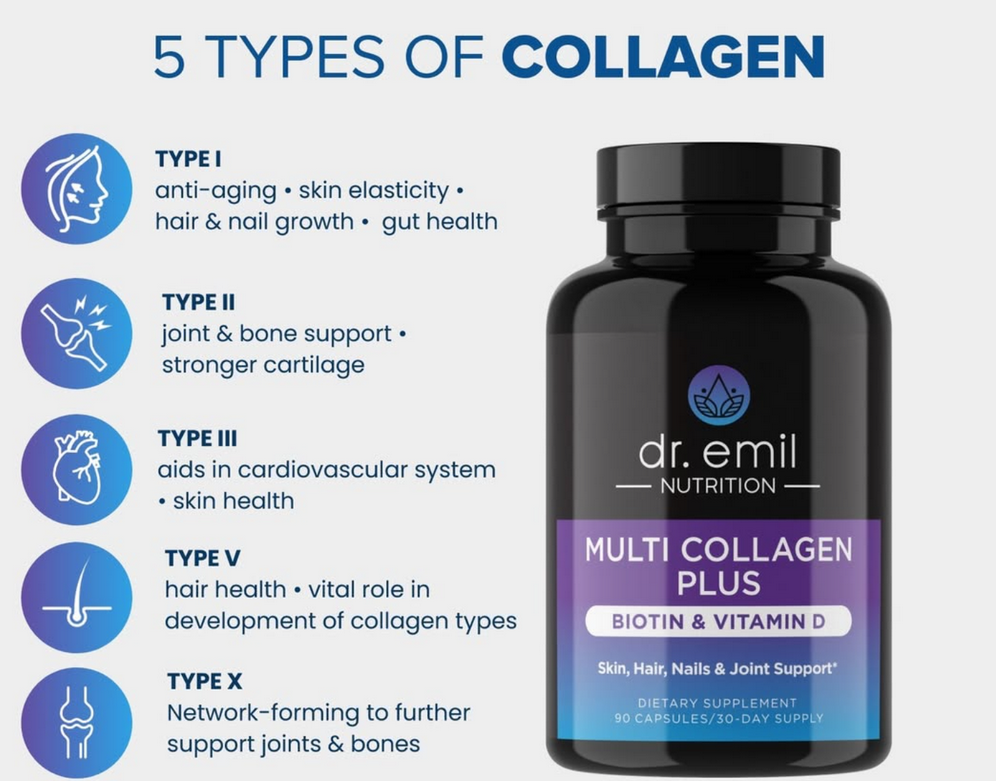
Multi Collagen Plus Lean Fuel delivers 9 grams of premium collagen peptides per serving combined with ingredients supporting weight management and skin health. The bioactive collagen peptides provide building blocks for connective tissue strength and skin thickness that may reduce cellulite appearance, while hyaluronic acid enhances hydration and elasticity. Grains of Paradise seed extract supports energy expenditure and metabolism, while bitter melon extract contributes to blood sugar balance.
Ashwagandha extract helps regulate stress and curb cravings, supporting healthy body composition. Olive leaf extract provides antioxidant protection against free radical damage that accelerates collagen breakdown. The Caramel Dream flavor makes daily supplementation enjoyable, supporting long-term consistency necessary for results. This formula addresses both skin structure and body composition factors influencing cellulite appearance.
The Bottom Line on Collagen and Cellulite
Collagen supplementation offers modest potential for improving cellulite appearance but is not a miracle cure. Research suggests consistent, long-term use of bioactive collagen peptides may reduce cellulite severity and improve skin texture by strengthening connective tissue, increasing skin thickness, and enhancing elasticity. However, results vary considerably based on individual factors including genetics, age, and body composition. Improvements occur gradually over several months, requiring patience and realistic expectations. Collagen works best as part of a comprehensive approach including regular exercise, healthy nutrition, adequate hydration, and supportive lifestyle habits. Quality supplements like Multi Collagen Plus Lean Fuel provide science-backed support for skin structure while addressing metabolic factors that influence cellulite. With consistent supplementation for at least six months combined with other proven wellness strategies, collagen can contribute to meaningful improvements in skin appearance for those willing to invest in long-term commitment.
%20(1).png)


