



The supplement world is filled with bold promises, but few compounds have generated as much scientific excitement as NAD+. Touted as a cellular fountain of youth, NAD+ supplements claim to reverse aging, boost energy, enhance mental clarity, and protect against age-related diseases. But does NAD really work, or is it just another overhyped wellness trend? Understanding the science behind NAD+, how it functions in your body, and what research actually shows can help you make an informed decision about whether this supplement deserves a place in your health regimen. We’ll take a closer look at the evidence and mechanisms, while providing practical insights into how you can properly add an NAD+ supplement to your routine.
Understanding NAD+: The Body's Essential Coenzyme
What Is NAD+ and Why Does It Matter?
NAD+, or Nicotinamide adenine dinucleotide, is a coenzyme found in every living cell in your body. This molecule plays a fundamental role in energy metabolism, serving as a crucial electron transporter in the cellular processes that convert nutrients into usable energy. Think of NAD+ as a cellular currency that powers hundreds of essential biological reactions.
Beyond energy production, NAD+ serves as a critical cofactor for enzymes called sirtuins, which regulate cellular health, DNA repair, inflammation, and stress resistance. These sirtuins are often called "longevity genes" because they influence how cells age and respond to damage. Without adequate NAD+, sirtuins cannot function properly, potentially accelerating the aging process at a cellular level.
Your body naturally produces NAD+ from precursor molecules obtained through diet, including niacin (vitamin B3), tryptophan, and other related compounds. However, NAD+ levels decline progressively with age, dropping by approximately 50% between youth and middle age. This decline correlates with many hallmarks of aging, including reduced energy, cognitive decline, metabolic dysfunction, and increased susceptibility to disease.

The Age-Related NAD+ Decline
Multiple factors contribute to decreasing NAD+ levels as you age. Increased consumption by enzymes that use NAD+ for cellular repair processes depletes available supplies. The enzyme CD38, which degrades NAD+, becomes more active with age. Additionally, your body's ability to synthesize NAD+ from precursors becomes less efficient over time.
This decline has profound consequences. Research shows that reduced NAD+ levels impair mitochondrial function, the powerhouses of your cells that generate energy. Lower NAD+ also compromises DNA repair mechanisms, allowing cellular damage to accumulate. The weakening of sirtuin activity affects everything from metabolism to inflammation control, potentially contributing to age-related diseases.
How NAD+ Works in Your Body
Energy Production and Metabolism
NAD+ exists in two forms within cells, NAD+ (oxidized) and NADH (reduced). This molecule constantly cycles between these forms, accepting and donating electrons during metabolic reactions. In the process of cellular respiration, NAD+ accepts electrons from glucose breakdown, becoming NADH. This NADH then delivers electrons to the mitochondria, where they drive ATP production, the universal energy currency your cells use.
Without sufficient NAD+, this energy production process slows dramatically. Cells struggle to generate adequate ATP, leading to fatigue, reduced physical performance, and impaired organ function. This explains why NAD+ depletion is associated with the characteristic energy decline many people experience with aging.
DNA Repair and Cellular Health
Your DNA constantly faces damage from environmental factors, metabolic byproducts, and natural cellular processes. NAD+ is essential for activating PARP enzymes, which detect and repair DNA damage. Every time a PARP enzyme fixes DNA, it consumes NAD+ in the process. With lower NAD+ levels, your cells become less capable of maintaining genetic integrity, potentially leading to cellular dysfunction and increased disease risk.

NAD+ also activates sirtuins, particularly SIRT1, SIRT3, and SIRT6, which regulate numerous cellular processes related to aging. These enzymes remove acetyl groups from proteins, modifying their activity and influencing gene expression patterns associated with longevity, stress resistance, and metabolic health.
The Scientific Evidence: Does NAD+ Supplementation Work?
Animal Research Findings
Much of the enthusiasm surrounding NAD+ stems from impressive animal studies. Research in mice has demonstrated that boosting NAD+ levels through supplementation or genetic modifications can:
- Extend lifespan and improve healthspan in various animal models.
- Enhance mitochondrial function and cellular energy production. Improve glucose metabolism and insulin sensitivity.
- Protect against age-related cognitive decline and neurodegenerative diseases.
- Reduce inflammation and oxidative stress.
- Improve cardiovascular function and protect against heart disease.
- Enhance muscle function and endurance capacity.
One landmark study showed that giving older mice NAD+ precursors improved their exercise capacity, muscle function, and stem cell activity to levels resembling younger animals. Other research has demonstrated cognitive improvements and protection against Alzheimer's-like pathology in animal models.
Human Clinical Studies
While animal research is promising, human studies are still emerging and more limited in scope. Several clinical trials have examined NAD+ precursors like nicotinamide riboside (NR) and nicotinamide mononucleotide (NMN) in humans. These studies confirm that oral supplementation with NR and NMN effectively raises NAD+ levels in human blood and tissues. Research shows these supplements are generally safe and well-tolerated at doses ranging from 250-2000mg daily. Some trials have demonstrated improvements in markers of cardiovascular health, including blood pressure and arterial stiffness. While limited, there is evidence that also suggests potential benefits for metabolic health, including improved insulin sensitivity and glycemic control.

What NAD+ May Help With
- Energy and Fatigue: Many users report increased energy levels and reduced fatigue, consistent with NAD+'s role in cellular energy production. While subjective, these reports align with the biological mechanisms.
- Metabolic Health: Some research suggests NAD+ precursors may improve insulin sensitivity and glucose metabolism, potentially benefiting those with metabolic syndrome or diabetes risk factors.
- Cognitive Function: Although research is ongoing, preliminary evidence indicates benefits for mental clarity, focus, and protection against age-related cognitive decline.
- Cardiovascular Health: Studies show improvements in blood vessel function and blood pressure regulation, particularly in individuals with existing cardiovascular risk factors.
- Exercise Performance: Athletes report enhanced endurance and recovery, and emerging studies support possible benefits for muscle function and exercise capacity.
NAD+ Precursors: Which Form Works Best?
Nicotinamide Riboside (NR)
NR is one of the most studied NAD+ precursors. This vitamin B3 derivative converts efficiently to NAD+ through a shorter metabolic pathway than other precursors. Clinical trials have established that NR supplementation reliably increases NAD+ levels in humans. It's generally well-tolerated with minimal side effects, making it a popular choice for supplementation.
Nicotinamide Mononucleotide (NMN)
NMN is another direct NAD+ precursor that's gained significant attention. NMN converts to NAD+ through a single enzymatic step, potentially making it highly efficient. NMN effectively raises NAD+ levels and offers similar, or sometimes superior, bioavailability due to it being a smaller, and more stable, molecule and its ability to be absorbed directly into cells.
Niacin and Nicotinamide
Traditional forms of vitamin B3, including niacin (nicotinic acid) and nicotinamide (niacinamide), also serve as NAD+ precursors. However, they follow longer metabolic pathways and may be less efficient. Niacin commonly causes uncomfortable flushing side effects, while nicotinamide may inhibit sirtuins at high doses, potentially counteracting some desired effects.
Practical Considerations for NAD+ Supplementation
Dosage and Timing
Research typically examines NAD+ precursors at doses ranging from 250mg to 2000mg daily, with 500-1000mg being common targets. Some experts recommend starting with lower doses and gradually increasing to assess tolerance and response. Timing may matter, with some users preferring morning supplementation to support daytime energy.
Potential Side Effects and Safety
NAD+ precursors generally demonstrate good safety profiles in clinical trials. The most commonly reported side effects are mild digestive symptoms including nausea, cramping, or diarrhea, particularly at higher doses. Some individuals experience headaches or fatigue when starting supplementation. These effects often resolve with continued use or a minor dose adjustment.
Long-term safety data remains limited since these supplements are relatively new. While no serious adverse effects have been noted in clinical trials, it’s important to be mindful when considering adding a supplement to your daily routine. This is particularly applicable to individuals with existing health conditions or those taking other medications, therefore it’s best to consult a healthcare professional prior to starting a new supplement.
Who Should Consider NAD+ Supplements?
NAD+ supplementation may be most beneficial for individuals over 40 experiencing age-related energy decline, those seeking metabolic health support, people with family histories of age-related diseases, athletes looking for performance and recovery support, or individuals interested in longevity optimization strategies.
However, younger individuals with already robust NAD+ levels may see limited benefits. Additionally, supplementation should complement rather than replace healthy lifestyle foundations including proper nutrition, regular exercise, quality sleep, and stress management.
Dr. Emil's Solutions for NAD+ Support
NAD+ Boost
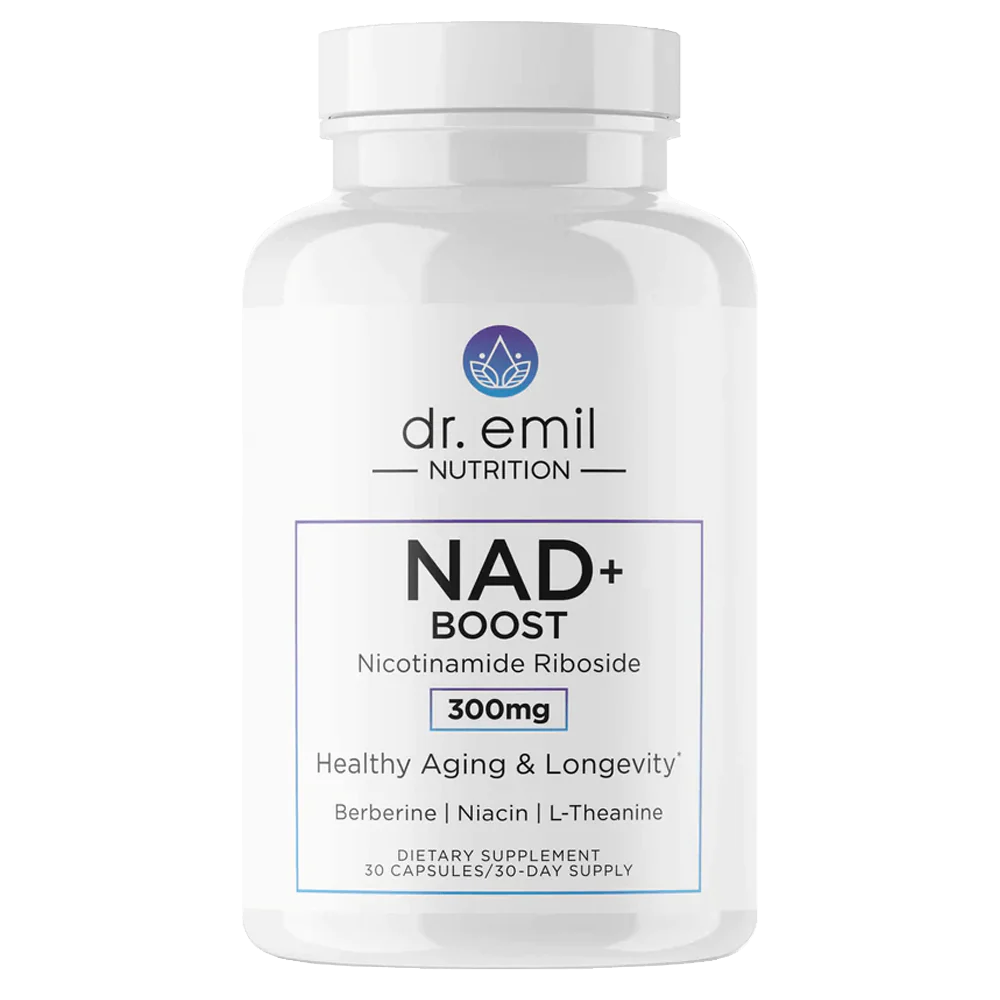
Dr. Emil's NAD+ Boost provides comprehensive cellular health support through a synergistic formula combining multiple beneficial compounds. Each serving delivers NAD+ precursors alongside berberine, niacin, and L-theanine for enhanced benefits. The formula revitalizes cellular health by boosting NAD+ levels, improving energy, supporting DNA repair, and enhancing cellular function. L-theanine promotes mental clarity and focus while reducing stress-related cognitive interference.
Berberine provides metabolic support, maintaining healthy blood sugar levels and supporting efficient metabolism for weight management. The supplement also supports collagen formation and provides antioxidant protection for radiant, healthy skin. This comprehensive approach addresses multiple aspects of cellular aging and metabolic function in one convenient formula.
Spermidine - 5mg
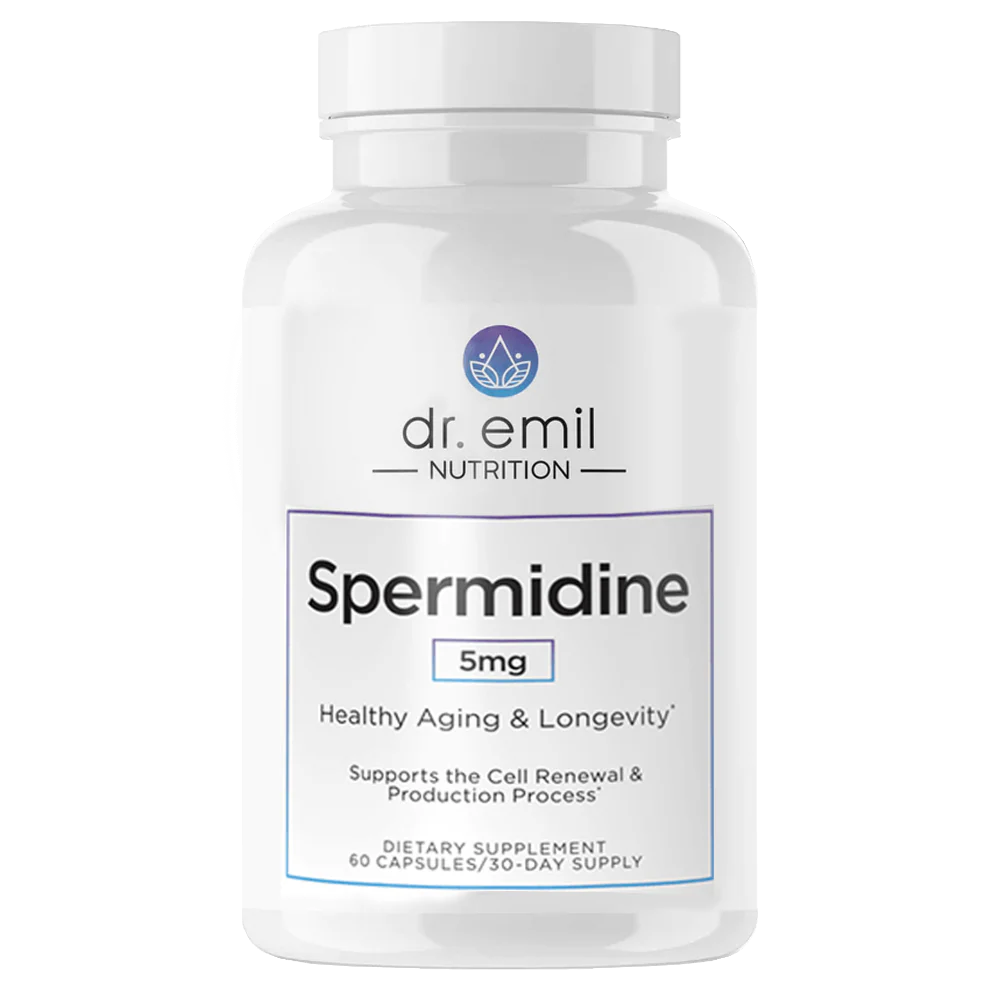
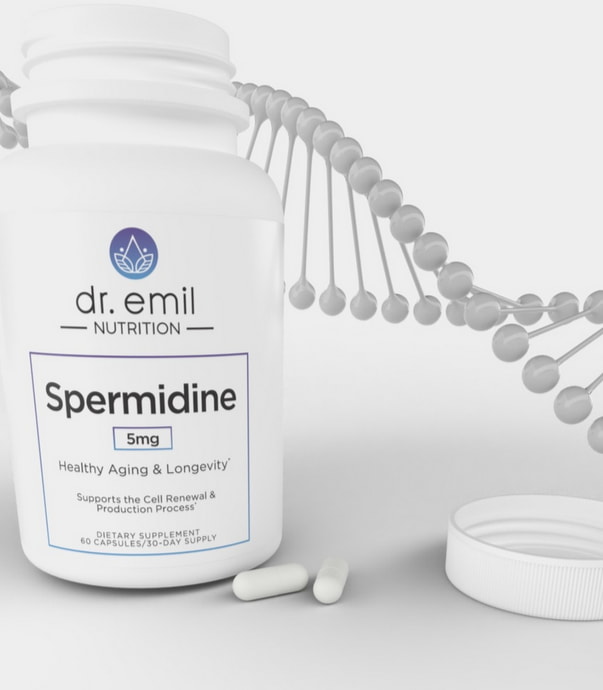
Dr. Emil's 5mg Spermidine capsules provide complementary support for cellular health and longevity through autophagy enhancement. Spermidine, a naturally occurring polyamine, triggers autophagy, your cells' self-cleaning process that removes damaged components and recycles cellular materials. This mechanism works synergistically with NAD+ to support healthy aging at the cellular level. Each capsule provides 5mg of highly purified spermidine that promotes cellular renewal, supports cardiovascular and cognitive function, and enhances metabolic efficiency.
Research indicates spermidine supplementation may support longevity by maintaining cellular quality control mechanisms that naturally decline with age. The compound also promotes hair growth and skin health through its cellular renewal properties. When combined with NAD+ precursors, spermidine addresses cellular aging through complementary pathways for comprehensive longevity support.
Maximizing NAD+ Naturally: Lifestyle Strategies
Exercise and Physical Activity
Regular exercise naturally boosts NAD+ levels and enhances the activity of enzymes that produce NAD+. Both aerobic exercise and resistance training show benefits, with some research suggesting high-intensity interval training may be particularly effective for supporting NAD+ metabolism and mitochondrial function.
Caloric Restriction and Fasting
Moderate caloric restriction and intermittent fasting protocols have been shown to increase NAD+ levels and activate sirtuins. These dietary approaches trigger cellular stress responses that upregulate NAD+ biosynthesis pathways. Even time-restricted eating, limiting food consumption to an 8-12 hour window, may provide some benefits.
Sleep and Circadian Rhythm
NAD+ levels follow a circadian pattern, and disrupted sleep or irregular schedules can impair NAD+ metabolism. Prioritizing consistent sleep-wake times, getting adequate sleep duration, and minimizing light exposure at night supports healthy NAD+ rhythms.
Dietary Sources
While you cannot obtain NAD+ directly from food, you can consume precursors. Foods rich in vitamin B3 include meat, fish, nuts, legumes, and whole grains. Tryptophan-rich foods like turkey, eggs, and dairy also provide building blocks for NAD+ synthesis.

The Bottom Line: Does NAD Really Work?
The science demonstrates that NAD+ is essential for cellular function and declines with age. Supplementation with precursors like NR and NMN effectively raises NAD+ levels in human tissues and appears safe and well-tolerated. Animal research strongly supports NAD+'s benefits for longevity, energy, and metabolism, though human clinical evidence remains more limited.
Many individuals report improvements in energy, mental clarity, and overall wellbeing when taking NAD+ precursors, effects that align with known biological mechanisms. For those interested in longevity optimization, NAD+ supplementation offers a reasonable strategy when combined with exercise, healthy eating, and quality sleep.
It’s important to set realistic expectations when it comes to healthy aging and lifestyle modifications; NAD+ isn't a miracle cure but rather one tool that may support healthier aging by addressing cellular decline. Quality matters, so choose reputable brands with third-party testing, like Dr. Emil. Consult a healthcare provider before starting, especially if you have health conditions or take other medications. Start with lower doses, allow several weeks to assess effects, and combine supplementation with foundational healthy habits for optimal results.
.jpg)


