


Walk into any health store or scroll through your social media feed, and you’ll probably spot collagen somewhere. It’s in powders, gummies, and even coffee creamers, all promising glowing skin, stronger joints, and youthful energy. But what exactly is collagen, and does it really work the same way as other proteins like whey or pea protein? To answer that, we have to unpack what collagen actually is and how it fits into the larger world of proteins. While it’s true that collagen supports skin elasticity and joint strength, its nutritional profile tells a slightly different story.
In this post, we will discuss:
- What collagen is and how it functions in the body
- What makes a protein “complete” or “incomplete”
- How collagen compares to other proteins in terms of benefits
- How to use collagen effectively as part of a balanced diet
What is collagen?
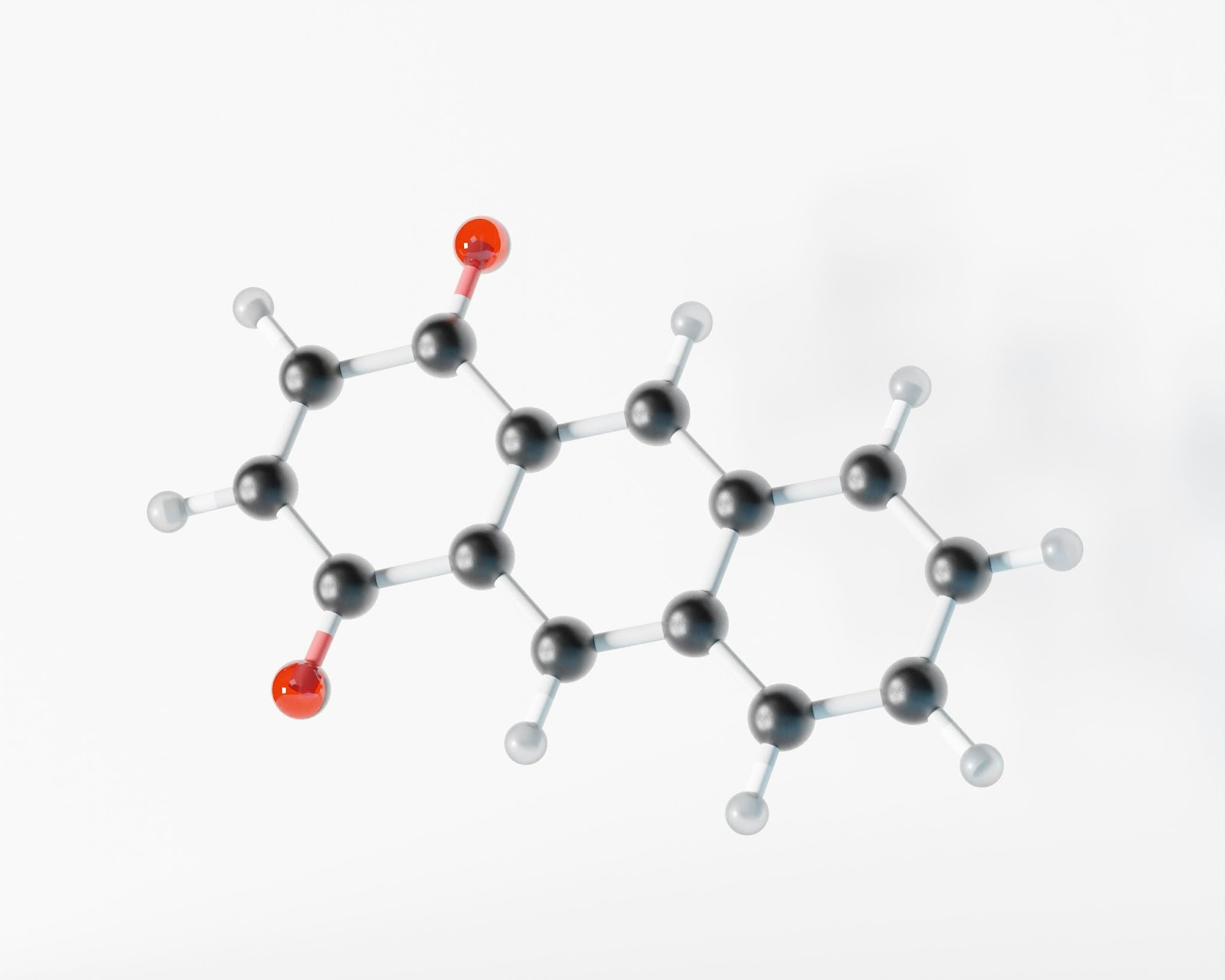
Collagen is responsible for our body’s structure and elasticity.
Collagen is the most abundant protein in the human body as it makes up roughly 30% of our total protein content. Collagen functions as the body’s structural framework, providing cohesion and support to the skin, bones, tendons, cartilage, and connective tissues.
Unlike other proteins that are mainly used for energy or muscle repair, collagen has a structural role. It’s made up mostly of three amino acids (glycine, proline, and hydroxyproline), which twist together into a strong triple helix. This design gives collagen its strength and flexibility.
When you consume collagen (in powder, capsule, or food form), your body doesn’t absorb it whole, but rather it breaks it down into amino acids and peptides during digestion. These smaller components are then used wherever the body needs them, from rebuilding cartilage to strengthening skin tissue. However, this process doesn’t guarantee that all of those peptides will specifically become collagen again. The body decides where to use them.
In short, collagen is crucial for maintaining the body’s framework but nutritionally, it behaves differently from the protein you might find in a post-workout shake.
What are complete proteins?
Not all proteins are created equal. While all proteins are made of amino acids, the types and proportions of those amino acids determine whether a protein is considered complete or incomplete. A complete protein contains all nine essential amino acids in adequate amounts. These are called “essential” because the human body cannot produce them on its own—they must be obtained through diet. In contrast, incomplete proteins lack one or more of these amino acids or provide them in insufficient quantities to support the body’s needs.
Essential amino acids are critical for:
- Muscle growth and repair.
- Enzyme and hormone production.
- Immune system regulation.
- Tissue maintenance.
Sources of complete proteins found in food include many animal-based foods, such as meat, poultry, fish, eggs, and dairy, as well as some plant-based options like quinoa and soy. In contrast, sources like collagen are incomplete because they lack key amino acids.
Understanding this distinction is crucial when evaluating supplements. A complete protein provides the full spectrum of amino acids necessary for optimal bodily function, whereas an incomplete protein may still offer benefits but cannot fully meet protein synthesis requirements on its own. Collagen, as a supplement, is offered through Dr. Emil’s Multi-Collagen Plus!
Collagen as a protein
Collagen is technically a protein, but it’s not a complete one. What distinguishes it from complete proteins lies in its amino acid composition. Collagen is rich in glycine, proline, and hydroxyproline, three amino acids that give it its structural strength and flexibility. However, it lacks one essential amino acid: tryptophan. This absence prevents collagen from providing the full spectrum of amino acids the body needs for comprehensive protein synthesis.
In simpler terms, collagen’s benefits are specialized rather than general. It supports specific tissues but cannot replace dietary protein sources that are vital for muscle repair or metabolic function. When collagen peptides are consumed, the body breaks them down into individual amino acids, which are then used where needed, but without tryptophan, the synthesis of new proteins remains incomplete. This does not mean that its usefulness is negated, but rather it is something to be mindful of when deciding to take collagen supplements.

Unlike complete proteins, which are primarily geared toward muscle repair and metabolic balance, collagen supports the body’s structural and restorative systems.
Collagen’s Targeted Benefits
- Skin health and elasticity: Collagen peptides stimulate fibroblast activity in the skin, encouraging new collagen and elastin production. This process can help reduce the appearance of fine lines and promote a smoother texture over time.
- Joint and bone support: Collagen contributes to the integrity of cartilage and bone tissue, improving joint comfort and mobility.
- Hair and nail strength: By providing amino acids used in keratin production, collagen supplementation may reduce brittleness and promote healthy growth.
When and how to use collagen.
Collagen supplementation can be most beneficial when incorporated thoughtfully into a balanced diet. Because it is an incomplete protein, it should complement, not replace, complete protein sources like eggs, dairy, meat, or legumes.
When using collagen, it's best to choose hydrolyzed collagen, as this form is broken down into smaller pieces that the body can absorb more easily. Typical daily doses range from 2.5 to 15 grams, depending on individual health goals or general wellness. To make up for missing amino acids, pair collagen with complete proteins like dairy, eggs, or legumes. For example, adding collagen powder to a smoothie with Greek yogurt or milk. Collagen is easy to include in your daily routine: mix it into coffee, tea, oatmeal, soups, or baked goods without affecting taste. Unlike some protein powders, timing is less important than consistency—regular intake over weeks or months provides the best results. By using collagen this way, you can support skin, joints, and connective tissue while keeping a balanced diet.
How to improve the effects of collagen?

Collagen is a unique supplement that works best as a complement to a balanced diet rather than a replacement for complete proteins. Incorporating it into your daily routine is one good way to best maximize the effects of collagen on your physical health. Redundancy and consistency are the simplest of the keys towards seeing and feeling its effects. Pairing it with other protein options is another way to maximize the potential. A focus on smaller doses taken at a consistent rate will always yield more outcomes than a larger dose taken in long increments. So, while you should have a daily routine for collagen intake, it is always important to remember that consistency will beat dosage all day.
Where can I get Collagen?
Dr. Emil’s collagen supplements are a good way to find your consistent collagen source at reasonable prices. Visit his website tolearn more about collagen, other amino acids, and proteins.


