
When you see a spermidine supplement that also contains zinc and thiamin, it is reasonable to wonder why those additional nutrients are there. After all, spermidine is the ingredient getting most of the attention in healthy-aging research. So what do zinc and thiamin bring to the formula?
The answer is that they serve different, complementary nutritional purposes. Spermidine has attracted scientific interest because of its relationship with autophagy, the cellular process involved in breaking down and recycling components that are no longer needed. Human research is still developing, but this cellular pathway is one reason spermidine has become an interesting area of longevity research.
Zinc and thiamin approach cellular health from a different direction. Zinc is an essential mineral involved in numerous processes, including normal immune function, DNA and protein synthesis, and cellular metabolism. Thiamin, or vitamin B1, helps the body convert nutrients into usable energy and supports normal cellular function.
This article will explain why those distinctions matter. We will look at what spermidine does, examine the established nutritional roles of zinc and thiamin, and explore why combining them can make sense within a broader supplement strategy.
The conclusion is straightforward: the purpose is not to make zinc or thiamin substitutes for spermidine, or to claim that the three ingredients have been proven to work synergistically. Instead, they provide different forms of nutritional support within one thoughtfully designed formula.
That balanced perspective can help you understand not only what is in a spermidine supplement, but why each ingredient may have been included.
In this article, we’ll break down:
- Spermidine Supplement FAQ: Why Add Zinc And Thiamin?
- What Spermidine Does And Why It’s Paired With Zinc And Thiamin
- Zinc And Healthy Aging: Understanding Its Role Alongside Spermidine
- Thiamin For Energy And Cellular Function: Why It Matters
- How Spermidine, Zinc, And Thiamin Complement Each Other
- What To Look For In A Spermidine Supplement Formula
- Putting It All Together: Why These Three Nutrients Make Sense

Spermidine Supplement FAQ: Why Add Zinc And Thiamin?
Common Questions About The Ingredients And Their Roles In A Thoughtfully Designed Formula
Q: Why does our spermidine supplement also contain zinc and thiamin?
A: Spermidine is the primary ingredient, but zinc and thiamin provide complementary nutritional roles. Zinc is involved in cellular metabolism, DNA and protein synthesis, immune function, and cell signaling, while thiamin is essential for energy metabolism and normal cellular function.
Q: What is spermidine?
A: Spermidine is a naturally occurring polyamine found throughout the body and in various foods. Research has focused particularly on its relationship with autophagy, the cellular process involved in breaking down and recycling damaged or unnecessary cellular components. Human research is promising but still developing.
Q: Why is zinc included in a healthy-aging supplement?
A: Zinc is an essential mineral that participates in hundreds of enzymatic processes. It supports normal immune function, DNA and protein synthesis, cell division, and wound healing.
Q: Why is thiamin included?
A: Thiamin, also known as vitamin B1, helps the body convert nutrients into usable energy and supports normal growth, development, and cellular function.
Q: Do zinc and thiamin make spermidine work better?
A: It is more accurate to say that they serve complementary nutritional purposes. There is not enough clinical evidence to conclude that zinc or thiamin specifically increases the effectiveness of supplemental spermidine.
Q: Is more spermidine necessarily better?
A: Not necessarily. Research is investigating appropriate doses and long-term effects. A recent small pilot study examined 1.5 and 3.3 mg of spermidine daily, while another trial evaluated higher-dose purified spermidine for safety. Larger studies are needed.
Q: Who should talk with a healthcare professional before using this supplement?
A: Anyone who is pregnant or nursing, under 18, has a medical condition, or takes medications should discuss supplementation with a healthcare professional. The product's own directions also recommend consulting a healthcare provider in these circumstances.
What Spermidine Does And Why It’s Paired With Zinc And Thiamin
Exploring How Spermidine Fits Into A Broader Nutritional Approach To Healthy Aging
Spermidine is naturally produced by the body and is also obtained through foods. Interest in supplementation has grown because laboratory and animal research has connected spermidine with autophagy, a cellular housekeeping process that helps recycle components that are no longer needed. Researchers are investigating how this biology may relate to healthy aging and other aspects of cellular function.
That makes spermidine an interesting foundation for a healthy-aging formula, but it does not mean spermidine has been proven to slow or reverse human aging. Clinical evidence remains considerably more limited than the underlying laboratory research. For example, a 2025 pilot trial involving 12 healthy adults found changes in several biomarkers after eight weeks of a spermidine-rich supplement, but the researchers specifically called for follow-up studies to confirm the findings.
So why include zinc and thiamin?
The reasoning is nutritional complementarity. Rather than treating spermidine as an isolated ingredient, the formula combines it with nutrients that already have well-established physiological functions:
- Spermidine: Research interest centers on cellular recycling and autophagy.
- Zinc: Supports enzymes, DNA and protein synthesis, immune function, and cellular processes.
- Thiamin: Helps convert food into energy and supports normal cellular metabolism.
The result is a formula designed around several different dimensions of cellular wellness rather than a single ingredient alone.

Zinc And Healthy Aging: Understanding Its Role Alongside Spermidine
Why This Essential Mineral Can Complement A Spermidine-Focused Wellness Strategy
Zinc may seem like an unexpected addition to a spermidine supplement, but its role in the body is broad. The National Institutes of Health notes that zinc is involved in hundreds of enzymatic reactions and contributes to DNA and protein synthesis, immune function, cell signaling, cell division, and wound healing.
Those functions matter when discussing healthy aging because maintaining normal cellular processes requires adequate amounts of essential nutrients. Zinc is not a specialized “anti-aging” nutrient, and supplementation should not be presented as a way to stop the aging process. Instead, its value comes from supporting basic physiological functions that remain important throughout adulthood.
Zinc is also a nutrient where more is not automatically better. The body needs zinc in relatively small amounts, and excessive supplemental intake can cause adverse effects and interfere with copper absorption. For that reason, a thoughtfully formulated supplement should provide an appropriate amount rather than simply maximizing the dose.
This helps explain why zinc can make sense alongside spermidine. Spermidine is being researched for its potential effects on cellular pathways such as autophagy, while zinc provides an established nutritional role in normal cellular metabolism and immune function.
The two ingredients should therefore be viewed as complementary rather than interchangeable. Spermidine supplies the primary focus of the formula, while zinc helps provide nutritional support for fundamental processes that cells depend on every day.
Thiamin For Energy And Cellular Function: Why It Matters
Understanding Vitamin B1 And Its Connection To Everyday Energy And Metabolic Health
Thiamin, or vitamin B1, is another ingredient that may not immediately come to mind when thinking about spermidine. Its inclusion becomes easier to understand when looking at the fundamental role it plays in metabolism.
According to the NIH, thiamin helps the body turn the food we eat into the energy we need and is important for normal growth, development, and cellular function. Its active form, thiamin diphosphate, serves as a cofactor for enzymes involved in glucose, amino acid, and lipid metabolism.
That does not mean thiamin itself should be marketed as an energy booster in the same way as caffeine. Its role is more foundational: the body needs adequate thiamin for normal energy metabolism to function properly.
This distinction is particularly important for responsible supplement education. A nutrient can be essential to a biological pathway without producing a noticeable stimulant-like sensation.
Within a spermidine formula, thiamin therefore provides nutritional support from a different angle:
Spermidine is being investigated for its relationship with cellular recycling and autophagy.
Thiamin supports the metabolic pathways cells use to process nutrients and generate energy.
Zinc contributes to numerous enzymatic and cellular processes.
Together, these ingredients address different nutritional functions. That broader approach is one reason a spermidine supplement may contain more than spermidine alone.

How Spermidine, Zinc, And Thiamin Complement Each Other
A Closer Look At How Different Nutrients Can Support Distinct Aspects Of Cellular Wellness
The easiest way to understand the combination is to stop thinking of the ingredients as three versions of the same thing. They have different biological roles.
Spermidine is a naturally occurring polyamine that has attracted scientific attention because of its relationship with autophagy and cellular maintenance. Current research is exploring whether these mechanisms may translate into meaningful benefits for healthy aging in humans.
Zinc has a much more established nutritional role. It is required for the activity of hundreds of enzymes and contributes to DNA and protein synthesis, immune function, cell signaling, and cell division.
Thiamin similarly has a well-established role in energy metabolism. The body uses its active form to support enzymes involved in processing carbohydrates, amino acids, and lipids.
This creates a useful distinction between emerging research and established nutrition. Spermidine is the ingredient that gives the formula its distinctive healthy-aging focus, while zinc and thiamin contribute recognized nutritional functions.
That does not prove that taking all three produces a special synergistic effect. There is not currently sufficient clinical evidence to make that claim. Instead, the combination can reasonably be viewed as a multidimensional nutritional strategy: one ingredient is the focus of emerging cellular-aging research, while two essential nutrients support fundamental processes throughout the body.
What To Look For In A Spermidine Supplement Formula
Beyond The Headline Ingredient: Evaluating Supporting Nutrients And Overall Formula Design
Choosing a spermidine supplement involves more than looking for the word “spermidine” on a label. Consumers should consider the source, dosage, additional ingredients, suggested use, and the overall transparency of the manufacturer.
For example, the Dr. Emil Nutrition Spermidine formula is described as providing spermidine derived from wheat germ and combines it with zinc and thiamin. The product recommends two capsules once daily with at least eight ounces of water and advises consumers with medical conditions or other special circumstances to consult a healthcare professional.
A practical checklist can include:
Ingredient transparency: Look for clearly identified active ingredients.
Reasonable formulation: Supporting nutrients should have a logical nutritional purpose rather than simply making a label look more impressive.
Appropriate expectations: Be cautious of products making sweeping promises about reversing aging or guaranteeing longevity.
Quality considerations: Look for responsible manufacturing and clear labeling.
If you are looking for a great source of spermidine to incorporate into your self care routine then be sure to check out Dr Emil’s 5mg spermidine supplement!
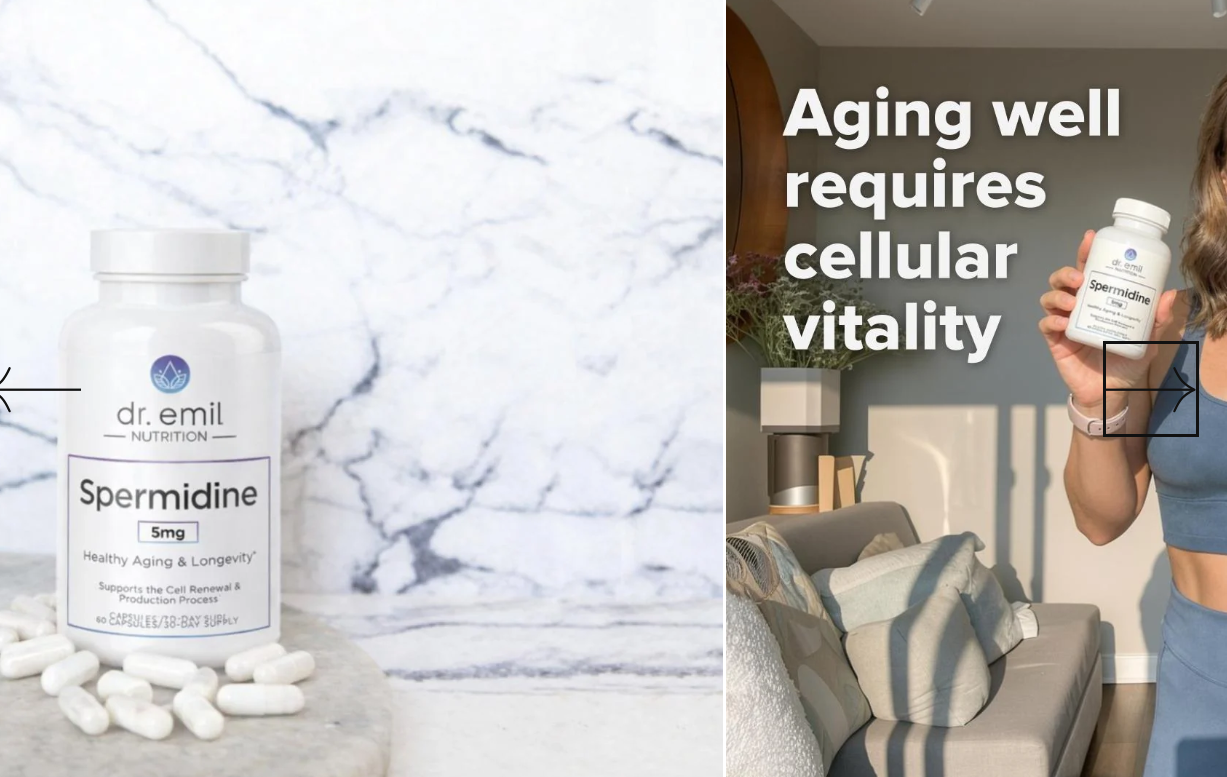
Spermidine itself is an area of active research, so consumers should be especially careful about separating established findings from preliminary evidence. Current human studies have investigated different forms and doses, and researchers are still working to determine the most meaningful long-term outcomes.
A well-designed supplement should therefore complement healthy habits—not replace a nutritious diet, regular physical activity, adequate sleep, or appropriate medical care.

Putting It All Together: Why These Three Nutrients Make Sense
The Bigger Picture Behind Combining Spermidine, Zinc, And Thiamin In One Supplement
So, why does our spermidine supplement also contain zinc and thiamin? The simplest answer is that each ingredient brings a different nutritional function to the formula.
Spermidine is the centerpiece because of growing scientific interest in its relationship with autophagy and cellular maintenance. Research in humans is encouraging enough to justify continued investigation, but it is still too early to describe spermidine supplementation as a proven anti-aging treatment.
Zinc and thiamin serve a different purpose. Zinc is an essential mineral involved in hundreds of enzymatic reactions, including processes related to DNA and protein synthesis, immune function, and cell signaling. Thiamin is an essential B vitamin that supports energy metabolism and normal cellular function.
That distinction is important because a good supplement formula does not necessarily need every ingredient to perform the same job. Instead, complementary nutrients can provide broader nutritional support.
The goal should also remain realistic. A spermidine supplement is not a substitute for the fundamentals of healthy aging, and more research is needed to determine the full clinical significance of supplemental spermidine. But for adults interested in supporting cellular wellness as part of a comprehensive lifestyle, combining spermidine with essential nutrients such as zinc and thiamin represents a thoughtful formulation approach.
Ultimately, the formula is designed around a straightforward idea: support healthy aging by combining an emerging cellular-health ingredient with nutrients that have established roles in normal human physiology.

A More Complete Approach To Cellular Wellness
Why Spermidine, Zinc, And Thiamin Can Complement One Another
So, why does our spermidine supplement also contain zinc and thiamin? The answer comes down to complementary roles.
Spermidine is the formula's central ingredient because of growing scientific interest in its relationship with autophagy and cellular maintenance. While human research continues to develop, this emerging science has made spermidine an intriguing addition to a healthy-aging routine.
Zinc and thiamin contribute something different. Zinc supports numerous essential cellular processes, including DNA and protein synthesis, immune function, and enzyme activity. Thiamin supports energy metabolism and normal cellular function.
Importantly, these distinctions keep the formula grounded in nutritional science. There is not enough evidence to claim that zinc and thiamin make spermidine more effective or create a proven anti-aging synergy. Instead, each ingredient has its own reason for being included.
That makes the formula easier to understand: spermidine provides the emerging cellular-health focus, while zinc and thiamin provide established nutritional support for fundamental processes throughout the body.
Of course, no supplement can replace the foundations of healthy aging. A nutrient-dense diet, regular physical activity, adequate sleep, and appropriate healthcare remain important.
For consumers interested in adding spermidine to that foundation, understanding the complete formula can make supplementation feel less like a collection of unfamiliar ingredients and more like a thoughtful nutritional strategy.